





Antique Imari Porcelain Pair
An antique imari porcelain pair brings vibrant palettes and matching decorative symmetry to a room, uniting centuries of ceramic craft in two balanced vessels or plates.
Antique Imari Porcelain Pair
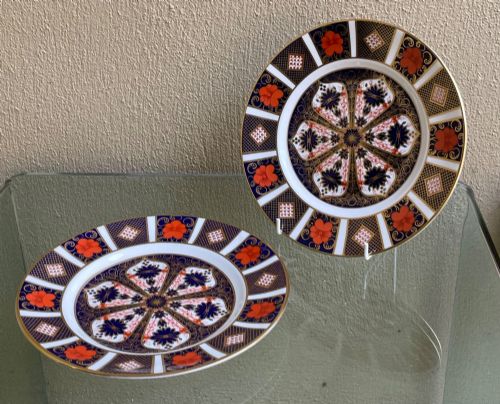
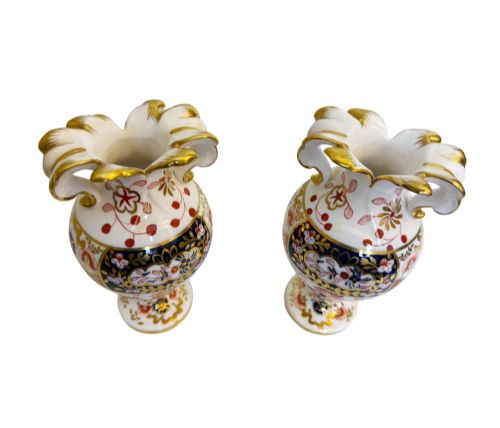
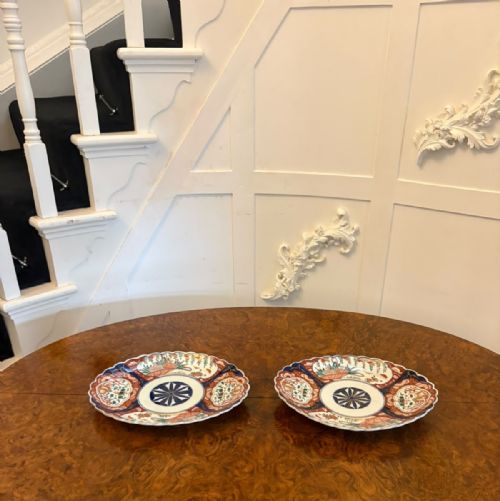
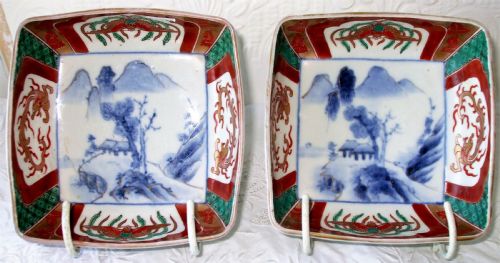
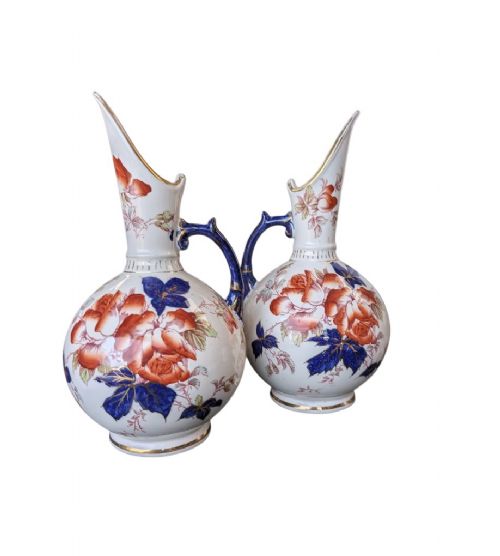
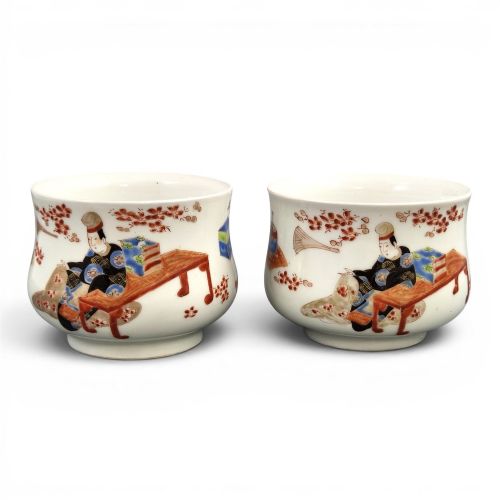
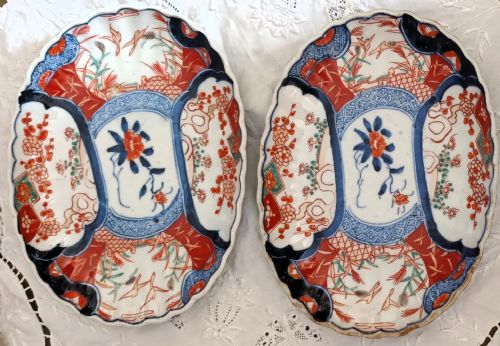
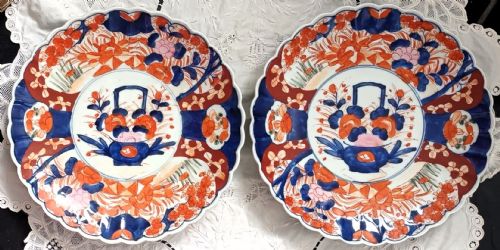
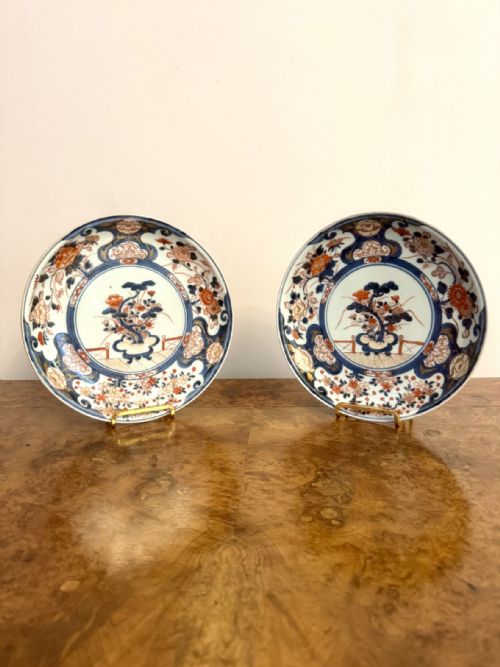
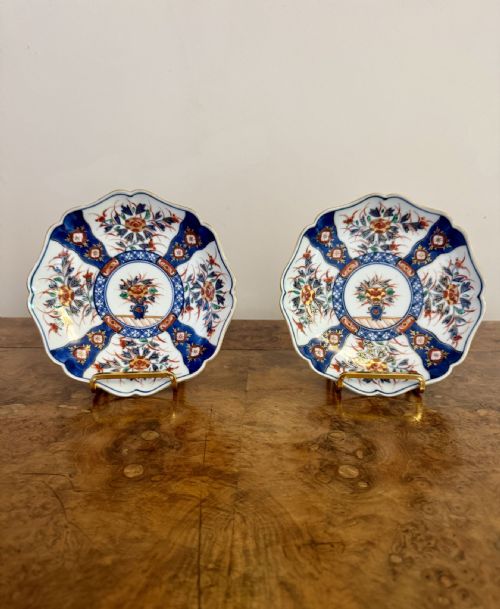
An antique imari porcelain pair consists of two matching ceramic pieces decorated in the distinctive imari palette, which draws upon Japanese and British traditions spanning from the Edo period to the twentieth century. These matching sets commonly take the form of decorative plates, chargers, dishes, bowls, and vases intended for paired display.
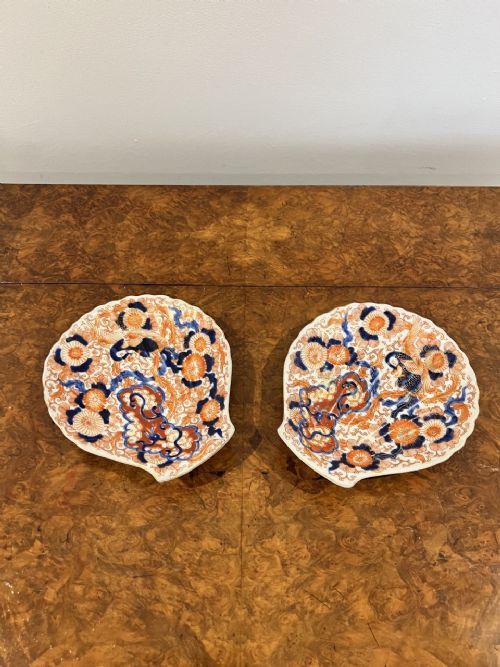
The pieces appearing on this page originate predominantly from Japanese production centres such as Arita during the Meiji period, alongside British interpretations created by factories including Royal Crown Derby, Spode, and Chamberlain Worcester. Buyers encounter both large scalloped chargers and smaller twin-handled vessels, each shaped to match its counterpart in form and painted design.
Selecting an antique imari porcelain pair involves choosing between traditional Japanese export wares and their English adaptations. The items range from cabinet plates depicting exotic birds and mythical figures to substantial temple vases and lidded jars designed for mantelpieces.
How they were made
The creation of these ceramics relies on hard-paste or soft-paste porcelain shaped by hand or moulded, then fired at high temperatures to achieve a vitrified body. Artisans applied cobalt blue underglaze paint before the initial glaze firing, establishing the deep blue foundation characteristic of the style.
Overglaze enamels in iron red and other colours were added in subsequent low-temperature firings, often accented with gold leaf, gilding, or enamel detailing to create rich surface textures. Ironstone also appears in British variations, offering a heavier earthenware alternative to traditional porcelain bodies.
Antique Imari Porcelain Pair Retail Price Guide 2026
Typical asking prices for imari porcelain pair among the pieces listed under this phrase on Sellingantiques today, from the lower quarter to the upper quarter. They describe what is for sale here now, not the wider market.
A matched pair of porcelain dishes depicting the Seven Lucky Gods brings extra insurance for good fortune straight to the mantelpiece.
What varies in quality
Quality in these paired sets rests upon the precision of the hand-painted brushwork and the complexity of the decorative motifs, such as depictions of the Seven Lucky Gods or detailed exotic birds. Finer examples display crisp underglaze cobalt lines and carefully registered overglaze enamels that align correctly across both matched objects.
The application and preservation of gold leaf or gilding differentiate standard production wares from exceptional output. Weight, symmetry in shape, and the clarity of the porcelain body further distinguish superior pairs from simpler commercial items.
Royal Crown Derby·Spode·Chamberlain Worcester·Ginshōtei Gyokushi·Samson Hancock Derby
The Antique Imari Porcelain Pair Glossary
- Imari
- A style of ceramic decoration originating in Japan, characterised by a palette of underglaze blue, iron red, and gilt. British factories later adopted this distinct aesthetic for their own porcelain bodies.
- Arita
- The Japanese town and surrounding region renowned for producing the porcelain blanks used in early imari wares. Artisans here shaped the foundations for many export pieces.
- Meiji Period
- The era in Japanese history spanning from 1868 to 1912, associated with a vast output of decorative arts exported to Western markets. Many matched plates and vases date from this time.
- Overglaze Enamel
- Coloured glass decoration applied on top of the fired glaze and fixed during a secondary, lower-temperature firing. This technique allowed makers to add vibrant reds and greens to the design.
- Ironstone
- A heavy, durable type of ceramic patented in the nineteenth century as a tough alternative to porcelain. British makers utilised this material for utilitarian and decorative services.
Antique Imari Porcelain Pair: Frequently Asked Questions
How were imari pairs used historically?
These matched objects were primarily displayed as decorative showpieces on mantelpieces, sideboards, and cabinets within wealthy homes. Larger chargers and vases filled empty architectural spaces, while plates and bowls served formal dining or display functions.
In both Japanese and European interiors, symmetry played a vital role in interior design. Placing identical or mirror-image vessels on either side of a central focal point created a balanced, orderly aesthetic.
How do I tell Japanese imari from British imari?
Japanese imari pieces often feature the greyish-white porcelain body, sand spurs on the base from kiln stacking, and characteristic Meiji period motifs like naturalistic birds and deities. The blue underglaze tends to have a slightly softer, greyer tone.
British examples by makers like Spode or Derby use refined bone china or ironstone bodies with crisp white glazes and maker marks stamped or painted underneath. Their interpretation of the palette is often brighter and applied to Western vessel shapes.
What is the difference between a charger and a plate?
Chargers are significantly larger decorative plates, typically measuring over thirty centimetres in diameter, designed for display on walls, stands, or tables rather than dining use. Their generous surface area allowed artists to paint intricate, multi-figured narrative scenes.
Plates are smaller, shallower tableware items intended for holding food or for smaller cabinet displays. In matched pairs, plates usually share identical rim styling, such as scalloped or hexagonal edges.