






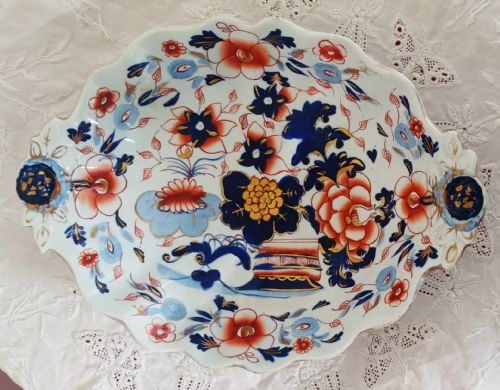
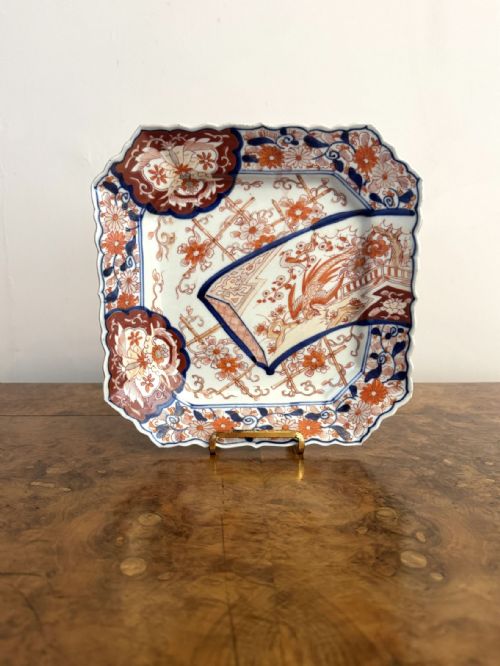
Cobalt Blue Imari Plates
Cobalt blue imari plates are striking decorative pieces that bring rich colour and intricate pattern to any room.
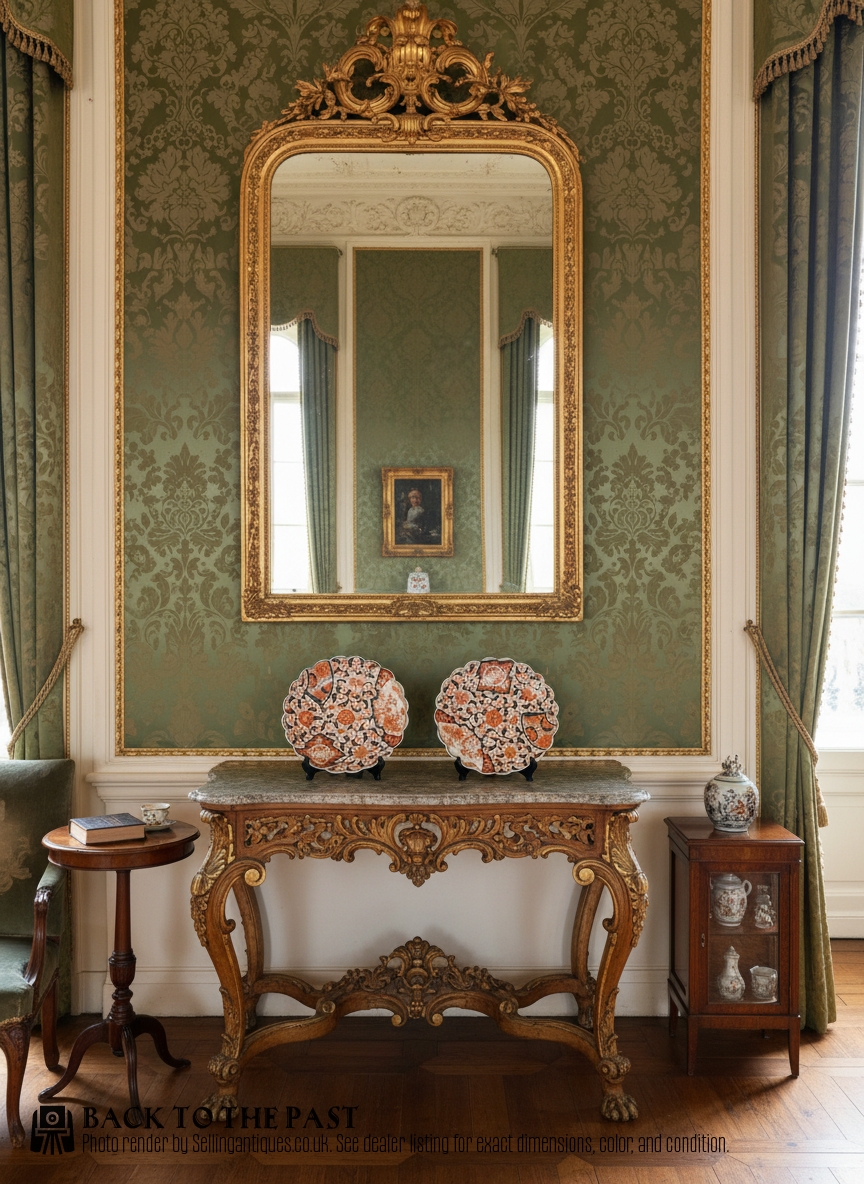
What cobalt blue imari plates are
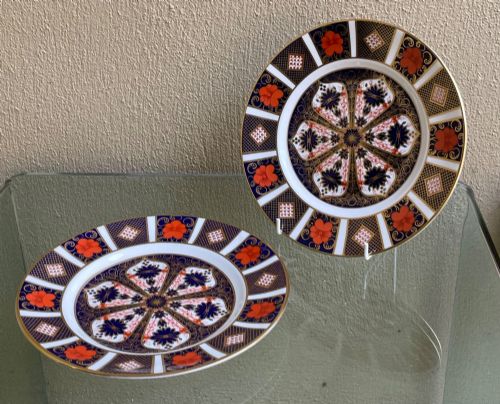
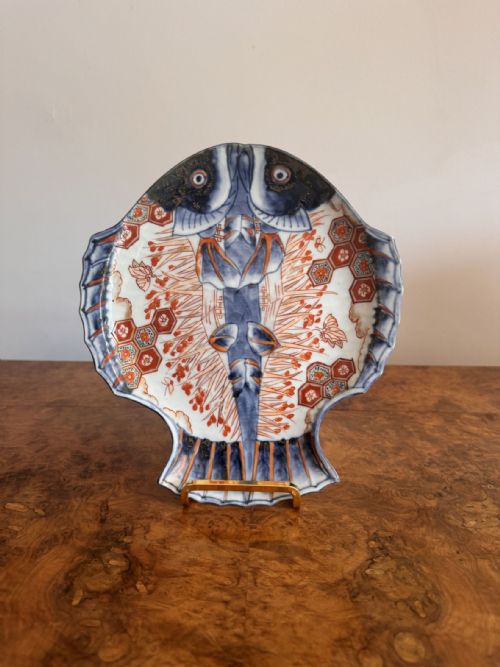
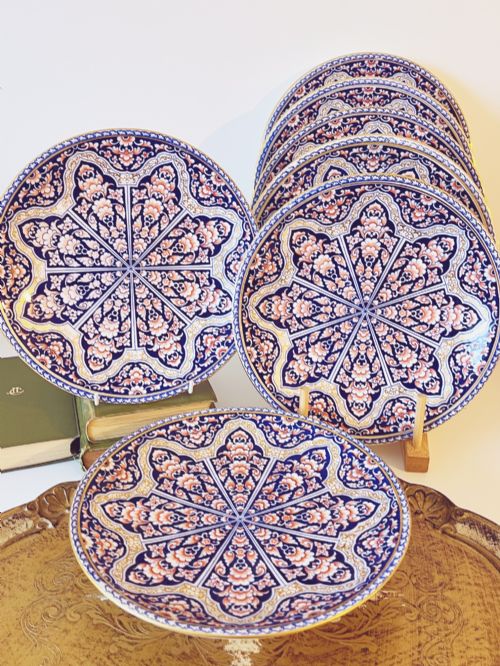
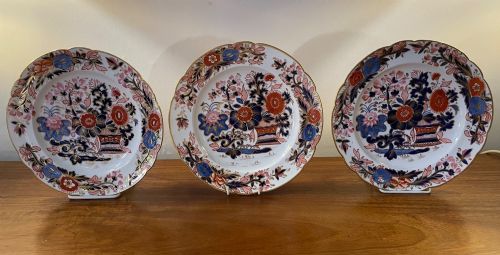
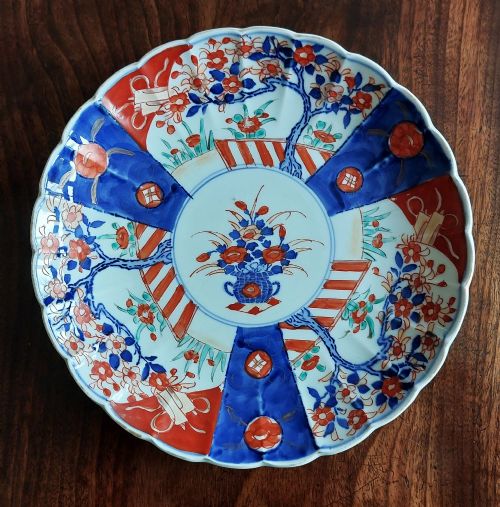
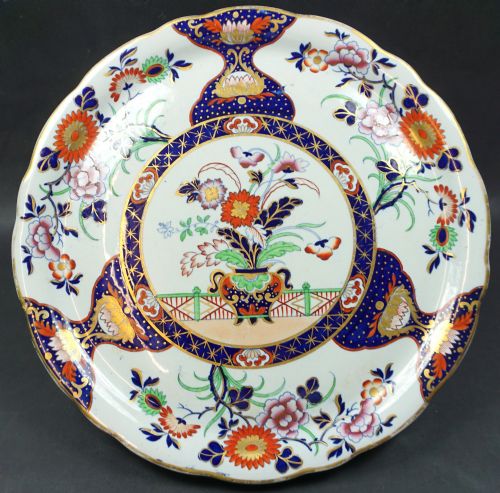
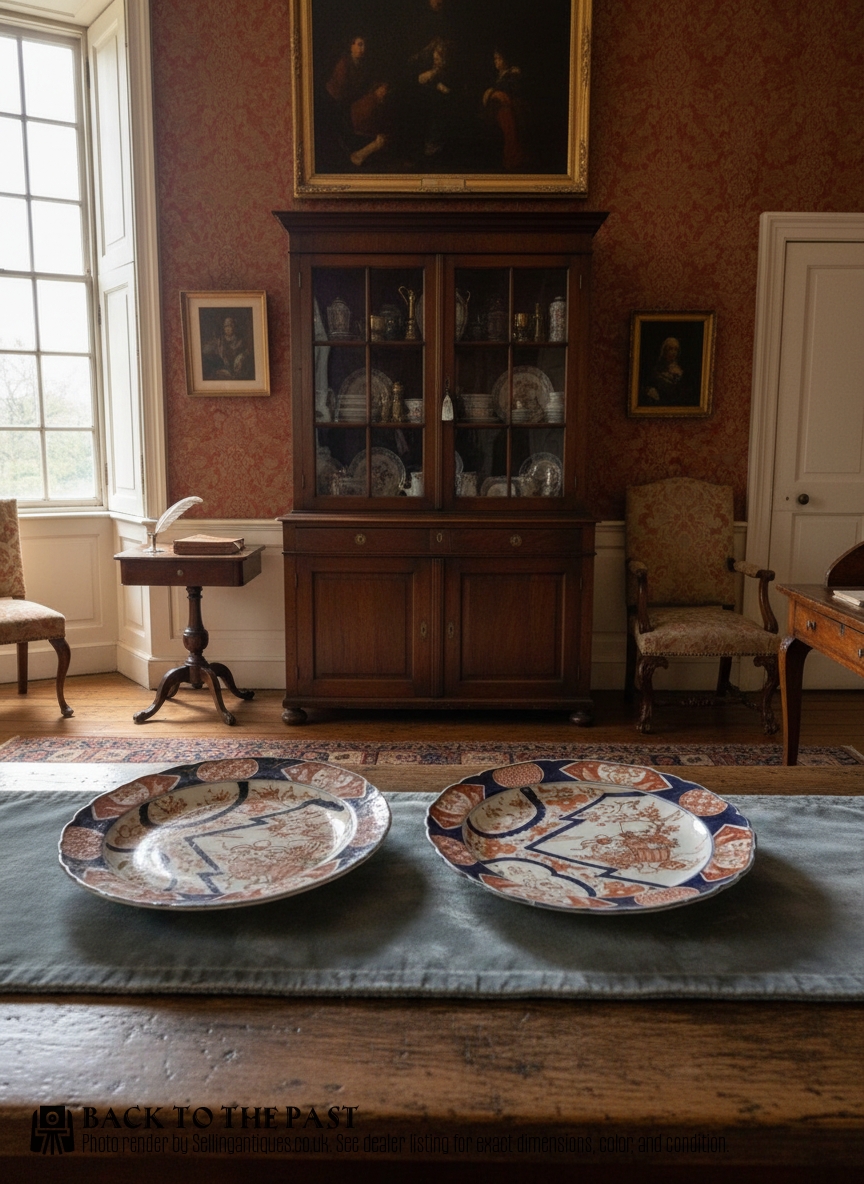
Cobalt blue imari plates comprise distinct examples originating from Japanese traditions alongside Victorian interpretations. The selection spans the nineteenth century up to nineteen hundred, showing both Japanese Edo or Meiji origins and British production. Buyers encounter decorative plates and dishes featuring characteristic patterns.
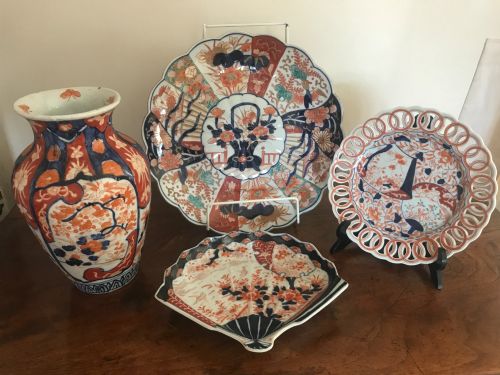
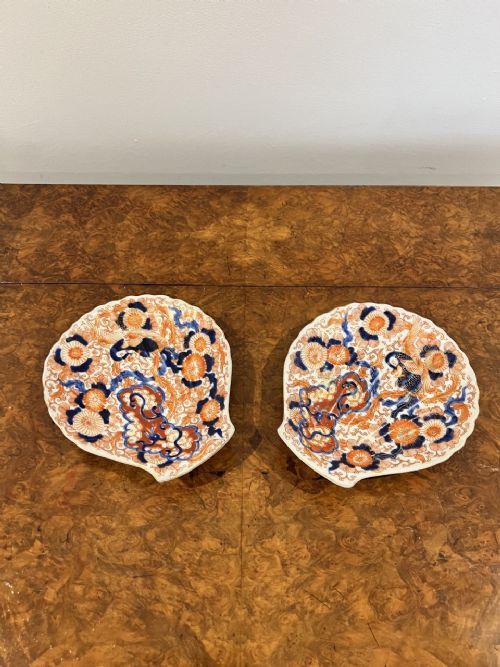
Collections include pairs and sets of five pieces alongside individual large pairs. The designs range from traditional Japanese motifs to black ship decoration and older school house patterns. Each form serves primarily as a decorative display piece rather than everyday tableware.
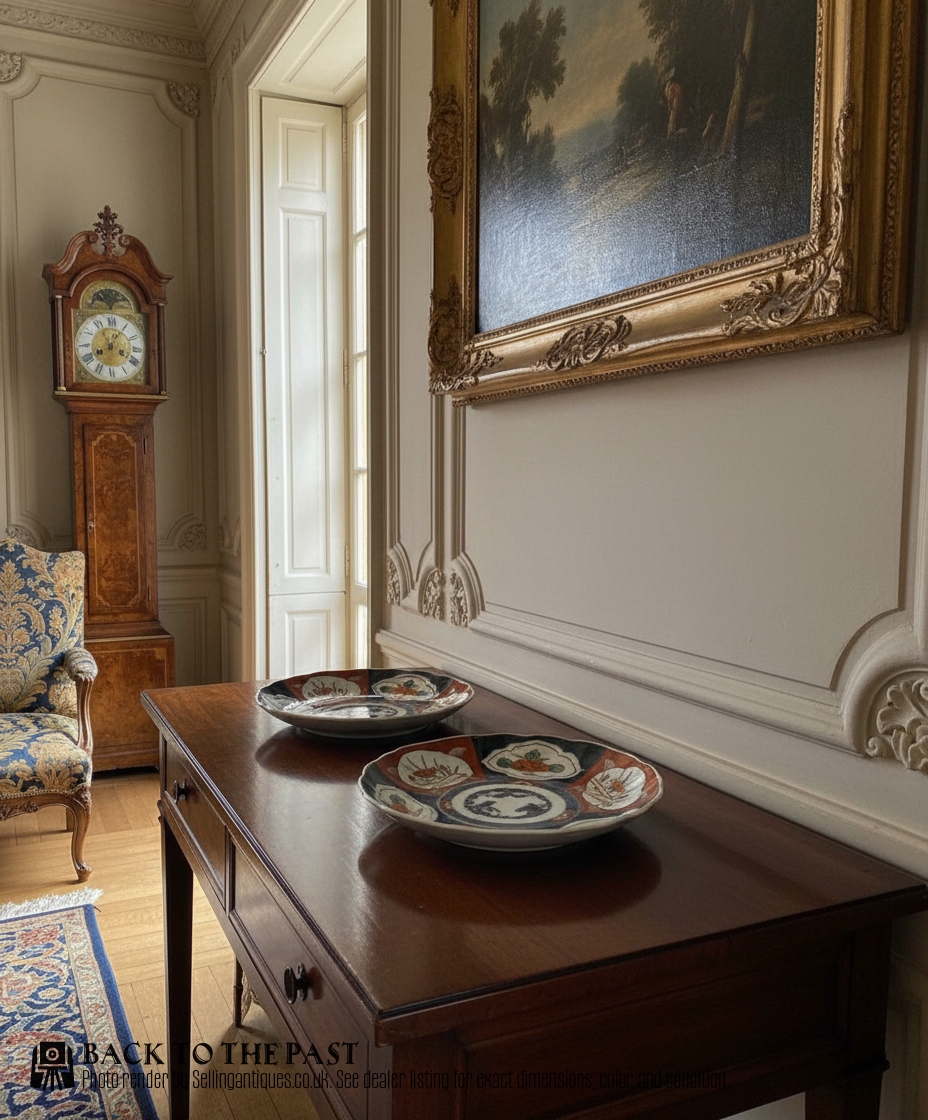
How they were made
Maker construction utilises porcelain, ironstone, and ceramic bases finished with glaze. Artisans apply enamel colours alongside gold leaf highlights to build up the complex visual layers. Hand painted details define the surface work across Japanese and Victorian examples alike.
The firing process fixes the cobalt blue underglaze before painters add the secondary enamel colours and metallic touches. This traditional method ensures durability across both Japanese imari and Mason's ironstone china pieces.
Retail Price Guide 2026
Typical UK retail prices for cobalt blue imari plates, calculated from the Sellingantiques database of over a million retail prices indexed since 2003. This retail price guide relies exclusively on Sellingantiques data; no external sources or auction records are used, so the figures do not describe the wider market.
Look closely for the unexpected black ship hiding amongst the traditional imari patterns.
What varies in quality
Quality rests in the precision of the hand painting and the crispness of the cobalt blue underglaze against the white ground. Finer examples display meticulous attention to detail in the enamel work and the sparing yet effective application of gold leaf.
The consistency of the ceramic body and the depth of the glaze further distinguish standard production from exceptional pieces. Sets and pairs maintain greater value when the decorative motifs show uniform execution across all items.
The Cobalt Blue Imari Plates Glossary
- Imari
- A style of ceramic decoration originating in Japan, characterised by a palette of cobalt blue, iron red, and gold.
- Ironstone
- A type of heavy, durable ceramic patented in the nineteenth century as a tough alternative to porcelain.
- Enamel
- Opaque glass applied to the fired ceramic surface to add secondary colours to the design.
- Gold leaf
- Beat gold applied in thin sheets to highlight specific areas of the pattern.
Frequently Asked Questions
Are imari plates meant for dining?
These pieces function primarily as decorative plates and visual centrepieces rather than practical tableware for daily meals.
Their hand painted enamel surfaces and delicate gold leaf details are best preserved through careful display on walls or in cabinets.
How do I date an imari plate?
Dating relies on examining the ceramic body, the style of the hand painting, and any associated maker marks where present.
Pieces on this page span the nineteenth century, including specific items from eighteen sixty and nineteen hundred.
What is the difference between Japanese and British imari?
Japanese examples emerge from Edo and Meiji traditions utilising porcelain bases with traditional motifs.
British makers such as Mason's adapted the aesthetic onto ironstone bodies with patterns like the old school house design.
How should I clean these plates?
Dusting gently with a soft, dry cloth is the safest way to maintain the surface without risking the enamel or glaze.
Water and chemical cleaners can damage delicate gold leaf and hand painted details over time.