

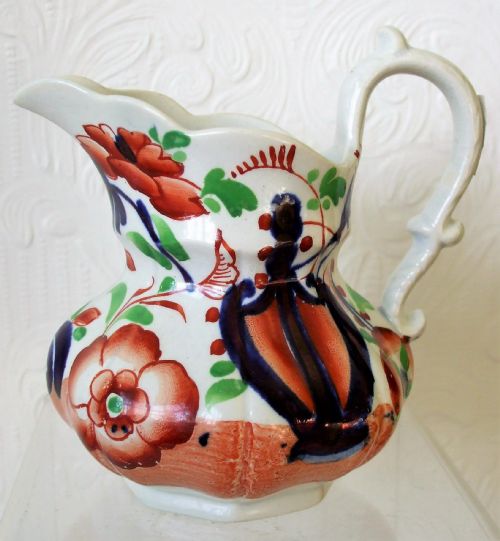
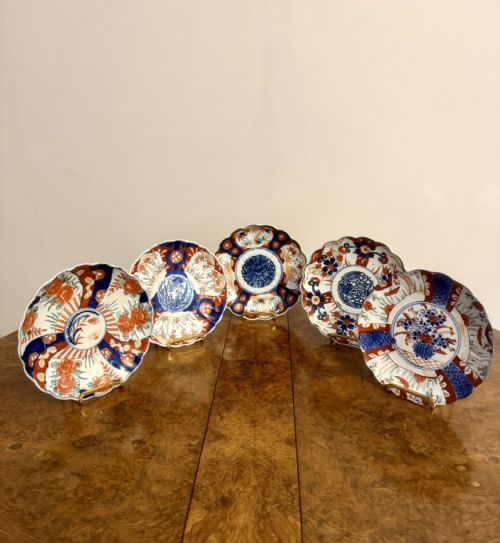
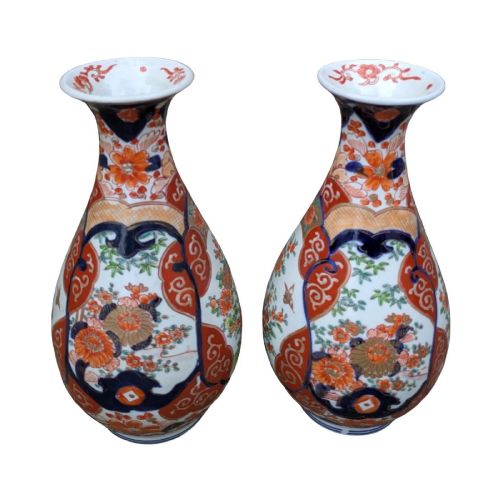
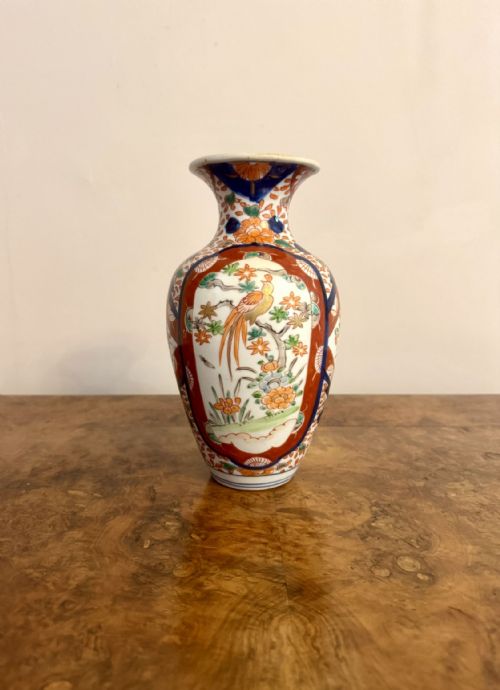
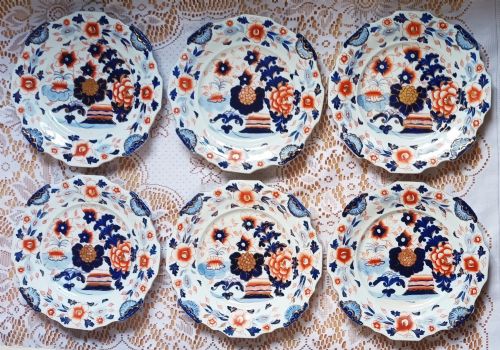


Hand Painted Imari China
When you collect hand painted imari china, you seek vibrant porcelain vessels carrying traditional Japanese and European export motifs.
Hand Painted Imari China
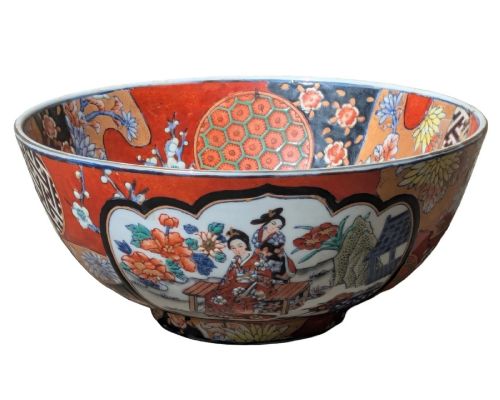
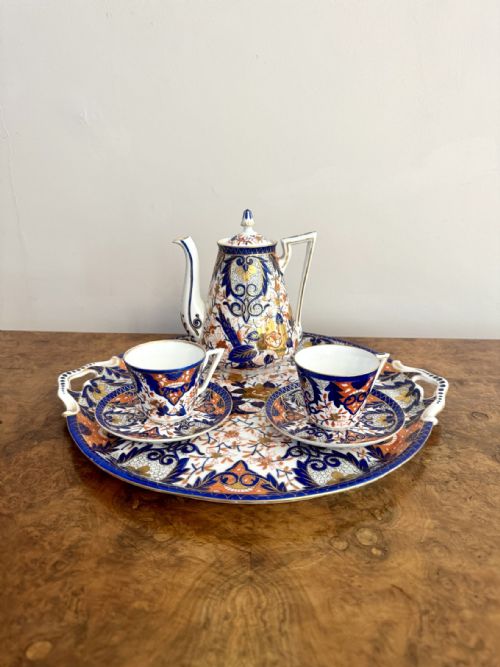
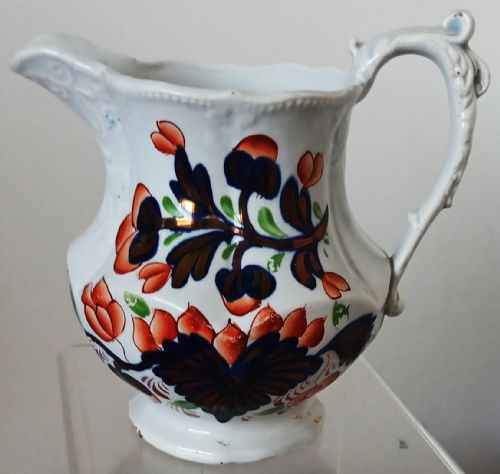
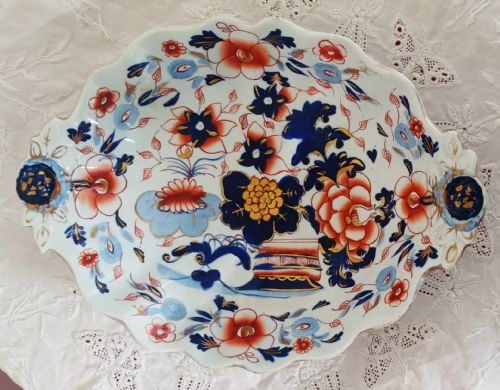
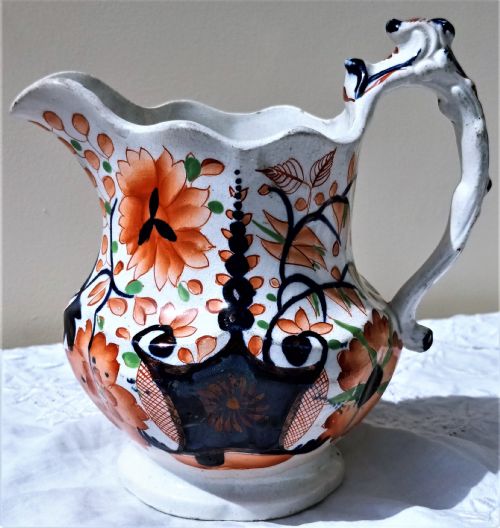
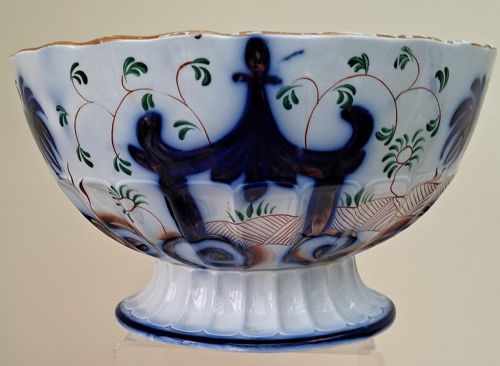
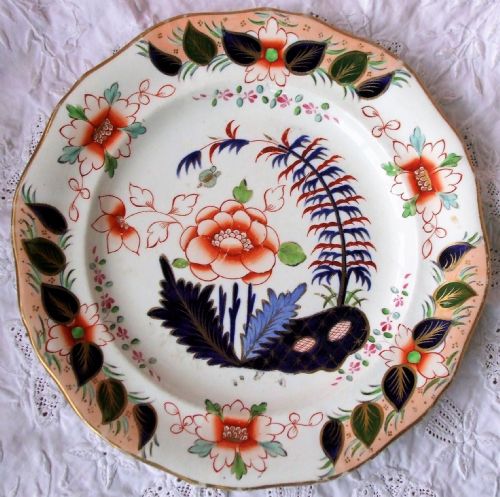
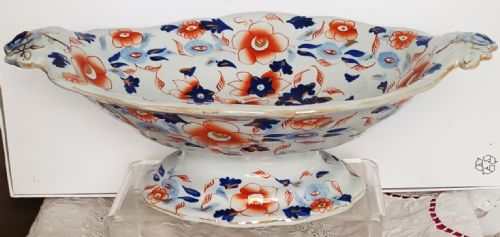
Hand painted imari china encompasses decorative plates, bowls, vases, and teacups originating from Japanese export kilns and European factories inspired by Eastern designs.
The selections on this page span the eighteenth, nineteenth, and early twentieth centuries, incorporating both authentic Japanese Edo and Meiji wares alongside English interpretations from Georgian and Victorian makers.
Buyers commonly encounter decorative plates and footed bowls featuring compartmentalised iron-red, cobalt blue, and gilt palettes.
How they were made
Potters shaped porcelain, ironstone, and earthenware bodies before applying underglaze cobalt blue and vibrant overglaze enamels by hand.
Many items incorporate gold leaf or gilt highlights fixed through secondary firing stages to enrich the surface decoration.
Listings feature items spanning the eighteenth century through to the nineteen-thirties, utilising porcelain, ironstone, earthenware, and gold leaf.
What varies in quality
The precision of the brushwork and the complexity of the compartmentalised enamel patterns distinguish superior pieces from simpler utilitarian wares.
The crispness of the porcelain body and the richness of the applied gold leaf determine the overall visual impact of each vessel.
John Davenport of Longport·Royal Crown Derby·Chamberlain Worcester·Spode
The Hand Painted Imari China Glossary
- Imari
- A style of ceramic decoration originating from the Japanese port of Arita, characterised by cobalt blue, iron red, and gold.
- Ironstone
- A durable type of earthenware patent in the nineteenth century, often used for heavy tableware and comports.
- Comport
- A raised dish or bowl used for serving fruit or dessert during formal dining.
- Enameled
- Decorated with coloured glass fused to the ceramic surface through firing.
Hand Painted Imari China: Frequently Asked Questions
How do I clean antique imari china?
Wash porcelain gently by hand using warm water and a mild detergent. Avoid soaking pieces with delicate gold leaf or overglaze enamels.
Dry each item thoroughly with a soft cloth to protect the historic glaze surfaces from moisture damage.
Are these plates safe for food use?
Many nineteenth-century and older ceramic pieces contain metallic oxides in their hand-painted glazes. It is generally wiser to treat them as decorative objects.
Displaying them on walls or in cabinets preserves the fragile enamel and gold leaf from daily wear.
How can I tell Japanese imari from English imari?
Japanese export wares typically utilise a finer, more translucent porcelain body with distinct spur marks on the base. English factories often employed ironstone or bone china.
Motifs on English interpretations frequently blend Japanese compartmentalised layouts with European botanical or architectural elements.
What period do most imari vases belong to?
The listings feature significant numbers of vessels from the nineteenth century alongside pieces marked by early twentieth-century Japanese production.
Earlier eighteenth-century examples and Meiji period items display distinct hand-thrown potting characteristics and heavier cobalt tones.