





Oriental Porcelain Charger
An oriental porcelain charger brings centuries of skilled ceramic artistry and bold painted detail directly onto a large display surface.
Oriental Porcelain Charger
When searching for an oriental porcelain charger, a buyer encounters large decorative plates and platters originating from Chinese and Japanese kilns. These substantial serving and display pieces span periods from the seventeenth century through to the early twentieth century.
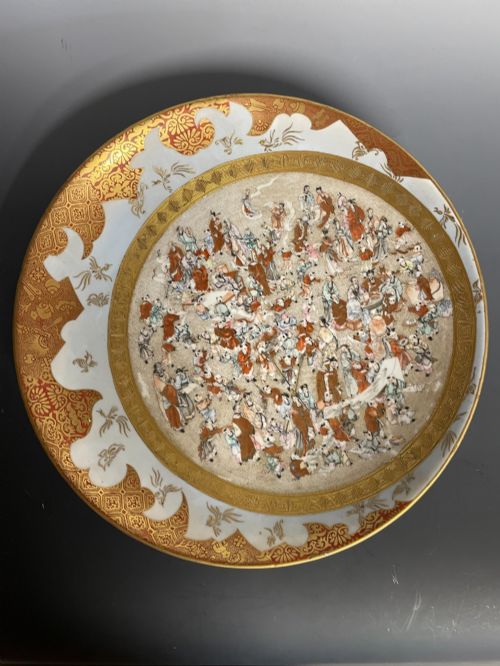
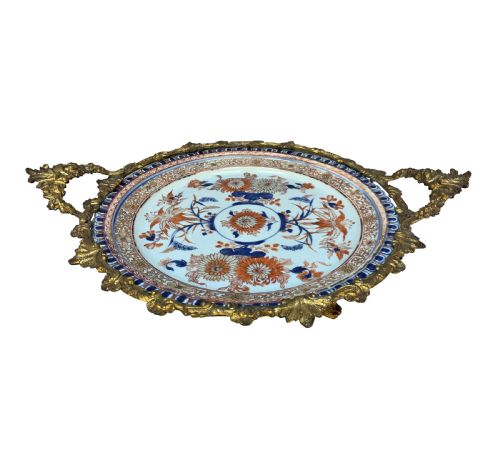
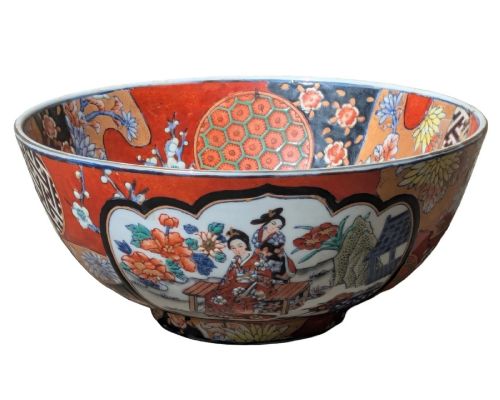
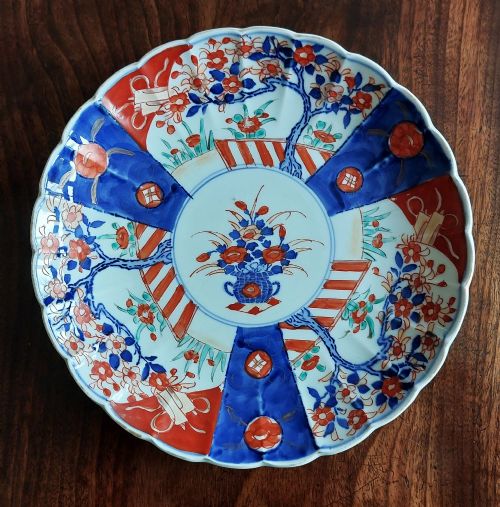
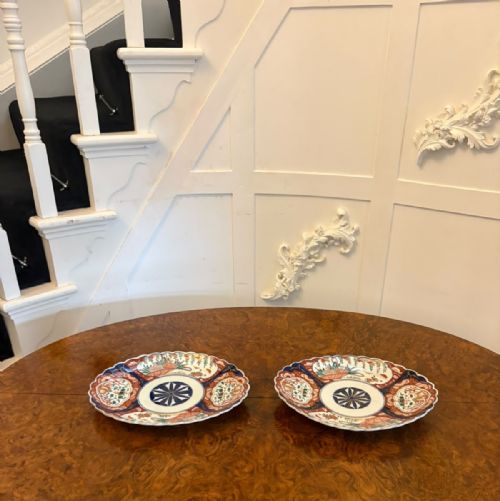
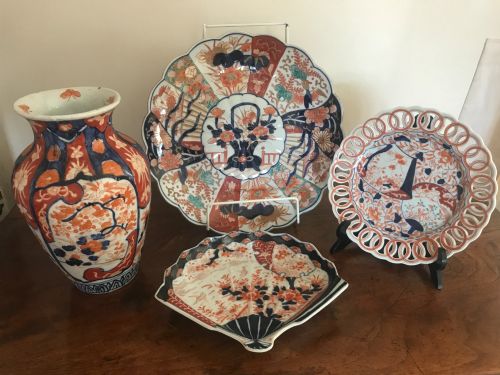
The version most commonly met on this page is the Japanese Imari charger dating from the Meiji period or around nineteen hundred. Such pieces frequently exhibit scalloped edges, floral patterns, and distinct bird motifs.
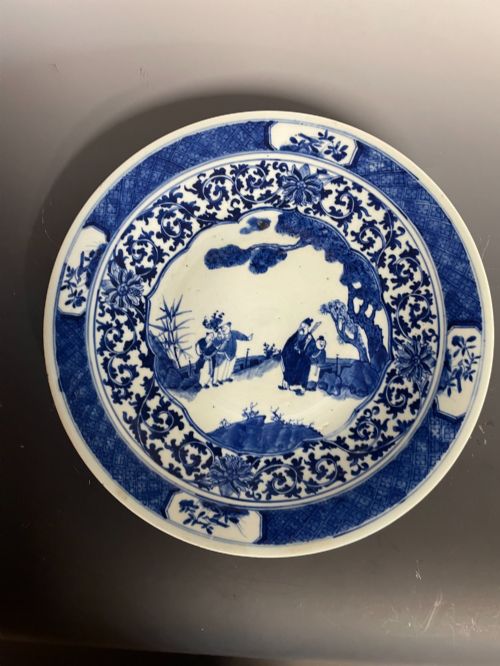
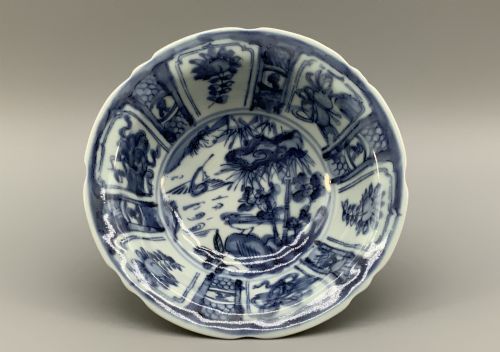
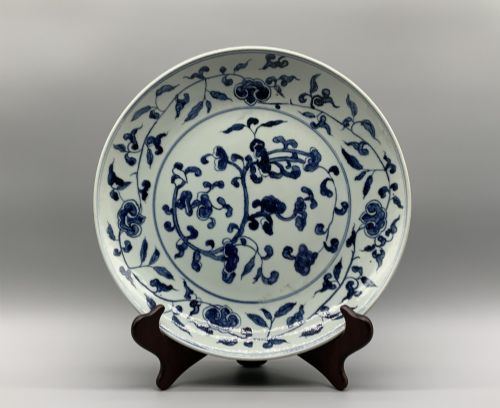
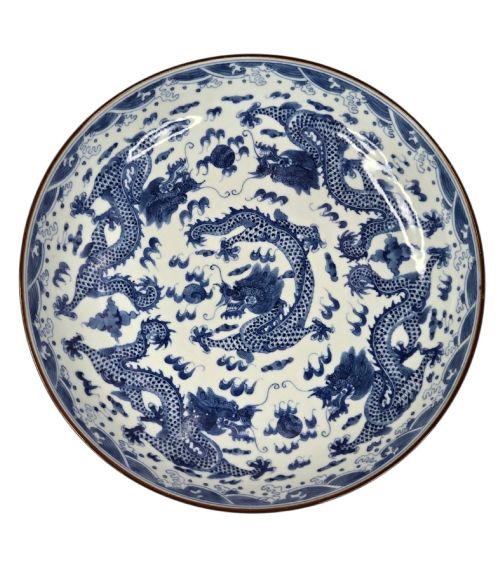
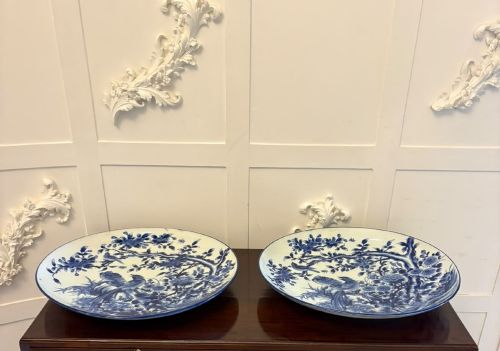
Alongside Japanese wares, the listings include Chinese blue and white porcelain chargers from the Kangxi and Qing periods, featuring intricate dragon designs or lobed bowl forms.
Materials and production
Potters shaped fine porcelain clay before applying cobalt underglaze, enamel, and glaze to create durable white ceramic foundations. Artisans then hand-painted complex floral, animal, and abstract scenes onto the hardened surfaces.
Many items incorporate gold leaf, gilding, or ormolu mounts to highlight specific decorative borders and edges. These metallic additions provide rich contrast against the deep blues and reds of the painted ceramic bodies.
Oriental Porcelain Charger Retail Price Guide 2026
Typical asking prices for oriental porcelain charger among the pieces listed under this phrase on Sellingantiques today, from the lower quarter to the upper quarter. They describe what is for sale here now, not the wider market.
The site listings feature porcelain, enamel, gold leaf, and cobalt underglaze across eighteenth and nineteenth-century periods.
Assessing the craftsmanship
The standard of an oriental porcelain charger depends upon the precision of the hand-painted brushwork and the vibrancy of the cobalt underglaze and enamel colours. Superior examples display crisp definition in complex motifs such as dragons, exotic birds, and floral arrangements.
The complexity of the ceramic form also dictates worth, with scalloped, lobed, hexagonal, or square shapes requiring greater technical skill from the potter. Furthermore, the integration of supplementary elements like ormolu mounts elevates certain pieces above standard decorative tablewares.
Koshida
The Oriental Porcelain Charger Glossary
- Charger
- A large decorative plate or platter traditionally used for ceremonial display rather than everyday dining. These items measure significantly larger than standard dinner plates.
- Imari
- A traditional Japanese style of porcelain featuring a distinct palette of cobalt blue, iron red, and gilt highlights. Pieces in this style originate primarily from the Arita region.
- Underglaze
- A method of decorating pottery before the final glaze application and firing process. This technique ensures the painted design remains permanent and protected beneath a glossy surface.
- Moriage
- A Japanese ceramic decorating technique where enamel is applied in raised dots or lines to create a textured, tactile surface. This method frequently appears on Satsuma ware.
- Orlomou
- Gilt bronze mounts fitted to decorative ceramics, particularly popular during European adaptation periods. These metal additions frame and support the porcelain body.
Oriental Porcelain Charger: Frequently Asked Questions
How were oriental porcelain chargers used?
These large ceramic vessels served primarily as grand display pieces on tables or sideboards rather than functional dining ware. Wealthy households utilised them to showcase elaborate artistic designs and status.
Over time, collectors transitioned them into wall-hung decorations or cabinet centerpieces to preserve their hand-painted surfaces.
How do I tell Chinese from Japanese pieces?
Chinese chargers from periods like the Kangxi or Qing dynasties frequently feature deep cobalt blue and white motifs, including five-clawed dragons and botanical scenes. Japanese pieces, particularly Imari works from the Meiji era, commonly combine iron red, cobalt blue, and gilding.
Examining the underlying clay body, glaze texture, and specific painting styles helps confirm the geographic origin of each ceramic.
What is the Meiji period?
The Meiji period represents an era in Japanese history spanning from eighteen sixty-eight to nineteen twelve, marked by extensive international trade and artistic export. Ceramics produced during this time often exhibit highly detailed hand-painted flora and fauna.
Chargers from this timeframe frequently display vibrant Imari or Satsuma aesthetics aimed at Western collectors.
How should I clean my charger?
Dust the porcelain surface gently with a soft, dry cloth to remove accumulated particles without risking the painted enamel or gilding. Avoid using chemical cleaners, abrasive sponges, or immersion in water.
Display the charger away from direct sunlight and areas prone to sudden temperature fluctuations to protect the glaze.