







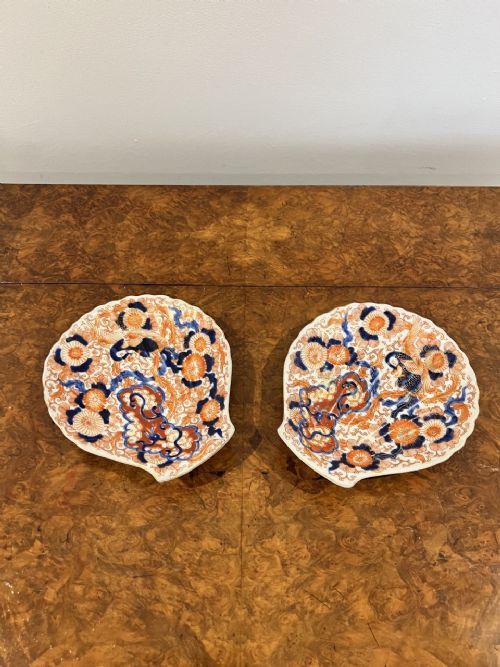
Japanese Porcelain Plate
A japanese porcelain plate brings centuries of hand-painted artistry into the home, offering bold cobalt and iron red colour palettes that collectors display on walls and cabinets.
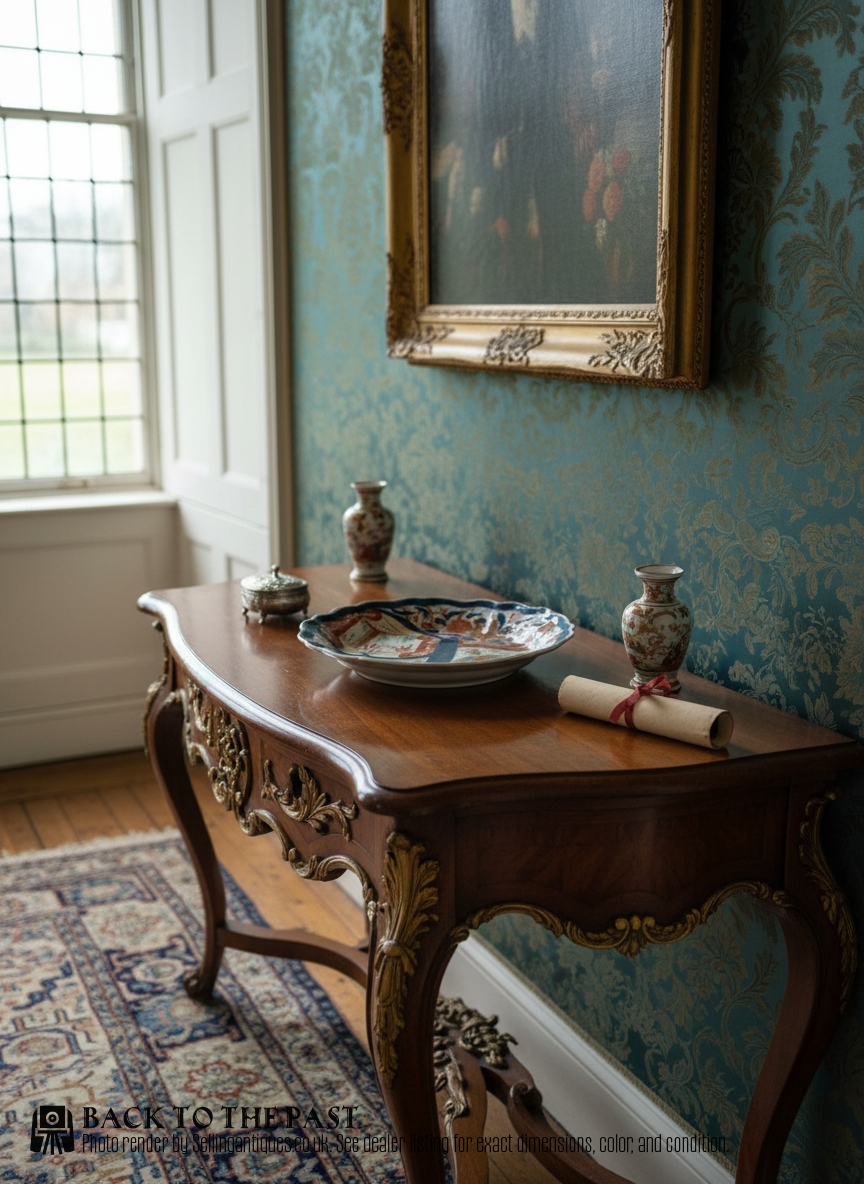
Japanese Porcelain Plate
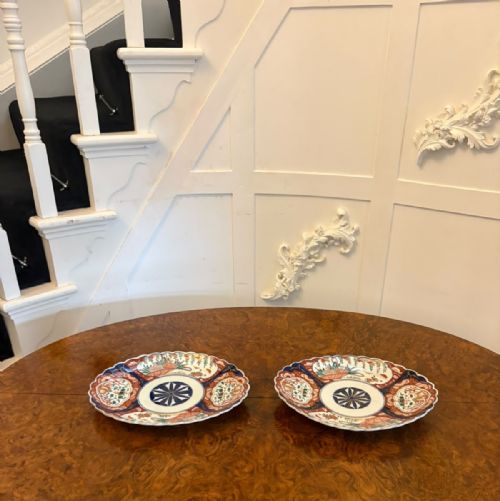
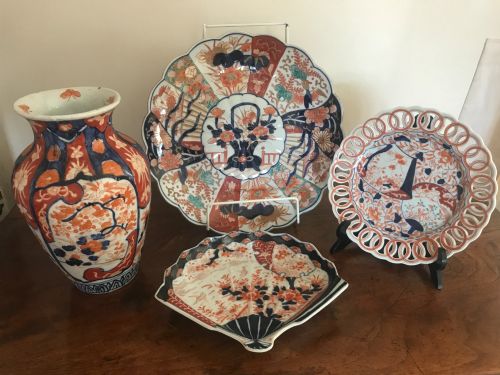
When searching for a japanese porcelain plate, buyers encounter a rich variety of forms including large chargers, scalloped cabinet dishes, and shaped plates. These items originate predominantly from the Meiji period and the nineteenth century, reflecting traditional export and domestic production.
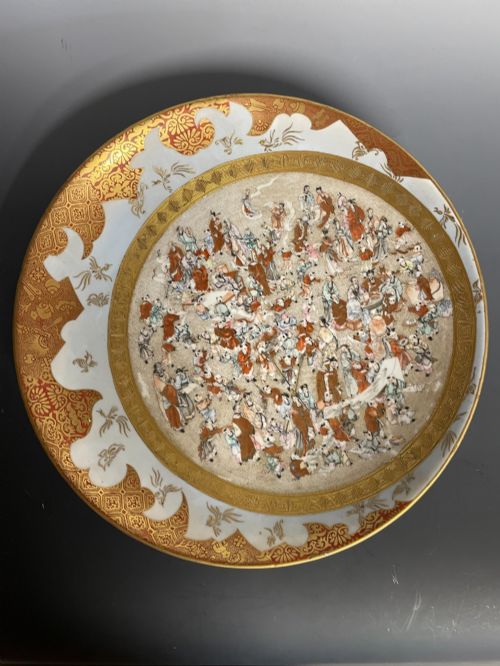
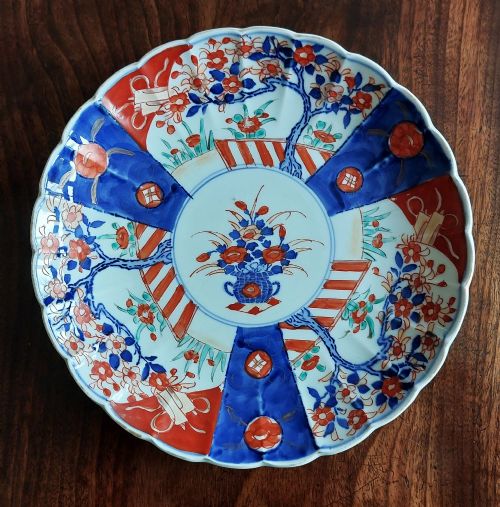
The selection ranges from traditional Imari blue and white designs to Satsuma earthenware and delicate Arita wares. Many examples feature bird, floral, and landscape motifs executed with meticulous brushwork.
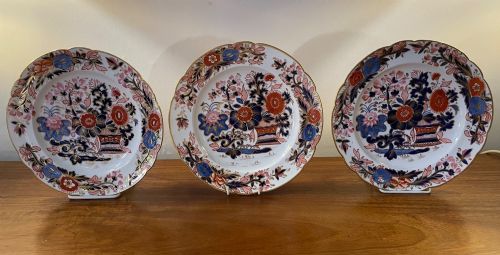
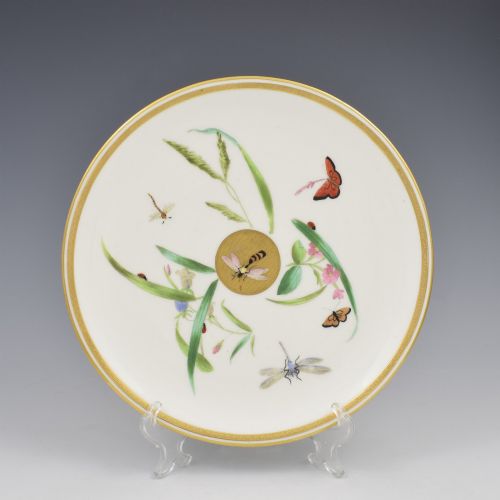
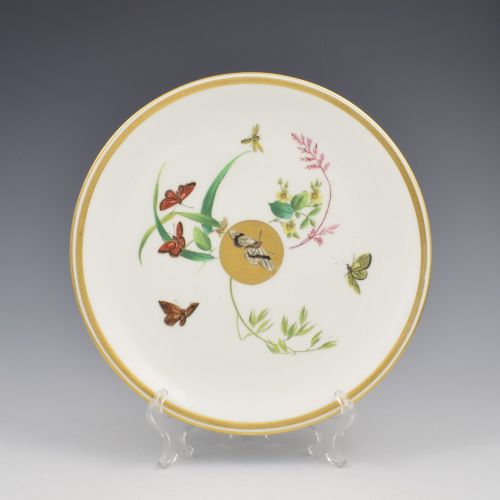
Most pieces met on this page date from the late nineteenth century, spanning the Edo and Meiji eras, alongside select Victorian British interpretations inspired by Japanese aesthetics.
How they were made
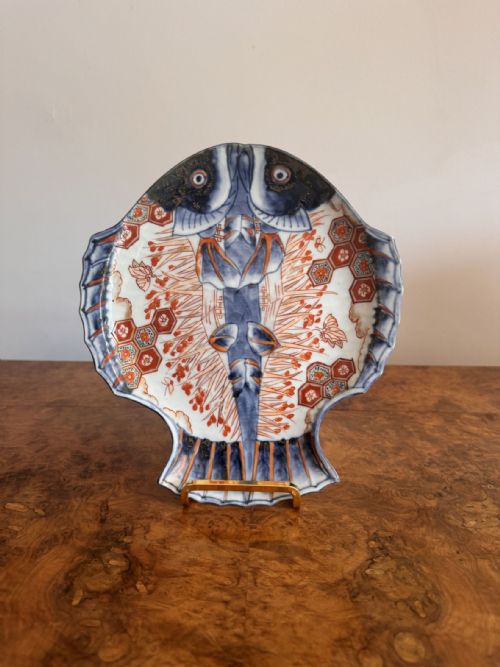
Potters utilised fine porcelain and earthenware bodies, shaping them into rounds, ovals, squares, and fish forms before applying cobalt underglaze pigments. Artisans then added details using enamel and gold leaf to create the characteristic rich palette.
Firing took place in traditional kilns, after which gilding and fine decorative lines were hand-painted onto the glaze. This combination of cobalt underglaze and overglaze enamel work defined the durable finish of these vessels.
Japanese Porcelain Plate Retail Price Guide 2026
Typical asking prices for japanese porcelain plate among the pieces listed under this phrase on Sellingantiques today, from the lower quarter to the upper quarter. They describe what is for sale here now, not the wider market.
Fish-shaped plates prove that nineteenth-century potters enjoyed serving visual puns alongside their cobalt blue landscapes.
What varies in quality
The standard of painting sets the finest pieces apart from ordinary examples, with crisp, detailed brushwork on birds, flowers, and geometric borders indicating superior craftsmanship. Weight, balance, and the precision of the scalloped or moulded edges also reveal the skill of the original workshop.
The richness and preservation of the enamel and gilding dictate the visual impact of each dish, with well-preserved metallic leaf and vibrant underglaze cobalt commanding greater attention from collectors.
Koshida·Minton
The Japanese Porcelain Plate Glossary
- Imari
- A traditional style of Japanese porcelain featuring a distinct palette of cobalt blue, iron red, and gilt highlights. These pieces were exported in large quantities to Europe from the port of Imari.
- Arita
- The Japanese town renowned as the birthplace of Japanese porcelain production. Kilns in this region produced the durable blue and white and polychrome wares seen today.
- Meiji Period
- The era in Japanese history spanning from eighteen sixty-eight to nineteen twelve, noted for the opening of trade with the West and prolific ceramic output. Pieces from this time often display intricate hand-painted detail.
- Charger
- A large decorative plate intended primarily for display on a sideboard or wall rather than for dining use. These substantial vessels often showcase the most ambitious artistic designs.
- Satsuma
- A type of earthenware with a fine crackle glaze, typically decorated with elaborate polychrome enamels and gilding. Originating in the Satsuma Province, these pieces became highly popular in the West.
Japanese Porcelain Plate: Frequently Asked Questions
How were japanese porcelain plates used?
While originally created for dining and decorative presentation, many larger chargers and plates were made specifically for export to Western markets.
Over time, collectors favoured displaying these colourful vessels on walls or within cabinets to protect their delicate enamel and gilding.
How do I identify a meiji period plate?
Meiji period items often display a dense combination of cobalt blue, iron red, and heavy gilding featuring floral and avian motifs. The paste and glaze show the refined techniques developed during the late nineteenth century.
Examining the foot ring and the precision of the hand-painted brushwork helps confirm this era of production.
What is the difference between imari and arita?
Arita refers to the geographical region in Japan where the porcelain clay was mined and fired. Imari is the style and port name associated with the distinctive blue, red, and gold decorated wares shipped abroad.
All Imari porcelain is essentially Arita ware, decorated in that specific traditional palette.
How should I display a charger plate?
Charger plates are best mounted using secure wall hangers designed specifically for heavy porcelain or displayed upright in sturdy cabinet grooves. Keeping them away from direct sunlight preserves the vibrant overglaze enamels.
Ensure the wall fixings are strong enough to support the substantial weight of large nineteenth-century pieces.