

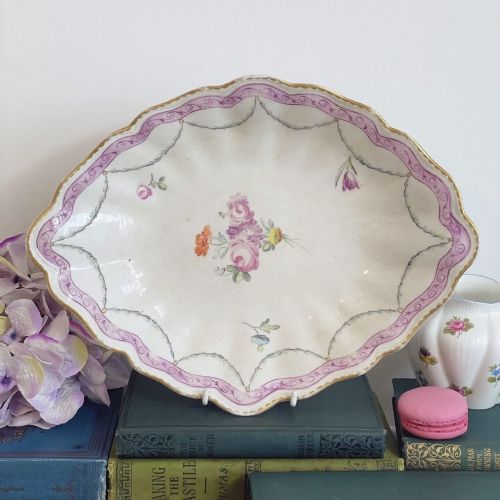

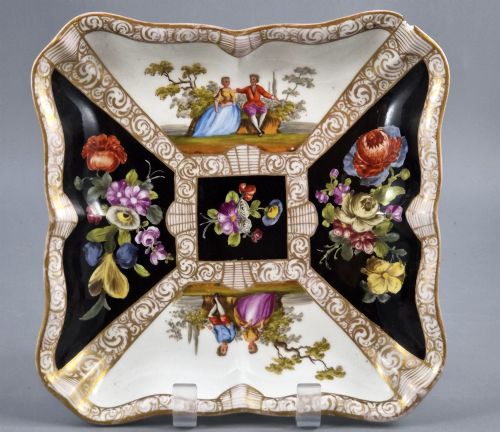
Hand Painted Plate
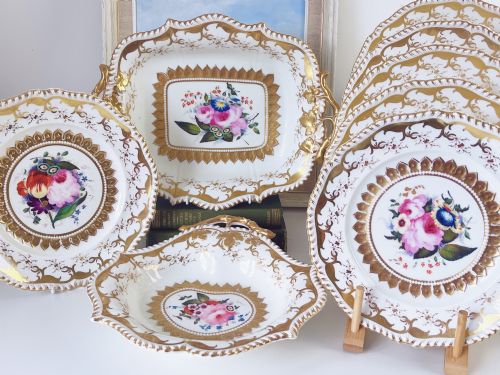
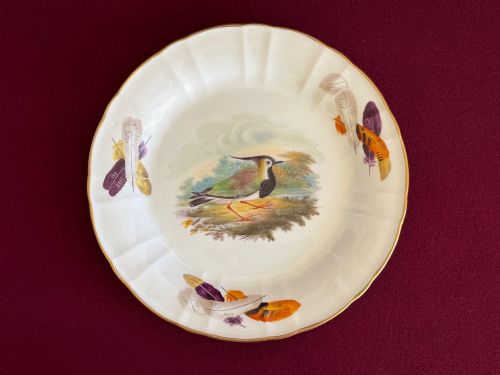
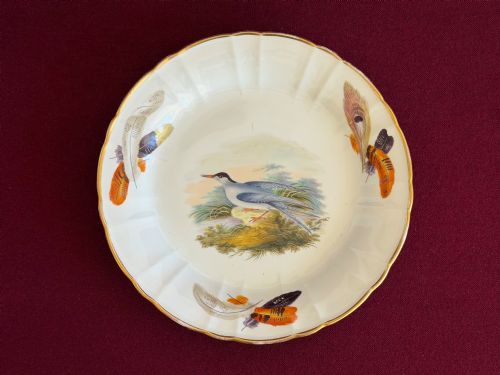
These hand painted plate examples bring together centuries of delicate brushwork, precious gilding and fine ceramic forms.
What They Are
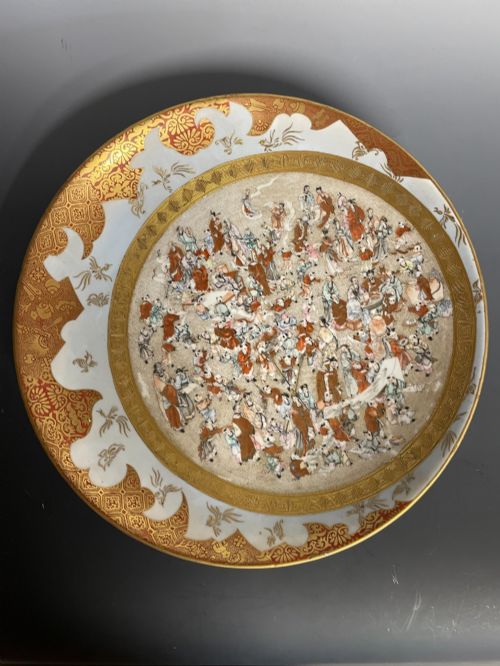
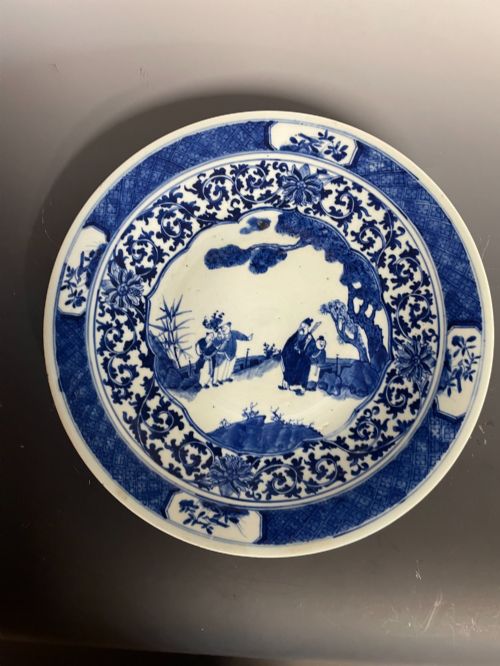
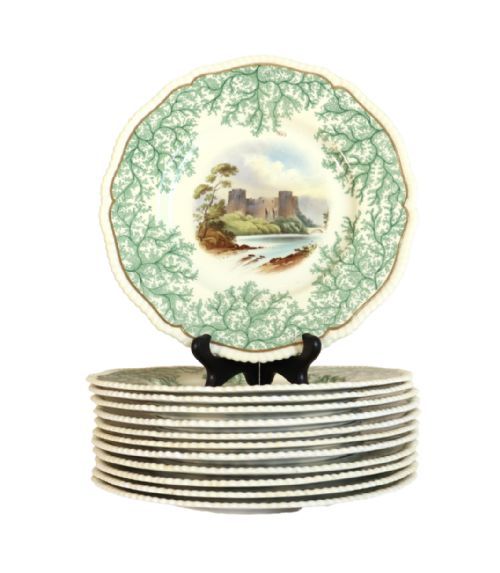
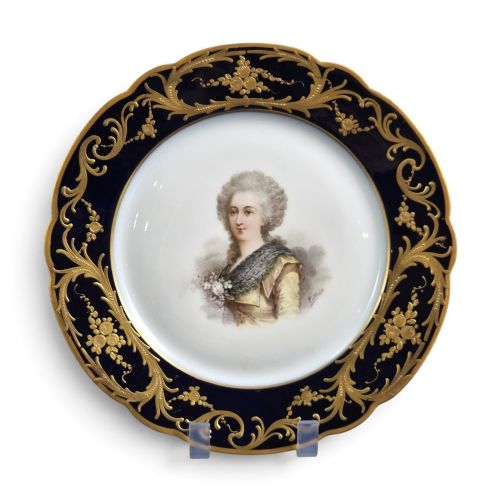
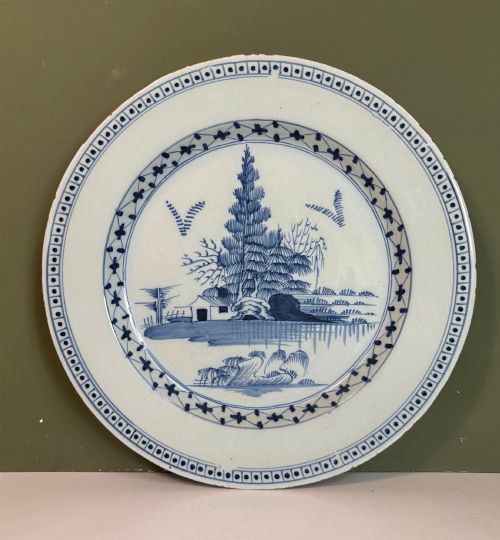
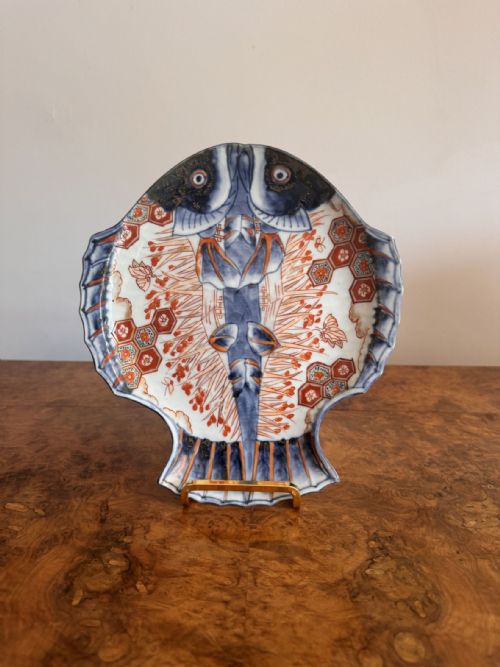
A hand painted plate brings together centuries of ceramic artistry, functioning primarily as a decorative dish or cabinet plate rather than everyday tableware. When searching for a hand painted plate, collectors encounter diverse forms ranging from Victorian English bone china to French porcelain and Japanese Imari wares.
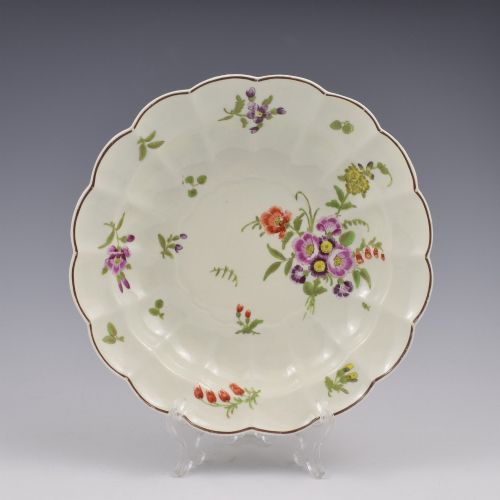
The selection on this page spans periods from the Georgian era through the Victorian period, Edwardian times, and into the nineteen twenties. Forms vary from simple earthenware dishes to elaborate dessert plates and cabinet pieces painted with floral, landscape, or figural subjects.
How They Were Made
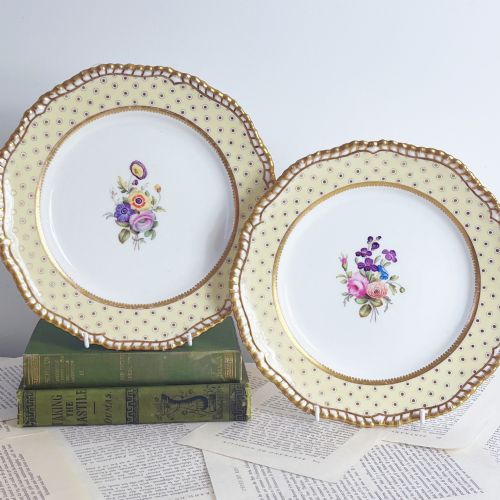
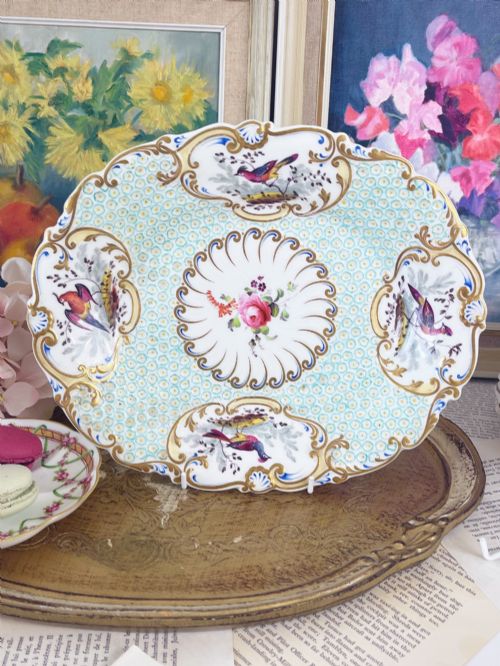
Makers utilised fine porcelain, bone china, earthenware, and creamware as the foundation for these works, often shaping them into shaped dessert plates or cabinet dishes. Artisans applied enamel paint by hand, building up detailed scenes of flowers, birds, portraits, or armorial motifs.
Gilt and gold leaf were frequently added to rims and borders, sometimes combined with gold gilding or silver plate mounts to enhance the visual weight of the ceramic.
Retail Price Guide 2026
Typical UK retail prices for hand painted plate, calculated from the Sellingantiques database of over a million retail prices indexed since 2003. This retail price guide relies exclusively on Sellingantiques data; no external sources or auction records are used, so the figures do not describe the wider market.
Listings feature porcelain, bone china, earthenware, and creamware across Victorian, Edwardian, and earlier periods.
What Varies in Quality
The standard of a hand painted plate rests upon the skill of the brushwork and the precision of the enamel painting. Pieces by named artists or major factories display superior draughtsmanship in facial expressions, botanical accuracy, and compositional balance.
The richness of the gilding and the purity of the porcelain body further distinguish standard production wares from exceptional cabinet pieces produced by leading European and Asian kilns.
Minton·Royal Doulton·James Rouse Jnr·Chamberlain Worcester·Noritake·Sevres·Coalport·Wedgwood·Vienna·Herend·Royal Worcester·Royal Copenhagen·Masons Ironstone·Crown Derby·Davenport·Satsuma
The Hand Painted Plate Glossary
- Cabinet plate
- A decorative plate intended for display in a cabinet rather than for table use. These pieces often feature elaborate hand painted scenes and heavy gilding.
- Bone china
- A type of soft-paste porcelain containing bone ash, developed in England to create a strong, translucent ceramic body.
- Armorial
- Bearing a coat of arms or heraldic insignia. Armorial plates were frequently commissioned by prominent families.
- Gilt
- Covered thinly with gold leaf or gold paint. Gilding adds a reflective border or accent to ceramic surfaces.
- Enamel
- A decorative glass-like substance fused to ceramic or metal through firing. Enamel paint allows for vibrant, lasting colours on painted plates.
Frequently Asked Questions
How should I display a cabinet plate?
Cabinet plates are best housed in glass-fronted display cabinets or mounted securely on walls using specialist plate hangers that distribute weight evenly.
Keep them away from direct sunlight to preserve the vibrant tones of the enamel paint and the brilliance of the gold gilding.
Can I use these plates for serving food?
Most antique decorative dishes and cabinet plates are intended for visual appreciation rather than daily dining. Older glazes and delicate overglaze enamel painting can wear down with frequent use and washing.
Gentle hand washing in lukewarm water is necessary if occasional use is preferred, avoiding dishwashers entirely.
How do I identify the period of a ceramic piece?
Makers marks stamped or painted on the underside provide the most reliable clue to a piece's origin and date. Stylistic indicators, such as Victorian floral arrangements or Aesthetic Movement Japanese influences, also help narrow down the decade.
Comparing the paste quality and painting style with documented examples from factories like Royal Worcester or Sevres confirms the timeframe.
What is the difference between earthenware and porcelain?
Earthenware is a porous, opaque ceramic fired at lower temperatures, often thicker in section. Porcelain is a dense, vitrified material that is fired at high heat and is typically translucent when held to the light.
Fine cabinet plates are almost universally made of porcelain or bone china to allow for refined forms and delicate painted details.