


Japanese Export Ceramics
Japanese export ceramics arrive from distant kilns dressed in rich glazes and gold leaf, offering timeless decorative presence for the collector's table.
Japanese Export Ceramics
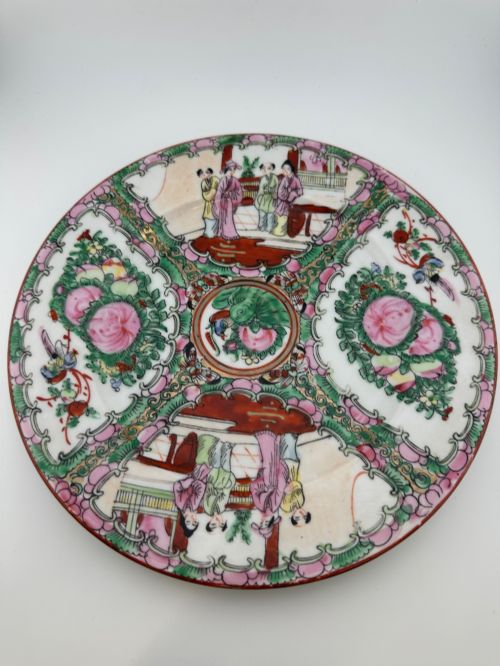
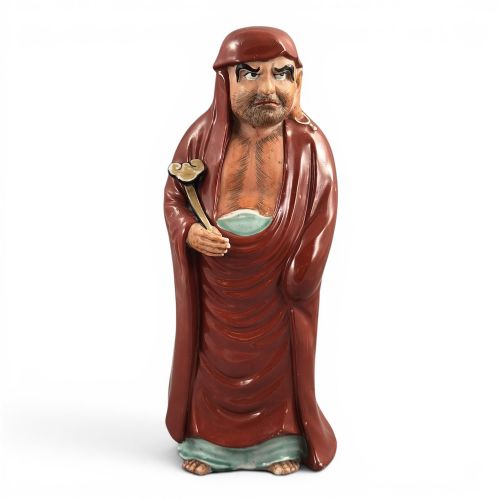
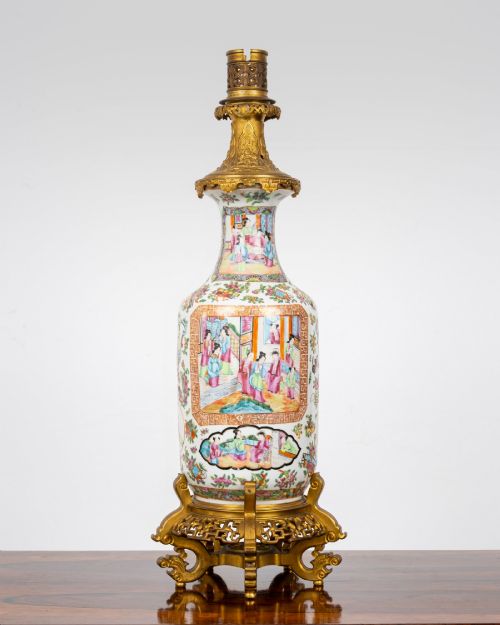
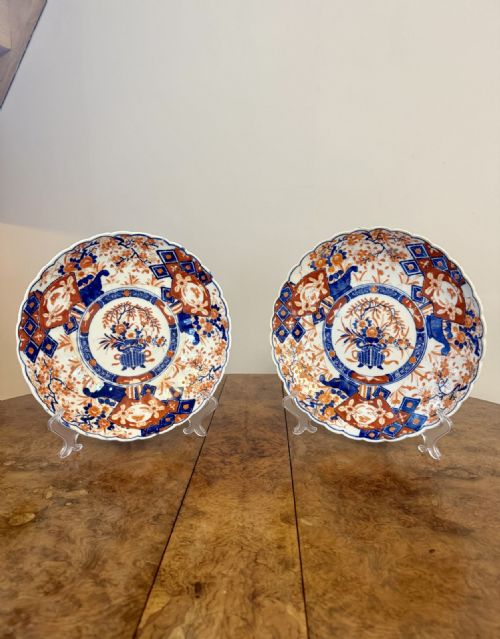
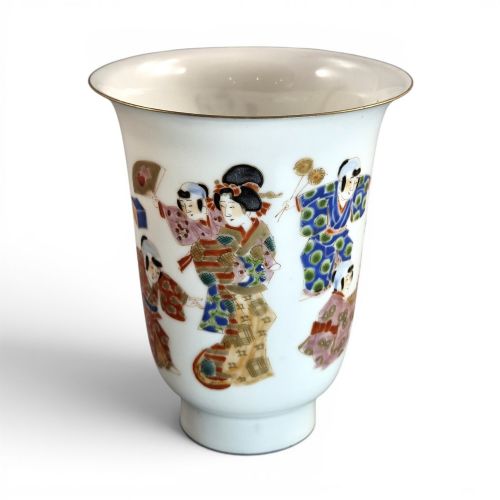
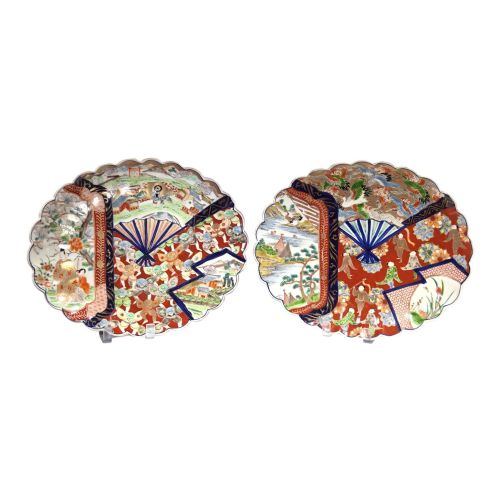
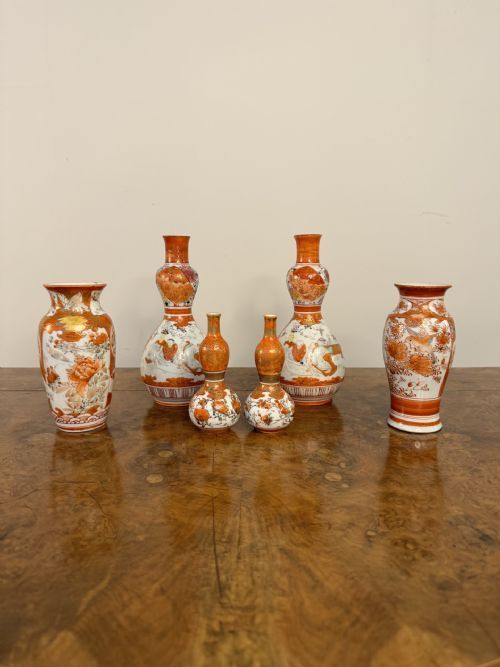
Most examples hail from the Meiji, Edo, and Taisho periods, with nineteenth and early twentieth century items appearing frequently. Buyers often encounter Imari palettes alongside intricately painted figures and landscapes on these traditional forms.
Materials and construction
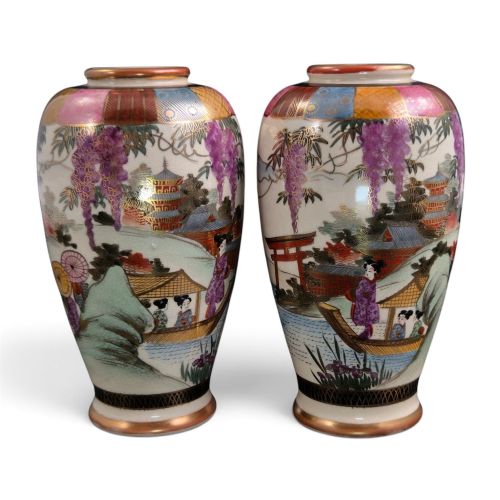
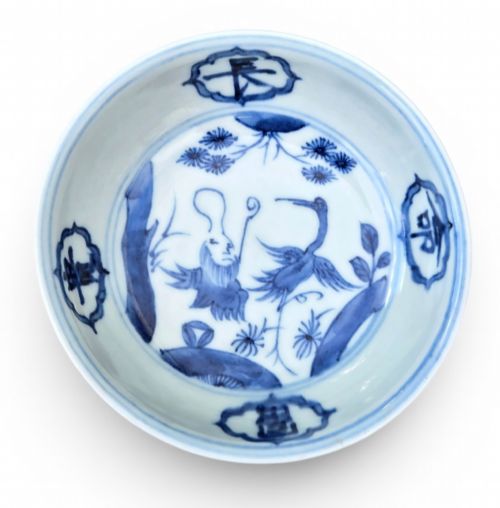
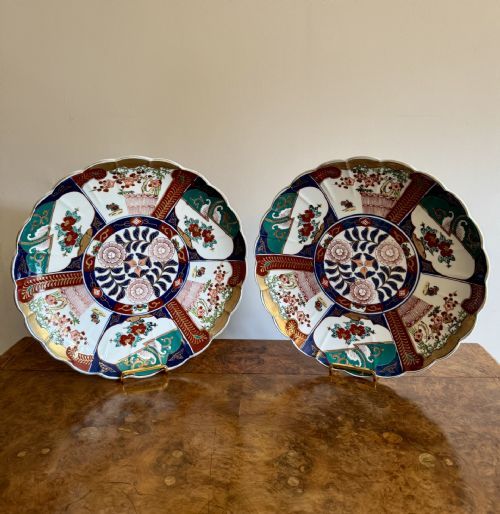
Potters shaped fine porcelain and earthenware bodies before applying detailed hand-painted designs in cobalt blue, iron red, and other enamels. Many vessels incorporate rich gilding and gold leaf highlights to accentuate the pictorial scenes.
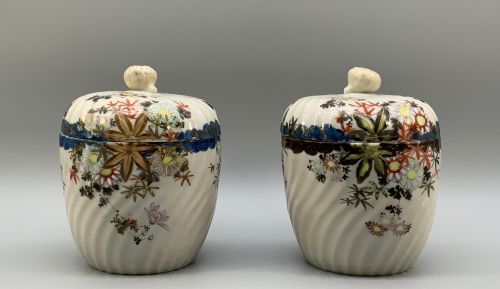
Glazing techniques vary from clear protective coats on eggshell porcelain to opaque crackle glazes characteristic of Satsuma ware. Kiln firing fixed these pigments permanently into the ceramic surface.
Japanese Export Ceramics Retail Price Guide 2026
Typical asking prices for japanese export ceramics among the pieces listed under this phrase on Sellingantiques today, from the lower quarter to the upper quarter. They describe what is for sale here now, not the wider market.
Materials documented across the inventory include eggshell porcelain, crackle glaze, and gold leaf.
Standards of craftsmanship
Excellence in these ceramics rests upon the precision of the brushwork and the complexity of the composition. Finer works display meticulous detail in figures, flora, and heraldic mon symbols without blurring or misalignment in the enamel transfer.
The weight and balance of the porcelain body, combined with the richness of the gilding, distinguish standard commercial wares from exhibition-quality pieces produced by renowned Kyoto and Kutani kilns.
The Japanese Export Ceramics Glossary
- Imari
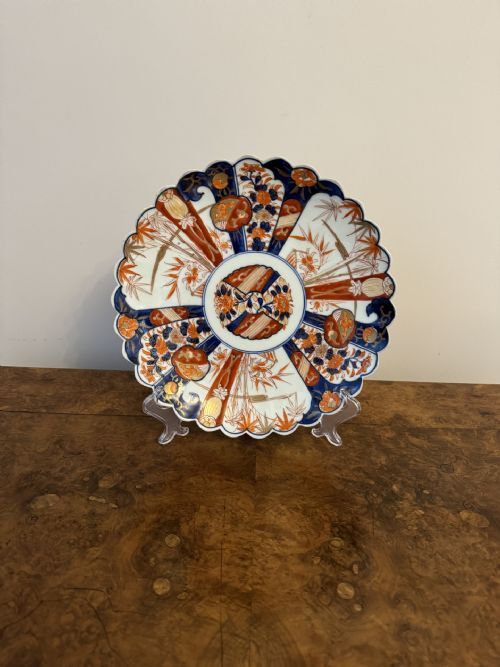
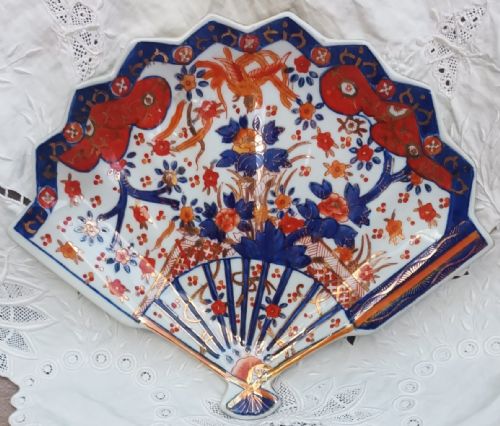
- A style of Japanese export porcelain characterised by a distinctive palette of underglaze blue, iron red, and gold. This decorative scheme originated in Hizen province and gained immense popularity in Europe.
- Satsuma
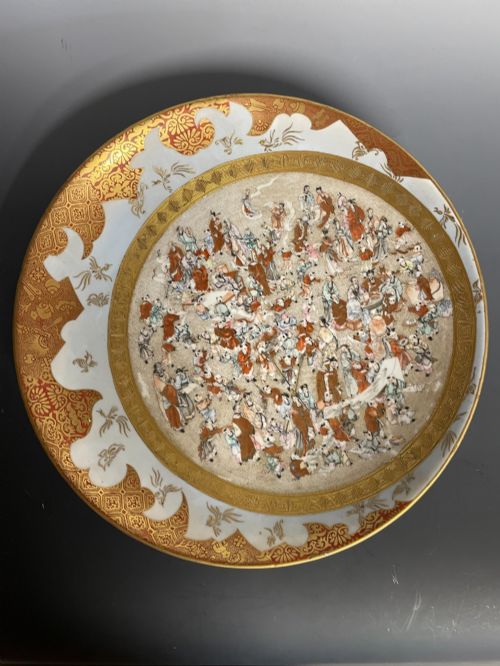
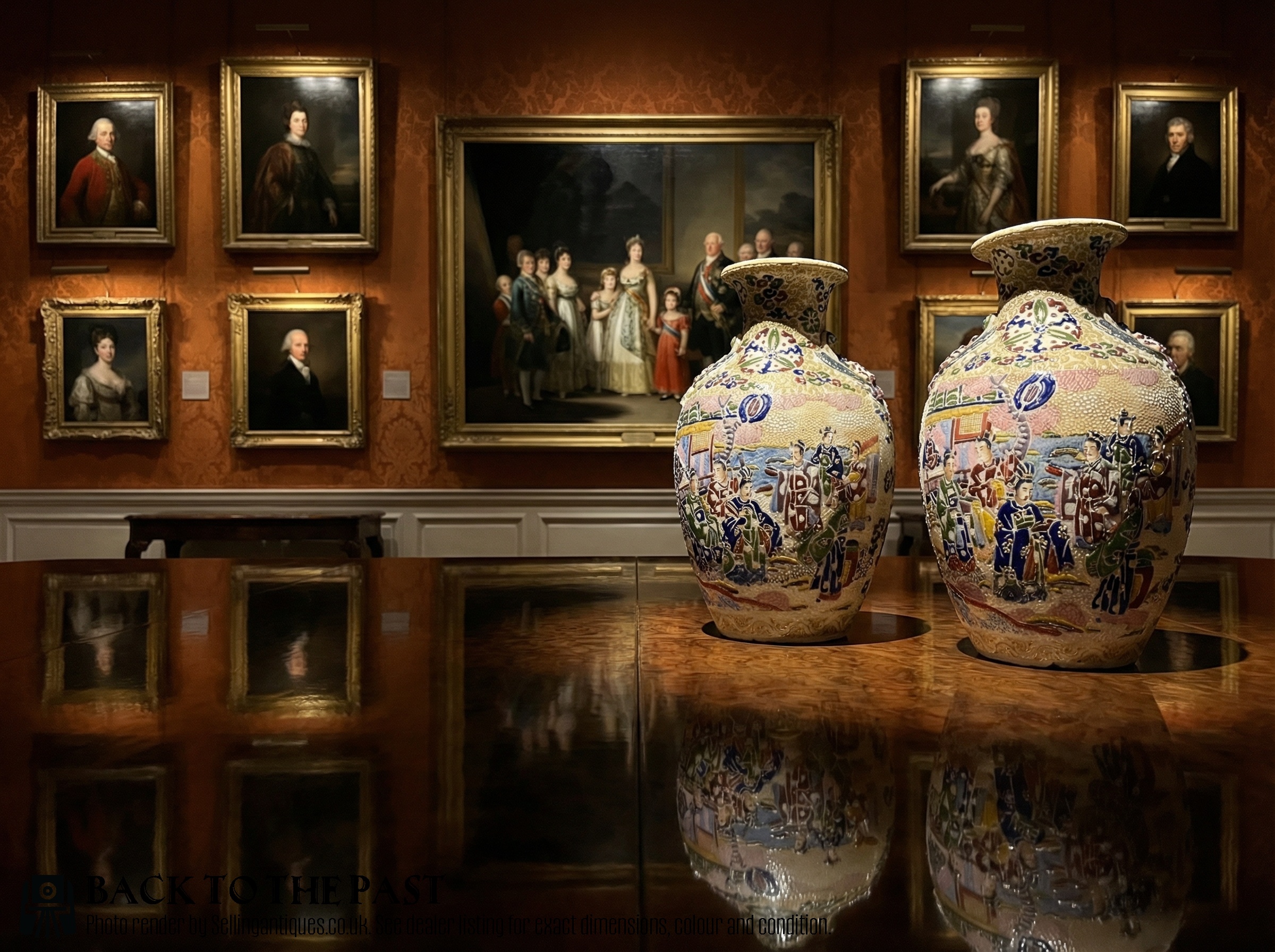
- An earthenware ceramic featuring a pale, ivory crackle glaze decorated with polychrome enamels and gilding. These pieces often depict elaborate figural scenes and historical narratives.
- Kutani
- A traditional style of coloured porcelain and pottery noted for vibrant green, yellow, purple, and red enamels. Kutani wares frequently present pictorial panels filled with birds, flowers, and figures.
- Charger
- A large decorative plate intended for display rather than dining. These substantial pieces provide a broad canvas for complex export ceramic designs.
- Okimono
- A standalone Japanese carved figure or ceramic sculpture made for display on a shelf or tokonoma alcove. These sculptural objects demonstrate the versatility of Meiji period ateliers.
Japanese Export Ceramics: Frequently Asked Questions
How do I identify Satsuma ware?
Satsuma ceramics present a distinctive creamy crackle glaze beneath intricate enamel and gilt paintings. They rely on an earthenware body rather than hard-paste porcelain.
These pieces frequently portray historical figures, warriors, and landscapes, sometimes bearing maker signatures or the Shimazu family crest.
What is Imari porcelain?
Imari porcelain refers to wares decorated in a vibrant palette combining cobalt blue underglaze with iron red and gold overglaze. Named after the port of export, these items reached European collections in large quantities during the Edo period.
The designs typically feature dense floral arrangements, geometric borders, and panels of birds or landscapes.
Are these ceramics meant for daily use?
These historical export items serve primarily as decorative objects rather than functional tableware. Their delicate enamels and gold leaf require gentle handling to prevent wear.
Displaying them on stands, in cabinets, or mounted securely protects their fragile surfaces from accidental damage.
How can I tell the period of a piece?
Dating relies on stylistic shifts, potting techniques, and any accompanying artist marks or kiln signatures. Edo period works show earlier traditional motifs, while Meiji and Taisho pieces often reflect broader international artistic exchanges.
Examining the foot ring, glaze texture, and wear patterns helps clarify the era of manufacture.