






Antique Japanese Plate
These antique japanese plate examples bring Meiji period craftsmanship and Imari porcelain directly into your home.
The Nature of Antique Japanese Plates
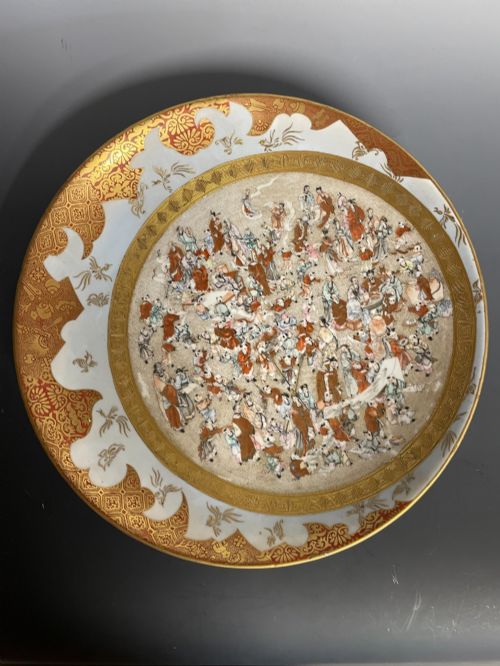
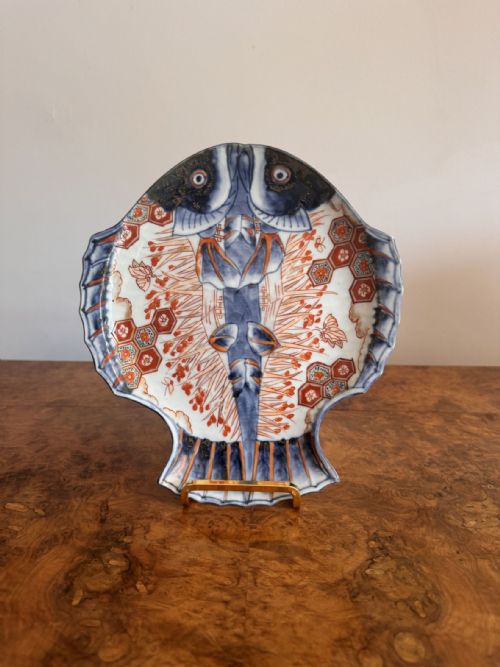
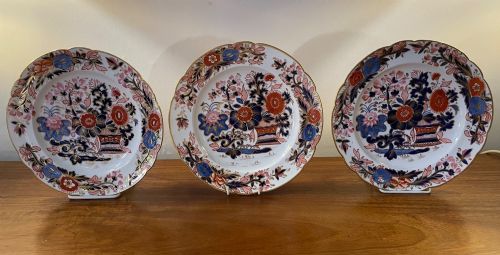
When you search for an antique japanese plate, you encounter decorative chargers, circular dishes, and unusual shapes including fan and square formats. The selection spans the nineteenth century, with strong representation from the Meiji period.
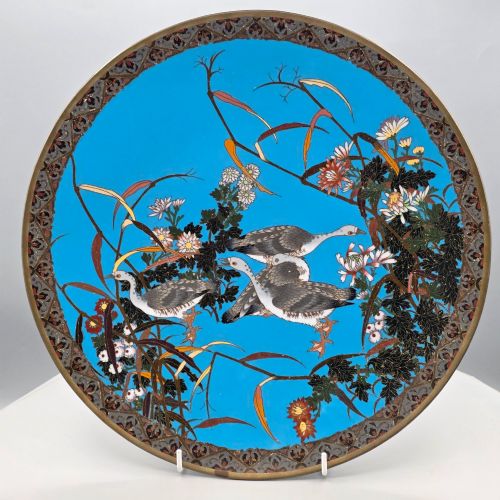
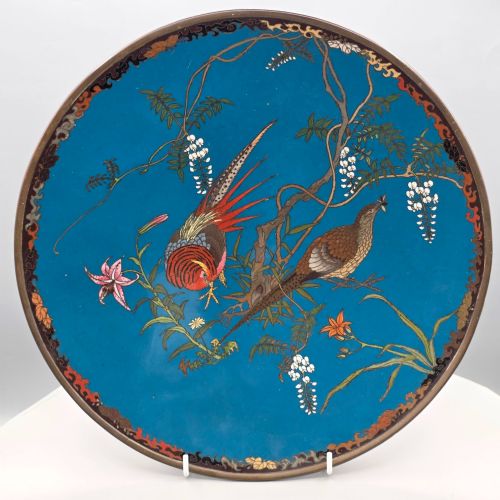
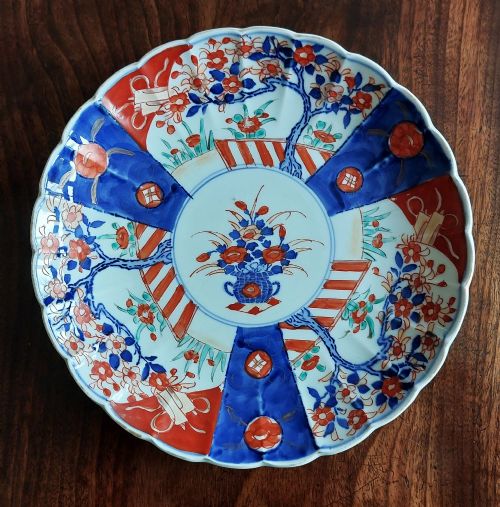
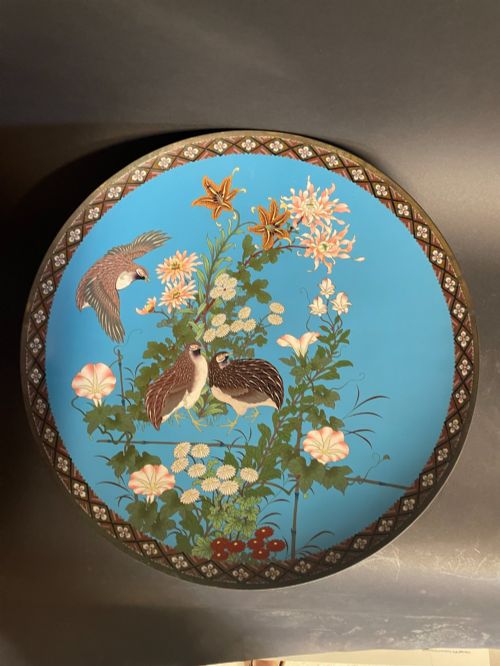
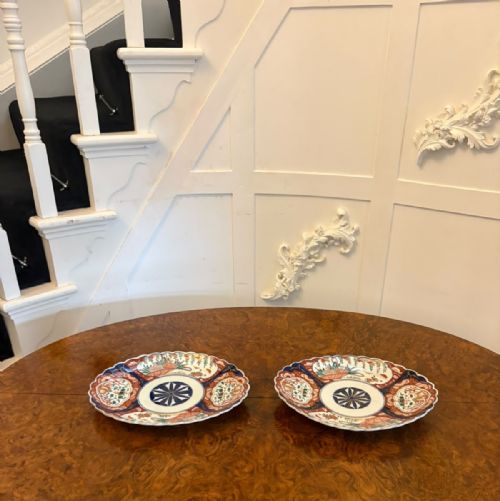
Most entries divide into two distinct aesthetic traditions. You find either vibrant Japanese Imari porcelain featuring distinctive glazing or intricate cloisonne enamel chargers displaying birds, geese, and flowers.
The objects serve primarily as decorative chargers and display pieces rather than everyday tableware. Collectors encounter single plates alongside pairs, trios, and larger sets.
Distinctions in Quality
Finer examples demonstrate precision in the wirework of cloisonne chargers and exact alignment of glazes on porcelain surfaces. Scale also dictates tier, with large chargers requiring greater technical control during firing.
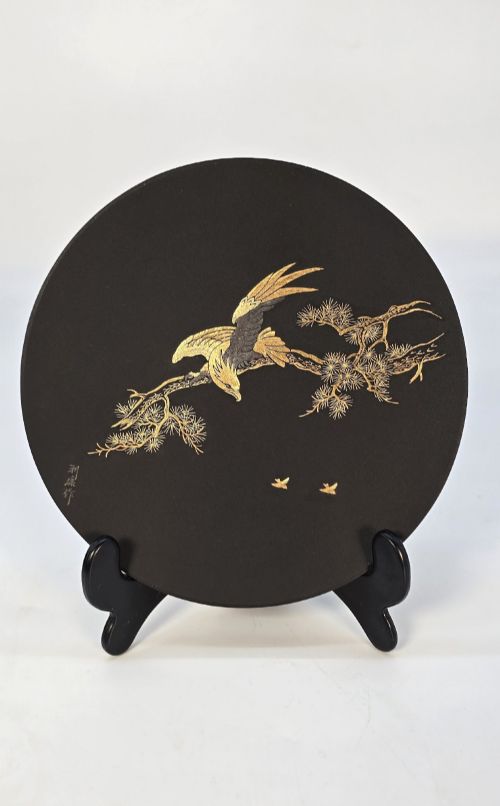
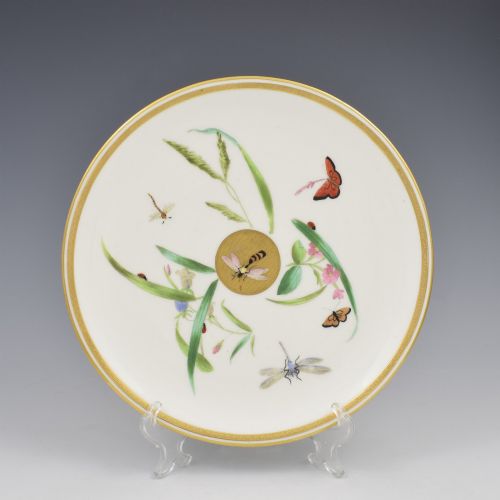
Unusual forms, such as fan-shaped or square plates, represent more ambitious workshop output than standard circular designs. The complexity of pictorial subjects, like ho-o birds and insects, separates standard production from superior work.
Retail Price Guide 2026
Typical UK retail prices for japanese plate, calculated from the Sellingantiques database of over a million retail prices indexed since 2003. This retail price guide relies exclusively on Sellingantiques data; no external sources or auction records are used, so the figures do not describe the wider market.
The material record for this phrase spans porcelain, copper, brass, bronze, enamel, and glaze.
The Antique Japanese Plate Glossary
- Imari
- Japanese porcelain decorated in underglaze blue and overglaze iron red, gold, and black. This style originated in Arita and exported extensively through the port of Imari.
- Cloisonne
- A decorative metalwork technique employing wire cells soldered to a metal base and filled with enamel. Artisans then fire and polish the surface until smooth.
- Charger
- A large ornamental plate used for display rather than for serving food at table. These pieces often measure over thirty centimetres in diameter.
- Meiji Period
- The era of Japanese history lasting from 1868 to 1912. Work from this time often shows technical mastery intended for Western export markets.
- Ho-o Bird
- A mythical Chinese phoenix adopted into Japanese decorative art. It symbolizes virtue, grace, and imperial authority.
Frequently Asked Questions
How do I hang a heavy charger?
Large chargers require specialised spring-loaded brass hangers that grip the rim securely without damaging the glaze or enamel surface.
Ensure the wall fixing engages directly into masonry or uses a secure cavity anchor to bear the substantial weight of metal and ceramic pieces.
Can I use these plates for food?
Historical decorative plates and metal cloisonne items are intended strictly for display rather than dining use. Older glazes and metal components are unsuited for modern culinary contact.
Wash surfaces only with a dry cloth or very gentle dusting rather than submerging in water, particularly with metal-framed items.
What is the difference between Imari and cloisonne?
Imari refers to glazed porcelain painted with cobalt blue and iron red pigments. It relies on ceramic firing techniques to achieve its glossy finish.
Cloisonne is a metalwork medium using wire compartments and coloured glass pastes. The two categories represent entirely different manufacturing traditions within Japanese craft.
How do I date nineteenth-century pieces?
Dating relies on stylistic markers associated with the Meiji period and specific nineteenth-century manufacturing methods. Imari wares show variations in palette and paste density across decades.
Archives and past sales records provide comparative benchmarks for identifying pieces from the 1870s, 1890s, and 1900.