







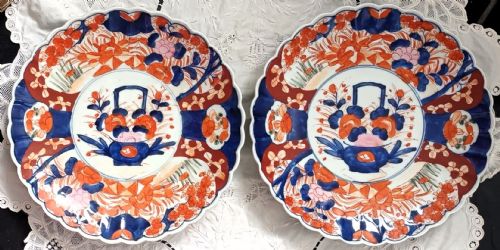
Japanese Decorative Plate
A Japanese decorative plate brings hand-painted artistry and intricate cloisonne enamelwork into your home, offering centuries of cultural heritage.
Understanding Japanese Decorative Plates
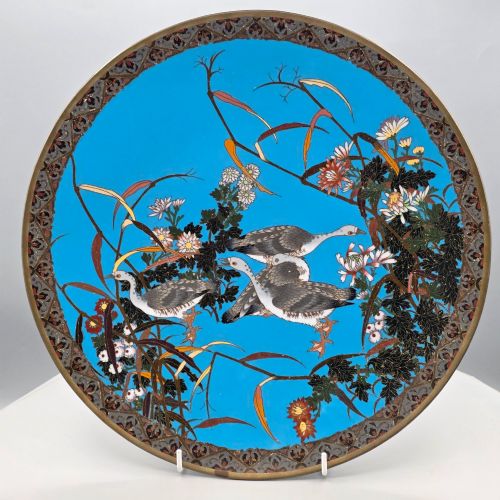
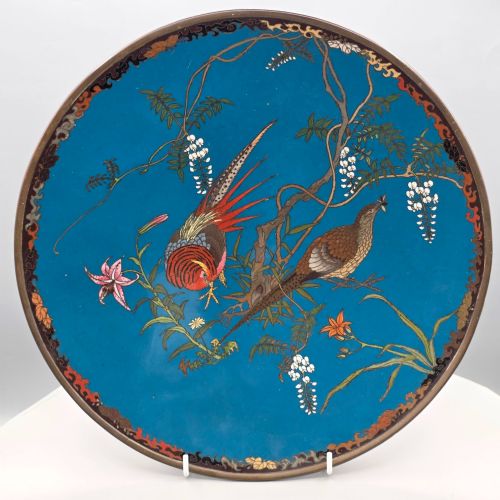
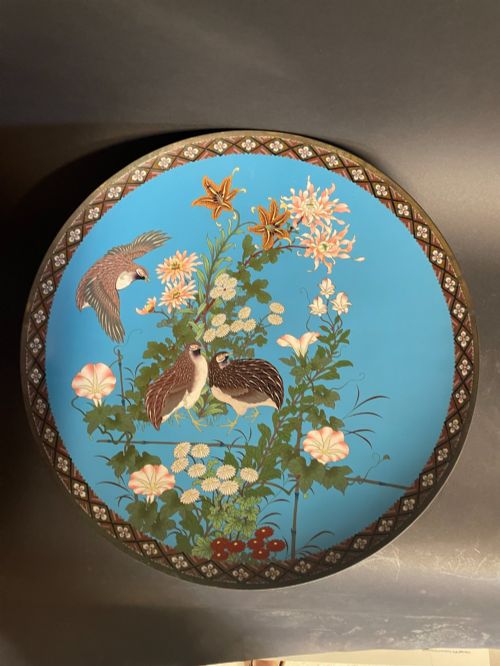
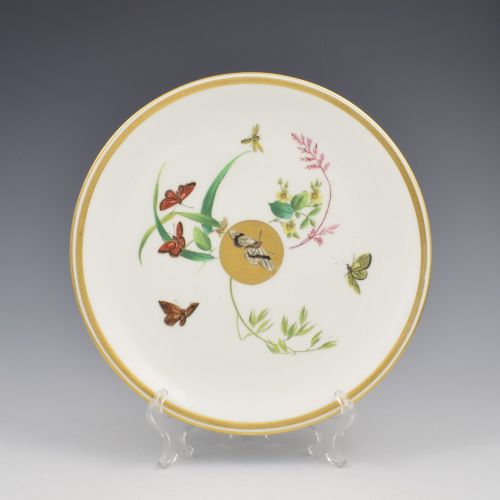
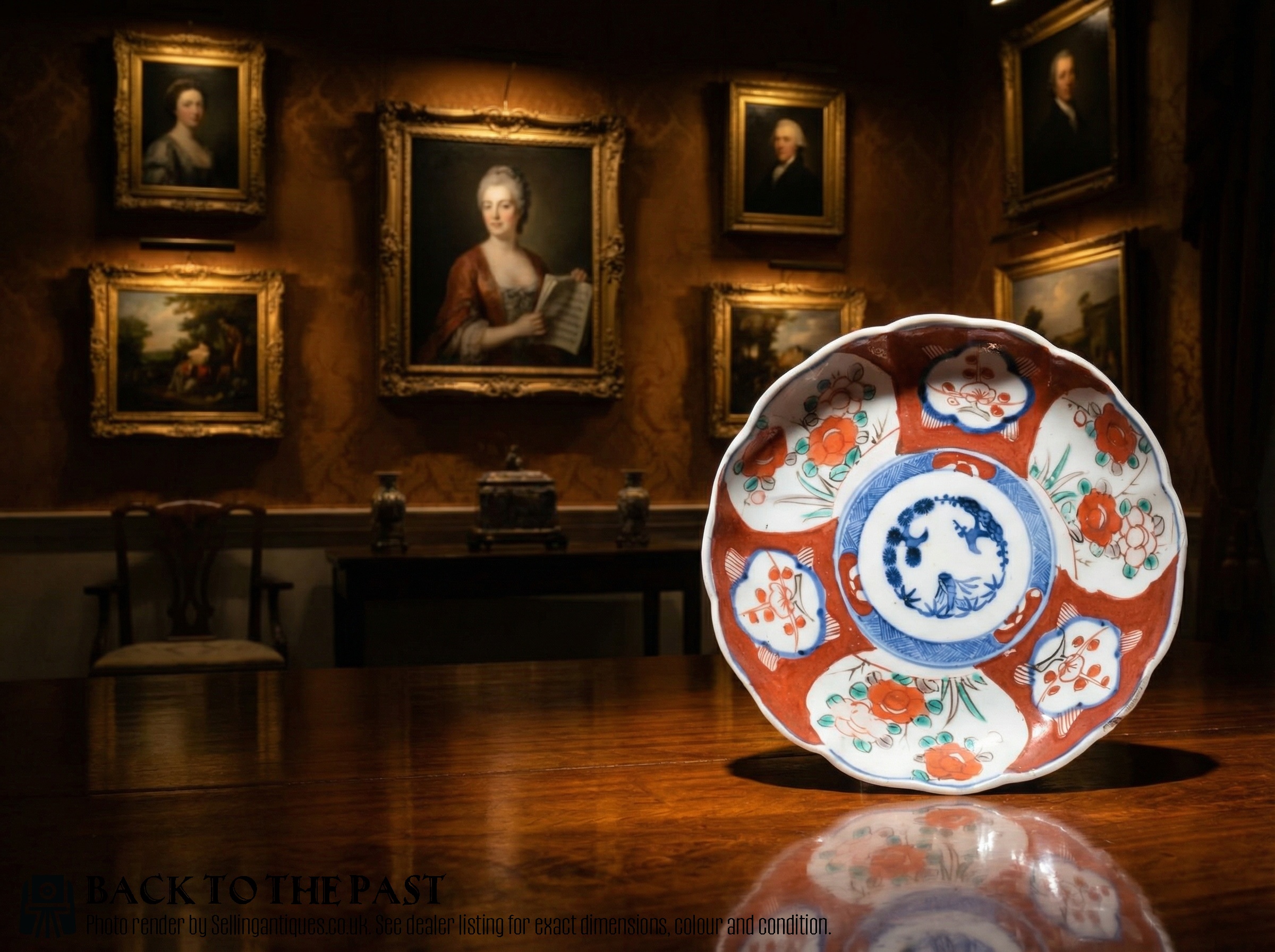
A japanese decorative plate encompasses both large chargers and smaller hand-painted tableware originating from the nineteenth century. These items showcase traditional craftsmanship through detailed motifs such as chrysanthemums, butterflies, frogs, and phoenix birds.
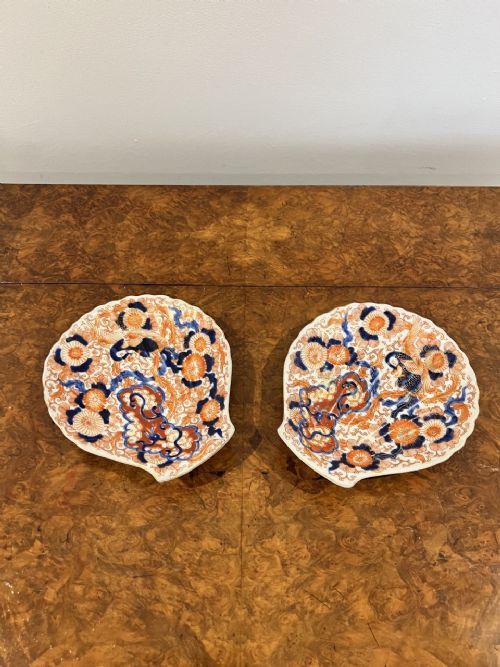
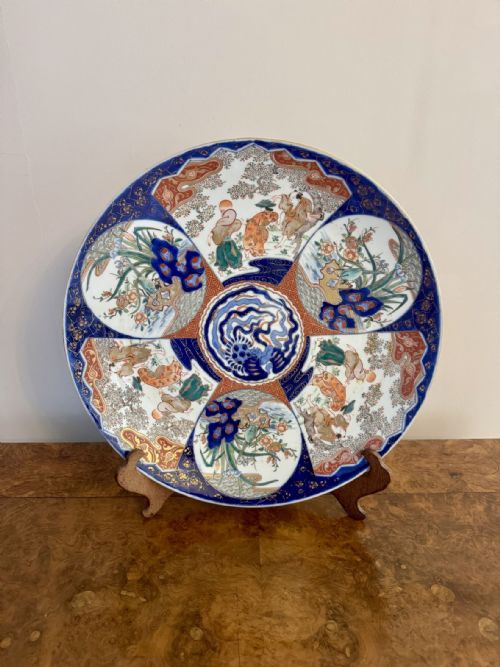
The pieces available here primarily span the Meiji period, late Edo period, and broader nineteenth century. Buyers will frequently encounter both sweeping cloisonne enamel chargers and classic hand-painted Imari patterns.
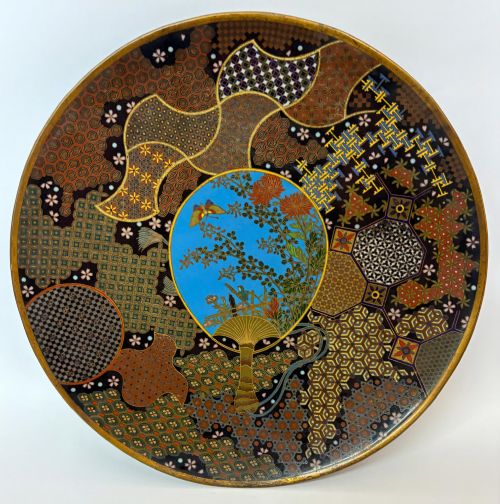
Imari plates bring traditional blue and iron-red palettes into a room, while copper-based cloisonne chargers provide striking metallic and coloured wirework. Each format serves as a dramatic wall hanging or surface display centrepiece.
Materials and Construction
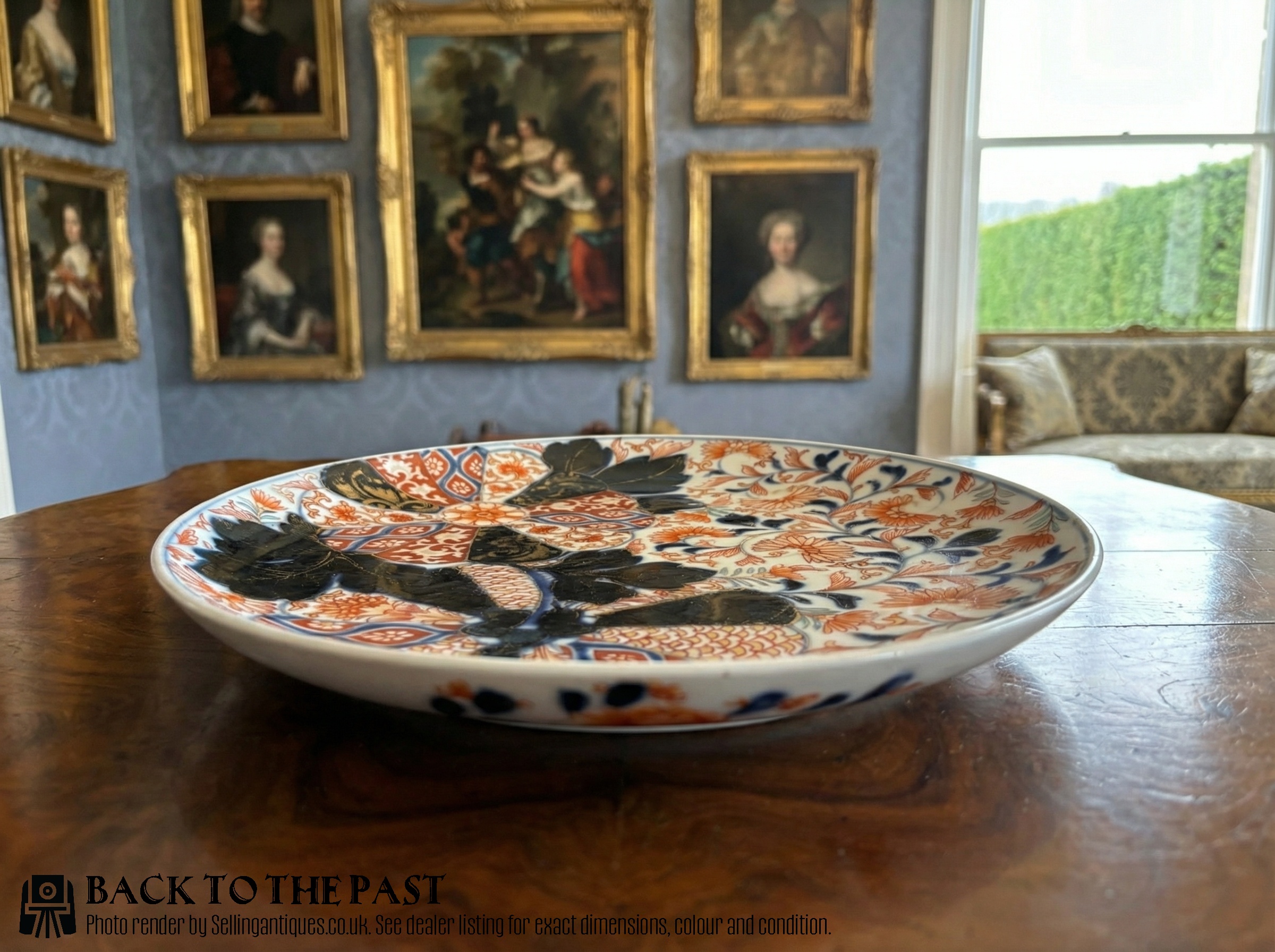
The construction of these pieces relies on contrasting traditional mediums such as porcelain, copper, brass, and heavy glaze. Cloisonne examples employ thin metal wires soldered to a copper or brass body to create cells for vibrant enamels.
Porcelain items utilise traditional ceramic glazes combined with hand-painted mineral pigments. Artisans then fired these pieces at high temperatures to achieve permanent colouration and lustrous surface finishes.
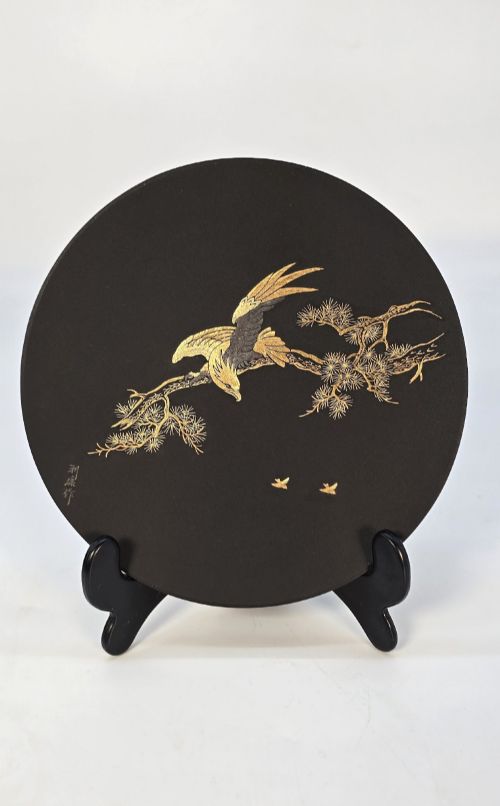
Certain cloisonne and ceramic works incorporate delicate gold leaf detailing to highlight specific motifs like plumage or floral edges. This meticulous application required steady hands and specialised firing techniques.
Retail Price Guide 2026
Typical UK retail prices for japanese decorative plate, calculated from the Sellingantiques database of over a million retail prices indexed since 2003. This retail price guide relies exclusively on Sellingantiques data; no external sources or auction records are used, so the figures do not describe the wider market.
Keep an eye out for the small ceramic frog peering out from among the chrysanthemums on one mid-period charger.
Measures of Quality
Quality in these works rests upon the precision of the design execution and the complexity of the motifs. Finer cloisonne chargers display microscopic wirework discipline and flawless enamel grading across vast surfaces.
Hand-painted Imari and enamel pieces are distinguished by the fluidity of the brushwork and the depth of the pigment. Superior examples maintain crisp outlines and harmonious colour palettes that remain vibrant across the entire surface.
The Japanese Decorative Plate Glossary
- Charger
- A large decorative plate traditionally used for display rather than dining. These substantial pieces measure considerably wider than standard plates.
- Cloisonne
- An enamelwork technique where metal wires form small compartments on a metal base. Artisans fill these cells with coloured paste before firing.
- Imari
- A style of Japanese export porcelain featuring deep underglaze blue and iron-red highlights, often accented with gold. It originates from the town of Arita.
- Meiji Period
- The era in Japanese history spanning from 1868 to 1912, marked by opening trade and exceptional decorative arts production. Works from this time show remarkable technical ambition.
- Ho-o Bird
- The mythical Japanese phoenix often depicted in elaborate plumage on chargers. This legendary creature symbolizes virtue and grace.
Frequently Asked Questions
Are these plates food safe?
Nineteenth-century decorative pieces are intended strictly for display and visual appreciation rather than culinary use. Older glazes and metal components can react with foods.
Keep these items away from the dining table to preserve their historic surfaces.
How do I clean cloisonne?
Dust surfaces gently with a soft, dry microfiber cloth to remove everyday particles without abrasion. Avoid liquid cleaners or chemical polishes entirely.
Water and commercial solvents can seep beneath wires or damage aged enamel.
What is the Edo period?
The Edo period represents a distinct era of Japanese history lasting from 1603 until 1868. It preceded the Meiji era and fostered immense artistic refinement.
Pieces from the late phase of this era exhibit traditional craftsmanship.