





Arita Porcelain Plate
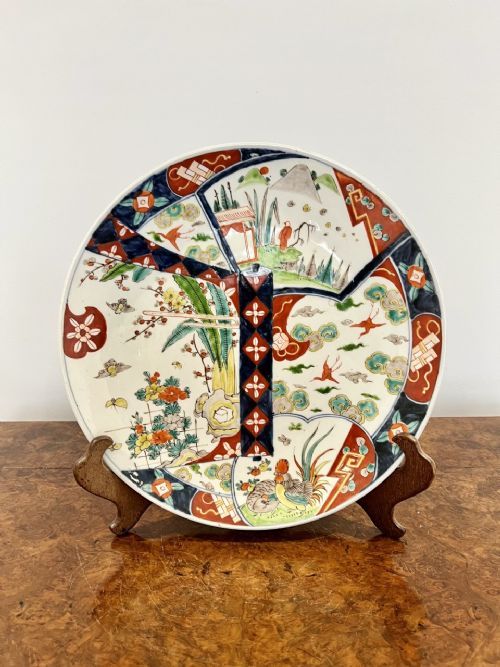
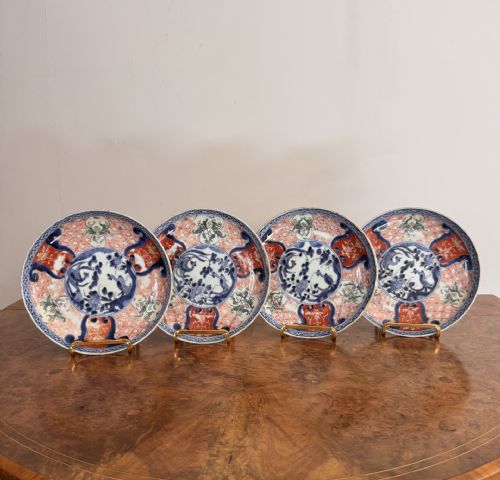
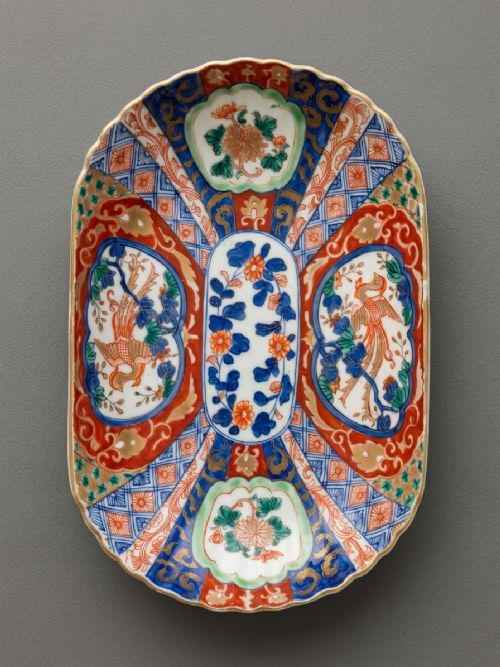
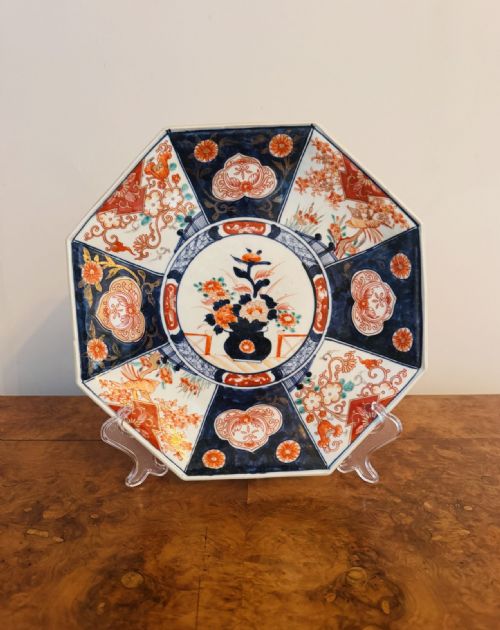
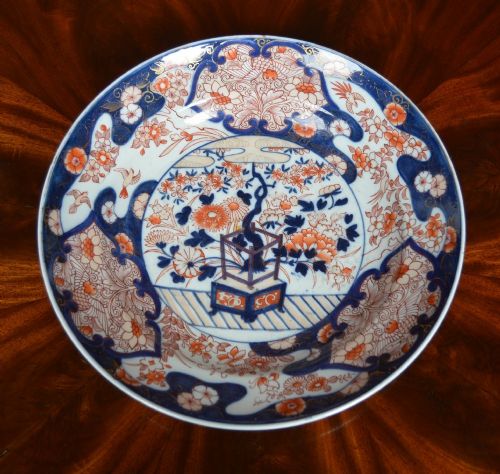
An arita porcelain plate brings centuries of kiln craft to the table, offering bold blue and white patterns or rich Imari palettes.
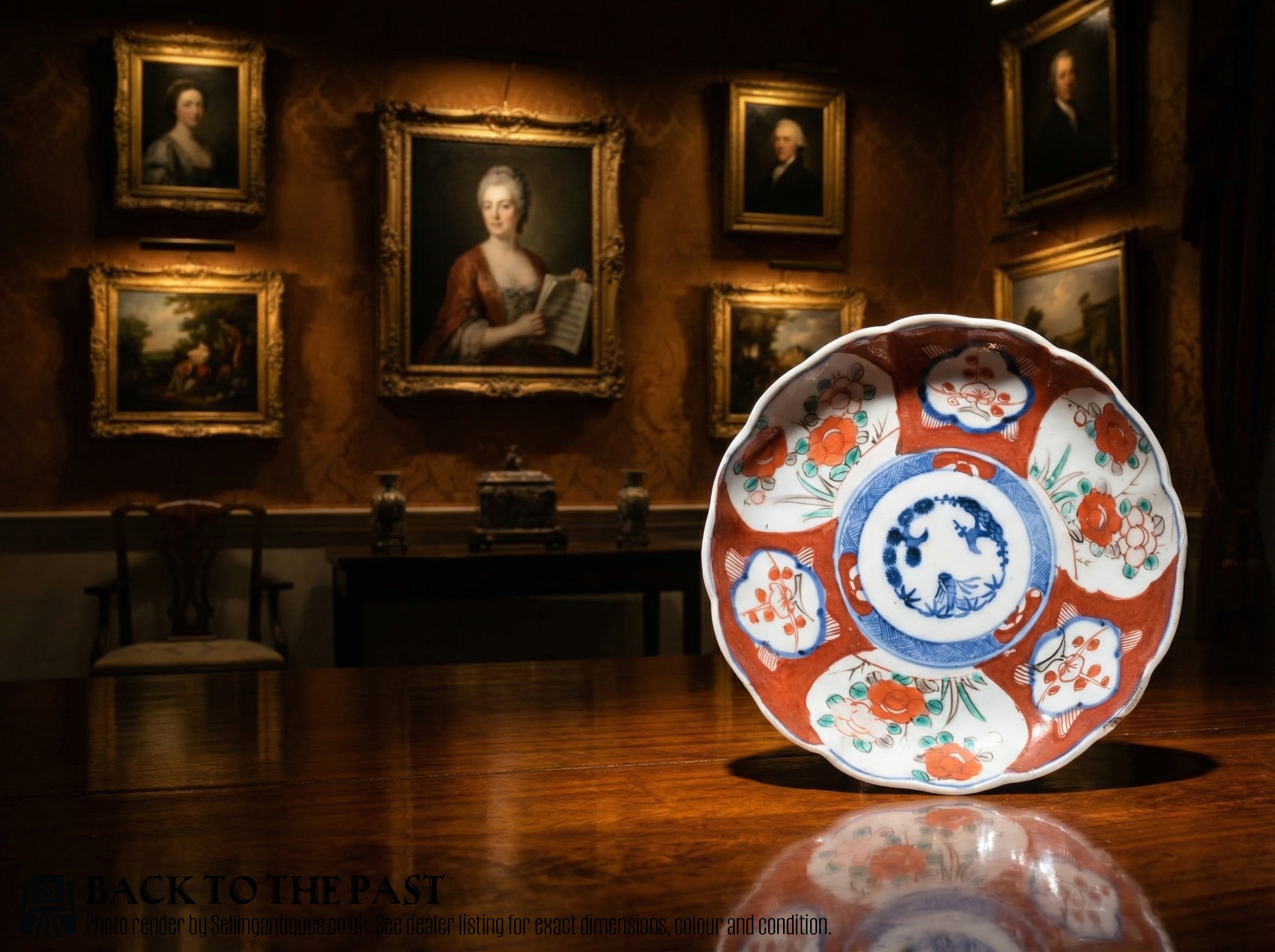
Arita Porcelain Plate
An arita porcelain plate is a durable ceramic vessel originating from Japanese kilns, produced across the Edo and Meiji periods.
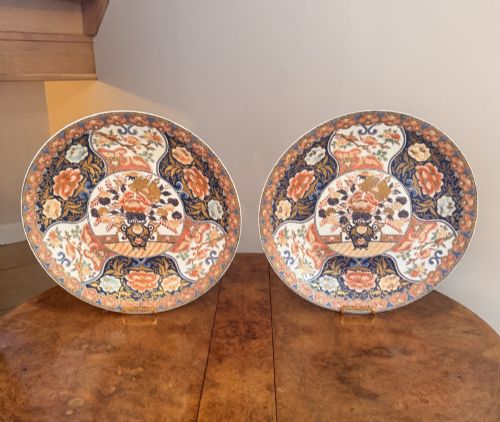
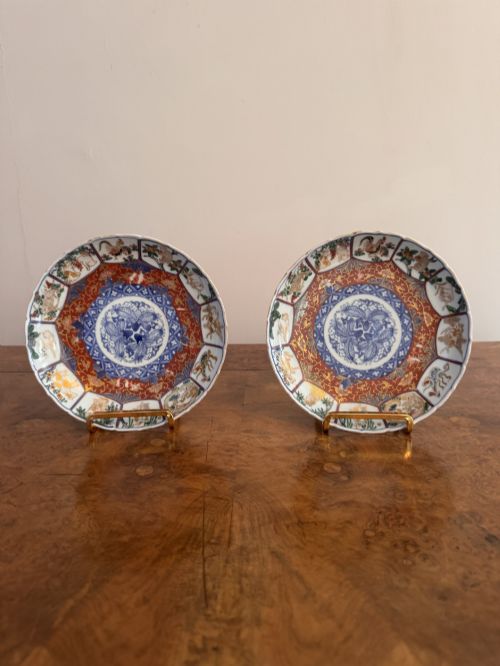
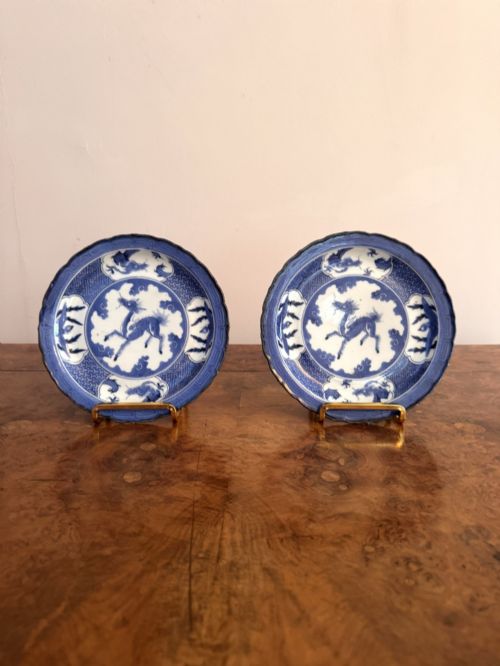
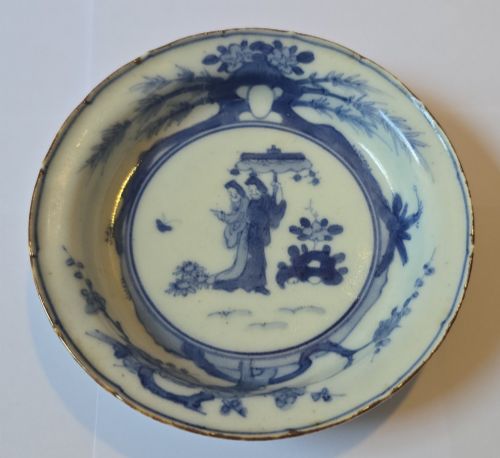
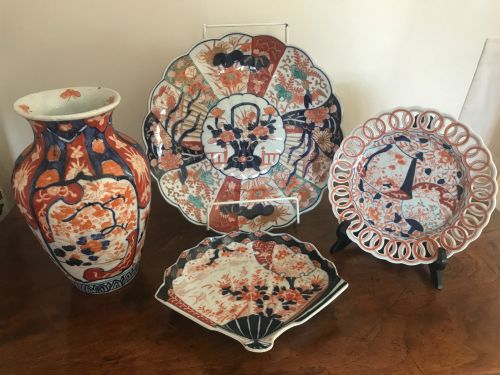
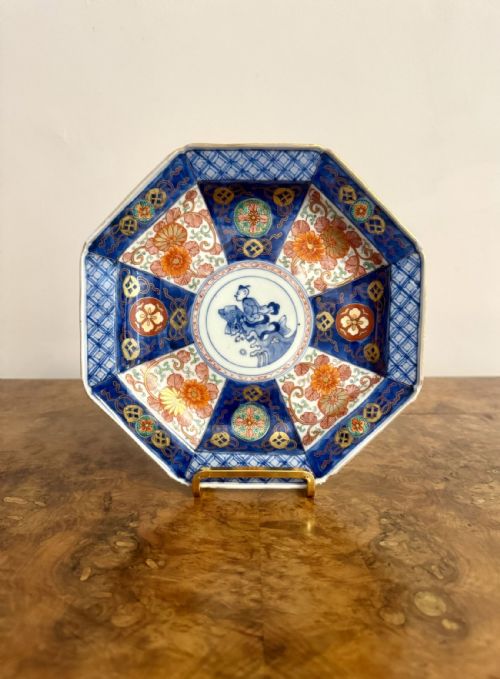
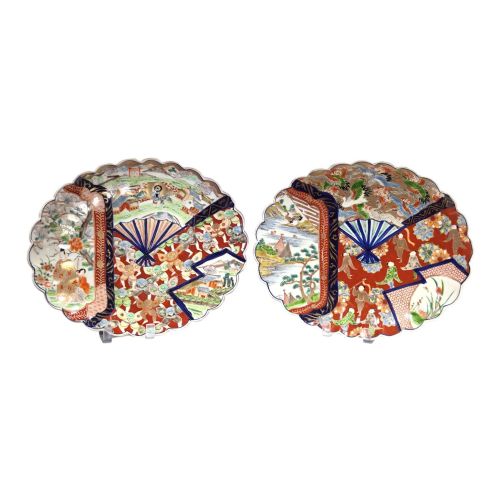
Buyers most frequently encounter decorative plates, chargers, and dishes displaying traditional Imari designs or blue and white painting.
Forms extend beyond standard rounds to include hexagonal, square, fan-shaped, and clam shell pieces originating from the nineteenth and eighteenth centuries.
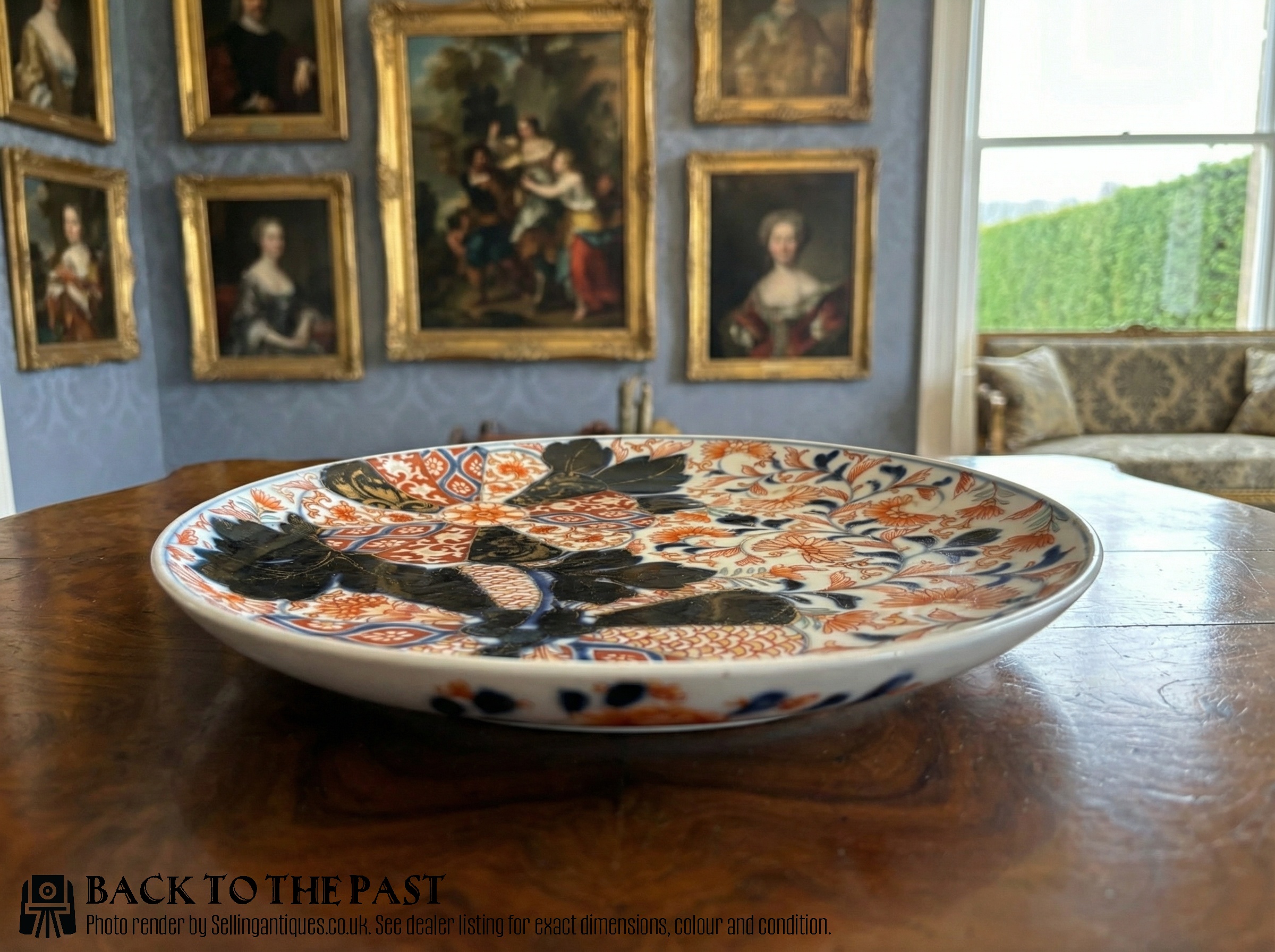
How they were made
Potters shaped fine ceramic clay into plates and chargers before applying cobalt underglaze pigments to the surface.
Enamel colours, gold leaf, and gilding were often added during subsequent firings to create rich decorative patterns on the porcelain body.
Arita Porcelain Plate Retail Price Guide 2026
Typical asking prices for arita porcelain plate among the pieces listed under this phrase on Sellingantiques today, from the lower quarter to the upper quarter. They describe what is for sale here now, not the wider market.
Listings span multiple eras, encompassing eighteenth-century Edo items, nineteenth-century Meiji examples, and Victorian period imports.
What varies in quality
The fineness of the hand-painted brushwork defines the superior examples, particularly in complex floral and bird motifs.
Unusual structural forms such as square, hexagonal, or fan-shaped bodies require greater skill from the potter than standard circles.
The Arita Porcelain Plate Glossary
- Imari
- A traditional Japanese style of porcelain decoration employing rich underglaze blue and iron red, often supplemented with gold gilt. This aesthetic gained immense popularity in Europe during the Edo period.
- Charger
- A large decorative plate utilised historically for display or service rather than daily dining. These pieces command attention due to their substantial diameter.
- Meiji Period
- An era in Japanese history spanning from eighteen sixty-eight to nineteen twelve, noted for skilled ceramic production directed toward international markets. Pieces from this time frequently display detailed hand painting.
- Edo Period
- The period of Japanese history lasting from sixteen hundred and three to eighteen sixty-eight, associated with early porcelain manufacture on Deshima Island and surrounding kilns.
- Cobalt Underglaze
- A blue pigment applied directly to the raw ceramic body before glazing and firing, creating durable patterns that resist fading over centuries.
Arita Porcelain Plate: Frequently Asked Questions
How do I date an arita plate?
Dating relies on stylistic clues, potting characteristics, and historical periods such as the Edo or Meiji eras recorded in the evidence.
Earlier eighteenth-century pieces often exhibit different baseline potting methods compared to late nineteenth-century export wares.
Were these plates used for dining?
Many larger examples function as chargers and display plates rather than everyday tableware.
Their substantial size and detailed hand painting suggest they were intended for visual appreciation.
What is Japanese Imari?
Imari refers to porcelain decorated in cobalt blue, iron red, and gold leaf, produced in the town of Arita.
This style became a defining aesthetic for Japanese ceramic export during previous centuries.
How should I display a charger?
Chargers and large dishes sit securely on specialist stands or wall mounts designed for heavy ceramics.
Their wide diameters make them suitable focal points on walls or display cabinets.