






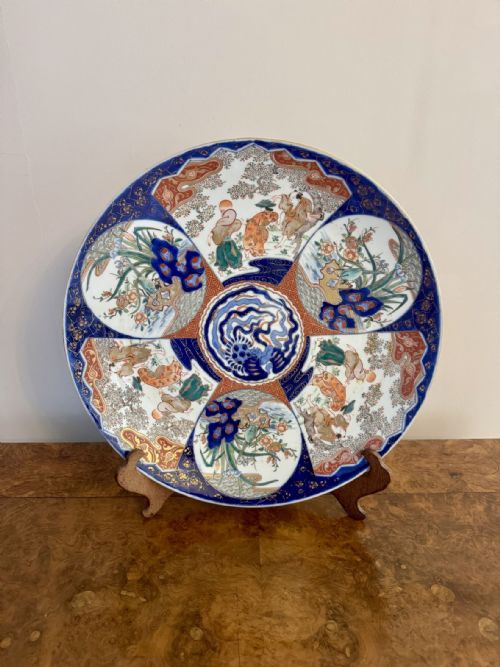




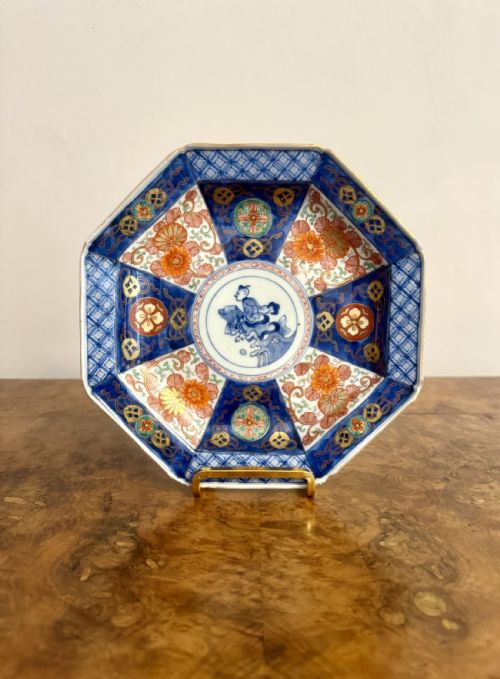
Oriental Porcelain Display Plate
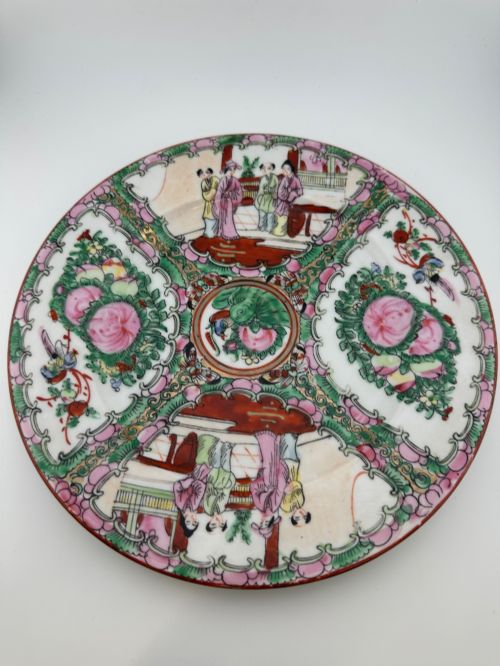
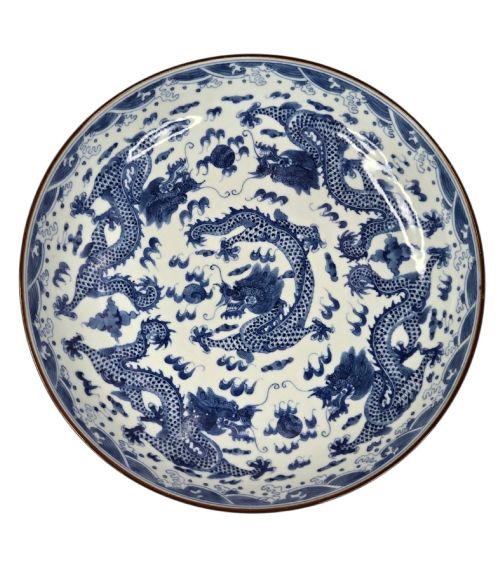
An oriental porcelain display plate brings centuries of kiln craft to a wall or cabinet, offering painted birds, dragons and floral palettes.

Oriental Porcelain Display Plate
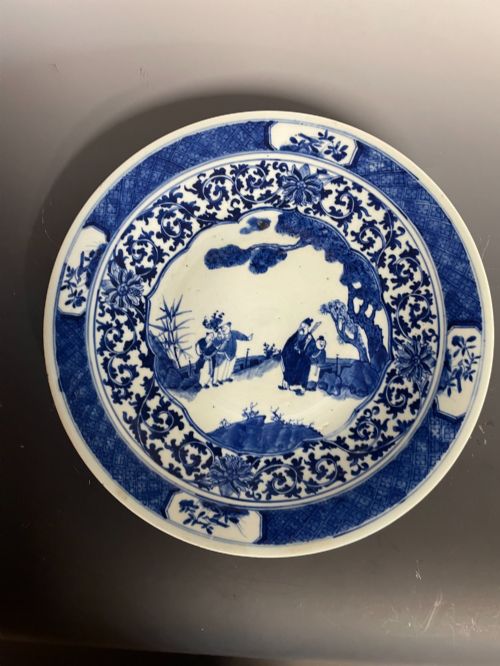
When a buyer searches for an oriental porcelain display plate, they encounter broad chargers, decorative dishes and scalloped plates originating from Japanese and Chinese kilns. The selection spans the nineteenth century through the early twentieth century, taking in Meiji period works and Qing dynasty blue and white pieces.
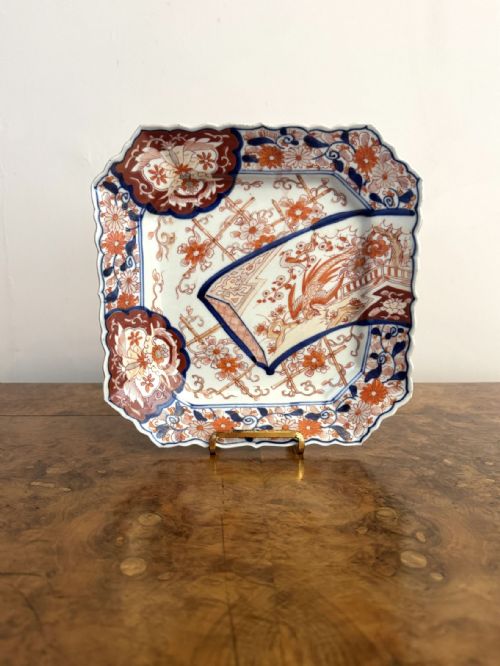
Most entries on this page belong to the Japanese Imari tradition, alongside Satsuma ware and Chinese export dishes. Forms range from round chargers and square plates to hexagonal shapes and wall platters.
Buyers find items intended for visual presentation rather than daily dining. These pieces utilise traditional motifs such as exotic birds, floral arrangements and the Seven Lucky Gods.
Materials and construction
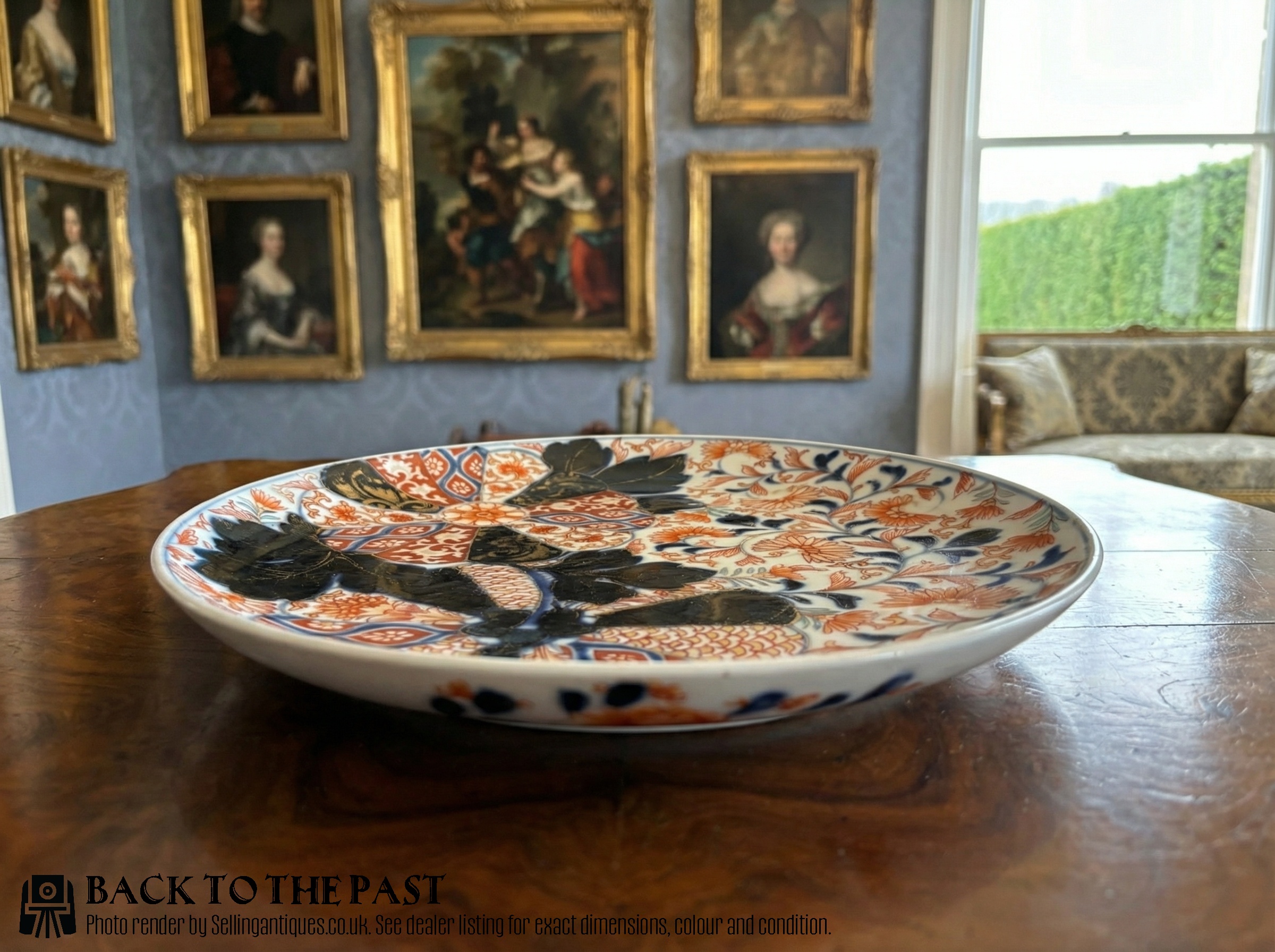
Potters shaped fine porcelain clay before applying cobalt underglaze pigments and rich overglaze enamels. Artisans frequently added gold leaf and gilding to highlight specific patterns across the surface.
Hand painting defines these items, with precise brushwork creating intricate scenes of fauna and folklore. Firing in traditional kilns set the cobalt blues and vibrant iron-reds into the hard ceramic body.
Oriental Porcelain Display Plate Retail Price Guide 2026
Typical asking prices for oriental porcelain display plate among the pieces listed under this phrase on Sellingantiques today, from the lower quarter to the upper quarter. They describe what is for sale here now, not the wider market.
Listings feature Japanese Imari, Chinese export porcelain, Satsuma ware and Qing dynasty ceramics produced across the nineteenth and early twentieth centuries.
Judging quality in oriental ceramics
Quality rests on the crispness of the hand-painted details and the balance of the composition across the plate surface. Finer examples display precise cobalt underglaze lines and carefully controlled overglaze enamels without blurring.
The weight, throwing consistency and crispness of moulded edges - such as scalloped or hexagonal profiles - distinguish better workshops. The application of gold leaf and the vibrancy of the palette separate standard decorative wares from superior artistic output.

Koshida
The Oriental Porcelain Display Plate Glossary
- Imari
- A style of Japanese porcelain featuring a distinct palette of cobalt blue, iron-red and gilt. This aesthetic developed in Arita and became widely exported to Europe.
- Charger
- A large decorative plate intended for display rather than service. These items measure substantially wider than standard dining plates.
- Meiji
- A period in Japanese history spanning from eighteen sixty-eight to nineteen twelve, noted for exceptional ceramic production and international export. Pieces from this era often display detailed hand-painted flora and fauna.
- Qing Dynasty
- The final imperial dynasty of China, lasting from sixteen forty-four to nineteen twelve. Ceramics from this era include fine blue and white dragon chargers.
- Underglaze
- A decoration method where pigments are applied to the raw clay body before glazing and firing. This technique protects the design beneath a glassy protective layer.
Oriental Porcelain Display Plate: Frequently Asked Questions
How do I hang a heavy charger?
Display chargers require specialist wall fixings that support the rim securely without causing structural strain.
Use coated wire hangers designed specifically for heavy ceramics to distribute the weight evenly.
Are these plates food safe?
Many nineteenth-century and earlier pieces contain lead or other compounds in their overglaze enamels.
Display them on walls or in cabinets rather than using them for serving food.
How do I clean antique porcelain?
Dust these decorative items gently with a dry, soft brush to remove surface particles.
Avoid immersing gilt pieces in water or using harsh detergents that might damage the overglaze enamels and gold leaf.
How do I date a Japanese charger?
Examine the base, the style of the hand-painted motifs and the characteristics of the glaze.
Works from the Meiji period often display specific aesthetic traits and kiln marks that separate them from later twentieth-century items.