



Edo Period Porcelain Plate
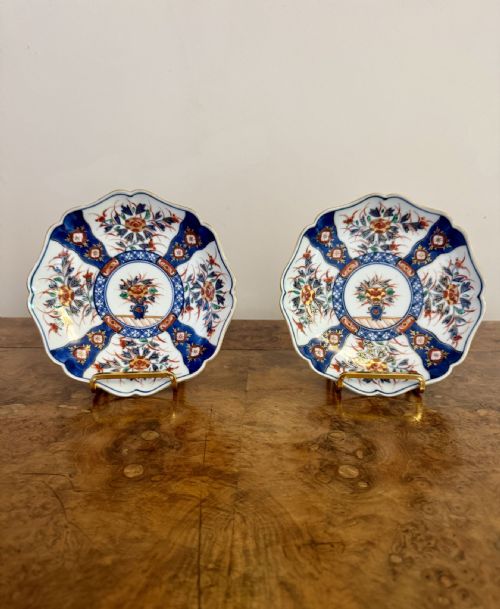
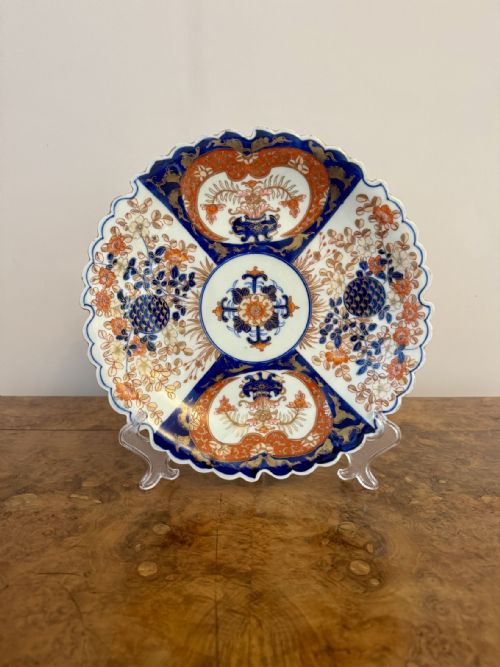
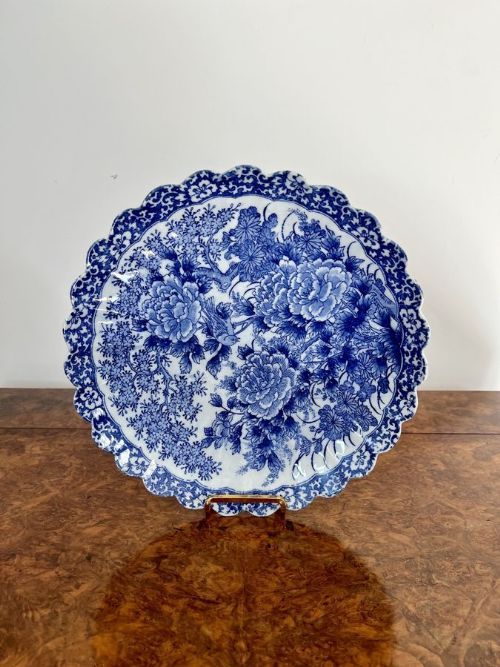
These edo period porcelain plate examples offer the decorated surfaces and varied forms that collectors seek.
Edo Period Porcelain Plate
An edo period porcelain plate represents the ceramic output of Japan during the Edo era, spanning centuries of production from the seventeenth through the nineteenth century. Buyers searching for an edo period porcelain plate encounter forms designed for display and utility, including chargers, dishes, and shaped plates.
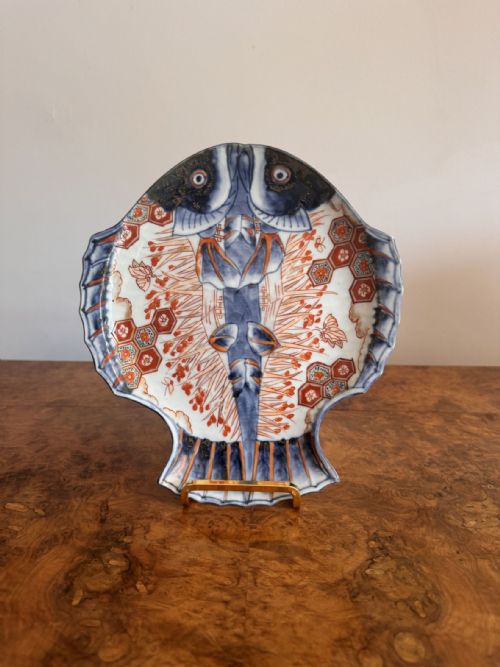
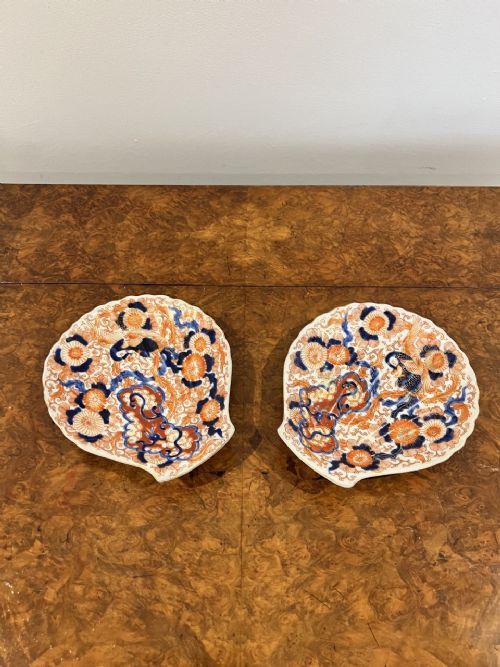
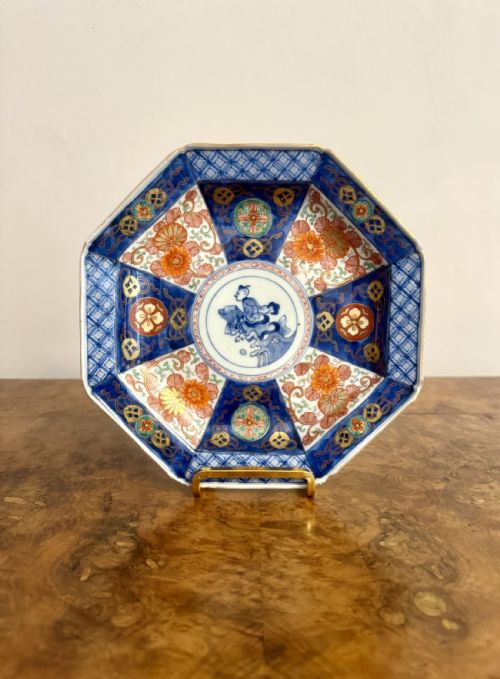
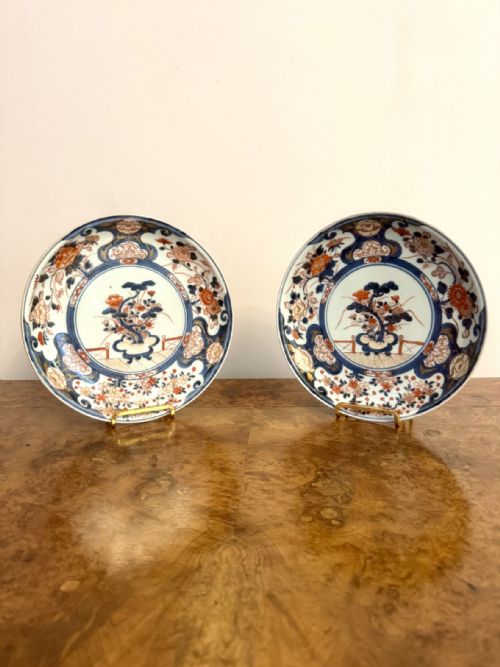
The selections on this page appear in Japanese Imari, Arita, and blue and white styles, reflecting regional kilns and traditional aesthetics. Scalloped edges, hexagonal, octagonal, square, fan, and shell shapes diversify the forms alongside standard round plates.
How they were made
Potters shaped ceramic materials and applied cobalt underglaze, enamel, and gold leaf over glaze to decorate the surfaces. Hand painting methods defined the pictorial schemes found on chargers and plates.
Firing in traditional kilns produced the porcelain body, while wood components sometimes accompanied the display or storage of these ceramics.
Edo Period Porcelain Plate Retail Price Guide 2026
Typical asking prices for edo period porcelain plate among the pieces listed under this phrase on Sellingantiques today, from the lower quarter to the upper quarter. They describe what is for sale here now, not the wider market.
Some plates take the exact shape of swimming fish, proving Edo potters enjoyed serving dinner with a wink.
What varies in quality
The crispness of the hand painted detail and the richness of the enamel and gold leaf application separate the finer examples from standard production. Precision in the forming of complex shapes such as fish, shells, and fan motifs distinguishes superior pieces.
The depth of the cobalt underglaze and the preservation of the glaze surface govern the visual impact of each charger or dish.
The Edo Period Porcelain Plate Glossary
- Imari
- A style of Japanese porcelain decorated in underglaze blue, iron red, and gold, originating from the port of Imari. This palette dominates many plates from the Edo period.
- Arita
- The town in Japan where Japanese porcelain production originated, housing kilns that created blue and white and decorated wares. Arita wares form a major part of Edo period ceramics.
- Charger
- A large decorative plate intended for display rather than service at table. These substantial pieces often showcase complex painting.
- Cobalt Underglaze
- A blue pigment applied to the raw porcelain body before glazing and firing. This technique produces deep blue designs that withstand high kiln temperatures.
Edo Period Porcelain Plate: Frequently Asked Questions
How were these plates used?
These pieces served both functional dining purposes and decorative display within Japanese interiors. Large chargers and shaped dishes were often positioned on stands or hung to showcase the painted scenes.
Over time, many of these ceramics transitioned into collector cabinets and specialised displays in European and domestic homes.
How do I identify an Edo period piece?
Identification relies on examining the painting style, the characteristics of the porcelain body, and traditional decorative motifs such as cranes or floral patterns. The association with Arita kilns and Imari palettes provides key contextual clues.
Comparing the potting technique and glaze characteristics against known historical examples helps establish the period of manufacture.
Are these pieces fragile?
Porcelain is a hard, vitrified ceramic material, but these antique plates remain vulnerable to chipping along the edges. Scalloped, fan, and shell shapes require careful handling to protect delicate points.
Proper display stands and stable placement prevent accidental tipping or impact damage during daily life.
What shapes are available?
The selection encompasses standard round plates alongside specialised forms such as fan, hexagonal, octagonal, and square configurations. Naturalistic shapes resembling fish and clam shells also appear.
These varied formats allowed potters to experiment with pictorial compositions within specific geometric boundaries.