





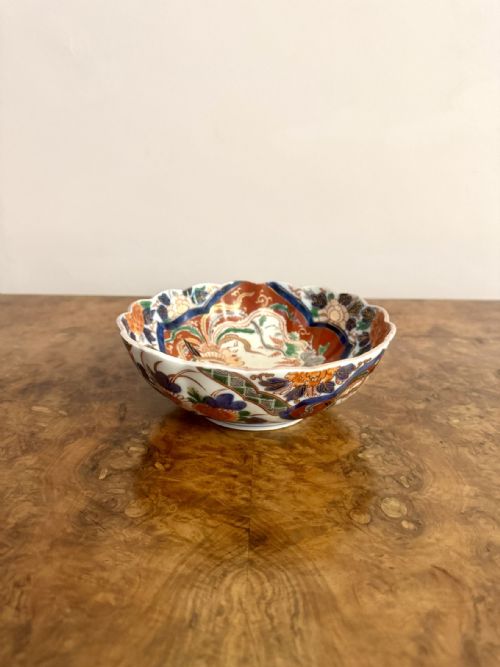
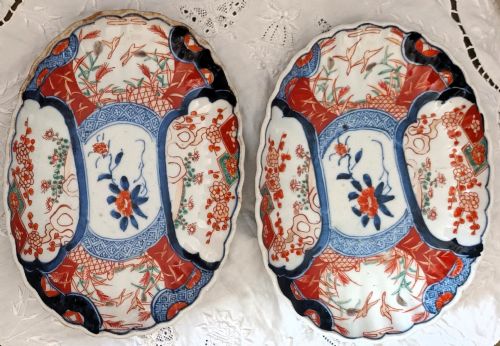
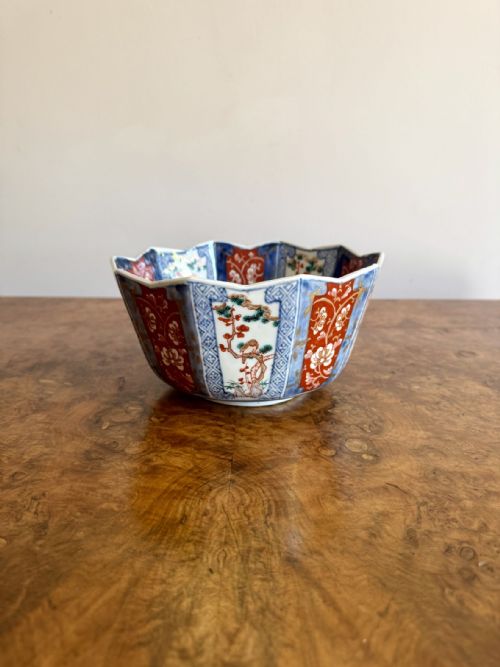
Japanese Arita Porcelain Dish
A Japanese arita porcelain dish brings centuries of ceramic skill and vibrant hand-painted design straight to a modern interior.

Japanese Arita Porcelain Dish
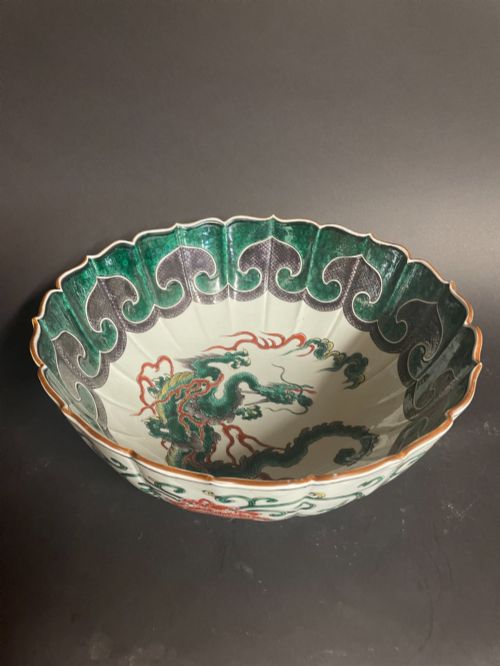
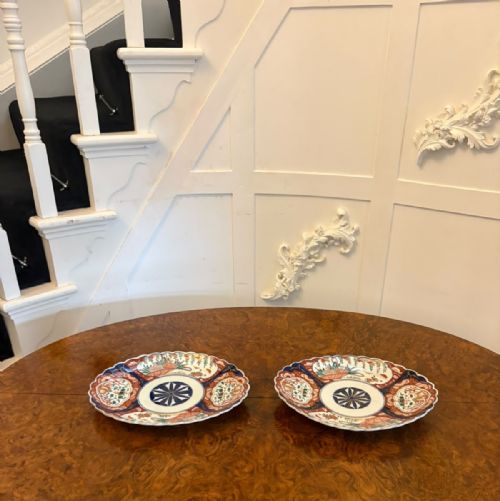
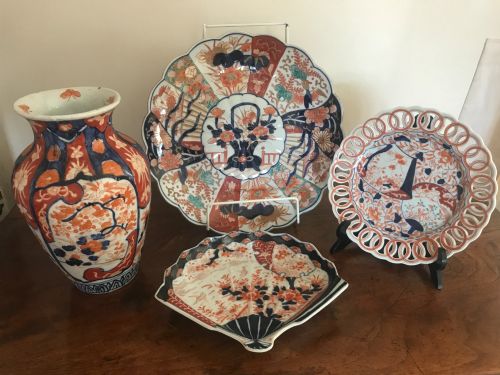
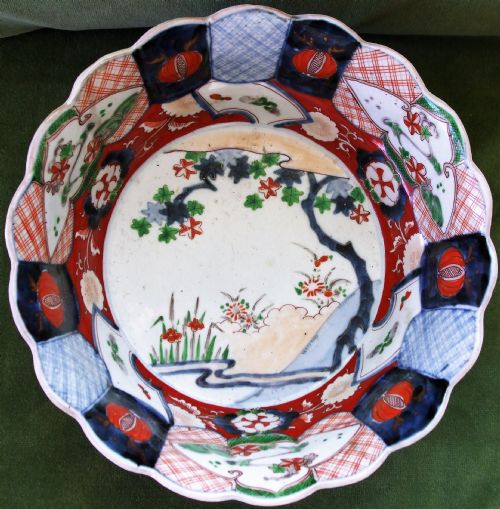
When you search for a japanese arita porcelain dish, you encounter a variety of decorative forms ranging from deep chargers and platters to scalloped bowls and plates. These objects reflect centuries of firing traditions originating from the town of Arita.
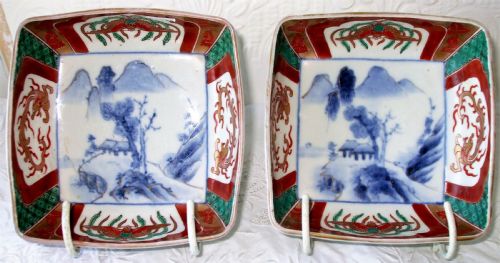
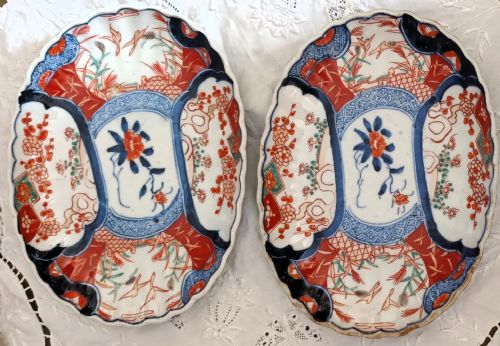
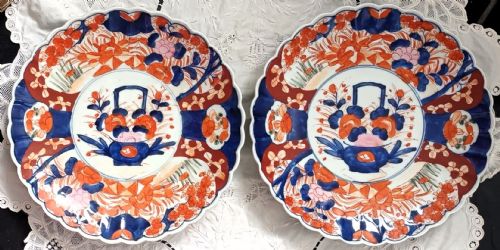
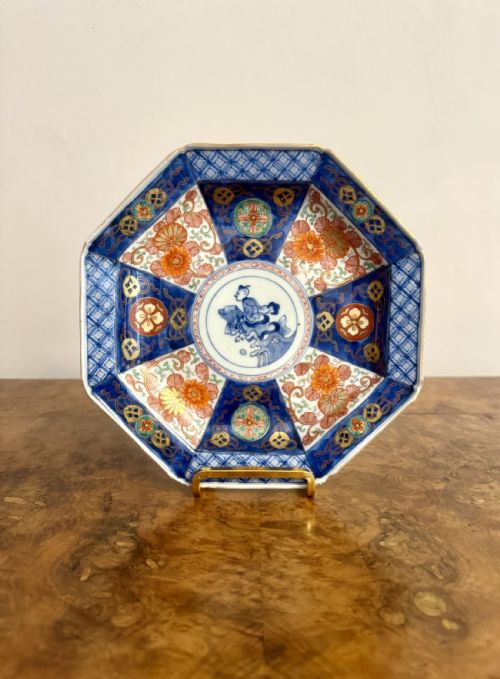
The selections available span multiple eras, with nineteenth-century Meiji period examples and earlier eighteenth-century Edo pieces forming the core of the items. Many pieces display distinct Japanese Imari palettes alongside traditional blue and white cobalt underglaze work.
How they were made
Potters shaped fine ceramic and porcelain clays into dishes before applying cobalt underglaze pigments and enamel decorations by hand. Kiln workers then fired the pieces to fuse the mineral colours into a durable glaze.
Selected works received delicate touches of gold leaf, gilding or gold gilt applied over the finished surface to highlight specific floral or avian motifs.
Materials recorded across the inventory include ceramic, enamel, cobalt underglaze, gold leaf and gold gilt.
What varies in quality
The distinction between standard vessels and exceptional works rests upon the precision of the hand-painted brushwork and the complexity of the compositional design. Pieces featuring intricate depictions of exotic birds, cranes or detailed floral scenes demonstrate higher artistic control.
Form and moulding also dictate distinction, with unusual shapes such as hexagonal rims, ribbon borders, clam shell profiles and scallop edges demanding greater technical skill from the potter.
The Japanese Arita Porcelain Dish Glossary
- Arita
- A Japanese town renowned for its long history of porcelain production. It serves as the geographical centre of the nation's ceramic industry.
- Imari
- A style of Japanese porcelain decorated in underglaze blue, iron red and gold. This vibrant aesthetic developed during the Edo period and gained significant popularity abroad.
- Meiji Period
- An era in Japanese history spanning from 1868 to 1912. Items from this time often exhibit confident brushwork and decorative richness.
- Edo Period
- The period in Japanese history lasting from 1603 to 1867. Ceramics from this era are valued for their historic craftsmanship and restrained forms.
- Cobalt Underglaze
- A blue pigment applied to ceramic pieces before glazing and firing. This technique produces durable blue designs that remain stable at high kiln temperatures.
Japanese Arita Porcelain Dish: Frequently Asked Questions
How do I identify a Meiji period piece?
Meiji period items generally date between the late nineteenth and early twentieth centuries. They often display lively enamel colours and confident hand-painted motifs.
Examining the foot ring and the weight of the porcelain helps confirm the manufacturing era. Archive records and historical dating on similar listings provide useful comparative benchmarks.
Were these dishes used for dining?
While many historical vessels served practical dining functions, larger chargers and decorative plates were frequently displayed on walls or furniture.
Their substantial size and elaborate painted scenes suggest they were created as ornamental objects rather than everyday tableware.
What is the difference between Arita and Imari?
Arita refers to the geographical location in Japan where the porcelain body and baseline ceramics were produced. Imari describes the specific decorative style applied to many of those pieces, characterised by iron red, cobalt blue and gold.
Not all Arita porcelain is Imari, as many items utilise simple blue and white cobalt underglaze instead.
How should I display a charger plate?
Charger plates and large wall dishes suit sturdy plate stands or specialised wall mounting brackets. Positioning them away from direct sunlight protects the enamel colours and gold gilding.
Allowing adequate space around each piece highlights the detailed floral and avian designs.