








Japanese Porcelain Display Plate
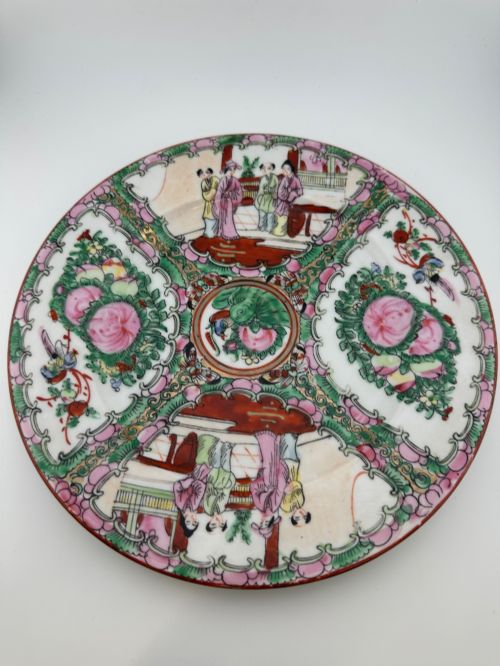
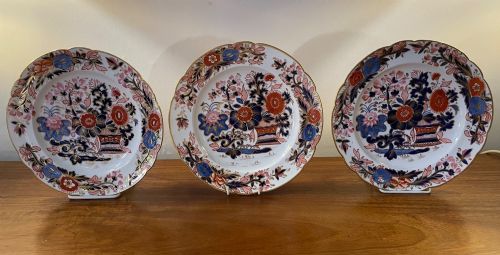
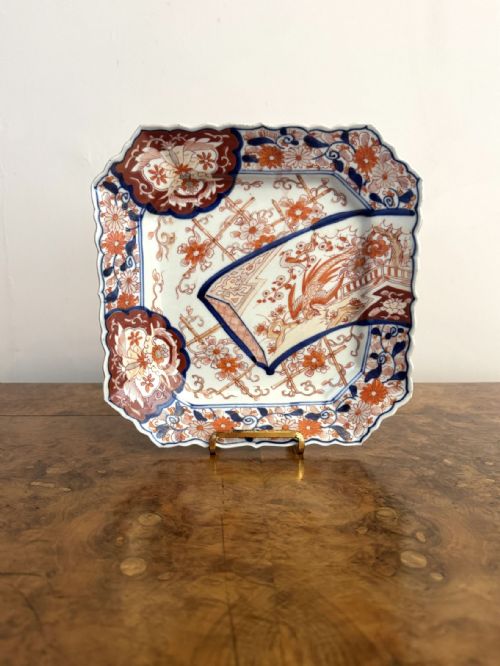
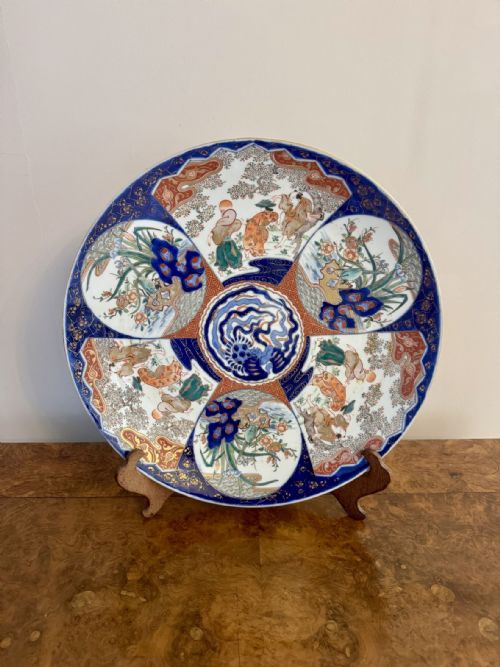
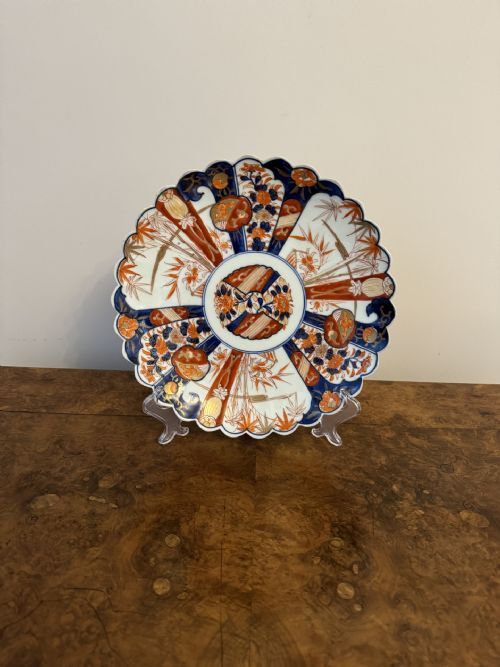
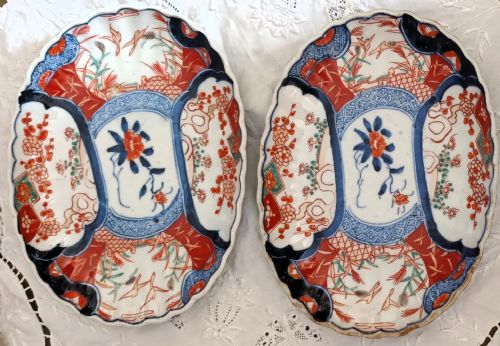
These Japanese porcelain display plate examples bring together rich hand-painted palettes and complex forms from the nineteenth and early twentieth centuries.
Japanese Porcelain Display Plate
A japanese porcelain display plate typically takes the form of a charger, cabinet plate, or decorative dish designed primarily for visual appreciation rather than regular dining use. The selections on this page centre heavily on nineteenth and early twentieth-century examples, spanning the Victorian era through the Meiji and Taisho periods.
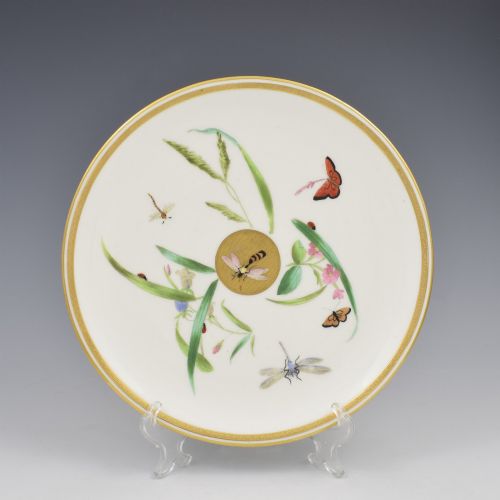
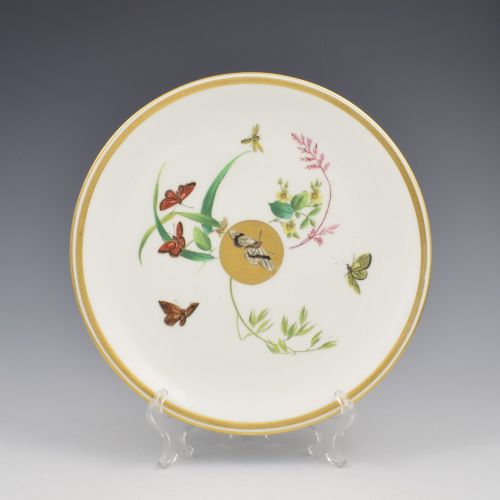
Buyers will encounter various distinct regional and stylistic groupings, most notably traditional Japanese Imari patterns alongside Satsuma ware and blue and white Arita productions. European interpretations in an Aesthetic Movement style also appear, demonstrating the cross-continental influence of Japanese design during the late nineteenth century.
Forms range from standard circular dishes to square, hexagonal, and scalloped configurations, often produced in pairs or sets. These decorative items were intended for prominent display in domestic interiors, utilising rich surface decoration to catch the eye.
How they were made
The foundation of these objects is hard-paste porcelain or earthenware shaped into plates and chargers, then finished with various glazes. Cobalt blue underglaze painting forms the structural base for many traditional pieces, applied directly to the clay body before firing.
Overglaze decoration introduces additional colour through enamels, often supplemented by gold leaf, gilt, and gilding to highlight intricate motifs. Specialised techniques such as cloisonne tree bark effects also appear on specific decorative surfaces from the late nineteenth century.
Object forms on this page range from standard decorative plates to large chargers, cabinet plates, and hexagonal dishes.
What varies in quality
Quality in a japanese porcelain display plate rests largely on the precision and density of the hand-painted brushwork across the surface. Finer examples display meticulous control in complex floral, bird, and figural scenes, whereas simpler pieces rely on heavier, less detailed application.
The integration of gold leaf and overglaze enamels distinguishes standard production from exceptional work. Depth of colour, clarity of the underlying porcelain body, and unusual geometric forms such as hexagonal or scalloped edges further elevate certain items above mass-produced alternatives.
Koshida·Minton
The Japanese Porcelain Display Plate Glossary
- Imari
- A traditional Japanese porcelain style characterised by a palette of cobalt blue, iron red, and gold. It originated in the town of Arita and became widely exported to Europe.
- Meiji
- The period in Japanese history spanning from 1868 to 1912, marked by significant opening to Western trade and a prolific output of decorative arts. Pieces from this era show great technical confidence.
- Charger
- A large decorative plate intended for display on a sideboard or wall rather than for serving food at the table. These items provide a larger canvas for intricate painterly designs.
- Gilt
- A thin layer of gold applied to the surface of porcelain to accent specific motifs, sunbursts, or borders. It catches the ambient light in domestic display settings.
- Cloisonne
- A technique where enamel compartments are formed by soldered wire on a base, appearing here on specialised porcelain plates with textured surfaces like tree bark.
Japanese Porcelain Display Plate: Frequently Asked Questions
How were these plates used?
These pieces served primarily as decorative display items within the home, positioned on walls, cabinets, or sideboards to showcase wealth and taste.
Unlike everyday tableware, chargers and cabinet plates were spared heavy kitchen utility, which explains why many survive with their painted surfaces intact.
What is the difference between Imari and Arita?
Arita is the actual geographic region in Japan where the porcelain clay was mined and fired, serving as the true production centre.
Imari was simply the port from which these Arita-fired goods were shipped to the West, eventually becoming the name for the distinctive blue, red, and gold palette itself.
How do I date a Meiji period piece?
Meiji period items align with the reign of the Emperor Meiji between 1868 and 1912, a timeframe often reflected in specific stylistic markers and export documentation.
Pieces from the latter half of this era frequently coincide with Victorian and Edwardian aesthetic tastes in Britain.
Can I hang a heavy charger on the wall?
Large chargers possess substantial weight due to the density of the fired porcelain body and require secure, purpose-built wall fixings.
Standard wire plate hangers must be sized correctly to support the specific diameter and rim depth of each individual dish.