



Japanese Export Porcelain Plate
A japanese export porcelain plate brings vibrant palettes and historic kiln traditions straight to the room.
What these pieces are
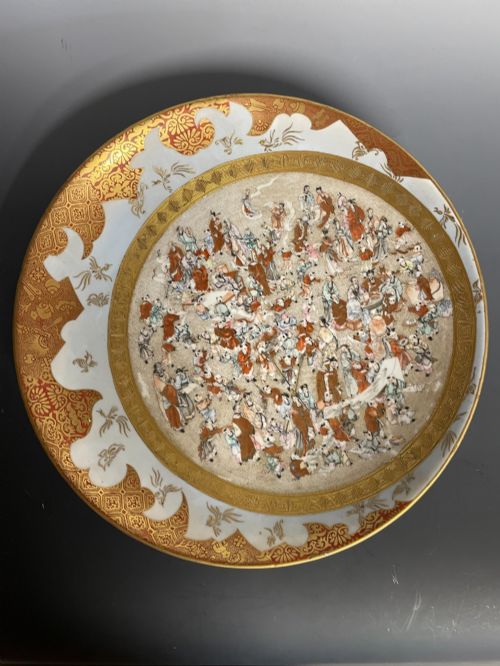
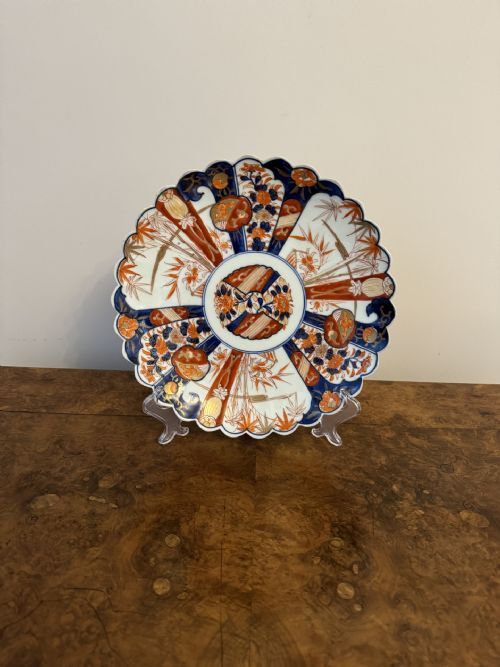
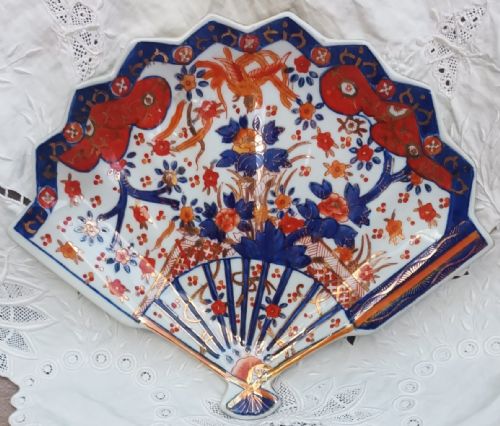
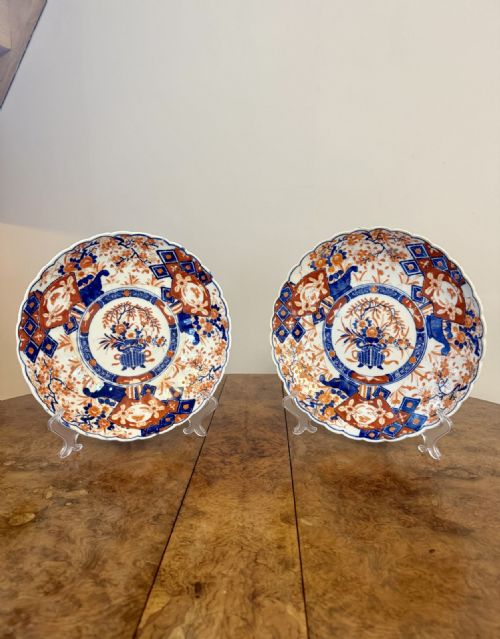
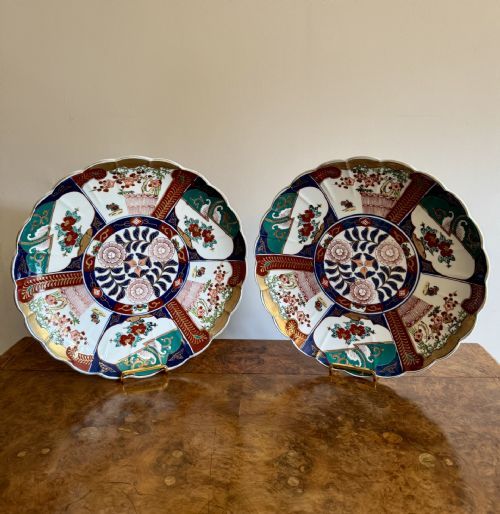
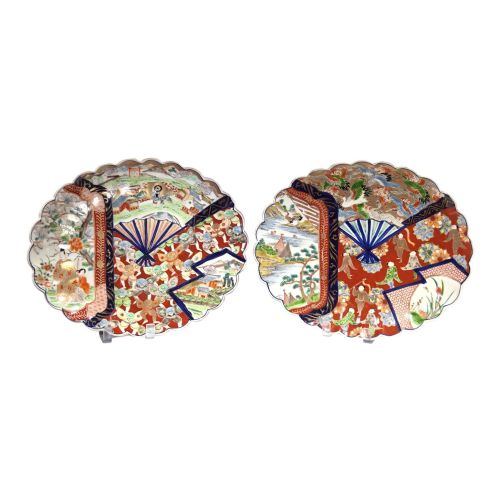
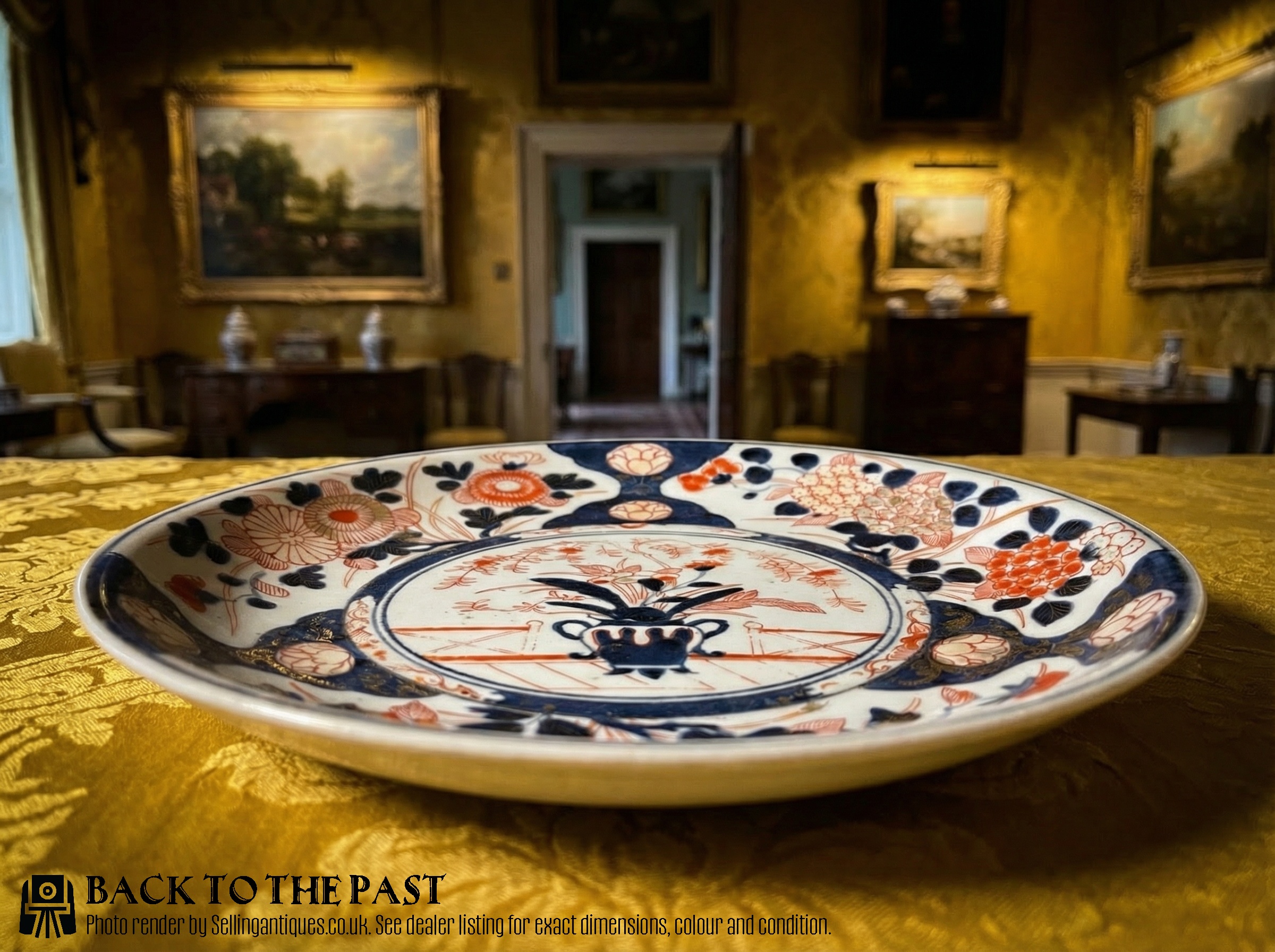
A japanese export porcelain plate encompasses chargers, dishes, and fan-shaped plates produced for markets beyond Japan. The examples met on this page span the 17th century, the Edo period, and the Victorian era.
Forms include large Imari chargers alongside Arita and Aka-e porcelain dishes. These pieces range from blue and white designs to richly coloured enamel compositions.
How they were made
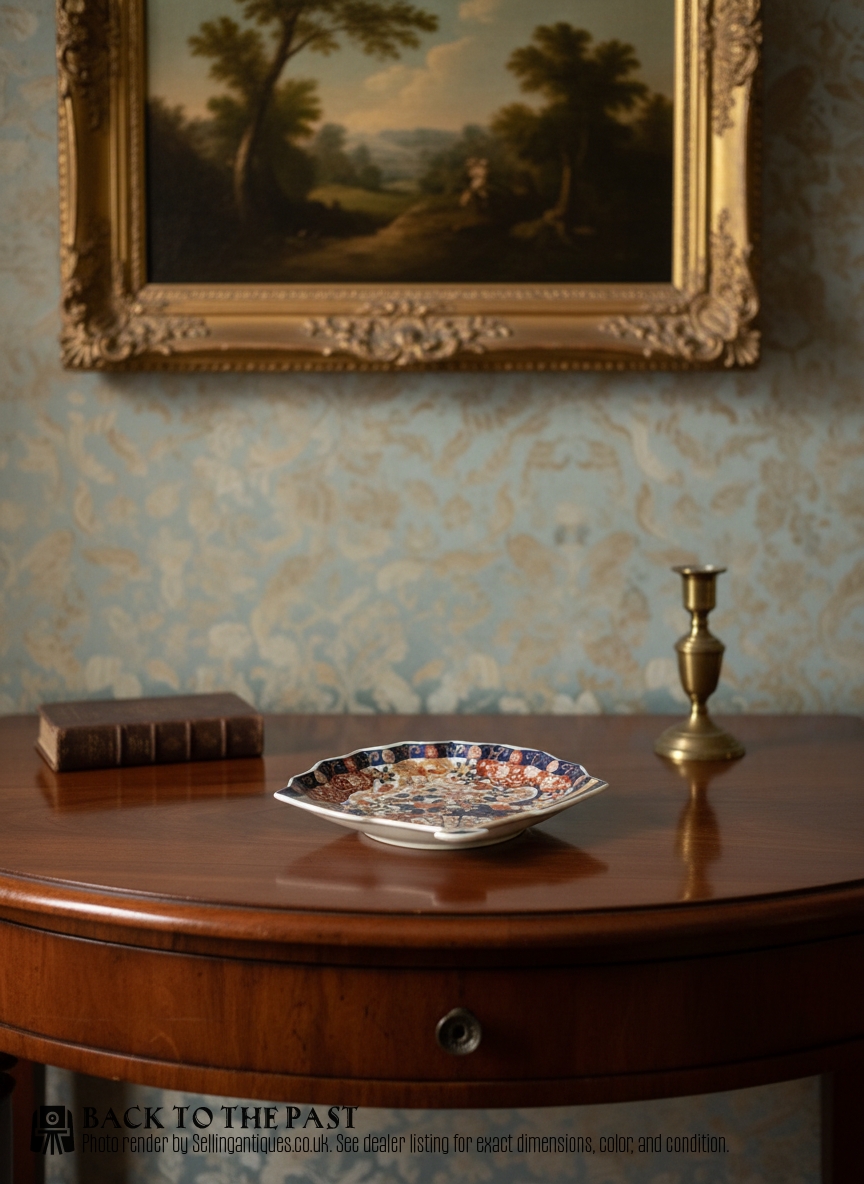
Maker traditions utilise porcelain bodies finished with glaze and detailed enamel work. Several examples incorporate gold leaf to accent the painted motifs.
Firing techniques in Arita and Hizen kilns produced durable ceramic forms designed for long-distance trade. Pigments were applied beneath and over the glaze before final firing.
Retail Price Guide 2026
Typical UK retail prices for japanese export porcelain plate, calculated from the Sellingantiques database of over a million retail prices indexed since 2003. This retail price guide relies exclusively on Sellingantiques data; no external sources or auction records are used, so the figures do not describe the wider market.
Listings feature periods from the 17th century through the Victorian era, utilising porcelain, enamel, gold leaf, and glaze.
What varies in quality
Quality rests in the precision of the brushwork and the complexity of the palette across the porcelain surface. Finer examples display meticulous control of blue and white tones alongside rich enamels.
The scale and ambition of the form dictate distinction, with large chargers demonstrating greater potter skill than standard dishes. The integration of gold leaf further separates standard items from superior works.

The Japanese Export Porcelain Plate Glossary
- Imari
- A style of Japanese porcelain featuring distinctive cobalt blue, iron red, and gold decoration. It originated in Hizen province and was shipped through the port of Imari.
- Arita
- A Japanese town and historic centre for porcelain production in Hizen province. Kilns here produced wares for both domestic use and export.
- Charger
- A large decorative plate or dish intended for display rather than dining. These pieces often measure significantly wider than standard tableware.
- Edo Period
- A historical division of Japanese history lasting from 1603 to 1867. Wares from this era reflect distinct cultural and artistic developments.
- Aka-e
- A style of Japanese ceramic decoration dominated by iron-red enamel overglaze painting. It frequently appears alongside other colours and gold leaf.
Frequently Asked Questions
How do I display a charger safely?
Large chargers require sturdy wall mounts or dedicated plate stands designed for heavy ceramics. Ensure the weight is supported evenly across the base.
Keep pieces away from direct sunlight to protect enamel and gold leaf details from fading over time.
How are 17th century dishes distinguished?
Early pieces from the 17th century often display specific Arita or Hizen kiln characteristics and unrefined foot rims. These details mark them out from later Victorian or 1900s copies.
Examination of the glaze texture and iron-red pigments helps confirm the production era.
Can these plates be used for food?
Antique export ceramics are primarily intended for decorative display rather than daily dining. Historic glazes and pigments may not meet modern food safety standards.
Gentle dusting with a dry cloth is sufficient for routine maintenance.
What does Meiji period mean?
The Meiji period spans from 1868 to 1912, following the Edo era. Porcelain from this time often shows refined export styling tailored for Western buyers.
Large Imari chargers frequently date to this active trading epoch.