






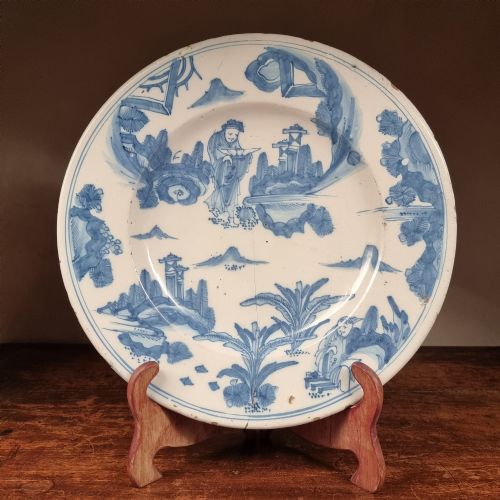
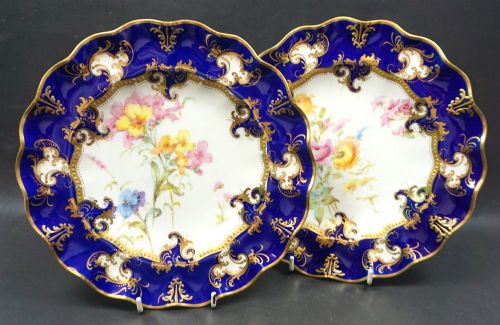
Cobalt Blue Ceramic Dish
These cobalt blue ceramic dishes span centuries of global kilnwork, offering rich cobalt pigments and traditional glaze finishes for the home.

What these pieces are
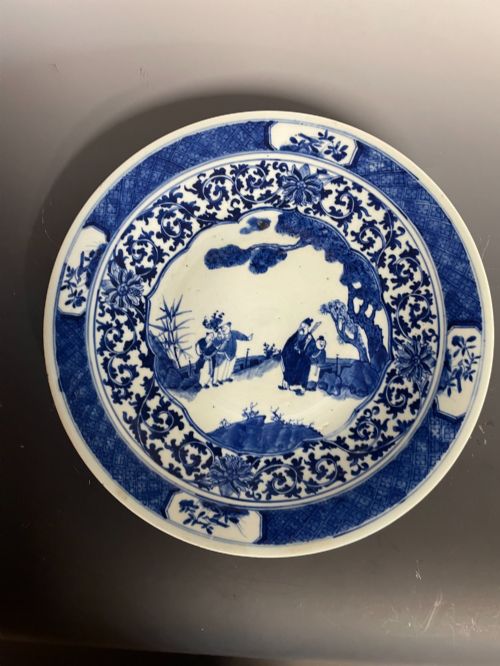
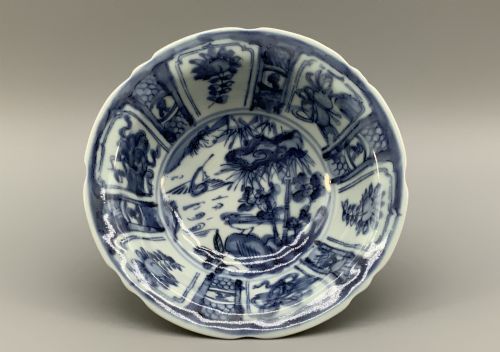
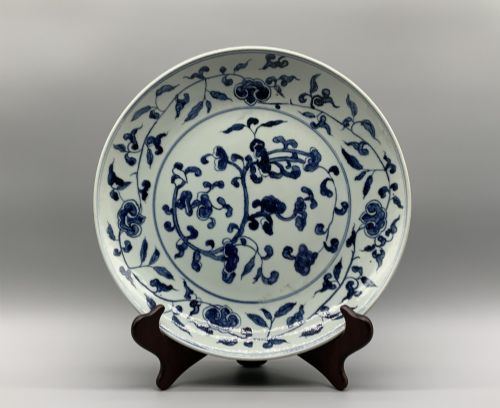
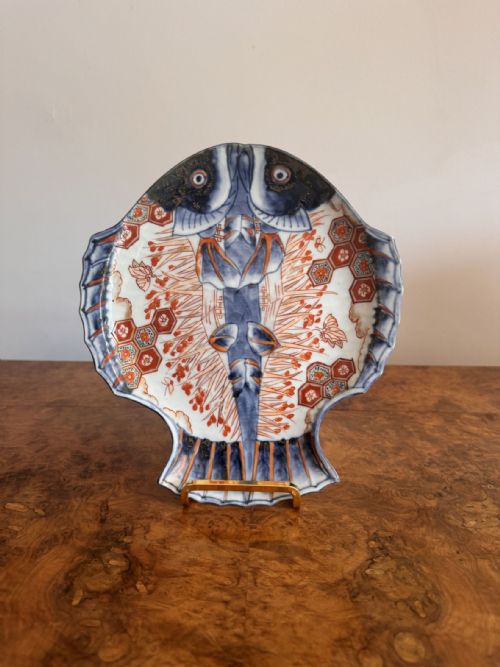
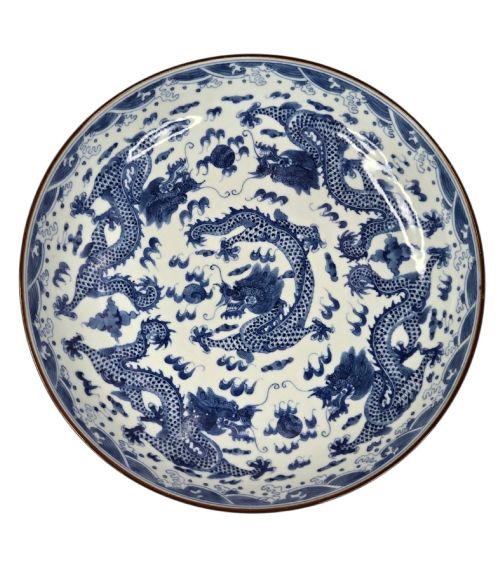
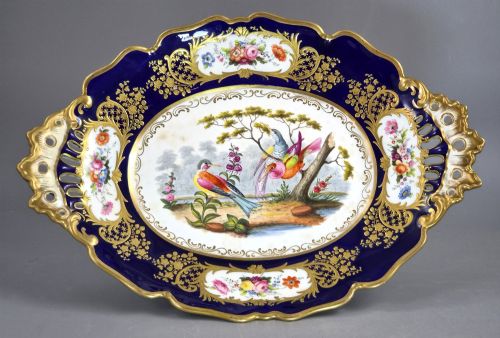
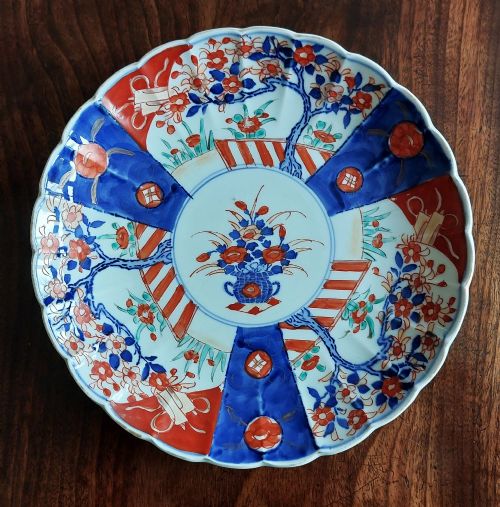
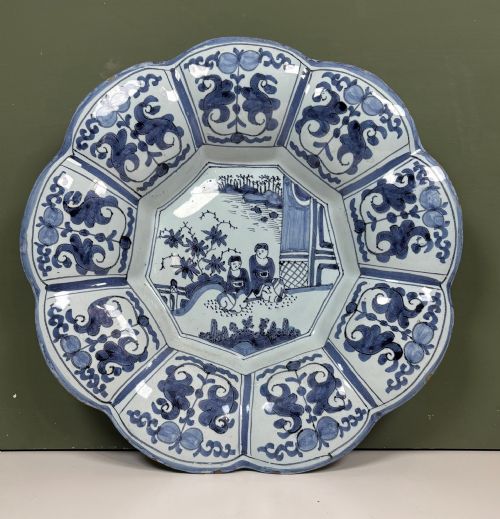
A cobalt blue ceramic dish unites centuries of global potting traditions, ranging from early Chinese export wares to European delftware and Japanese Arita output. Collectors seeking this phrase commonly encounter decorative plates, chargers, cabinet plates, and table bowls across various historical periods.
The selection on this page relies heavily on items produced during the seventeenth, eighteenth, and nineteenth centuries. These examples include tin-glazed earthenware and porcelain objects featuring underglaze blue decoration.
Forms vary from large Kraak plates and klapmuts bowls to covered dishes and decorative wall chargers. Each piece demonstrates the enduring appeal of contrasting blue pigment against a pale ceramic ground.
How they were made
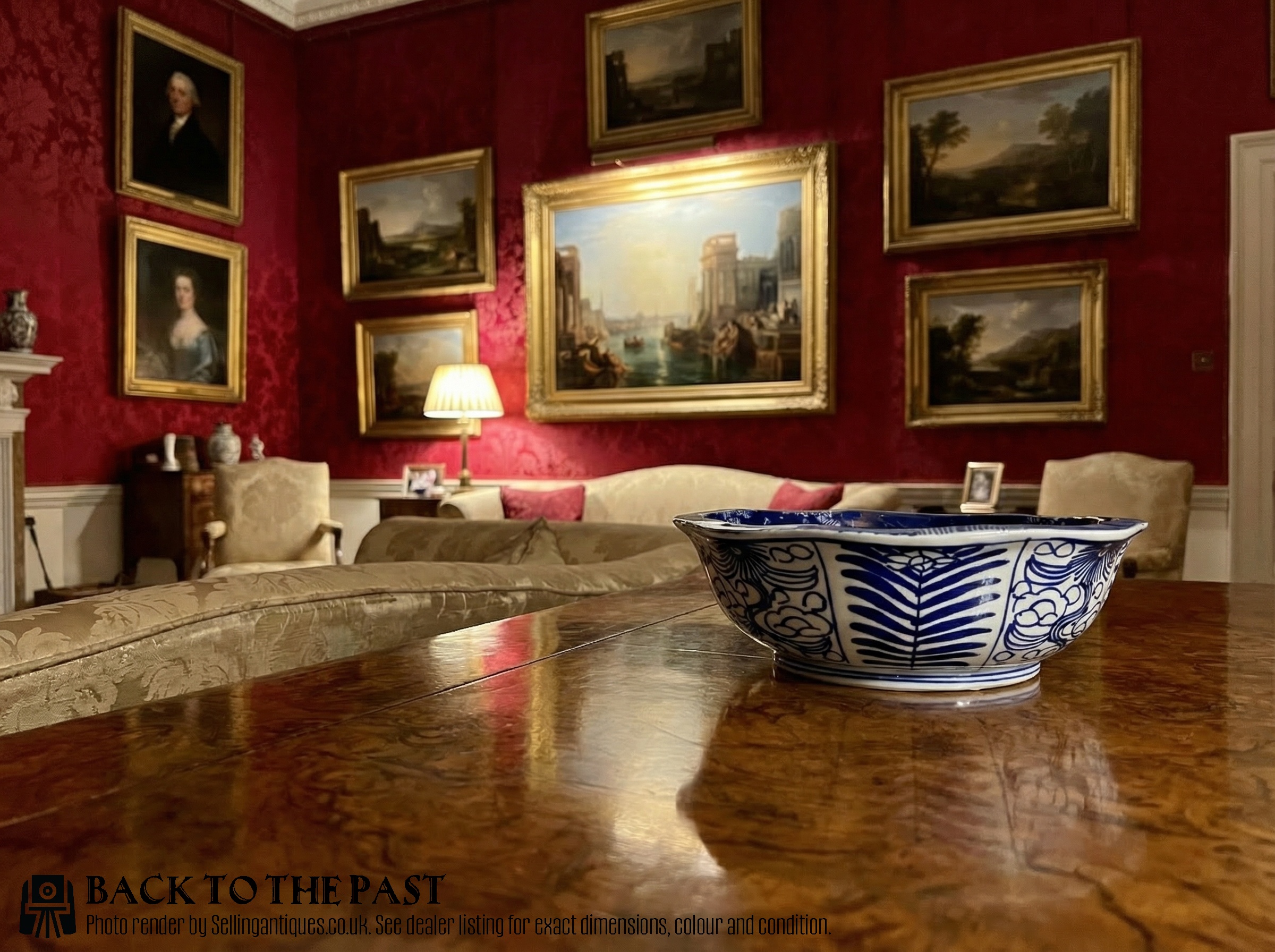
Potters achieved the distinctive colouration of a cobalt blue ceramic dish by applying cobalt pigment beneath a clear glaze or directly onto tin glaze before firing. This mineral application required precise kiln temperature control to stabilise the intense blue hue.
Materials span earthenware, tin-glazed earthenware, and fine porcelain bodies shaped by hand or wheel. Select examples also integrate supplementary details such as gold leaf or enamel highlights over the fired glaze.
Retail Price Guide 2026
Typical UK retail prices for cobalt blue ceramic dish, calculated from the Sellingantiques database of over a million retail prices indexed since 2003. This retail price guide relies exclusively on Sellingantiques data; no external sources or auction records are used, so the figures do not describe the wider market.
What varies in quality
Quality in a cobalt blue ceramic dish rests upon the clarity of the underglaze pigment and the precision of the painted brushwork. Superior examples display crisp cobalt definition without bleeding into the surrounding glaze.
The fineness of the ceramic body and the historical significance of the potting tradition heavily influence the standing of each piece. Early porcelain and tin-glazed earthenware with balanced proportions and intact glaze surfaces represent the upper echelon of these wares.
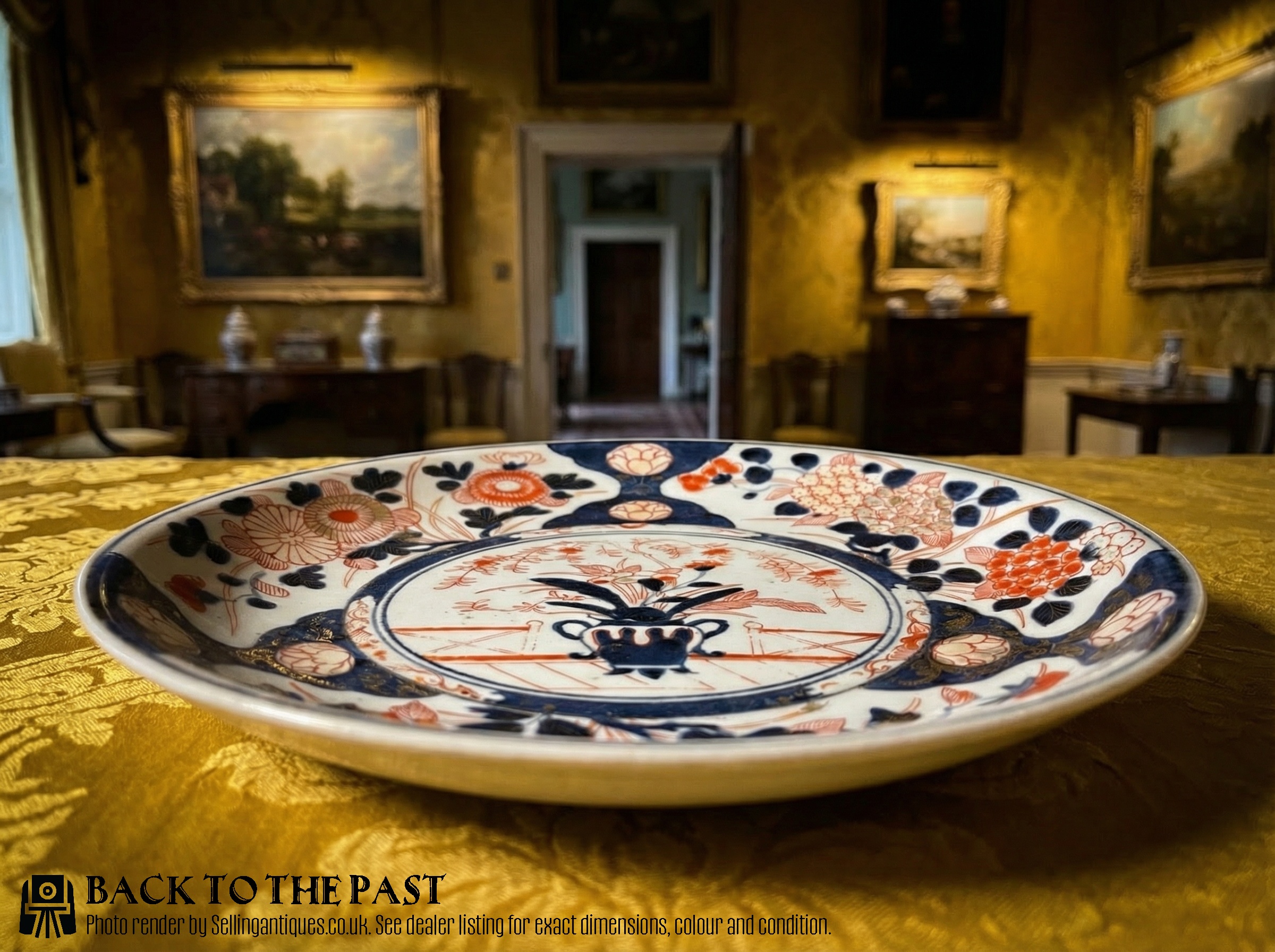
Aynsley
The Cobalt Blue Ceramic Dish Glossary
- Tin glaze
- An opaque white glaze containing tin oxide that provides a smooth surface for painted cobalt decoration on earthenware.
- Kraak porcelain
- Chinese export porcelain characterised by panelled border designs and central motifs, frequently produced during the late Ming and seventeenth century.
- Underglaze
- A decoration technique where pigment is applied to the ceramic body before the application of a clear glaze and subsequent high-temperature firing.
- Arita
- Japanese porcelain produced in Hizen province, known for refined blue and white decoration exported extensively through Western trading companies.
Frequently Asked Questions
How do I care for a cobalt blue ceramic dish?
Clean these historic pieces gently by hand using lukewarm water and mild soap, avoiding harsh abrasives or prolonged soaking. Dry them thoroughly with a soft cloth to protect the glaze and any delicate enamel or gold leaf details.
Display or store the items away from direct sunlight and sudden temperature fluctuations to preserve the ceramic body and surface finish over time.
Were these dishes used daily or displayed?
Many examples began as functional tableware for dining or food service, whilst larger chargers and cabinet plates were intended primarily for display. Over time, surviving pieces transition into decorative objects appreciated for their craftsmanship and historical design.
Examine the foot ring and surface wear to understand how individual vessels interacted with domestic life in past centuries.
How can I tell eighteenth century pieces apart?
Eighteenth century pieces often reveal distinct characteristics in their glaze composition, weight, and cobalt pigment tone compared to nineteenth century items. Tin-glazed earthenware displays a softer body and characteristic glaze pooling, whereas porcelain exhibits greater vitrification.
Study the painting style and border motifs, as kilns evolved their decorative vocabulary across successive generations.