









Japanese Floral Porcelain Dish
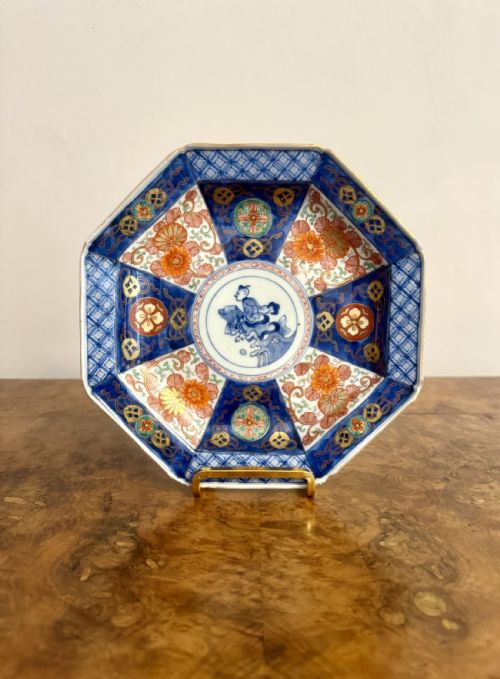
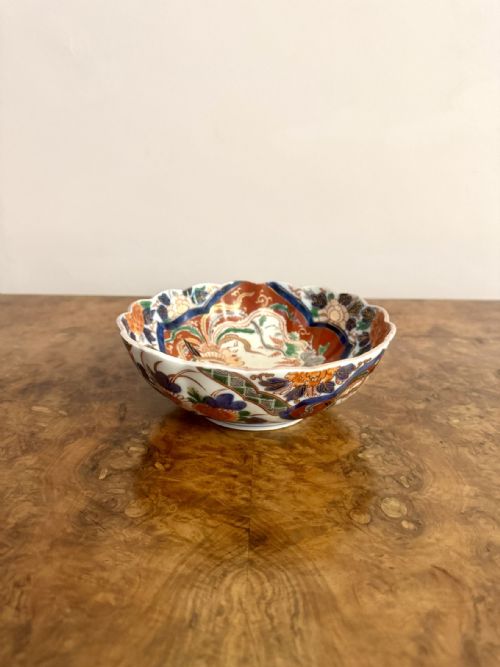
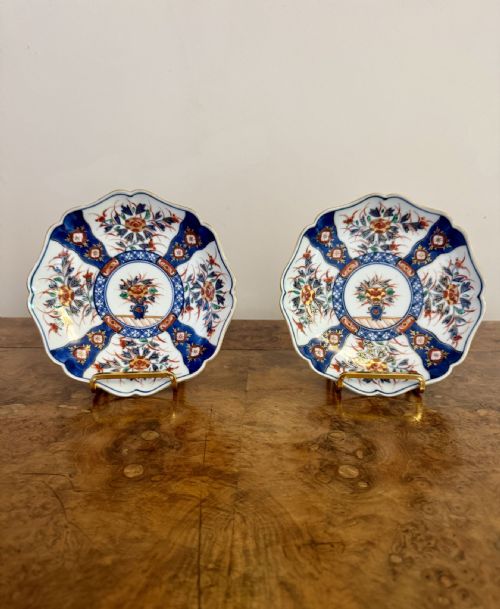
A japanese floral porcelain dish brings rich cobalt and iron-red decoration into a room, offering the bold patterns developed by traditional kiln workers.

Japanese Floral Porcelain Dish
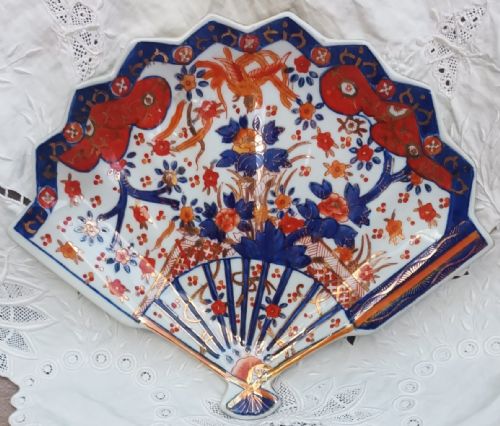
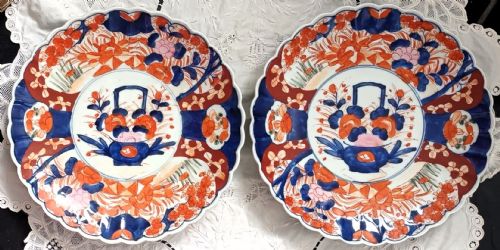
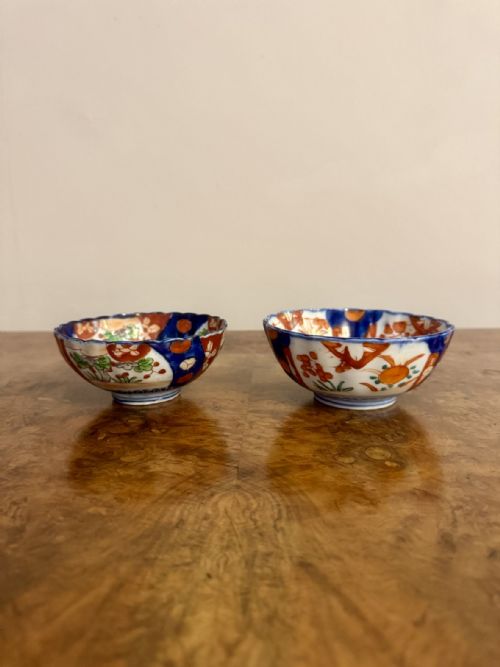
A japanese floral porcelain dish encompasses decorative plates, bowls, and chargers shaped with scalloped or hexagonal edges. These pieces showcase floral, bird, and landscape motifs drawn from historical designs.
The pieces appearing most frequently originate from the Meiji period and the nineteenth century, often grouped under Imari, Arita, or Satsuma styles. They range from small cabinet dishes to large chargers made for display.
How they were made
Potters shaped fine porcelain and earthenware bodies before applying cobalt underglaze pigments and enamel colours. Kiln workers then fired these pieces to fix the intricate painted designs.
Many items incorporate gold leaf, gilding, and raised moriage details over the glaze to highlight the floral and avian subjects. This combination of techniques produces the textured surface typical of Satsuma and Kutani wares.
Japanese Floral Porcelain Dish Retail Price Guide 2026
Typical asking prices for japanese floral porcelain dish among the pieces listed under this phrase on Sellingantiques today, from the lower quarter to the upper quarter. They describe what is for sale here now, not the wider market.
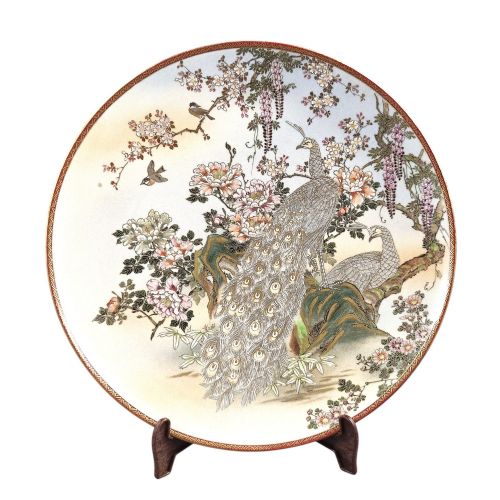
Peacocks strut among wisteria and peonies on Meiji chargers, bringing noisy courtyard birds into quiet nineteenth-century drawing rooms.
What varies in quality
The precision and crispness of the hand-painted brushwork dictate the distinction between standard production and superior examples. Artisans who executed finer lines and balanced compositions created more desirable objects.
The richness of the enamel palette and the careful application of gold leaf influence the visual depth of a piece. Well-preserved gilding and vibrant underglaze cobalt indicate careful historic handling.
Kozan
The Japanese Floral Porcelain Dish Glossary
- Imari
- A style of Japanese porcelain featuring a distinctive palette of cobalt blue, iron red, and gold. It originated in the town of Arita and became widely exported.
- Meiji Period
- The era in Japanese history spanning from 1868 to 1912, associated with increased production of decorative arts for international markets.
- Moriage
- A decorative technique using slip applied in raised dots or lines to create texture on pottery and porcelain. It is frequently found on Satsuma wares.
- Charger
- A large decorative plate intended for display on a wall or sideboard rather than for practical dining use. These large pieces often show complex central floral motifs.
Japanese Floral Porcelain Dish: Frequently Asked Questions
How were these dishes used?
Large chargers and plates served primarily as decorative display items on walls, cabinets, or tables in both Japanese and Western interiors. Smaller bowls and dishes functioned as tableware for serving food or holding small items.
Over time, collectors shifted these items entirely into the realm of display art, mounting chargers on walls and placing plates in cabinets to protect the painted surfaces from wear.
How do I identify Meiji period pieces?
Meiji period items typically date from the late nineteenth or early twentieth century, reflecting the artistic output permitted after Japan opened trade ports. They often combine traditional motifs with techniques adapted for export markets.
Examining the paste, glaze thickness, and stylistic conventions helps separate these nineteenth-century items from later reproductions or earlier Edo period wares.
What is the difference between Imari and Satsuma?
Imari wares use a hard porcelain body decorated with cobalt blue underglaze and iron red overglaze, frequently enhanced with gold. They present a crisp, resonant surface with bold geometric and floral patterns.
Satsuma wares feature a softer earthenware body with a fine crackle-glaze, painted with detailed enamels and raised moriage work. These pieces lean towards pictorial scenes involving figures, birds, and dense flower arrangements.
How do I care for antique porcelain?
Display these items away from direct sunlight to prevent any fading of the overglaze enamels and gold leaf. Dust them gently with a soft, dry cloth without applying water or cleaning solutions.
Avoid using antique dishes for holding acidic foods or liquids, as historic glazes and enamel pigments can react or sustain surface abrasion over time.