







Iron Red Imari Porcelain
Iron red imari porcelain plates, bowls, vases, and chargers deliver rich Japanese aesthetics that elevate any traditional room.
What Iron Red Imari Porcelain Pieces Are
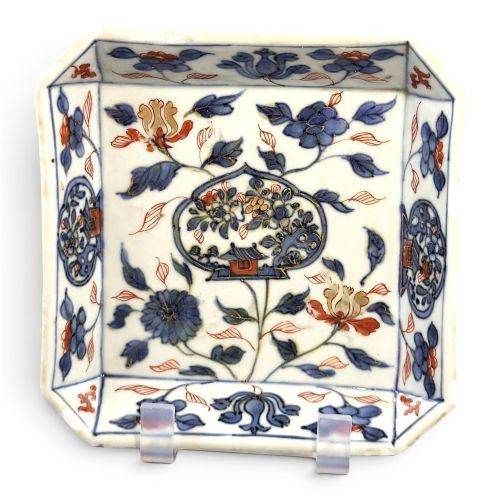
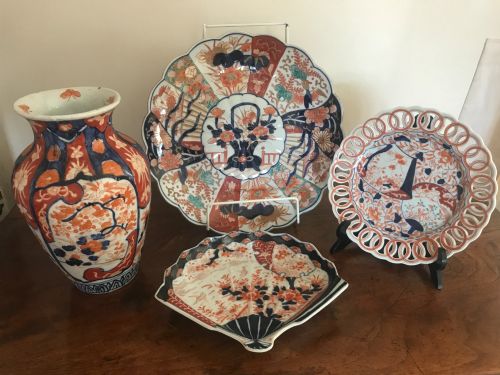
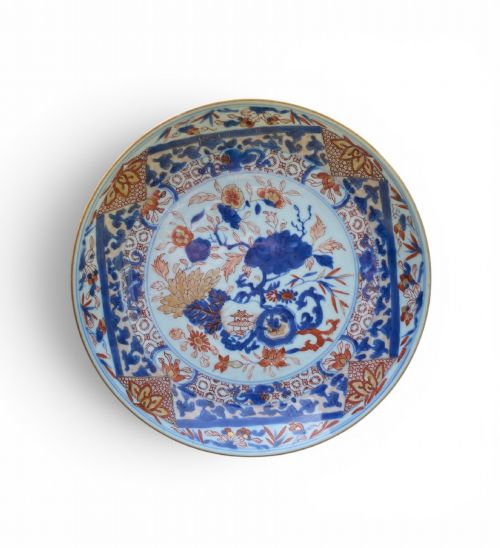
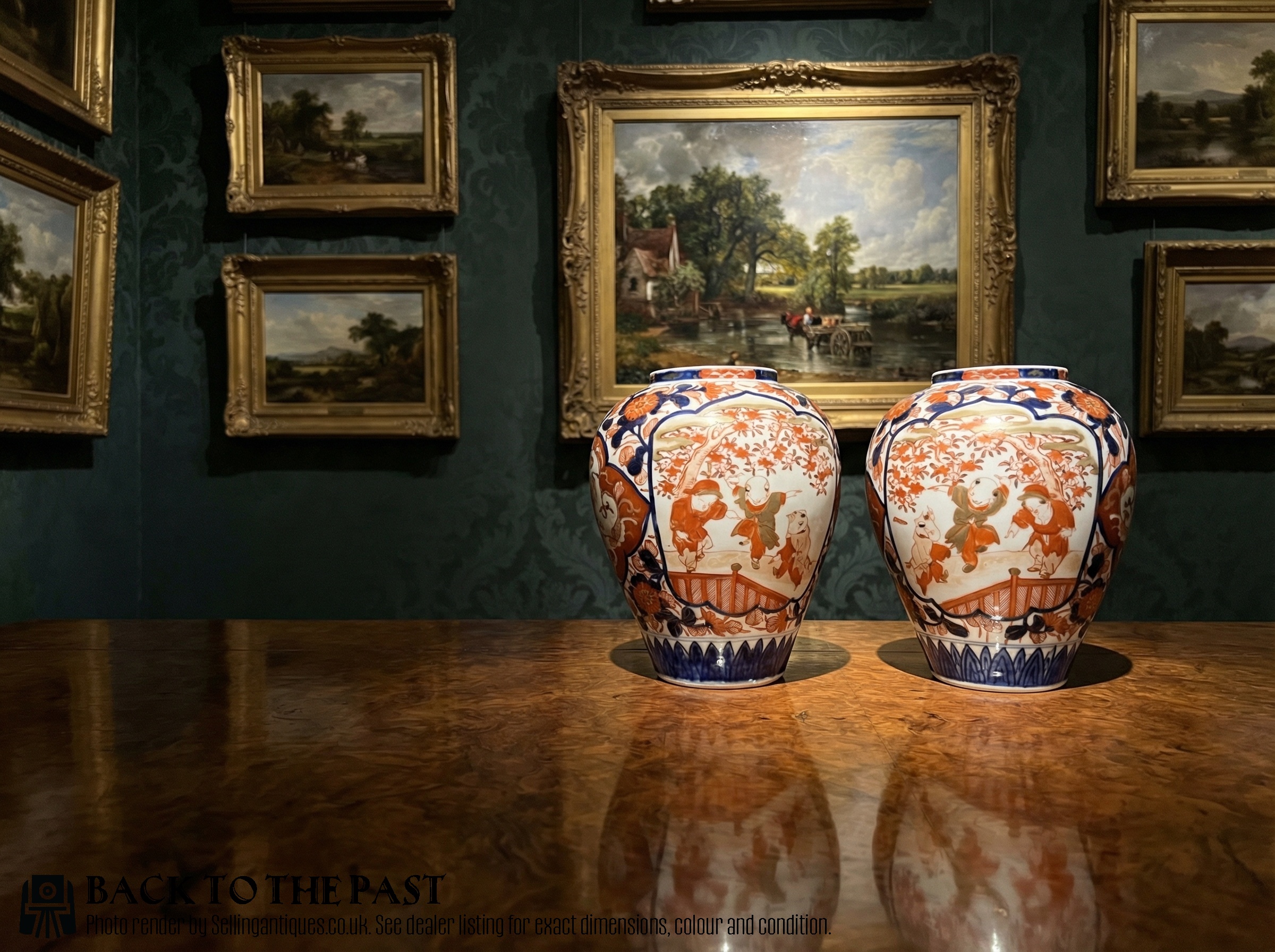
Iron red imari porcelain items include decorative plates, bowls, dishes, vases, and jars originating from Japanese production. These objects span periods such as the nineteenth century, eighteen eighty, and nineteen hundred, alongside the Meiji period.
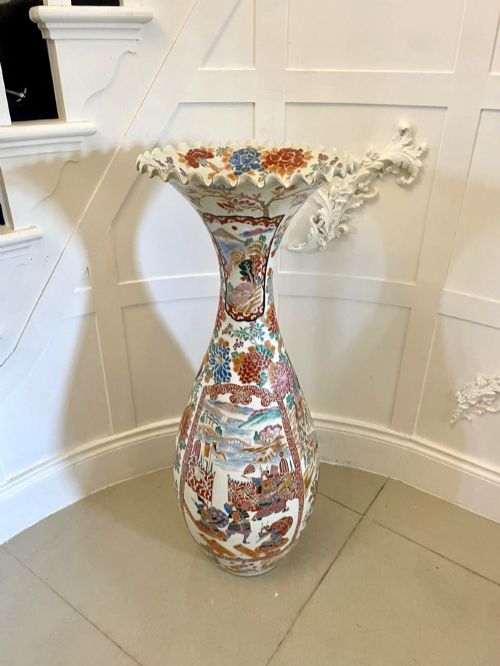
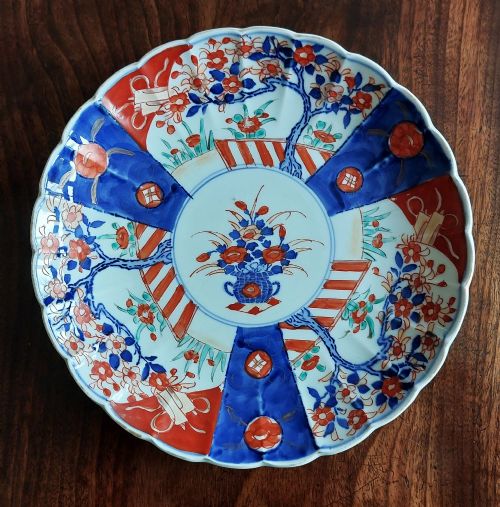
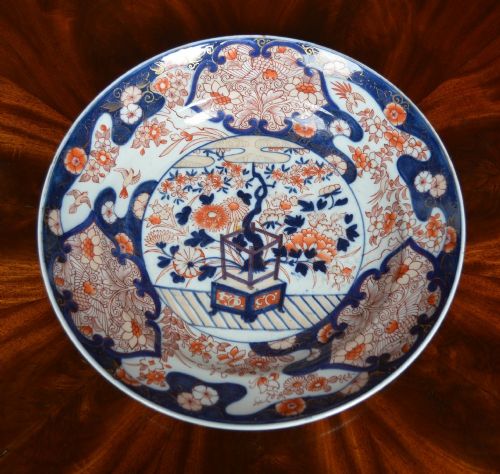
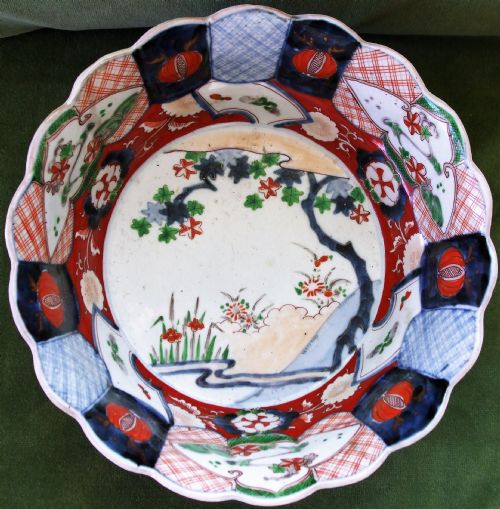
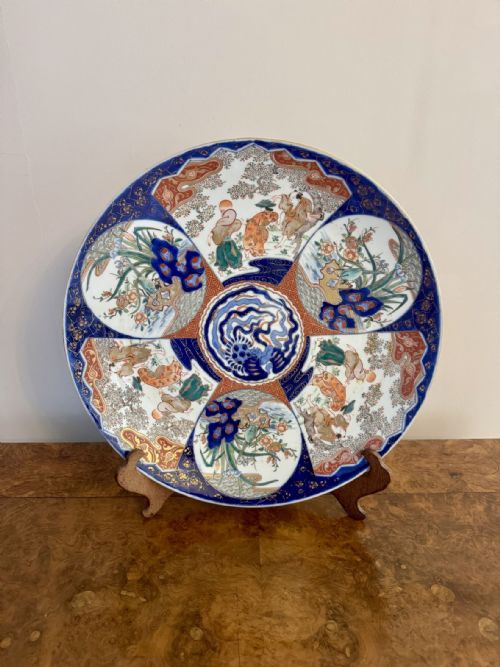
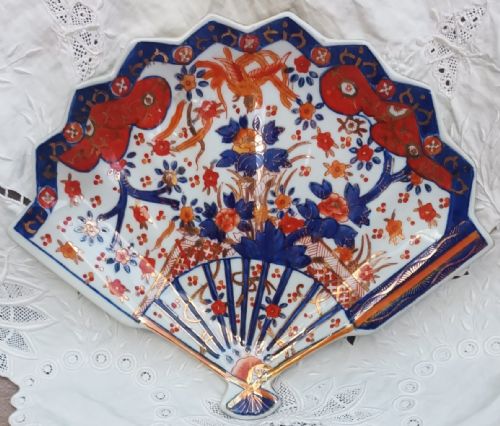
The assortment on this page focuses on decorative vessels and tableware that display the distinctive Japanese imari style. Buyers encounter pairs of vases, chargers with scalloped rims, and individual plates created during these eras.
How They Were Made
Maker operations utilised fine porcelain as the foundational body for these pieces, shaping them into plates, bowls, and vases. Artisans applied glaze to seal the ceramic surface before adding detailed decorative elements.
Production incorporated enamel colours alongside gold leaf highlights to build up the intricate patterns characteristic of the style. Kiln firing fixed these mineral pigments and metallic accents permanently onto the porcelain body.
Retail Price Guide 2026
Typical UK retail prices for iron red imari porcelain, calculated from the Sellingantiques database of over a million retail prices indexed since 2003. This retail price guide relies exclusively on Sellingantiques data; no external sources or auction records are used, so the figures do not describe the wider market.
Listings feature porcelain, enamel, gold leaf, and glaze applied across nineteenth-century and nineteen hundred periods.
What Varies in Quality
Superior examples display precise brushwork in the iron red enamel and generous application of gold leaf across the porcelain surface. Finer decorative plates and vases maintain crisp painted lines and well-balanced compositions that distinguish them from simpler output.
The crispness of the moulded porcelain form and the refinement of scalloped rim details indicate the level of care taken during production. Pieces showing richer colour saturation and more complex patterning represent the upper tier of the range.
The Iron Red Imari Porcelain Glossary
- Imari
- A style of Japanese porcelain decorated in underglaze blue and iron red, often supplemented by gold, green, and other enamel colours. This aesthetic originated in Hizen province and gained immense popularity in the West.
- Meiji Period
- The era in Japanese history spanning from eighteen sixty-eight to nineteen twelve, marked by the reign of the Emperor Meiji. Pieces from this time show high technical skill in ceramics and decorative arts.
- Charger
- A large ornamental plate intended for display on a sideboard or wall rather than for dining use. These large items showcase expansive painted scenes.
- Scalloped Rim
- An edge shaped into a series of graceful curves rather than remaining straight or circular. This treatment appears frequently on decorative dishes and plates from the nineteenth century.
Frequently Asked Questions
What is iron red imari porcelain?
Iron red imari porcelain refers to Japanese ceramic wares decorated with a dominant reddish-orange iron pigment, alongside underglaze blue and gilt accents. These objects include bowls, vases, plates, and chargers.
Craftsmen produced these items during the nineteenth century and the Meiji period for both domestic use and export markets. The aesthetic combines bold cobalt blue with warm iron red tones.
How were imari vases used?
Imari vases and jars served primarily as decorative ornaments within domestic interiors during the nineteenth and early twentieth centuries. Their bright enamel colours made them focal points in reception rooms.
Larger vessels and chargers were displayed on furniture or hung on walls to showcase wealth and taste. They were intended for visual impact rather than holding cut flowers.
How do I date imari porcelain?
Dating these ceramics involves examining the porcelain body, the characteristics of the glaze, and the specific palette of the enamel paints. Nineteenth-century pieces often display heavier potting and specific iron red tones.
Items associated with the Meiji period reflect the manufacturing standards of late nineteenth-century Japan. Comparing the style of decoration to known dated examples helps narrow down the timeframe.