

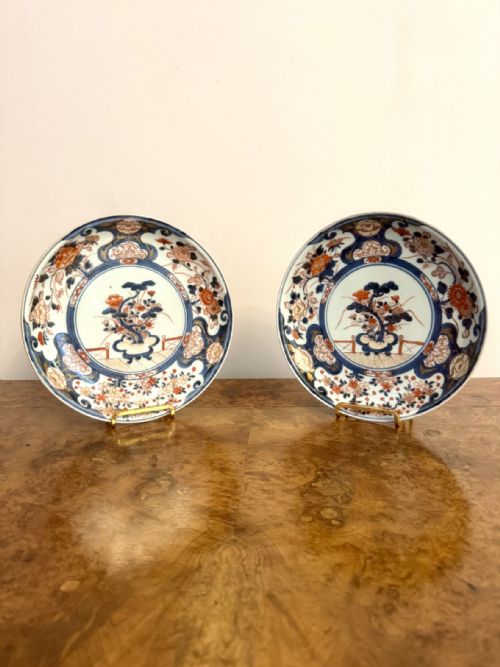
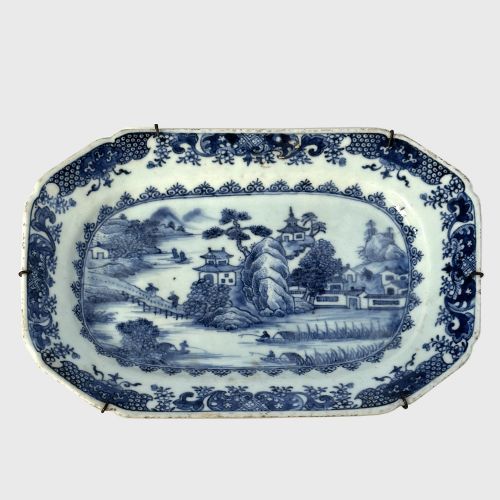


Underglaze Blue Porcelain Charger
Underglaze blue porcelain chargers are large decorative plates painted with cobalt beneath the glaze, prized for their rich blue tones and bold motifs.

Underglaze Blue Porcelain Charger
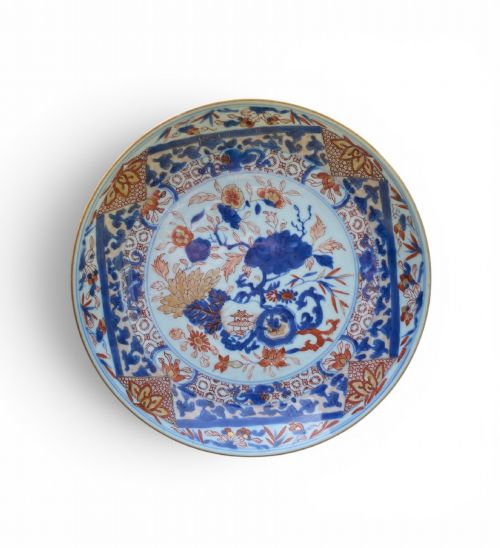
An underglaze blue porcelain charger is a broad display dish designed for visual impact rather than dining, originating from workshops in China and Japan as well as English factories.
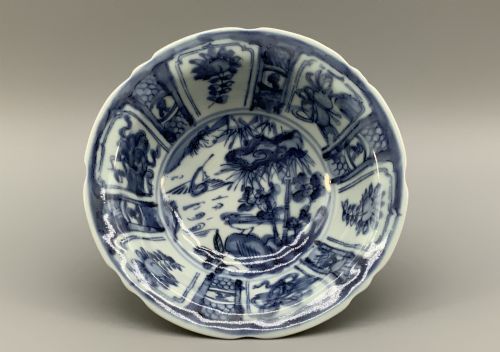
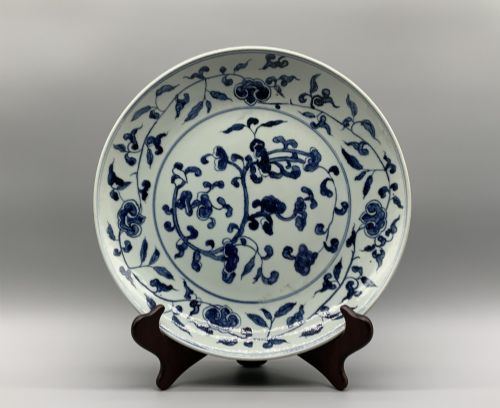
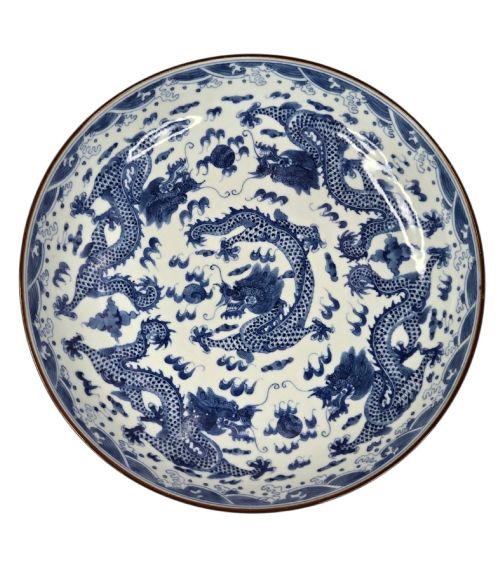
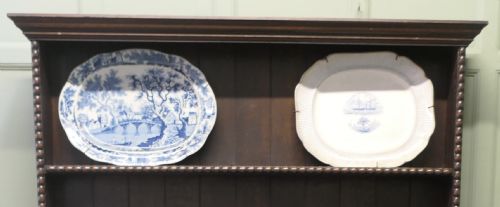
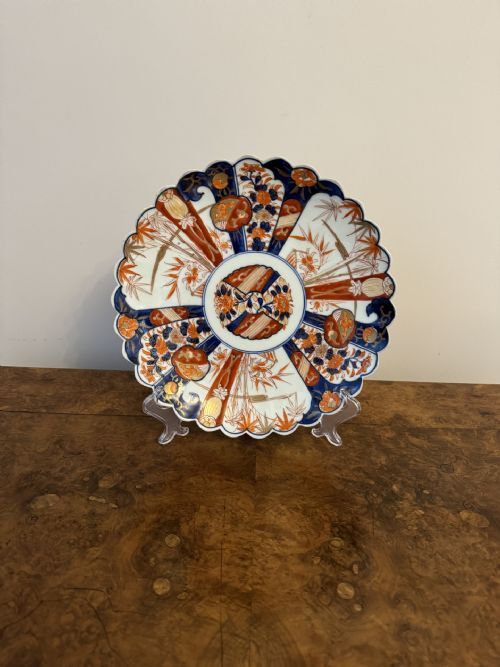
The selections on this page span several centuries, featuring Kangxi period pieces, Qing Dynasty wares, and later Japanese Imari and Arita productions alongside English pearlware.
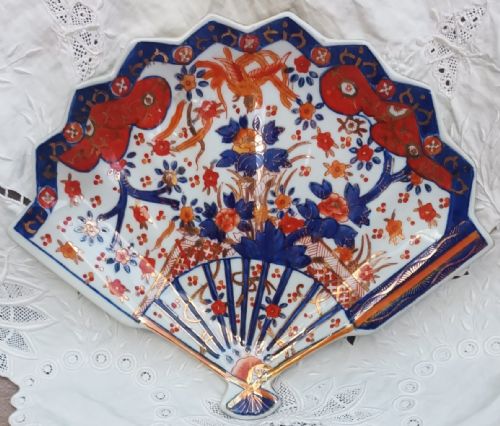
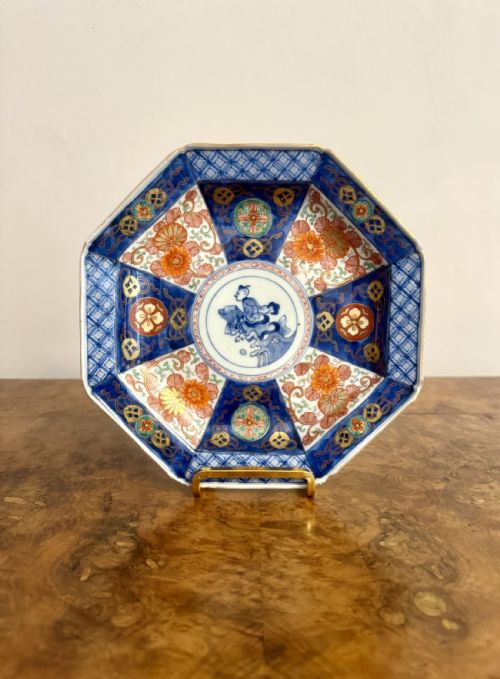
Forms range from simple round platters to lobed bowls, scalloped edges, and hexagonal plates decorated with dragons, floral motifs, and koi carp.

How they were made
Potters applied cobalt pigment directly onto the raw porcelain body before covering the piece in a transparent glaze and firing it at high temperatures.
This technique locked the cobalt pigment permanently beneath the glossy surface, protecting the decoration from wear and fading over centuries.
Certain wares incorporated additional touches such as enamel highlights and gold leaf applied over the glaze during secondary firings.
Listings feature periods ranging from the 16th century through the Victorian era, spanning Chinese, Japanese, and English origins.
What varies in quality
Quality depends upon the precision of the cobalt brushwork and the clarity of the white porcelain ground beneath the glaze.
The crispness of moulded details, such as barbed rims and lobed sides, distinguishes finer pieces from simpler commercial production.
The Underglaze Blue Porcelain Charger Glossary
- Underglaze blue
- Pigment applied beneath the protective transparent glaze before firing. This method ensures the decoration remains permanent and protected against daily wear.
- Imari
- A style of Japanese porcelain featuring cobalt blue combined with iron red and gold. Originating in Arita, these wares were heavily exported to Europe.
- Charger
- A large decorative plate or platter used primarily for display on sideboards or walls. They measure significantly larger than standard dining plates.
- Kangxi period
- An era of the Qing Dynasty known for exceptional porcelain production and brilliant cobalt tones. Pieces from this time often display fine potting and intricate detail.
Underglaze Blue Porcelain Charger: Frequently Asked Questions
How were underglaze blue porcelain chargers used?
These large dishes were traditionally displayed upright on sideboards, tables, or walls rather than used for serving food at the table.
Their substantial size and intricate painted designs made them striking decorative centrepieces in wealthy interiors.
How do I identify Chinese export chargers?
Chinese export pieces generally feature traditional motifs created specifically for the European market, often combining Eastern forms with Western decorative preferences.
Examination of the foot ring and the tone of the cobalt pigment helps distinguish these pieces from domestic wares.
What is Japanese Imari porcelain?
Japanese Imari porcelain is characterised by a palette of underglaze cobalt blue and iron red, frequently accented with gold leaf.
These wares were produced in Arita from the Edo period onwards and exported extensively.
How do I care for antique porcelain?
Antique chargers require gentle handling and should be kept away from direct sunlight and areas subject to sudden temperature changes.
Dust them lightly with a soft, dry cloth and avoid using chemical cleaning agents on the glazed surface.