







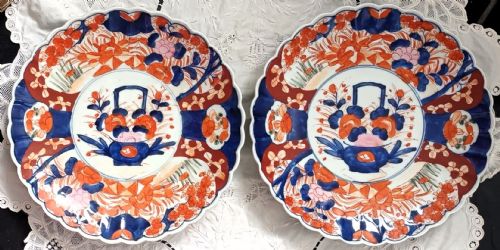
Japanese Decorative Dish
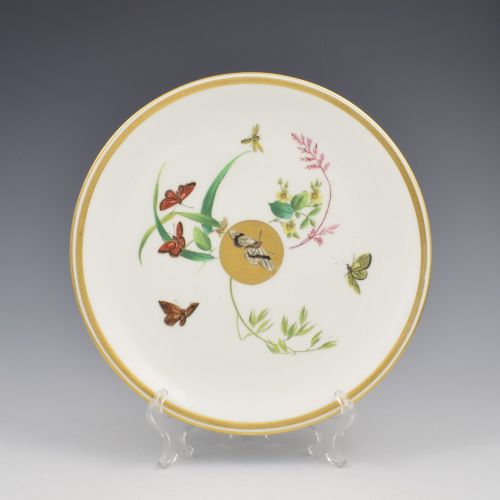
These japanese decorative dish examples bring rich Meiji period colour and intricate craftsmanship straight to your table.

Japanese Decorative Dish Forms
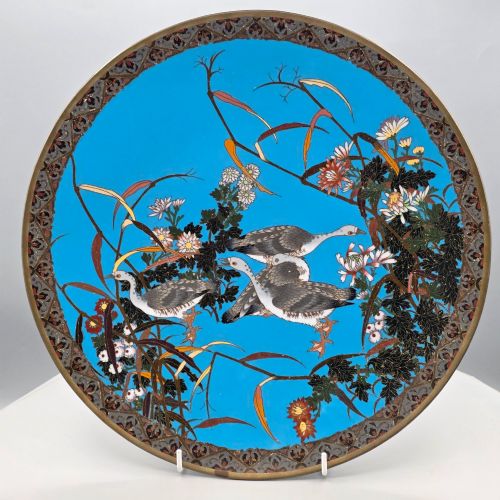
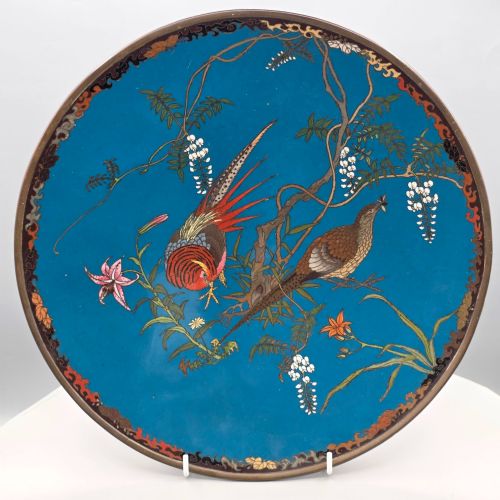
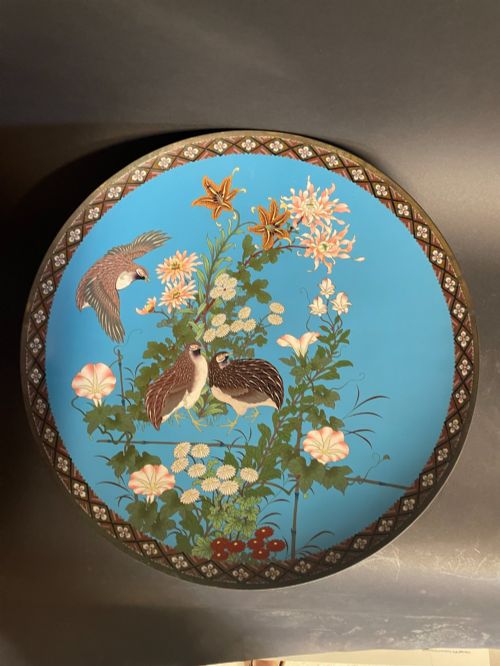
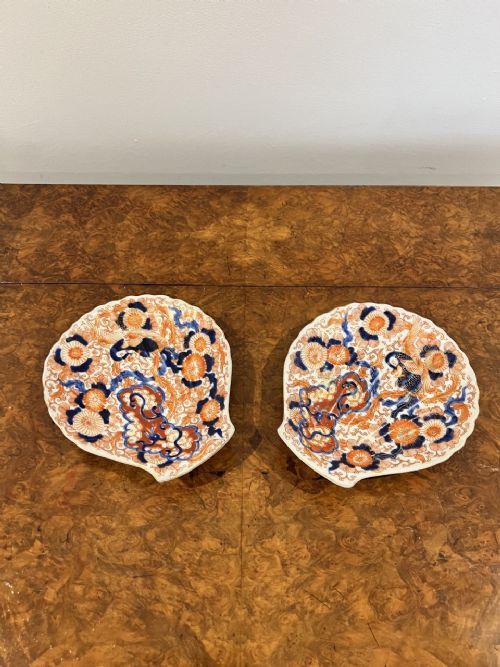
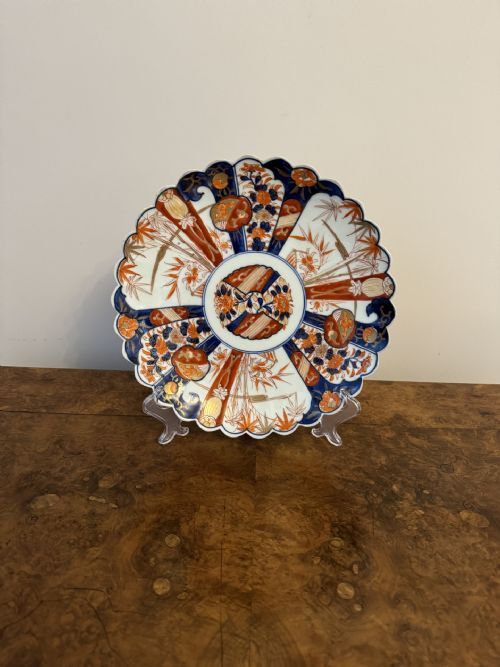
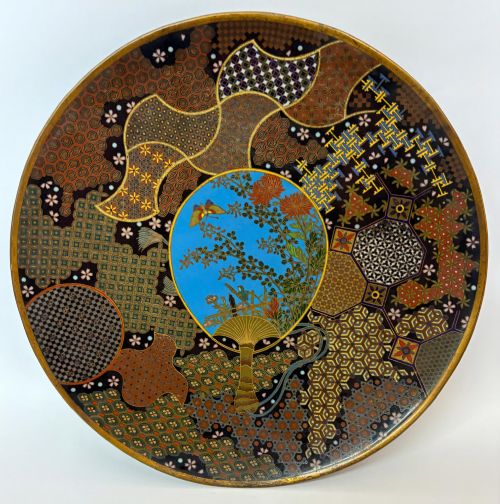
A japanese decorative dish encompasses chargers, bowls, and plates originating from late nineteenth century makers. Collectors encounter Satsuma earthenware and Imari porcelain alongside cloisonne enamel vessels.
The pieces on this page span the Meiji period and Edwardian eras, showing traditional motifs such as koi carp, peonies, and phoenixes. Blue and gilt accents frequently define the cobalt decoration on these decorative bowls and plates.

Materials and Construction
Potters shaped earthenware and porcelain before applying detailed enamel, glaze, and gold leaf highlights. Metalworking appears in copper vessels decorated with cloisonne enamelling techniques.
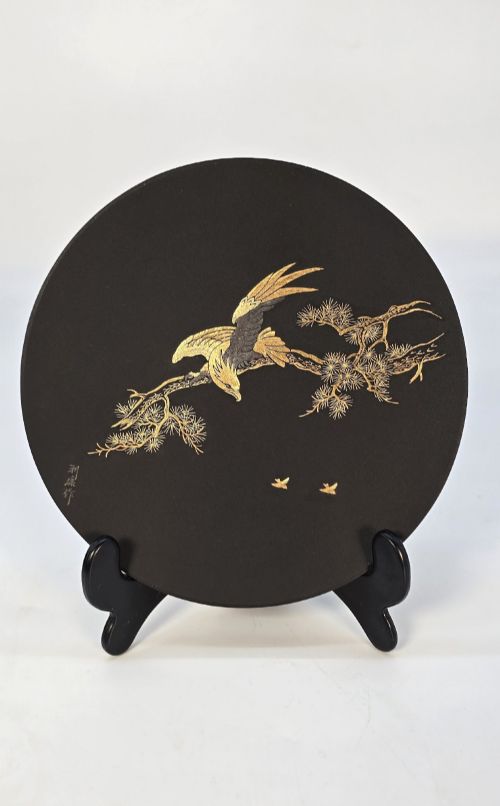
Signed works from notable workshops utilise intricate hand-painted designs combined with raised gilt accents and distinct clan crests.
Retail Price Guide 2026
Typical UK retail prices for japanese decorative dish, calculated from the Sellingantiques database of over a million retail prices indexed since 2003. This retail price guide relies exclusively on Sellingantiques data; no external sources or auction records are used, so the figures do not describe the wider market.
The listed pieces combine Satsuma earthenware, Imari porcelain, and copper cloisonne enamel from the Meiji and Edwardian periods.
Assessing Quality
Quality rests upon the precision of the hand-painted brushwork and the complexity of the enamel or gilt detailing. Signed pieces by recognised makers demonstrate superior artistic execution compared to unmarked domestic wares.
The crispness of the motifs, such as koi carp scales or phoenix feathers, separates standard production items from master-level creations.
Kinkozan Kyoto·Nikko·Hododa Yokohama
The Japanese Decorative Dish Glossary
- Satsuma
- A type of Japanese earthenware featuring a crackle glaze and elaborate overglaze enamel painting with gilt highlights. This pottery originated in the Satsuma Province and became highly popular during the Meiji period.
- Imari
- A traditional style of Japanese porcelain characterised by a palette of underglaze blue, iron red, and gold. These pieces were historically exported through the port of Imari.
- Cloisonne
- A decorative metalwork technique where enamel paste is applied within compartments created by soldered wire on a copper base. Artisans then fire and polish the surface to a smooth finish.
- Charger
- A large decorative plate used traditionally for display rather than for serving food. These substantial pieces showcase complex pictorial designs across a wide surface.
- Gilt
- A thin layer of gold applied to the surface of ceramics or metal objects to provide rich metallic accents. This finish catches the light and emphasises painted borders.
Frequently Asked Questions
What are Japanese decorative dishes?
These items are ornamental bowls, plates, and chargers created in Japan primarily during the late nineteenth and early Edwardian periods. They feature traditional hand-painted motifs executed in porcelain, earthenware, and enamel.
Craftsmen designed these objects for display, utilising rich colour palettes including cobalt blue, iron red, and gold leaf.
How do I date a Satsuma bowl?
Dating relies on examining the specific art styles, material composition, and any artist signatures or kiln crests present on the base. Pieces associated with the Meiji period often display intricate gilding and detailed crackle glazes.
Comparing the decorative motifs with documented workshop output helps narrow down the production era.
How were Imari plates displayed?
Large chargers and plates were traditionally shown on wall brackets or presented on sideboard stands to highlight their vibrant colours. Their striking patterns made them focal points in Victorian and Edwardian interiors.
Collectors today continue to display these durable porcelain pieces on plate stands or within dedicated cabinets.
What is the difference between Satsuma and Imari?
Satsuma ware consists of earthenware with a characteristic ivory crackle glaze decorated in enamel and gold. Imari objects are made from porcelain featuring a distinct underglaze blue and iron red colour scheme.
Both styles originated in Japan but utilise entirely different ceramic bodies and decorative techniques.