



Japanese Cloisonne Plate
A japanese cloisonne plate brings intricate metalwork and vibrant enamel imagery from nineteenth-century workshops into modern interiors.
Japanese Cloisonne Plate
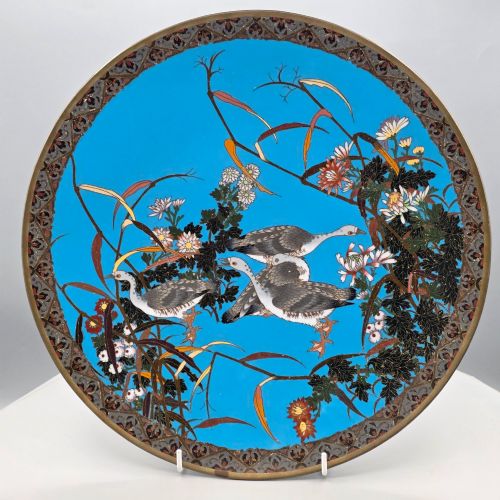
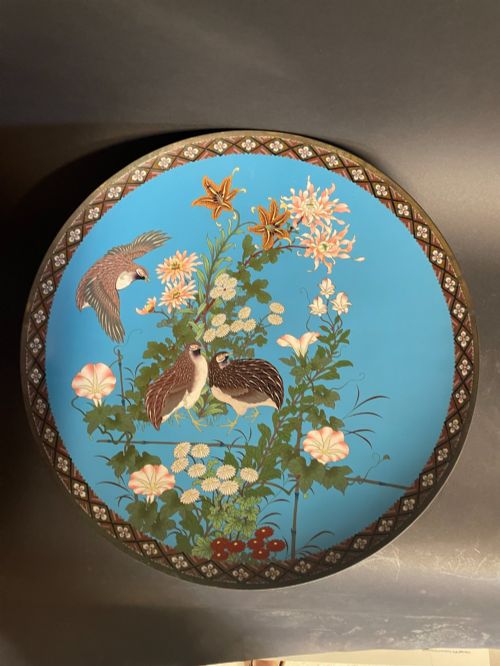
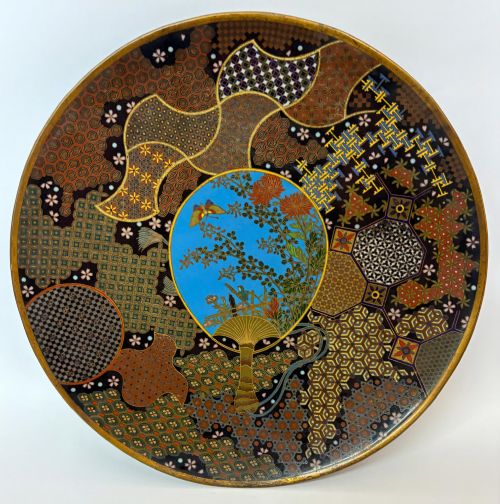
A japanese cloisonne plate spans several distinct forms including large chargers, medium dishes, octagonal trays, and square plaques produced during the nineteenth century. Most examples date from the Meiji and late Edo periods, reflecting the height of decorative metalwork in Japan.
The surface designs range from natural motifs such as geese, chrysanthemums, koi, and phoenixes to complex scenes featuring dragons, samurai, and landscapes. Collectors frequently encounter pieces originating from specific centres like Nagoya alongside signed studio works.
Vessels take the form of flat plates, deep dishes, and chargers resting on small feet or designed for wall display. Variations also include Totai Shippo pieces built upon a porcelain core rather than traditional metal bases.
Materials and construction
Artisans built each japanese cloisonne plate upon a foundation of copper, brass, bronze, or porcelain, applying thin metal wire to outline the intended motifs. These wires formed individual cellular compartments known as cloisons.
Workers filled the resulting cells with coloured enamel paste before firing the piece in a kiln to vitrify the glass surface. Repeated firings and polishings yielded a smooth face where delicate wire lines contained every shade.
Japanese Cloisonne Plate Retail Price Guide 2026
Typical asking prices for japanese cloisonne plate among the pieces listed under this phrase on Sellingantiques today, from the lower quarter to the upper quarter. They describe what is for sale here now, not the wider market.
Listings feature items constructed from copper, brass, and bronze alongside porcelain cores.
Assessing craftsmanship
Quality rests upon the precision of the wirework and the control achieved during the enamel firing process. Finer pieces display exceptionally thin, uniform wire grids and flawless vitreous surfaces free from pitting or cloudiness.
Compositional complexity and the fineness of pictorial detail separate standard production from masterworks. Signed items and those depicting elaborate subjects like leaping koi or dragons often demonstrate superior artistic execution.
Kinkozan
The Japanese Cloisonne Plate Glossary
- Cloisonne
- Enamelwork in which coloured pastes are applied within compartments formed by soldered flat wires on a metal base. This technique creates detailed patterns defined by thin metallic lines.
- Charger
- A large ornamental plate intended primarily for display rather than dining. These substantial pieces provide a wide surface for complex pictorial narratives.
- Totai Shippo
- A variation where enamel and wire are applied directly onto a porcelain body. This method combines ceramic shaping with traditional metalwork decoration.
- Meiji Period
- The historical Japanese era spanning from 1868 to 1912. Much of the surviving decorative metalwork originates from these decades of intense artistic output.
- Ho-o Bird
- A mythical phoenix motif frequently depicted in traditional Japanese art. The design symbolises virtue, grace, and imperial authority.
Japanese Cloisonne Plate: Frequently Asked Questions
How were japanese cloisonne plates used?
These pieces served primarily as decorative items for display on tables, shelves, or walls rather than for practical dining use. Their intricate enamel designs made them centrepieces in both Japanese interiors and Western collections during the nineteenth century.
Larger chargers and plaques were often mounted on stands or hung to showcase the craftsmanship of specific workshops. Smaller dishes functioned as decorative trays for cabinets or reception rooms.
How do I date a japanese cloisonne plate?
Dating relies on stylistic shifts, material composition, and manufacturing techniques spanning the late Edo and Meiji periods. Earlier nineteenth-century examples often feature heavier metal bases and distinct colour palettes compared to later Meiji production.
Signatures, where present, can link pieces to specific makers and active periods. The transition from bronze or brass foundations to thinner copper bases also helps establish chronology.
What is Totai Shippo?
Totai Shippo refers to cloisonne enamel applied over a ceramic or porcelain core instead of a traditional metal foundation. This unusual method creates pieces that combine the weight and texture of porcelain with wirework patterns.
Collectors find this technique used on plates and chargers featuring distinctive textured backgrounds such as simulated tree bark.
How should I display my plate?
Display requires stable plate stands or secure wall mountings designed for heavy metal and enamel objects. Placing items away from direct sunlight preserves the vibrancy of the coloured enamels.
Gentle dusting with a soft, dry cloth keeps the polished surface clean without risking abrasion to the delicate wire boundaries.