


19th Century Cloisonne
These metalwork vessels and decorative objects span Japanese, Chinese and European workshops, bringing vibrant coloured enamels and intricate wirework into domestic spaces.
19th Century Cloisonne
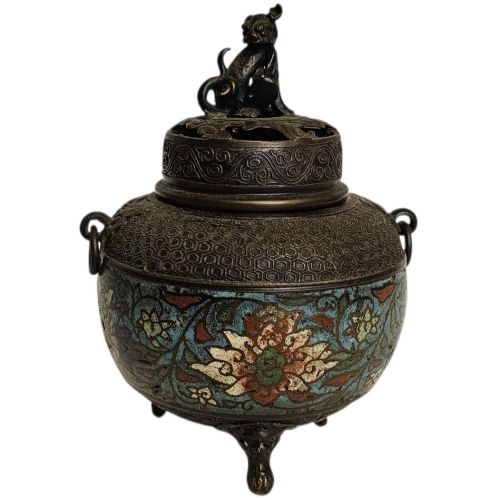
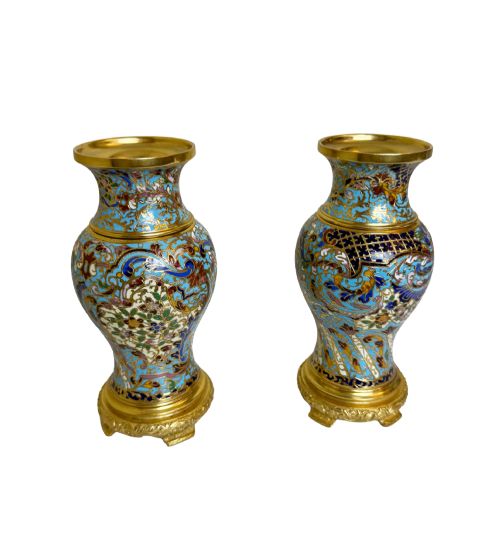
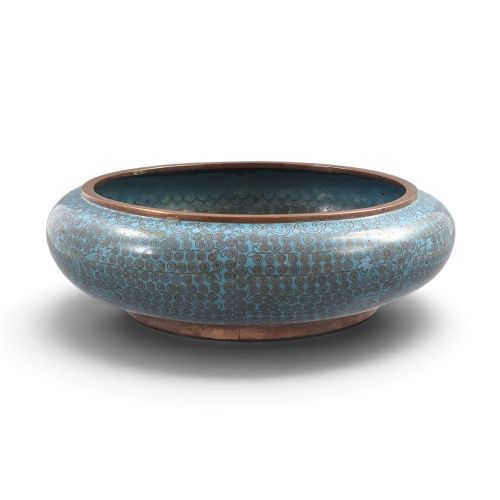
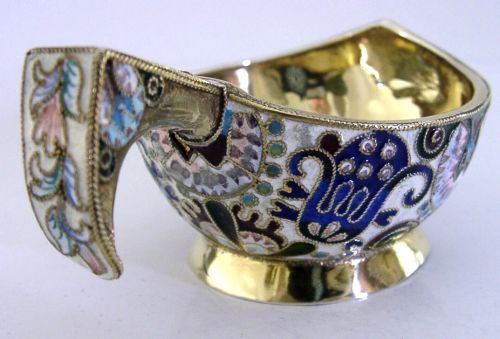
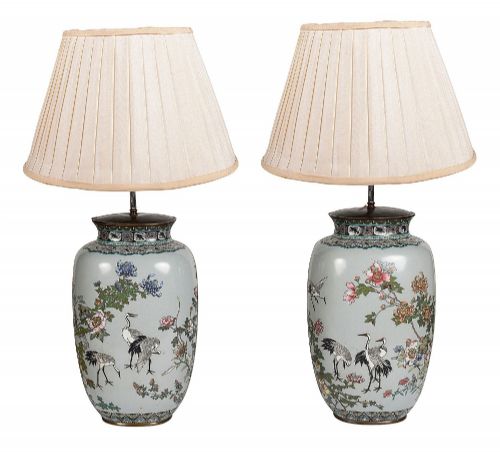
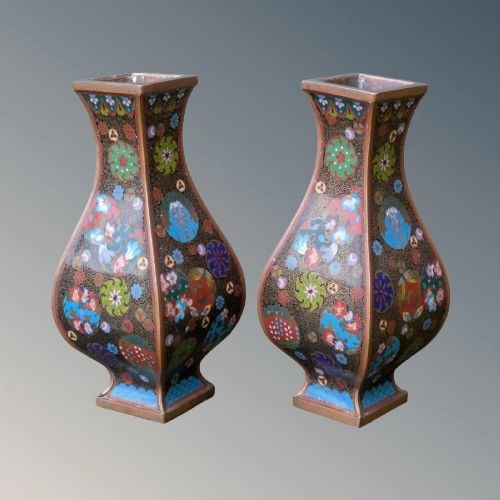
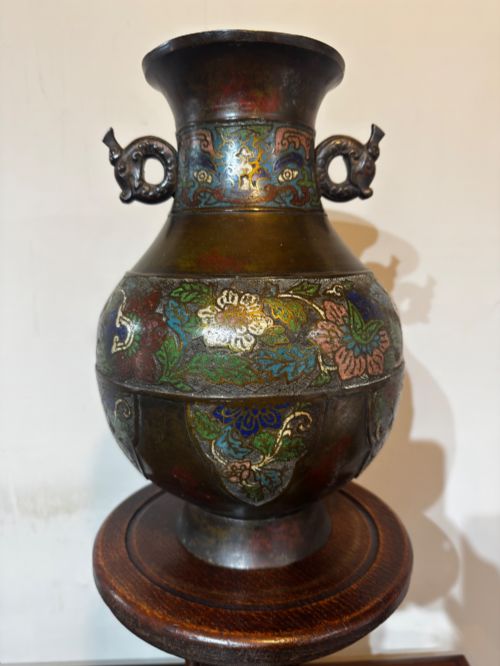
Buyers exploring 19th century cloisonne encounter a diverse selection of decorative items, including large palace vases, chargers, bowls, censers and table lamps. The selection leans heavily toward Japanese Meiji period production alongside Chinese Qing dynasty vessels and European decorative metalwork.
Vessels range from modest scholar's brush washers and lidded boxes to monumental temple water dispensers and palace vases measuring close to a metre in height. Many objects of this era combine utilitarian or ritual forms with detailed depictions of dragons, koi, phoenixes and botanical subjects.
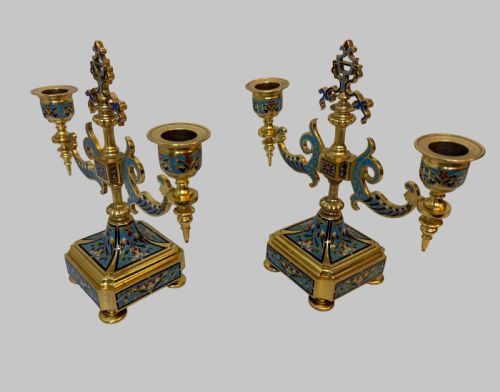
European makers also contributed to this field, producing carriage clocks, candlesticks and flatware utilising related enamel techniques. The common thread across these origins is the use of metal wire frameworks to hold coloured vitreous pastes before firing.
What varies in quality
Quality in these enamels depends on the precision of the wirework and the control maintained during the firing process. Finer pieces display crisp, uniform cell boundaries and subtle tonal gradations within the enamel fills, whereas simpler work shows irregular wire spacing or pitting on the polished surface.
The weight and ambition of the underlying metal chassis also set tiers of craftsmanship apart. Solid bronze or heavy copper foundations with deep relief elements and integrated mounts indicate superior workshop production compared to lighter, strictly utilitarian goods.
19th Century Cloisonne Retail Price Guide 2026
Typical asking prices for 19th century cloisonne among the pieces listed under this phrase on Sellingantiques today, from the lower quarter to the upper quarter. They describe what is for sale here now, not the wider market.
Shrimps, koi and leaping fish populate nineteenth-century trays, proving artisans enjoyed translating pond life into glass.
The 19th Century Cloisonne Glossary
- Cloison
- The small compartmentalised cell formed by soldered metal wires on the surface of a vessel. These individual partitions contain the coloured enamel pastes prior to kiln firing.
- Champleve
- An enamel technique where troughs or cavities are carved directly into a thick metal base rather than building up soldered wire walls. The recessed areas are then filled with enamel and fired.
- Meiji Period
- A Japanese historical era lasting from 1868 to 1912, noted for a massive surge in technically ambitious decorative arts exported to Western markets. Pieces from this time often feature highly detailed naturalistic motifs.
- Totai Shippo
- A Japanese technique involving translucent enamel applied over a porcelain body, sometimes mimicking the rough texture of tree bark. It bridges ceramic manufacturing methods with metalwork traditions.
19th Century Cloisonne: Frequently Asked Questions
How do I identify Japanese versus Chinese pieces?
Japanese items from the Meiji period frequently rely on extremely fine, almost invisible copper wires and depict realistic subjects like birds, fish and dragons against dark backgrounds. Chinese Qing dynasty examples often utilise heavier brass wire frameworks with turquoise grounds and stylised floral or archaic bronze motifs.
Examining the base and interior finish often reveals further clues about workshop origins. Chinese pieces frequently maintain traditional ritual vessel shapes, while Japanese production embraced decorative plates, palace vases and European export forms like table lamps.
What is Totai Shippo?
Totai Shippo translates to wire-inlaid porcelain, a distinct method where enamel and wire are applied directly onto a ceramic or porcelain body rather than solid metal. This technique creates unusual surface textures, such as simulated tree bark surrounding detailed enamel panels.
These pieces combine the thermal properties of pottery with the vibrant colour palettes of traditional metalwork. They represent a specialised branch of late nineteenth-century manufacturing.
Were these items made for export?
A significant portion of the large chargers, vases and decorative bowls produced in late nineteenth-century Asian workshops was specifically intended for Western collectors. International exhibitions generated immense appetite for ornate Japanese and Chinese metalwork.
At the same time, many functional objects like scholar's vessels, censers and lidded bowls were rooted in domestic ritual and scholarly traditions. These items served both practical daily uses and decorative display functions within elite households.
How should I clean and care for them?
Maintaining these surfaces requires gentle dusting with a soft, dry cloth to protect the polished metal wires and vitreous enamel fields. Moisture and harsh chemical cleaners should be avoided, as they can discolour exposed copper or brass components.
Placement away from direct sunlight and extreme temperature fluctuations preserves the stability of the enamel. Proper handling prevents stress on fitted lids, handles and converted lamp fittings.