


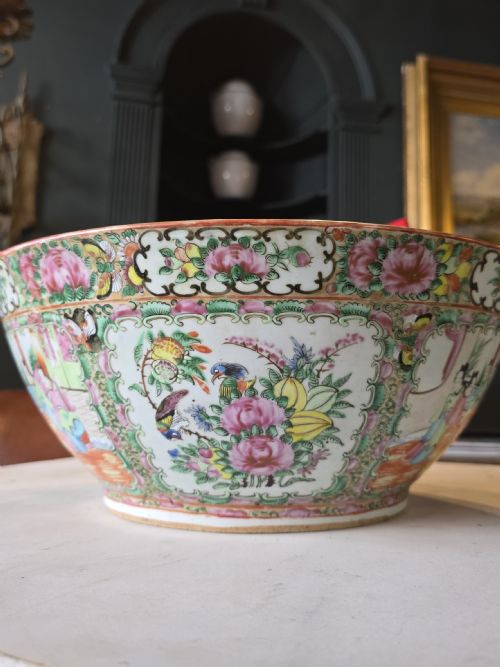


Polychrome Enamel Bowl
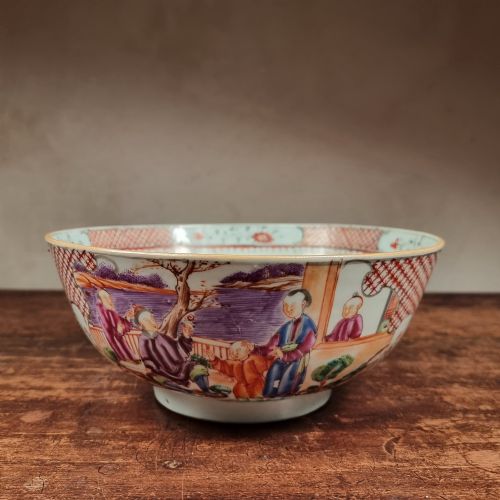
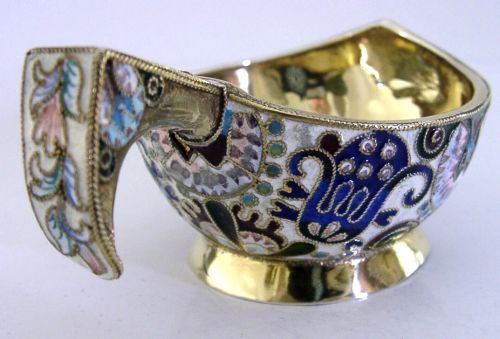
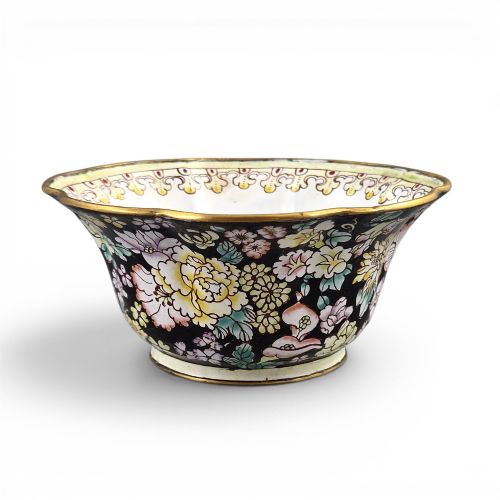
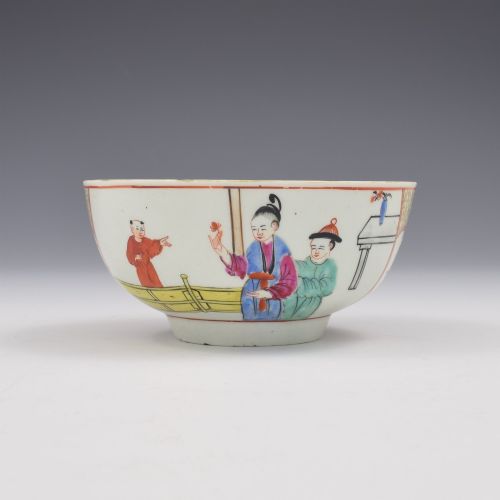
These polychrome enamel bowl pieces bring together vibrant pigments and metallic outlines from eighteenth and nineteenth-century workshops.
Polychrome Enamel Bowl
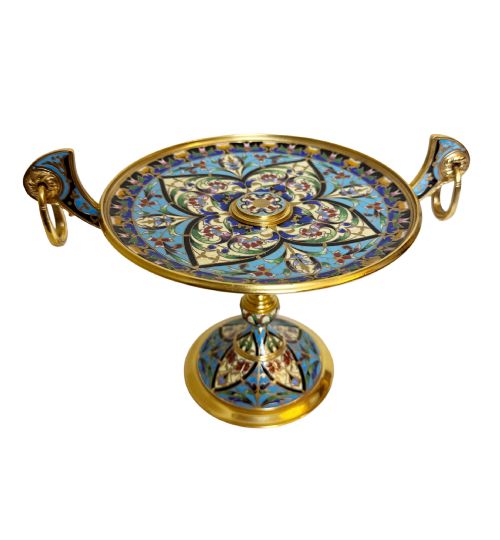
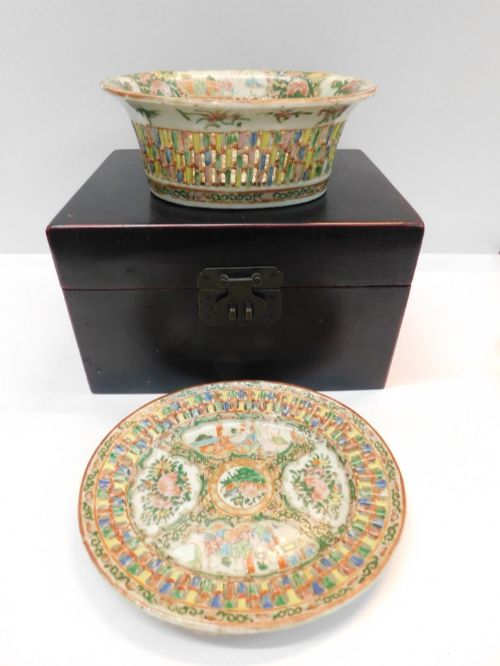
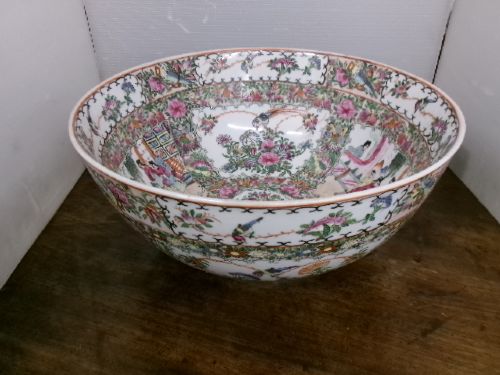
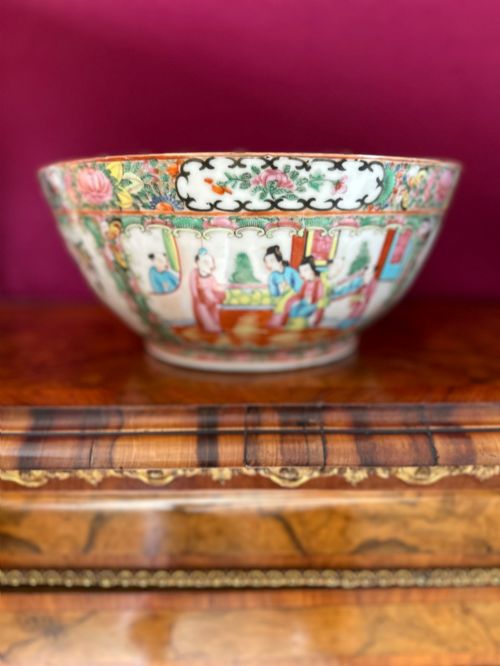
A polychrome enamel bowl brings together vibrant pigments applied across ceramic or metallic foundations, often taking the form of large punch bowls, tea bowls, and decorative vessels. These items span various periods including the eighteenth and nineteenth centuries, with particular representation from Chinese export wares and Japanese Meiji period pieces.
Buyers will frequently encounter nineteenth-century Chinese Canton productions and Japanese cloisonne or Satsuma examples on this page. The forms range from miniature bowls to substantial fifteen-inch punch bowls and pedestal dishes.
Originating across Qing Dynasty China, Meiji Japan, and European porcelain houses, these items served decorative, ceremonial, and practical dining functions. The selection encompasses diverse traditional palettes, from Famille Rose to detailed millefleur designs.
How they were made
The construction relies heavily on porcelain, copper, and bronze foundations decorated with overglaze enamels, gilt, and gold leaf. Artisans built up designs using meticulous hand painting or wire-inlaid cloisonne techniques to separate the various coloured enamels.
Many examples received multiple firings to fix the complex polychrome palettes onto the ceramic body or metal base. Gilding and gold leaf accents were frequently applied last to highlight rims, motifs, and borders.
Polychrome Enamel Bowl Retail Price Guide 2026
Typical asking prices for polychrome enamel bowl among the pieces listed under this phrase on Sellingantiques today, from the lower quarter to the upper quarter. They describe what is for sale here now, not the wider market.
Some nineteenth-century bowls cram a thousand distinct painted flowers into a single vessel, demanding immense patience from the artist.
What varies in quality
The standard of a polychrome enamel bowl rests upon the precision of the hand painting and the clarity of the enamel colours. Finer examples display meticulous brushwork in intricate figural scenes or dense floral patterns, whereas simpler items show looser, more repetitive application.
The weight of the porcelain body, the crispness of the gilt work, and the preservation of the enamel surface dictate the standing of individual pieces. Well-executed pieces maintain sharp outlines and intact metallic foils without excessive rubbing.
The Polychrome Enamel Bowl Glossary
- Famille Rose
- A palette of opaque pink and other rose colours introduced in Chinese ceramics during the Qing Dynasty. This scheme allowed artists to create delicate tonal gradations in floral and figural motifs.
- Cloisonne
- A technique where thin metal wires are soldered to a metal base to create compartments for enamel paste. These wire boundaries hold the various coloured pastes in place before firing.
- Kutani Ware
- Japanese porcelain and pottery decorated with vibrant overglaze enamel colours, often featuring dominant greens and golds. Production flourished during the Meiji period.
- Satsuma Ware
- Japanese earthenware featuring a crackle-glaze ivory body decorated with elaborate polychrome enamels and gilt. The style became immensely popular for export during the nineteenth century.
- Slop Bowl
- A large bowl used during tea service to hold dregs and discarded tea leaves. Eighteenth-century porcelain examples often mirror the decoration of accompanying tea cups and saucers.
Polychrome Enamel Bowl: Frequently Asked Questions
How do I clean a polychrome enamel bowl?
Dust these items gently with a dry microfiber cloth to remove surface particles.
Avoid immersing antique enamels in water or using harsh chemical detergents, as moisture can damage older metallic mounts and fragile surface pigments.
Were these bowls used for dining?
Many larger examples, such as eighteenth-century punch bowls and tea bowls, served functional roles in period dining and hospitality.
Smaller vessels and intricate cloisonne or eggshell pieces functioned primarily as decorative display items within wealthy households.
How do I date a Chinese export bowl?
Dating relies on examining the characteristics of the paste, the specific shades of the enamel palette, and any reign marks on the base.
Comparing the painting style against documented periods like the Qianlong or Guangxu eras helps narrow down the production decade.
What is the difference between Canton and Satsuma wares?
Canton wares originate from China and typically feature bright Famille Rose enamels, often incorporating Mandarin figures and dense floral borders on a porcelain body.
Satsuma wares come from Japan and utilise a characteristic crackle-glaze earthenware foundation decorated with dense gilt and polychrome patterns.