


Meiji Period Enamel
When choosing meiji period enamel, a buyer acquires intricate metalwork and ceramics displaying traditional Japanese artistry from the late nineteenth and early twentieth centuries.
Meiji Period Enamel
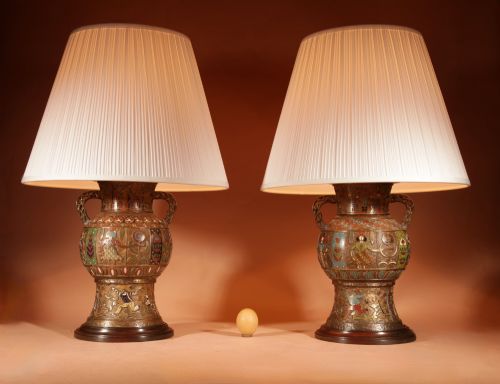
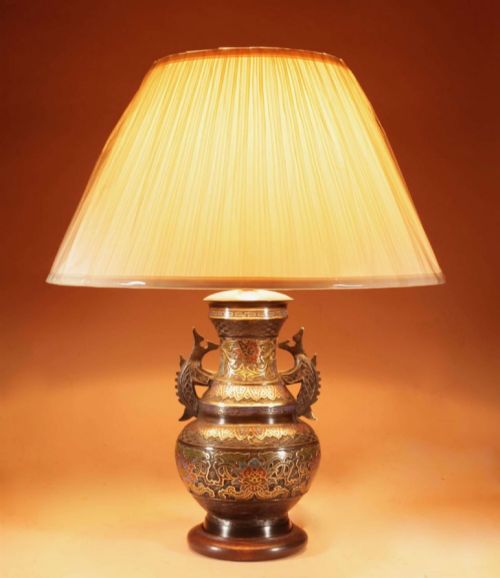
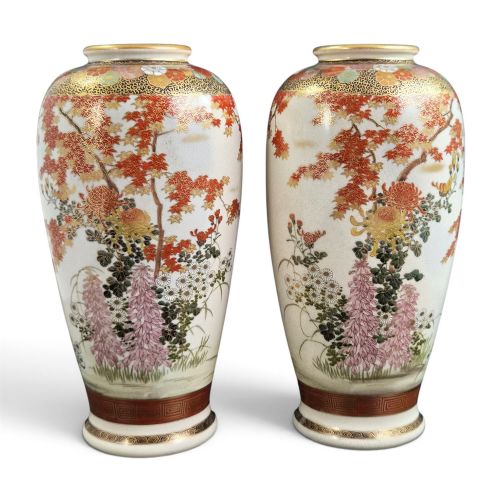
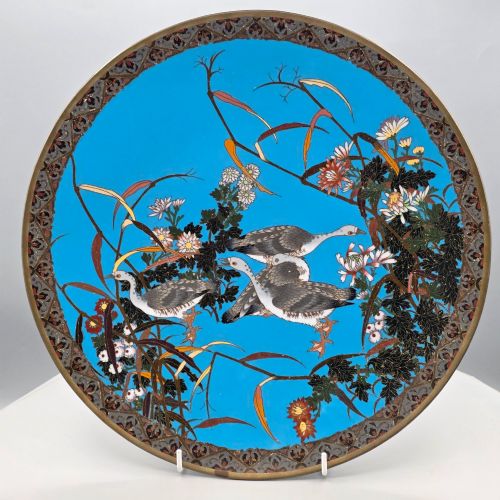
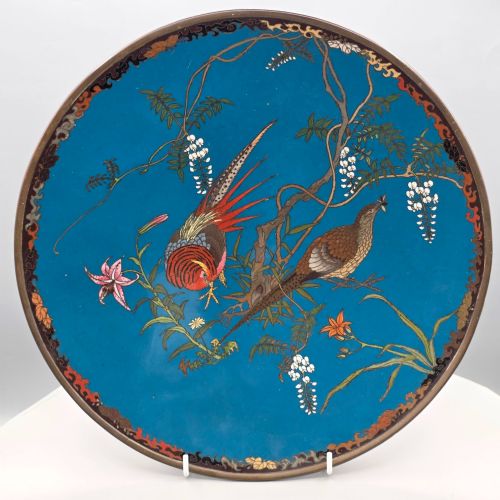
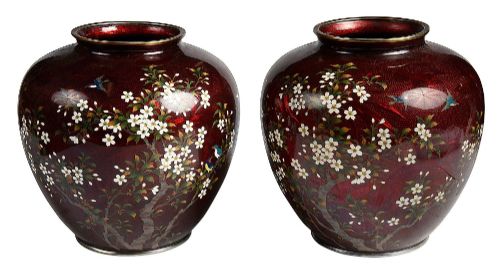
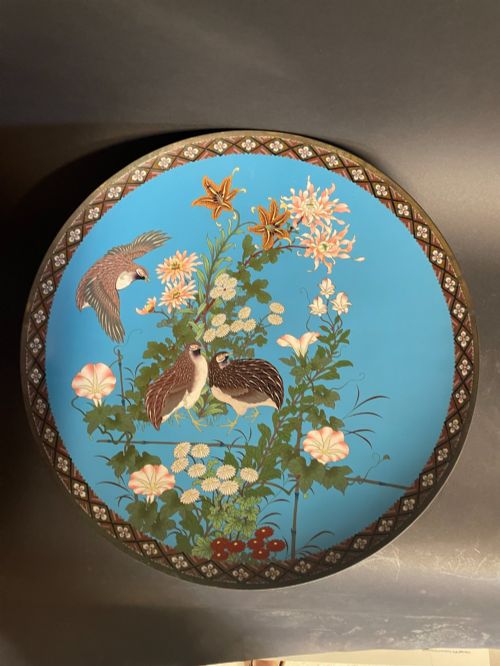
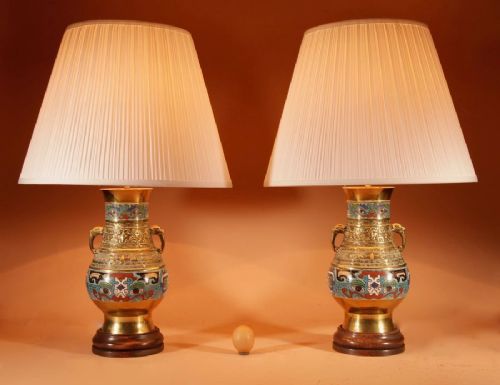
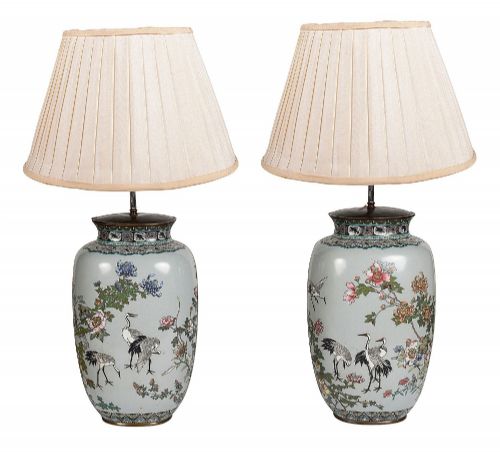
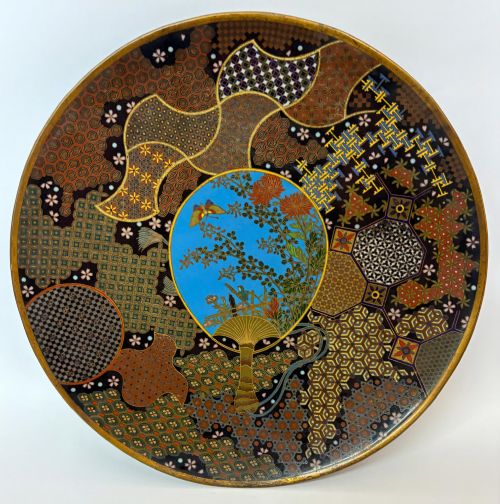
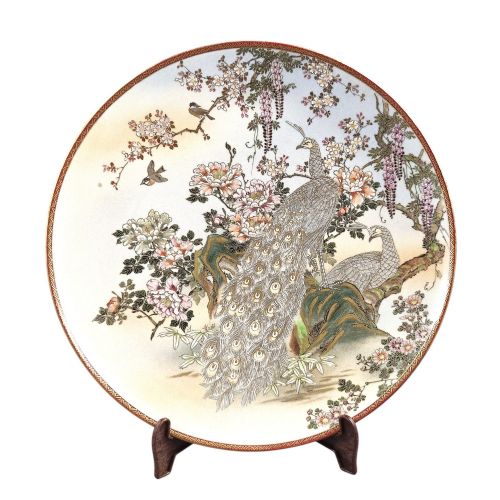
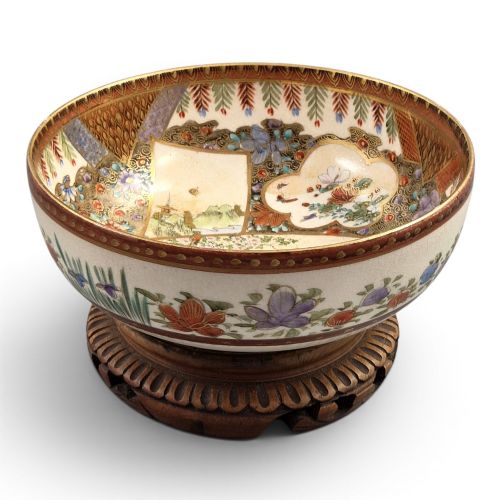
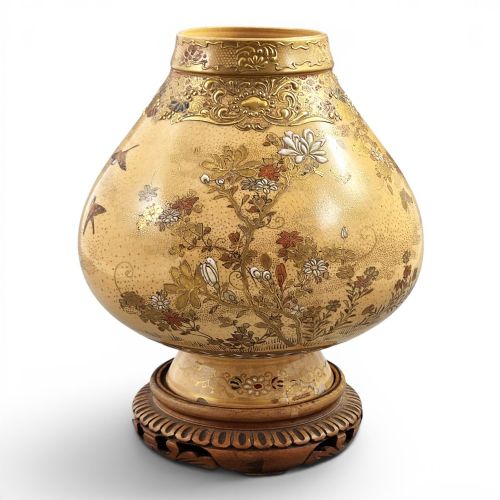
Meiji period enamel encompasses a diverse array of decorative items created during an era of significant artistic output in Japan. Objects associated with this phrase frequently present themselves as chargers, vases, trays, and table lamps featuring detailed natural motifs.
The selections available range from delicate plates depicting birds and landscapes to large vessels and bronze table lamps. Vases and decorative chargers dominate the forms encountered by collectors on this page.
Artisans produced these works using various techniques spanning copper, brass, porcelain, and earthenware foundations. The resulting pieces reflect both traditional iconography and the evolving aesthetic demands of the period.
Materials and Techniques
Craftsmen utilised metal bases such as copper and brass, applying vitreous pastes within bounded compartments or recessed channels. Thin metal wires formed intricate cellular patterns on cloisonne surfaces, defining the boundaries for vibrant coloured enamels.
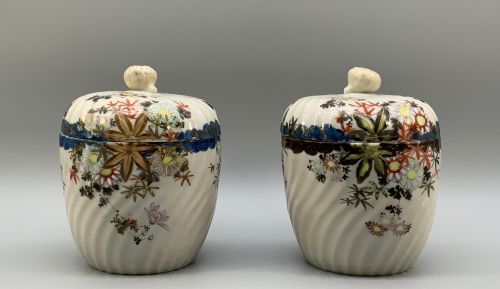
Alternative methods included champleve work, where troughs were cast or carved directly into bronze or brass foundations to hold the enamel. Certain pieces employed porcelain or earthenware bodies decorated with enamel or combined with surface treatments like tree bark effects.
Advanced variations incorporated translucent enamels over textured or foiled backgrounds, creating depth through techniques such as ginbari. Subsequent firing and polishing cycles achieved smooth, lustrous finishes across chargers, trays, and vases.
Listings feature items spanning the nineteenth century through the 1920s, predominantly showcasing copper, brass, and porcelain foundations.
Evaluating Quality and Execution
The refinement of the wirework and the precision of the cell division dictate the visual success of cloisonne pieces. Superior examples display microscopic wire regularity and flawless enamel fusion without pitting or cloudiness.
Artistic ambition separates standard production from exceptional works, visible in the complexity of naturalistic subjects like birds, dragons, and landscapes. Masterpieces demonstrate sophisticated shading, balanced compositions, and often bear signatures from distinguished makers or workshops.
The integration of materials, such as the clarity of translucent enamel over foiled patterns or the harmonious pairing of bronze mounts, influences the standing of an object. Pieces showing deliberate compositional control across challenging curved or octagonal surfaces represent the upper tier of the range.
Ando Jubei·Makuzu Kozan II·Kozan·Kinzan·Takahara Komajiro
The Meiji Period Enamel Glossary
- Cloisonne Enamel
- A technique where thin metal wires are soldered to a metal base to create compartments filled with enamel paste. This method allows for highly detailed pictorial designs of flora and fauna.
- Champleve
- A method where troughs or cells are carved or cast directly into a thick metal foundation to hold enamel. This technique results in bold, integrated decorative patterns on bronze and brass objects.
- Ginbari
- A Japanese foiling technique where a textured metallic foil is applied beneath translucent enamel to create a patterned background effect. It often produces a shimmering, three-dimensional visual depth.
- Charger
- A large decorative plate intended for display rather than table service. These substantial objects frequently serve as the primary canvas for elaborate pictorial narratives.
- Totai Shippo
- A method involving enamel applied over a porcelain or earthenware body rather than a metal base. Pieces created this way often mimic the appearance of traditional wirework on alternative foundations.
Meiji Period Enamel: Frequently Asked Questions
What subjects appear on meiji period enamel?
Decorations frequently feature natural elements including birds, flowers, landscapes, and auspicious symbols. Dragons, phoenixes, and figures from Japanese tradition also populate the surfaces of chargers and vases.
Artisans drew heavily from indigenous flora and fauna, depicting subjects like irises, chrysanthemums, geese, and koi with careful observation.
How do cloisonne and champleve differ?
Cloisonne relies on thin metal wires applied to the surface of a copper or brass body to form distinct cells for enamel. Champleve involves carving or casting the design channels directly into a thicker metal base.
Both techniques achieve durable coloured decoration, but cloisonne yields finer linear detail while champleve presents a heavier, integrated metal framework.
Where were these enamel items produced?
Production centred in key Japanese manufacturing hubs during the late nineteenth and early twentieth centuries. Kyoto and Nagoya emerged as notable regions associated with refined enamel output and distinct workshop traditions.
Master artisans and commercial kilns within these areas exported a wide variety of domestic and decorative objects to Western markets.
How should I display a charger safely?
Decorative chargers require secure wall mounts designed for heavy plates or stable stands with appropriate depth support. Placing them away from direct sunlight preserves the vibrancy of the coloured enamel over time.
Regular dusting with a soft, dry cloth maintains the polished finish without risking abrasion to the delicate metal wires or glazed surfaces.
Are these objects signed by makers?
Certain pieces feature artist signatures, studio marks, or workshop seals applied to the base or integrated into the design. These markings often appear as small inlaid plaques or painted characters denoting the origin.
Unsigned examples remain common, reflecting the large-scale production of decorative goods intended for export during the era.