
Earthenware Ceramic Vase
When you search for an earthenware ceramic vase, you are looking at centuries of fired clay shaped into vessels for flowers, display or storage.
Earthenware Ceramic Vase
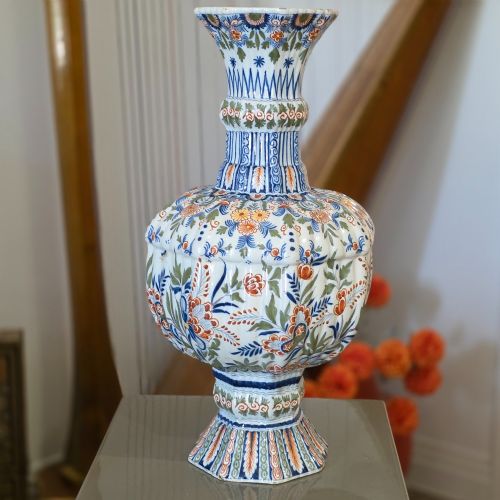
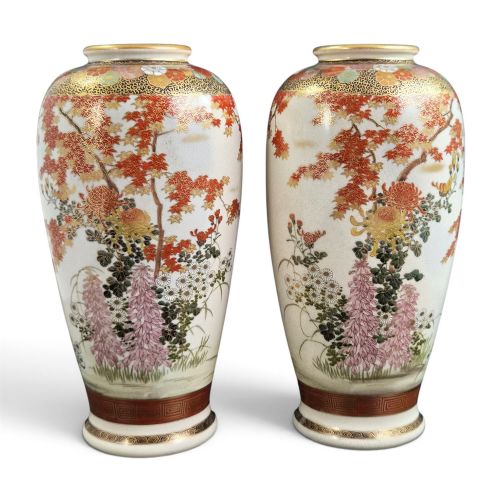
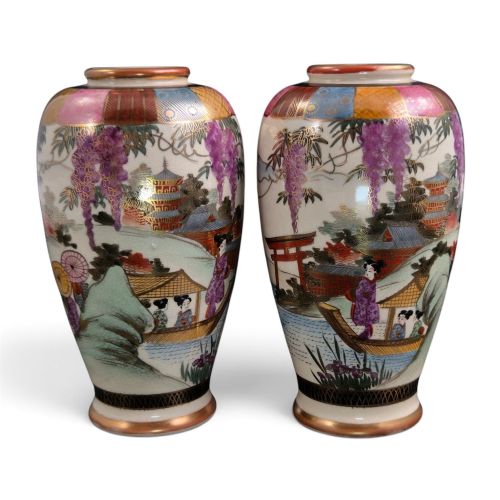
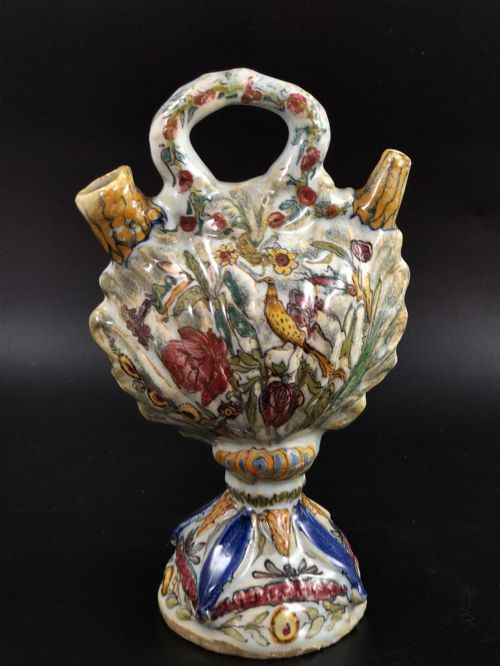
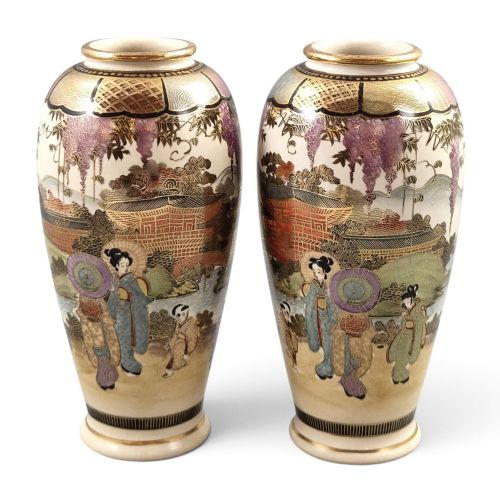
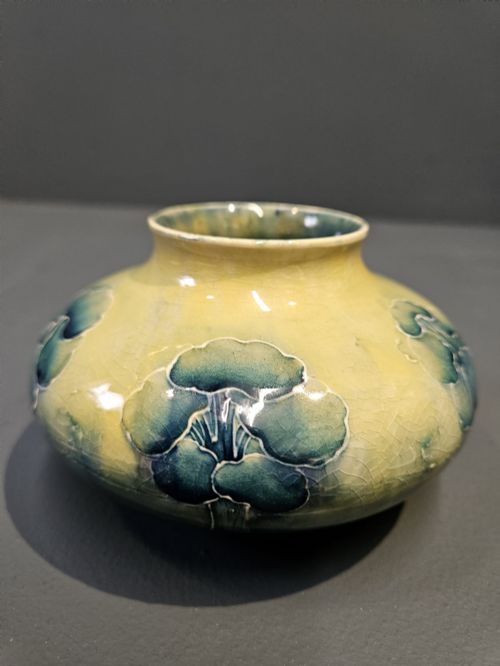
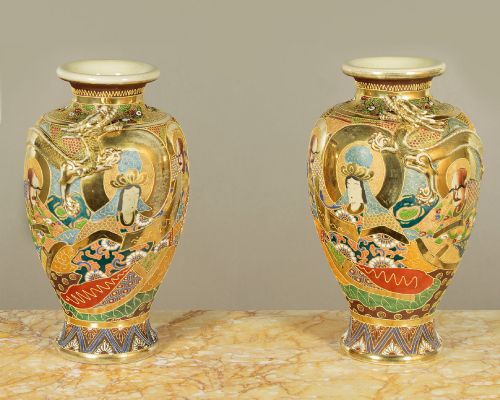
An earthenware ceramic vase encompasses a wide variety of fired clay vessels produced across centuries, ranging from utilitarian storage to highly decorative cabinet pieces. When browsing this selection, you encounter forms that span English Staffordshire figures and spill vases, Dutch Delftware, Japanese Satsuma and Sumida Gawa pieces, and Italian majolica. These items originate from periods such as the eighteenth and nineteenth centuries, alongside early twentieth-century examples like Art Nouveau and Arts and Crafts designs.
The most common vessels met on this page include decorative pairs, baluster shapes, pilgrim flasks, and specialised spill vases designed for mantelpieces. Makers from diverse European potteries and Japanese workshops shaped these porous clays into ewers, lidded jars, and wall pockets, applying glazes and enamel painting to finish the surface. Buyers look to these pieces for historical character, distinct regional glazing techniques, and traditional hand-painted motifs.
How they were made
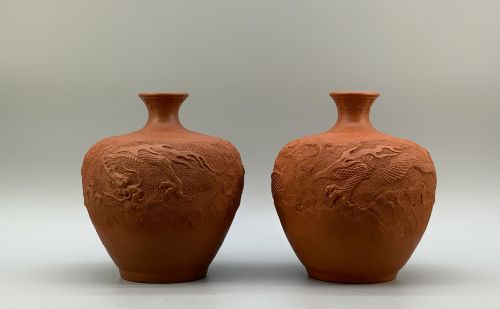
Makers shaped these vessels using porous earthenware, terracotta, or red clay bodies, which were subsequently formed on the potter's wheel or pressed into moulds. Once shaped, the pieces underwent a primary firing to create a stable bisqueware base ready for decoration and glazing.
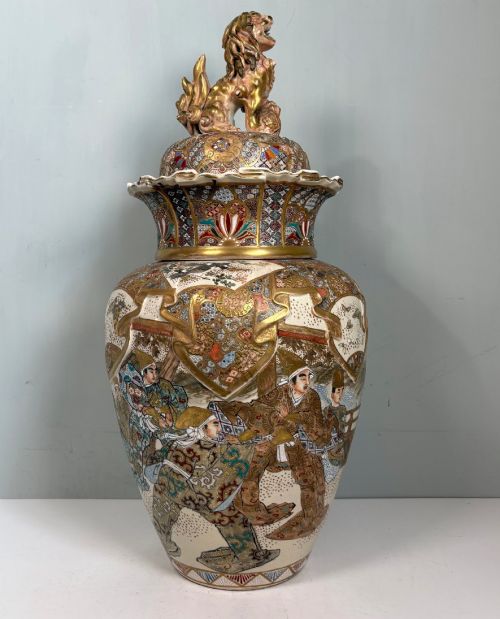
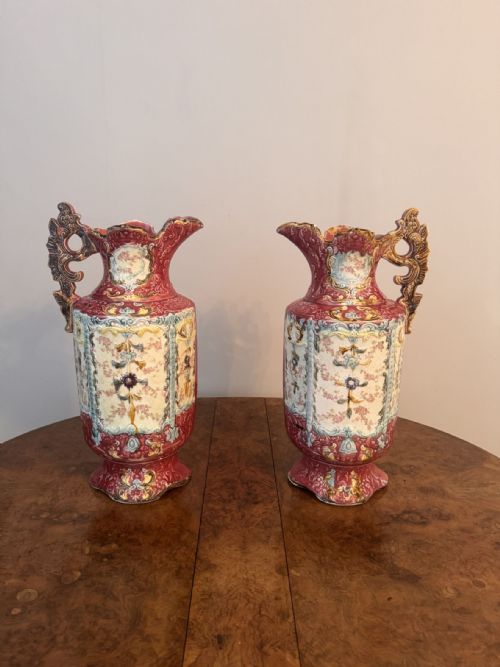
Surface finishes rely heavily on tin glaze, enamel, and transparent glazes, sometimes highlighted with gold leaf to accentuate painted details. Workshops applied blue and white pigments, polychrome enamels, or slip before a final firing fused the decorative layer to the clay body.
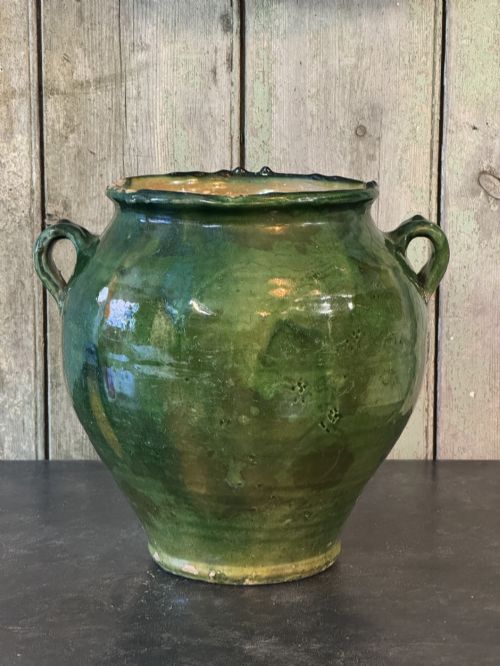
Materials record plain terracotta, tin-glazed earthenware, and enriched surfaces decorated with enamel and gold leaf.
What varies in quality
Quality in these ceramics rests upon the precision of the form and the skill evident in the hand-painted decoration. Finer examples display crisp detail in moulded figures, balanced proportions in baluster shapes, and carefully controlled glaze application without pooling or running.
The distinction between standard production items and superior pieces often lies in the artistry of the painting, whether depicting intricate landscapes, botanical studies, or figurative scenes. Pieces associated with notable potteries or named designers frequently exhibit greater refinement in both the underlying clay body and the finished surface.
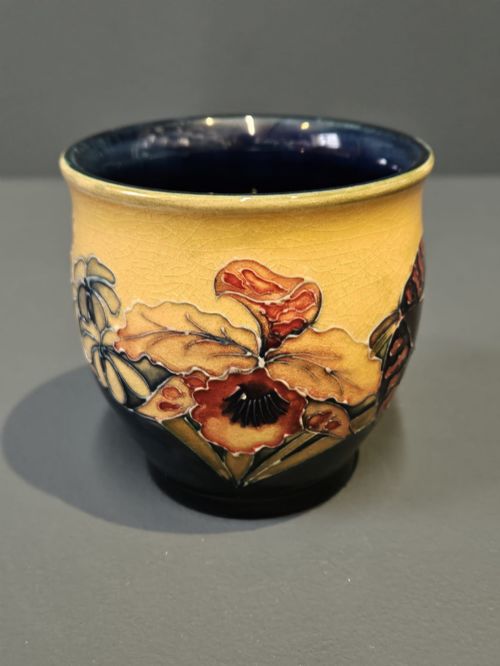
Moorcroft·Cantagalli·Doulton Lambeth·Lauder Pottery·Fourmaintraux Courquin
The Earthenware Ceramic Vase Glossary
- Earthenware
- Porous pottery fired at lower temperatures than stoneware or porcelain. It requires a glaze to become entirely waterproof.
- Majolica
- Tin-glazed earthenware decorated with opaque colourful glazes on a white background. This technique was popular in Renaissance Italy and later revived in the nineteenth century.
- Spill vase
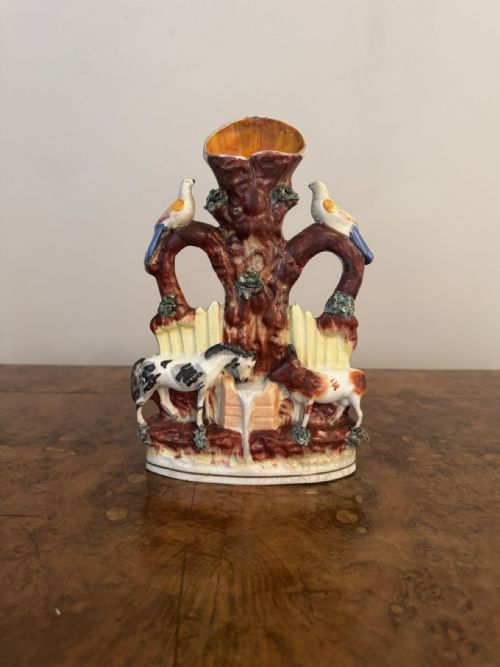
- A small hollow cylindrical container designed to hold wooden spills used for lighting candles and pipes. These are frequently modelled as animals or figures.
- Baluster
- A vase shape with a rounded lower body that tapers into a narrow neck and flares at the rim. This traditional silhouette provides structural stability.
Earthenware Ceramic Vase: Frequently Asked Questions
What is an earthenware ceramic vase?
An earthenware ceramic vase is a vessel formed from porous clay and fired at a relatively low temperature. These pieces rely on glazes to seal the material and often feature hand-painted or moulded decoration.
They range from simple utilitarian pots to ornate decorative items produced across Europe and Asia during the eighteenth, nineteenth, and early twentieth centuries.
How do I care for antique earthenware?
Antique earthenware requires gentle handling due to the porous nature of the fired clay and historic surface glazes. Dust the vessel regularly with a soft, dry cloth rather than using liquid cleaners.
Keep these pieces away from direct sunlight and avoid filling them with water if the interior glaze shows hairline cracks or historical repairs.
How do I distinguish Delftware from majolica?
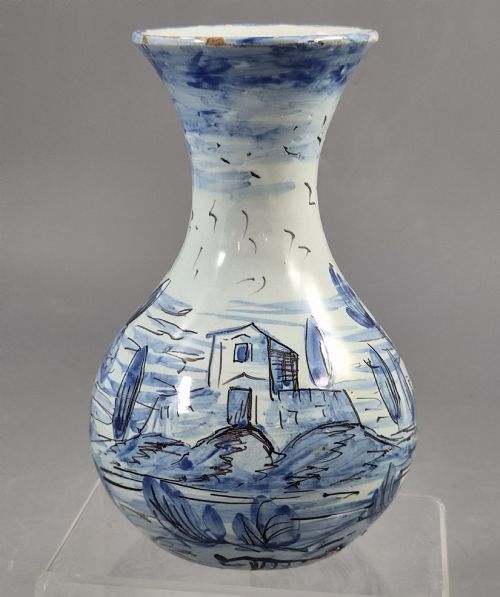
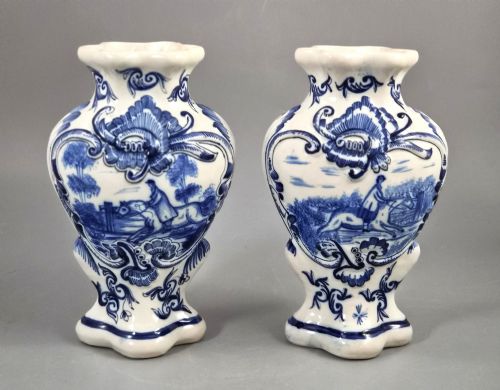
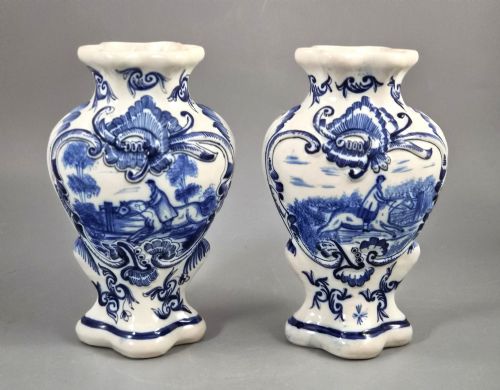
Delftware typically refers to Dutch tin-glazed earthenware characterised by blue and white painting inspired by imported Asian porcelain. The style often depicts maritime scenes, florals, or Dutch landscapes.
Majolica employs tin glazes with a wider polychrome palette, frequently referencing Italian Renaissance designs with vibrant greens, yellows, blues, and purples.
What are spill vases used for?
Spill vases were designed to hold wooden splints, known as spills, which transferred fire from a hearth to light candles, lamps, or tobacco pipes. They sat on mantelpieces as both practical household items and decorative ornaments.
Victorian examples often took whimsical forms, depicting animals, figures, or pastoral scenes moulded in earthenware.