




Antique Asian Pottery Urns
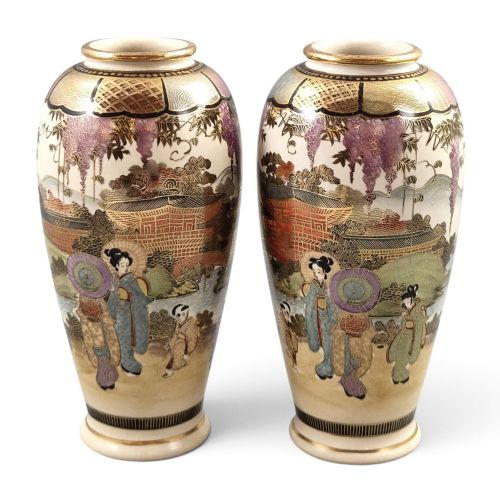
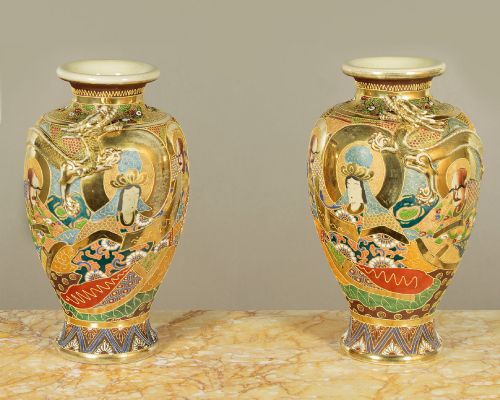
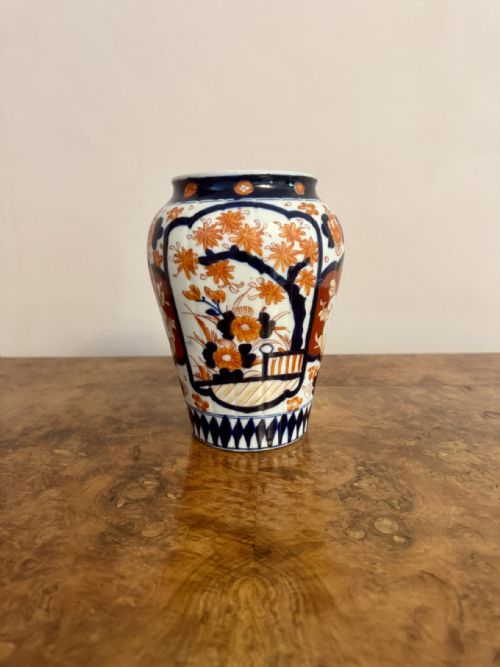
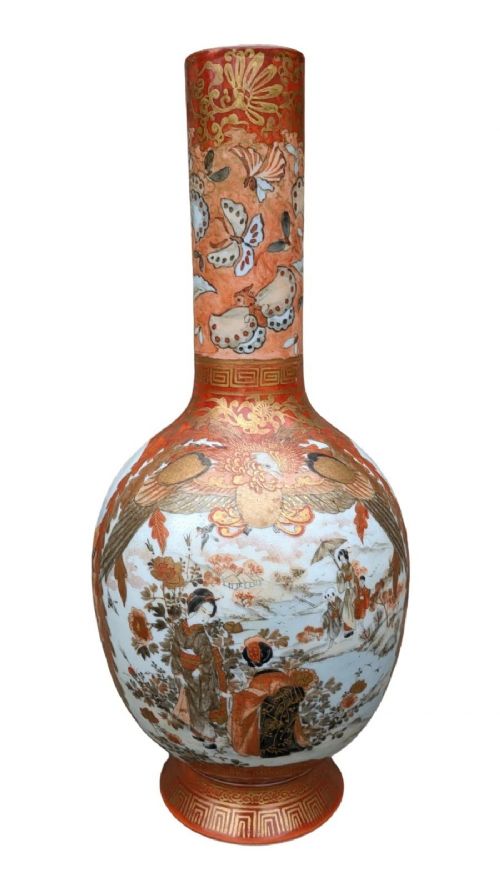
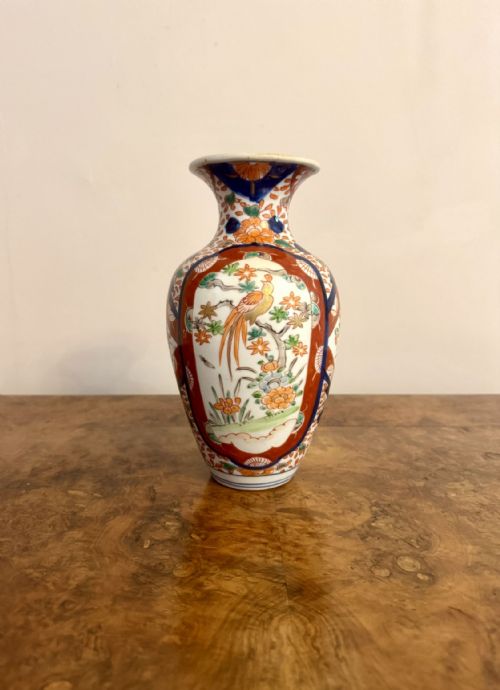
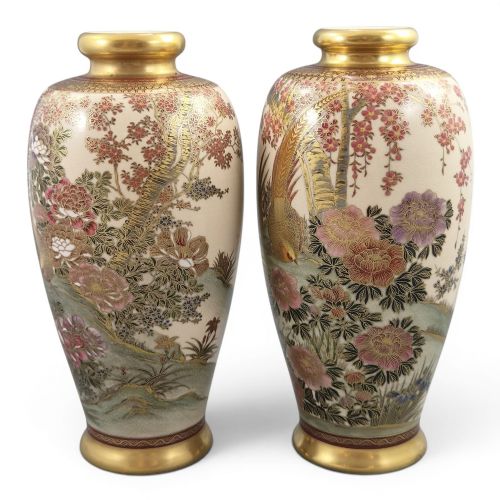
These antique asian pottery urns are principally Satsuma and Imari vessels from the Meiji period.
Antique Asian Pottery Urns
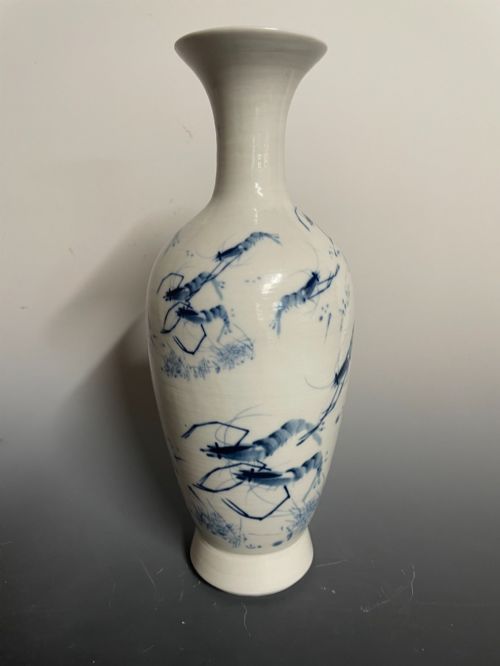
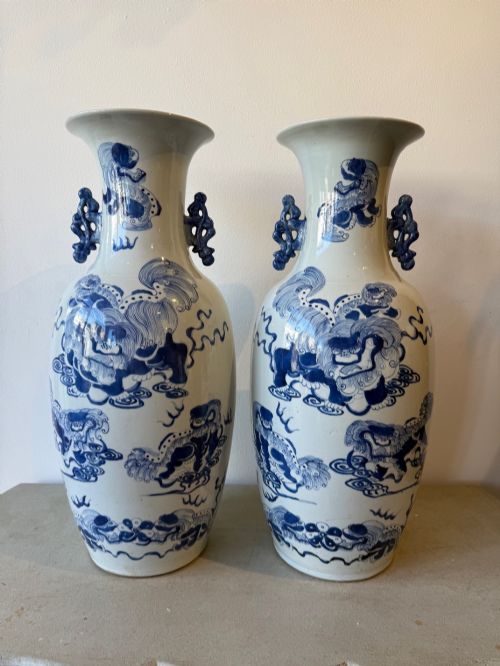
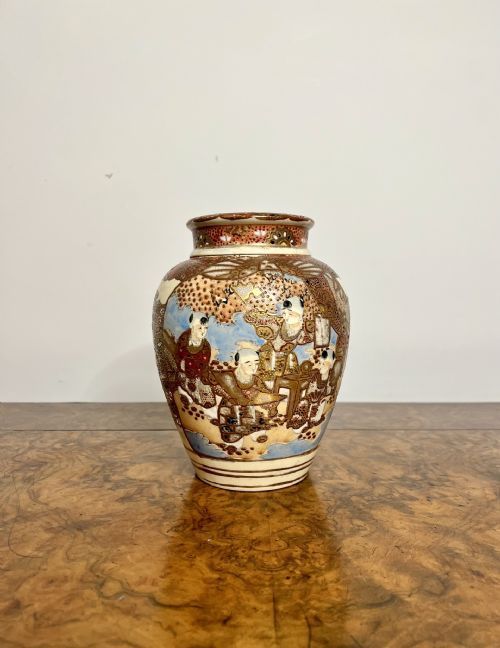
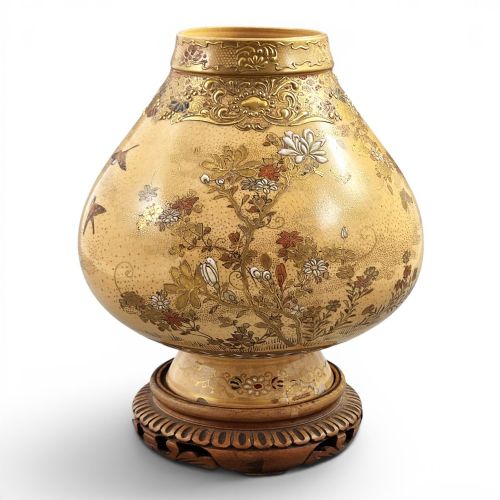
When searching for antique asian pottery urns, buyers encounter a selection dominated by Japanese Satsuma earthenware and Imari porcelain vessels produced during the late nineteenth and early twentieth centuries. These objects range from miniature vases and ginger jars to large floor-standing decorative pieces, alongside occasional Chinese blue and white vases and incense burners.
The majority of these pieces originate from Japanese workshops active in Kyoto and Kobe during the Meiji and Showa periods, capturing historical figures, flora, and fauna in detailed enamel and gold leaf. Table lamps and ginger jars with covers also appear among the forms, reflecting how traditional vessels were adapted for domestic use.
The material record spans earthenware, porcelain, and ceramic bodies decorated with intricate glazes and gilt highlights. Pieces associated with specific makers such as Kinkōzan and Makuzu Kozan represent the higher tiers of production within these styles.
How they were made
Potters shaped these vessels using earthenware and porcelain bodies before applying intricate glazes and enamel pigments. Kiln firing fixed the base ceramic structure prior to the detailed hand-painting stages.
Artisans applied gold leaf and fine gilt lines over the glaze to highlight figures, floral panels, and geometric borders. This meticulous brushwork defined the decorative output of major regional workshops in Japan and China.
Listings feature earthenware and porcelain materials decorated with enamel, glaze, and gold leaf across the Meiji and Edwardian periods.
What varies in quality
Quality rests upon the precision of the hand-painted enamel and the density of the gilding across the ceramic surface. Workshop attribution, such as signed pieces associated with Kyoto masters, distinguishes finer output from standard commercial wares.
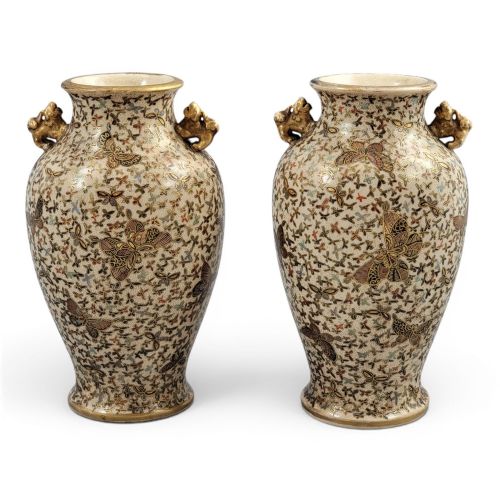
The scale and complexity of the pictorial scenes, whether depicting thousand butterflies or detailed figural processions, separate simpler decorative jars from exceptional exhibition pieces.
Maruni Kobe·Shozan·Manpei·Kinkōzan·Hotoda·Makuzu Kozan·Chosei·Hakusan
The Antique Asian Pottery Urns Glossary
- Satsuma
- A type of Japanese earthenware featuring a crackle ivory glaze decorated with enamel and gilt. It originated in Satsuma Province and became widely produced in Kyoto.
- Imari
- A style of Japanese porcelain named after the port from which it was shipped, typically characterised by a palette of underglaze blue and iron red with added gold.
- Kutani
- A style of Japanese ceramic known for bold colour palettes and detailed pictorial designs. Production centres around Ishikawa Prefecture.
- Koro
- A traditional Japanese incense burner fitted with a pierced cover. These vessels often sit on small feet and feature decorative handles.
- Meiji Period
- The era of Japanese history lasting from 1868 to 1912, marked by significant artistic production and export of decorative arts to the West.
Antique Asian Pottery Urns: Frequently Asked Questions
How do I identify Satsuma ware?
Satsuma ware is recognised by its distinctive cream-coloured earthenware body covered in a fine network of crackled glaze. Artisans painted these surfaces using dense enamel colours and gold leaf.
Most pieces feature elaborate figural scenes, landscapes, or floral motifs such as wisteria and butterflies. Many finer examples bear artist signatures or workshop seals on the base.
What is the difference between Imari and Satsuma?
Imari is a hard-paste porcelain decorated with vibrant underglaze blue, iron red, and gilt, resulting in a resonant ceramic ring when tapped. Satsuma is an absorbent earthenware with a softer ivory glaze and intricate enamel painting.
Imari pieces often display geometric and floral patterns, while Satsuma focuses on detailed narrative scenes and human figures.
How should I display these vases at home?
These vessels suit prominent placement on sturdy tables, cabinets, or floors depending on their scale. Adequate ambient lighting helps reveal the fine gold leaf and enamel details against the glaze.
Keep them away from direct sunlight and moisture to protect the delicate surface gilding and earthenware bodies over time.
Are these pieces marked by their makers?
Many Japanese ceramic pieces from the late nineteenth century carry painted, impressed, or incised signatures on the underside. These marks often name the individual artist, the producing workshop, or the Kyoto family kiln.
Signatures can help narrow down the production period, though unsigned pieces of high artistic quality also appear frequently.