

Meiji Period Ceramic Urns
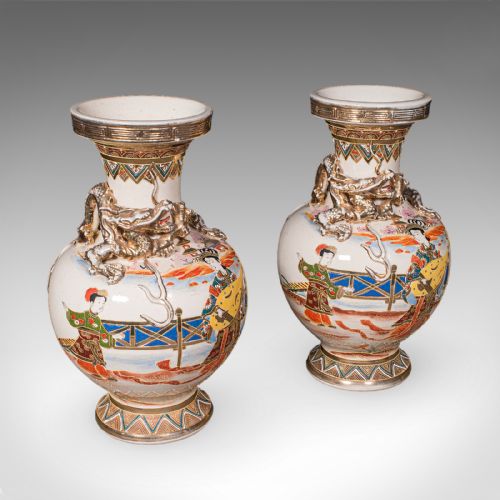
These meiji period ceramic urns span large floor-standing vessels and detailed satsuma jars, bringing historical Japanese craftsmanship directly into a room.
Meiji Period Ceramic Urns
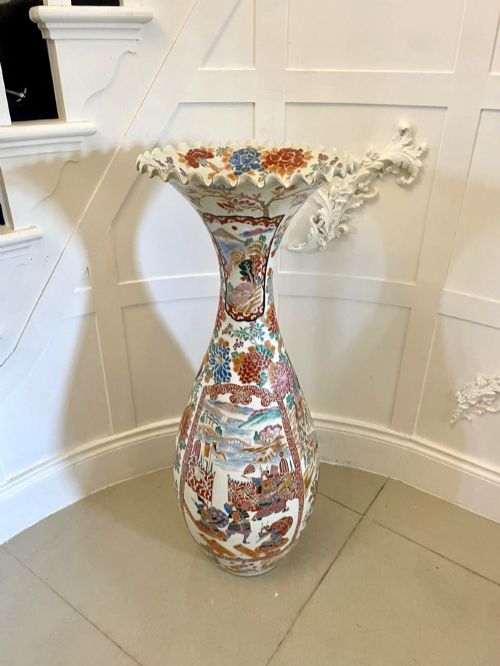
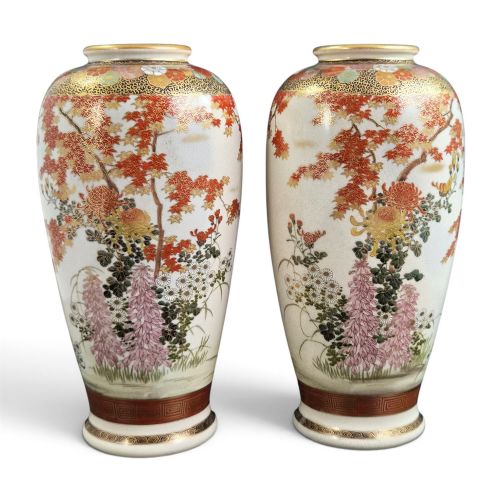
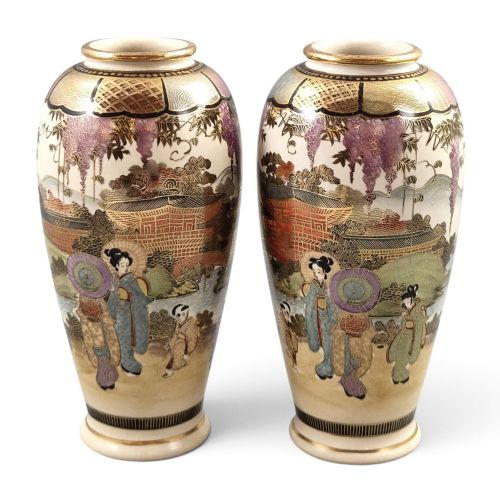
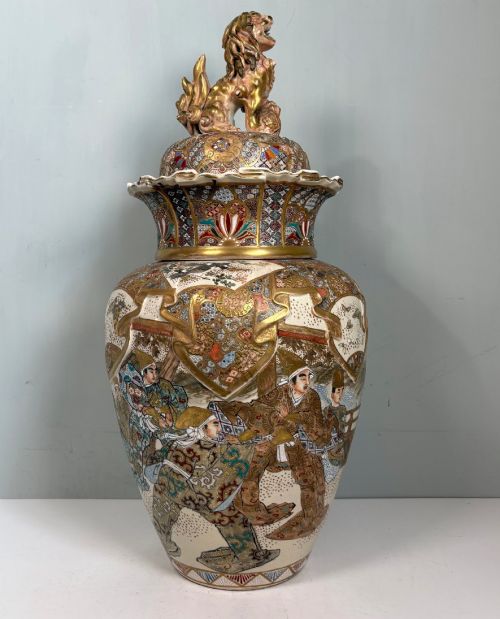
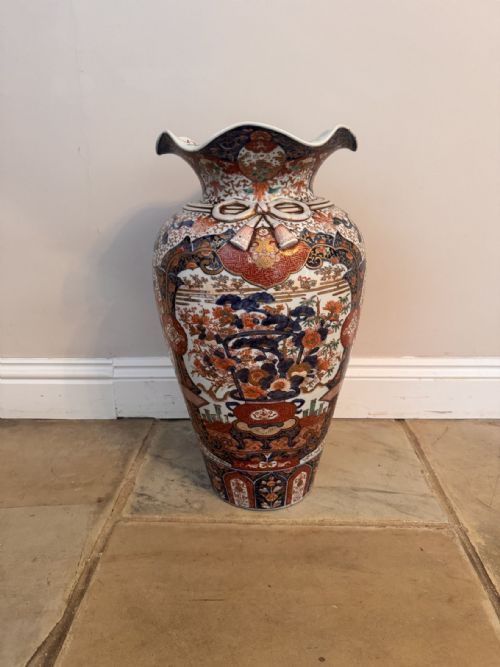
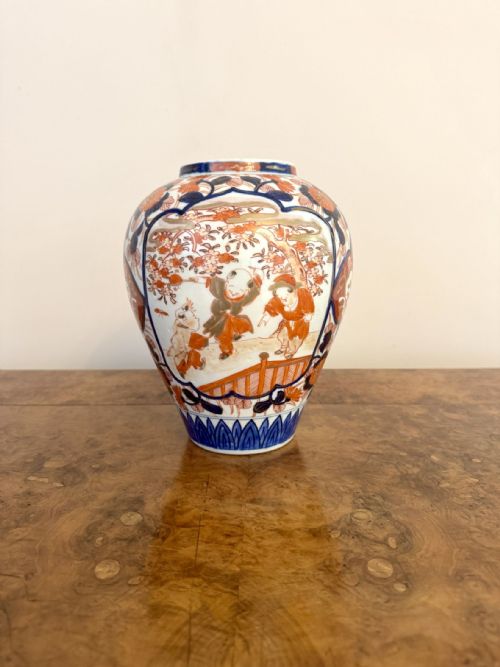
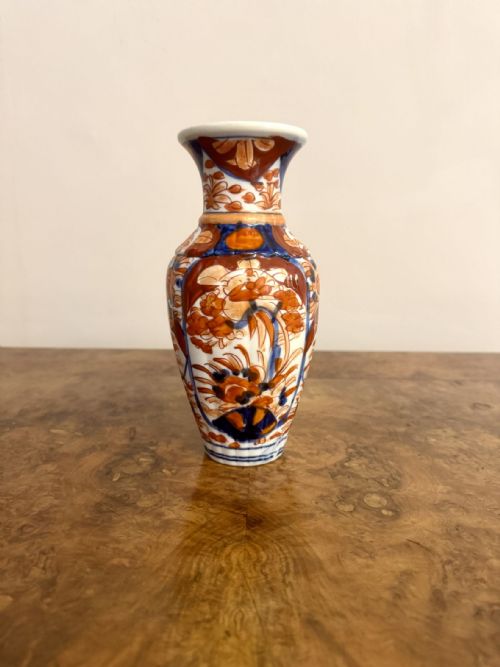
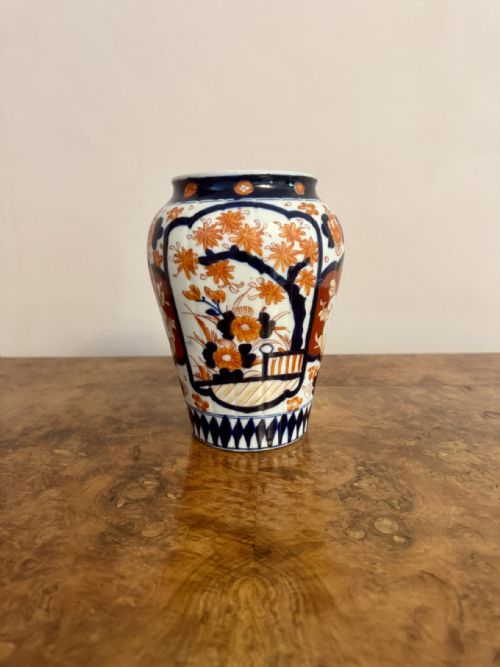
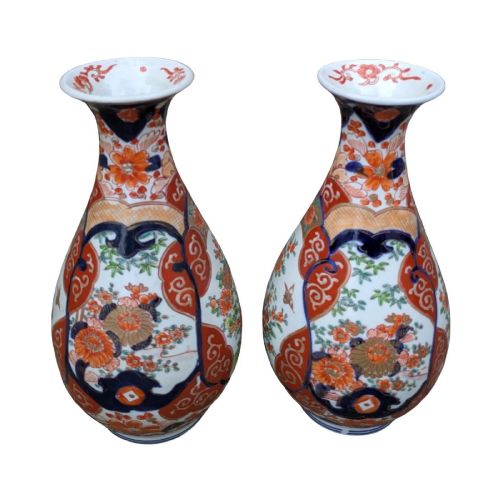
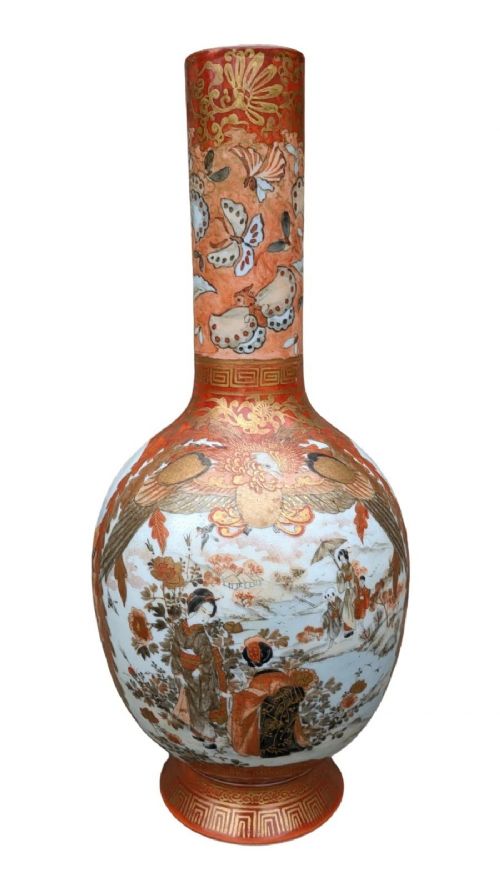
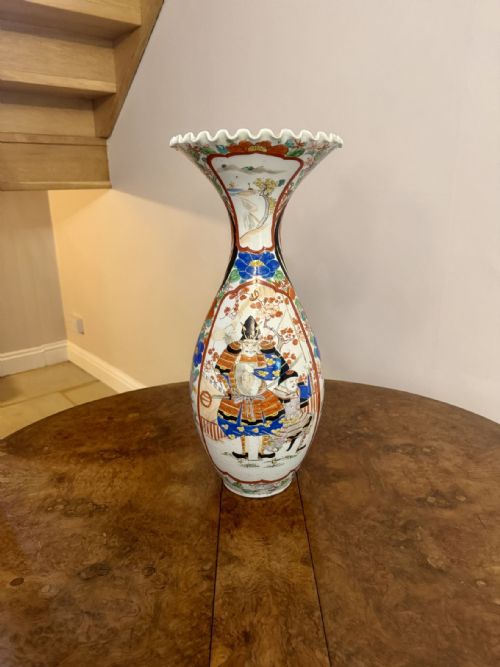
When searching for meiji period ceramic urns, collectors encounter a diverse selection of floor-standing vessels, decorative jars, and large vases originating from nineteenth and early twentieth-century Japan. The inventory on this page leans heavily toward Japanese Imari and Satsuma styles, alongside Kutani and Seto productions.
The objects frequently manifest as substantial floor vases, table lamps, ginger jars, and jardinieres. These pieces capture the artistic output spanning the Meiji era and reaching into the subsequent Taisho period.
Makers and workshops utilised distinctive forms such as baluster shapes, double gourde profiles, and hexagonal bodies. These vessels served both ornamental and functional roles in interior decoration during the late Victorian period and beyond.
Materials and Technique
Potters and artisans employed porcelain, earthenware, and stoneware as the primary body materials for these vessels. Techniques combined high-temperature kiln firing with intricate hand-painted decoration.
Decoration frequently involved the application of enamel colours, gold leaf, and intricate gilding over the ceramic body. Certain workshops added dimensional sculptural elements, lacquer panels, and specialised glaze effects to the finished pieces.
Listings feature periods spanning the Victorian era through the early twentieth century, incorporating stoneware, porcelain, and earthenware.
Craftsmanship and Execution
The standard of painting and the precision of the enamel work dictate the hierarchy of these objects. Finer examples display meticulous brushwork in depicting human figures, floral motifs, and complex narrative scenes.
The weight, symmetry, and stability of large floor-standing vessels demonstrate the potter's skill in handling heavy clay bodies. Signed works from recognised workshops and master potters command greater interest among collectors.
Maruni Kobe·Shozan·Kinkōzan Workshop·Kinzan·Hotoda·Makuzu Kozan·Kato Sanhei·Makuzu Kozan II
The Meiji Period Ceramic Urns Glossary
- Imari
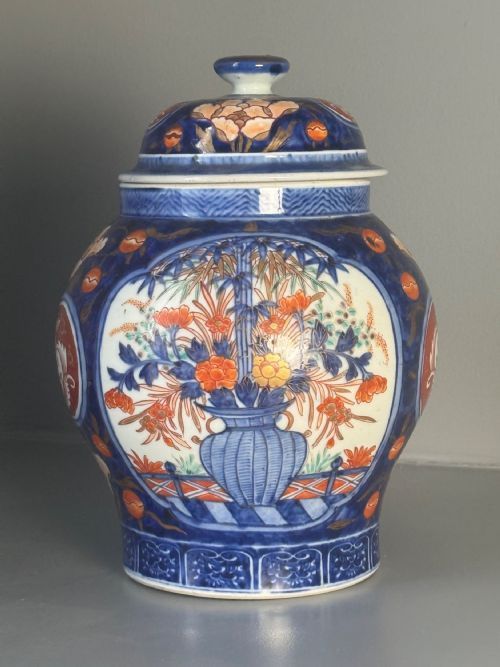
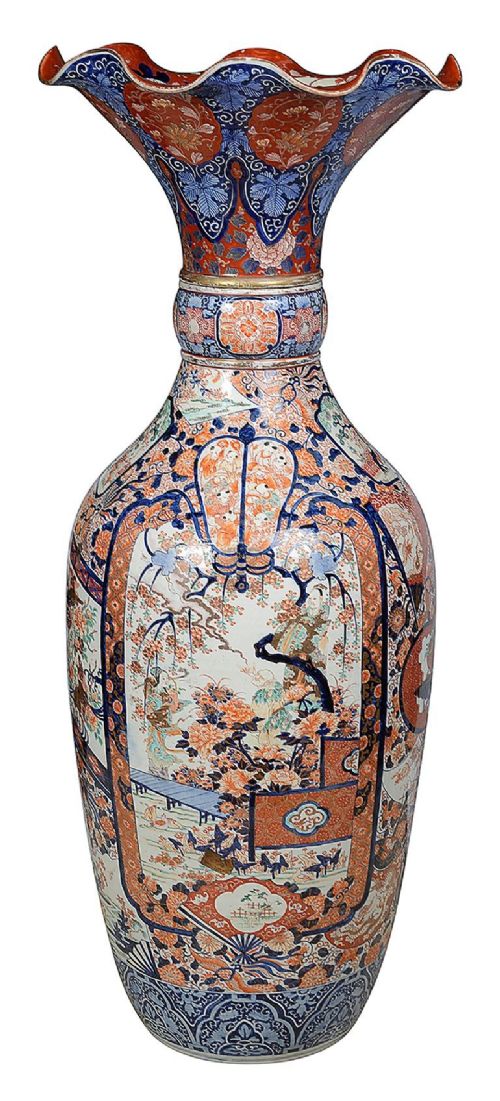
- A traditional style of Japanese export porcelain characterised by a palette of underglaze blue, iron red, and gilt highlights. This aesthetic developed during the Edo period and continued through the Meiji era.
- Satsuma
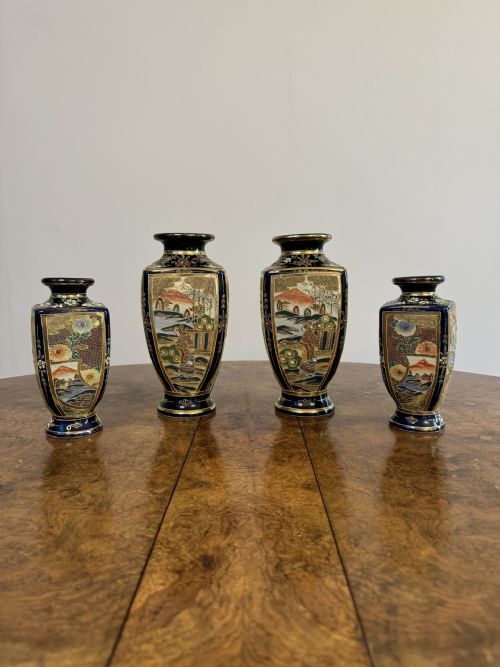
- An earthenware ceramic type featuring a finely crackled ivory glaze decorated with polychrome enamels and raised gold. Production centres around the Satsuma province and Kyoto.
- Kutani
- A distinct style of Japanese coloured porcelain known for bold pictorial designs and rich green, yellow, red, purple, and blue palettes. These wares often depict landscapes and figures.
- Ginger Jar
- A globular ceramic vessel with a wide mouth and fitted cover, originally designed for storing spices. Later examples served purely decorative functions in domestic interiors.
- Garniture
- A matching set of vases or jars designed to be displayed together on a mantelpiece or sideboard. These sets usually comprise three or five pieces of graduated proportions.
Meiji Period Ceramic Urns: Frequently Asked Questions
How do I identify Satsuma ware?
Satsuma ware is easily recognised by its characteristic ivory-coloured earthenware body covered in a fine network of transparent crackled glaze. The surfaces are typically embellished with dense floral patterns, figures, and gilt highlights.
Many pieces bear artist signatures or workshop seals on the base, providing clues to their origin. Unlike durable porcelain, Satsuma relies on a softer earthenware fabric suited for intricate hand-painted decoration.
What is the difference between Imari and Kutani?
Imari porcelain relies on a distinct palette combining underglaze cobalt blue with vibrant iron red and abundant gold leaf. The designs often feature complex geometric panels and floral arrangements.
Kutani ceramics, by contrast, focus on pictorial storytelling using a broader range of enamel colours dominated by greens, purples, and yellows. The clay bodies and surface textures also differ between the two regional traditions.
How were large floor vases displayed?
Large floor-standing vessels were positioned in prominent hallways, entrance lobbies, and principal reception rooms of late nineteenth-century homes. Their monumental scale allowed them to function as architectural focal points within domestic interiors.
Some of these grand vases were supplied with matching ceramic stands or wooden bases to elevate the piece and protect floor surfaces. They frequently accommodated elaborate floral arrangements or stood alone as statements of exotic taste.
Are these pieces purely decorative?
While the majority of these ceramics served as ornamental vases, jars, and jardinieres, some forms had practical origins. Ginger jars held valuable commodities, and lidded vessels stored dry goods before being adapted for export markets.
Over time, many of these ceramic bodies were converted into table lamps to suit changing interior illumination needs. Their rich surface decoration made them ideal candidates for domestic transformation.