




Large Japanese Porcelain Urns
Large japanese porcelain urns are substantial decorative vessels bringing vibrant palettes and intricate hand-painted detail into grand interior spaces.
Large Japanese Porcelain Urns
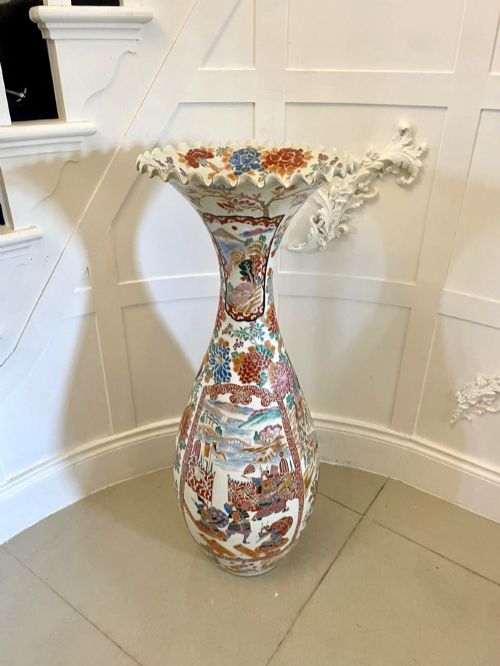
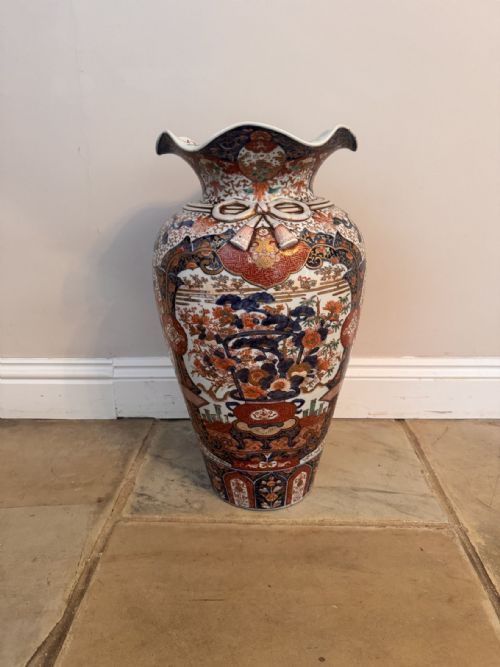
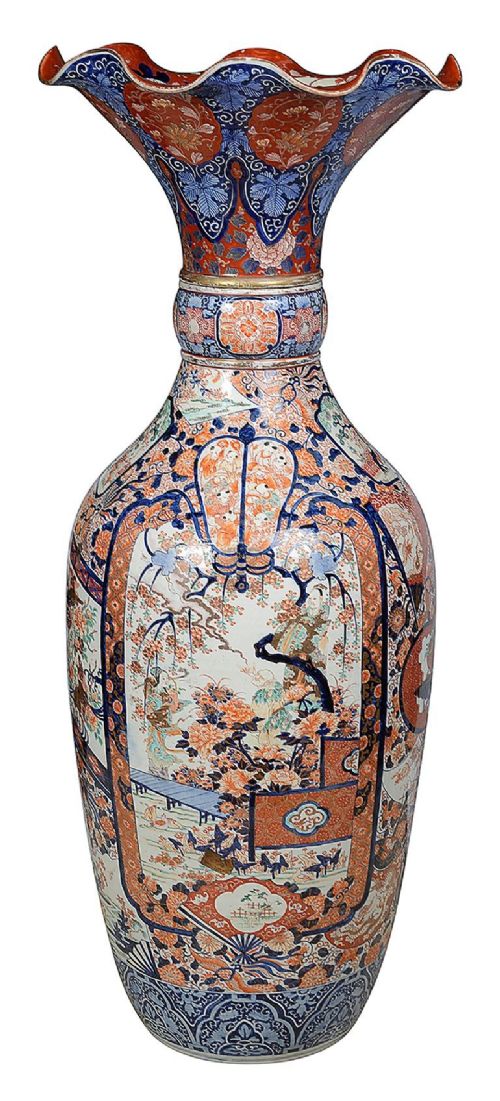
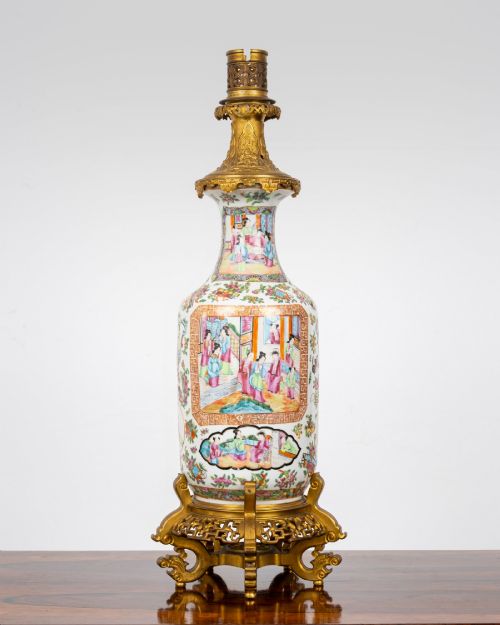
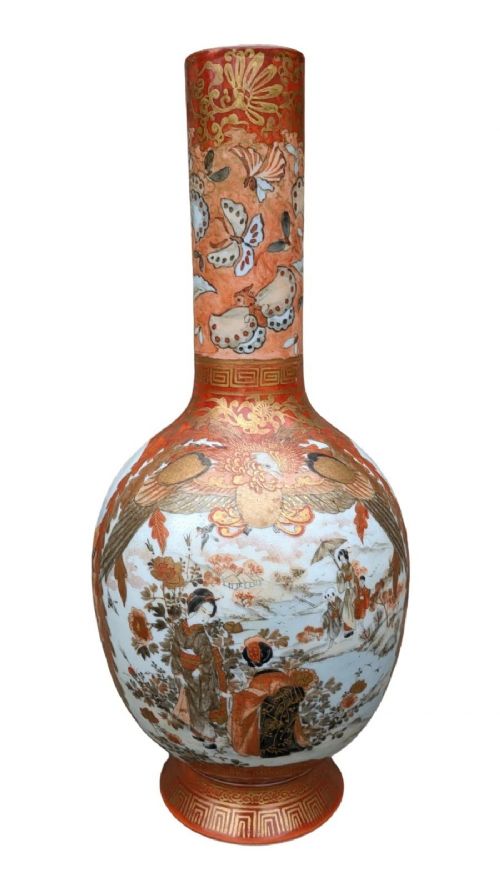
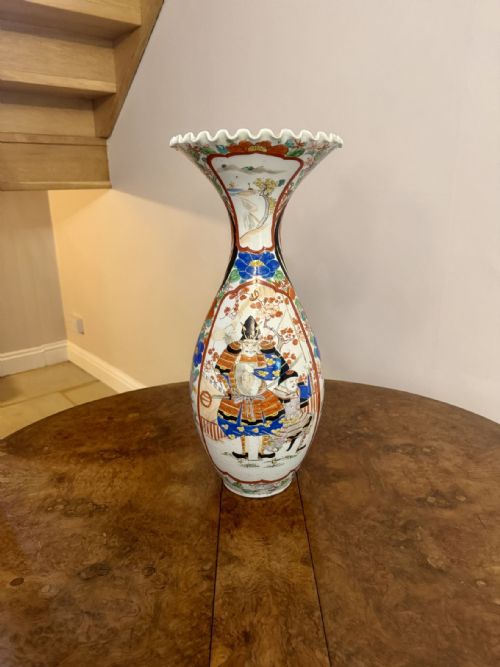
When searching for large japanese porcelain urns, collectors encounter impressive floor-standing and tabletop vessels originating predominantly from the nineteenth century. These pieces encompass distinct traditional styles such as Imari, Satsuma, and Kutani, often produced during the Meiji period.
Form varies from slender garlic head profiles to broad hexagonal bodies and tall spill vases. These objects serve as focal points, reflecting centuries of ceramic expertise and export trade history.
Materials and Construction
Potters shaped high-fired porcelain and earthenware bodies, frequently mounting them on custom wooden stands or integrating gilt bronze elements. Surface decoration relies on rich enamel pigments combined with detailed gold leaf application.
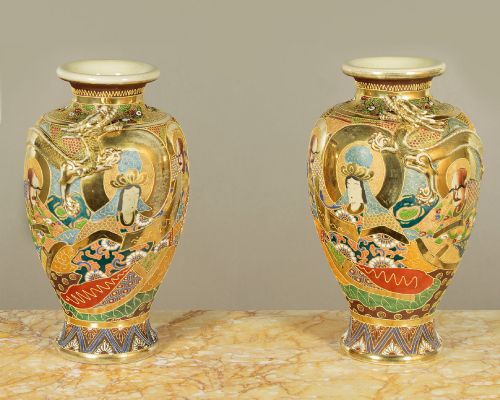
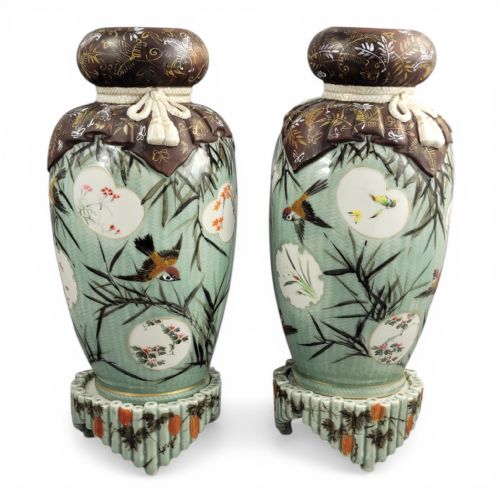
Techniques such as moriage build up raised slip details to create tactile textures across the ceramic surface. Artisans also incorporated lacquer panels and black paint to achieve contrasting finishes on specific vessels.
Among the stately dragons and fierce samurai scenes, a few unexpected porcelain vessels feature surprisingly amusing expressions.
Factors Defining Quality
Quality rests in the precision of the hand-painted brushwork and the complexity of the enamel palette. Pieces featuring signed artist panels or intricate figural scenes by known makers represent the upper tier of production.
The crispness of moulded details, the stability of large potting structures, and the preservation of original gilt or lacquer accents distinguish superior works from standard decorative wares.
Hotoda·Makuzu Kozan·Kato Sanhei·Seiko en Chokei·Hattori
The Large Japanese Porcelain Urns Glossary
- Imari
- A traditional Japanese porcelain style utilising a distinctive palette of underglaze blue, iron red, and gilt highlights. This aesthetic proved highly popular for export markets during the nineteenth century.
- Satsuma
- An earthenware ceramic type characterised by a crackle glaze and elaborate polychrome and gilt decoration depicting figures, landscapes, and floral motifs.
- Kutani
- A style of Japanese coloured porcelain and pottery known for bold pictorial designs and vibrant green, yellow, red, purple, and blue enamels.
- Moriage
- A ceramic technique where slip is piped onto the surface to create raised decorative dots and lines before firing.
- Meiji Period
- The historical era spanning from eighteen sixty-eight to nineteen twelve, marked by major artistic output and international trade expansion.
Large Japanese Porcelain Urns: Frequently Asked Questions
How are large japanese porcelain urns best displayed?
These tall vessels command attention when placed directly on the floor in hallways, entrance lobbies, or spacious reception rooms. Placing them away from heavy foot traffic protects their delicate enamel and gilt surfaces from accidental impact.
Tabletop versions and lidded jars suit sideboards, pedestals, or mantels where their detailed painted panels receive adequate ambient light. Pairing symmetrical urns on matching stands creates a balanced focal point within a traditional interior scheme.
What is the difference between Imari and Satsuma?
Imari pieces utilise a hard porcelain body decorated with a distinctive palette of rich cobalt blue, iron red, and abundant gold leaf. The designs often feature geometric panels, flowers, and landscapes.
Satsuma pieces typically feature a cream-coloured earthenware body covered in a fine crackle glaze, serving as a canvas for dense figural scenes and raised moriage decoration. Satsuma wares lean toward narrative art depicting samurai, deities, and courtly life.
How do I identify a Meiji period piece?
Meiji period ceramics date between eighteen sixty-eight and nineteen twelve, an era defined by intense artistic ambition driven by international exhibition demand. Pieces from this time often exhibit highly complex compositions, minute detail, and signatures identifying individual master artists or workshops.
The inclusion of specific maker marks, advanced enamel layering, and monumental scale points directly to this prolific period of Japanese ceramic manufacturing.
Were these urns made for export?
The vast majority of large nineteenth-century Japanese ceramic vessels were produced specifically for Western export following the reopening of trade ports. European and American buyers developed an immense appetite for ornate decorative arts, prompting Japanese kilns to scale up production.
This export focus explains the grand proportions and robust forms designed to appeal to Victorian and Edwardian interior tastes.