

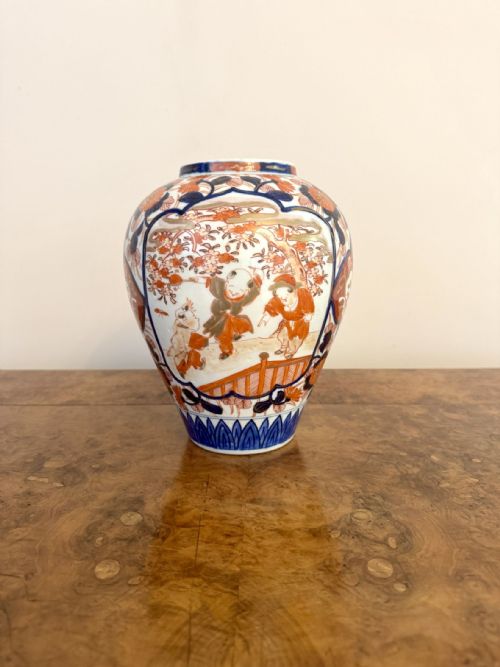
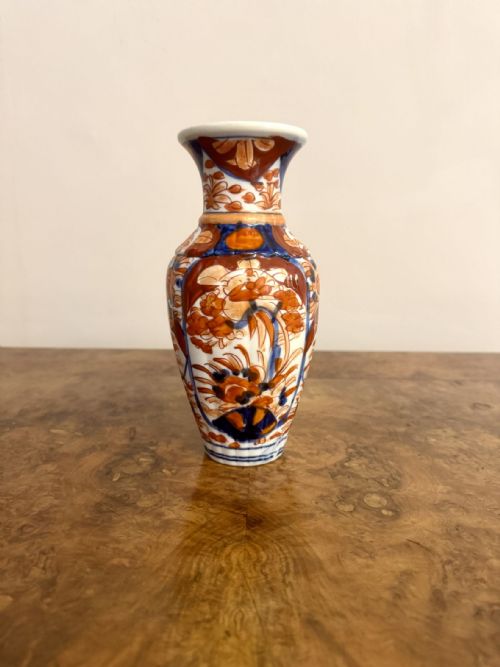
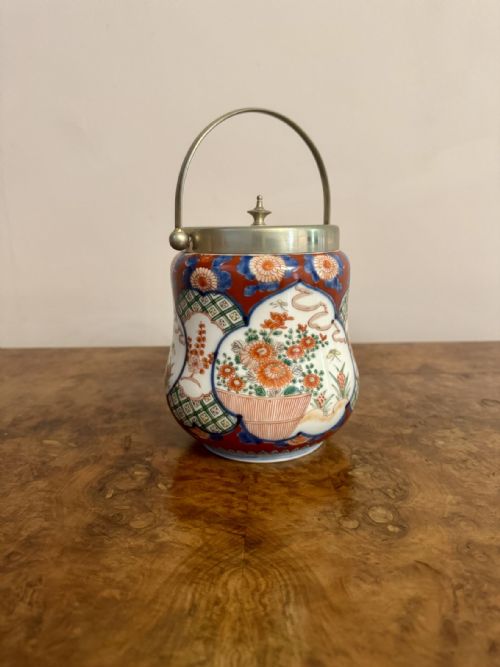
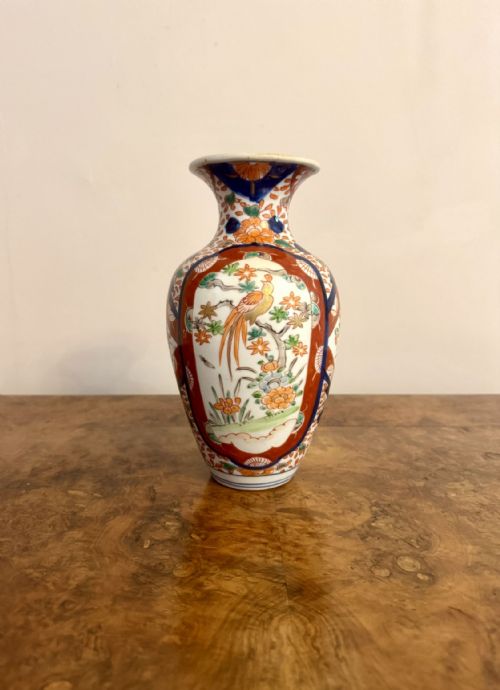
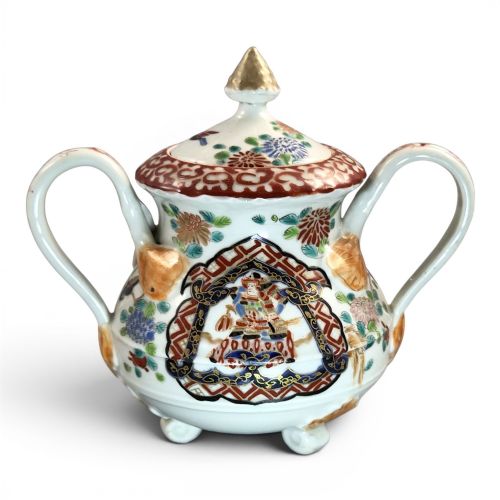


Japanese Imari Porcelain Jars
Japanese imari porcelain jars bring bold cobalt and iron red into a room, offering centuries of ceramic artistry for your mantel or floor.
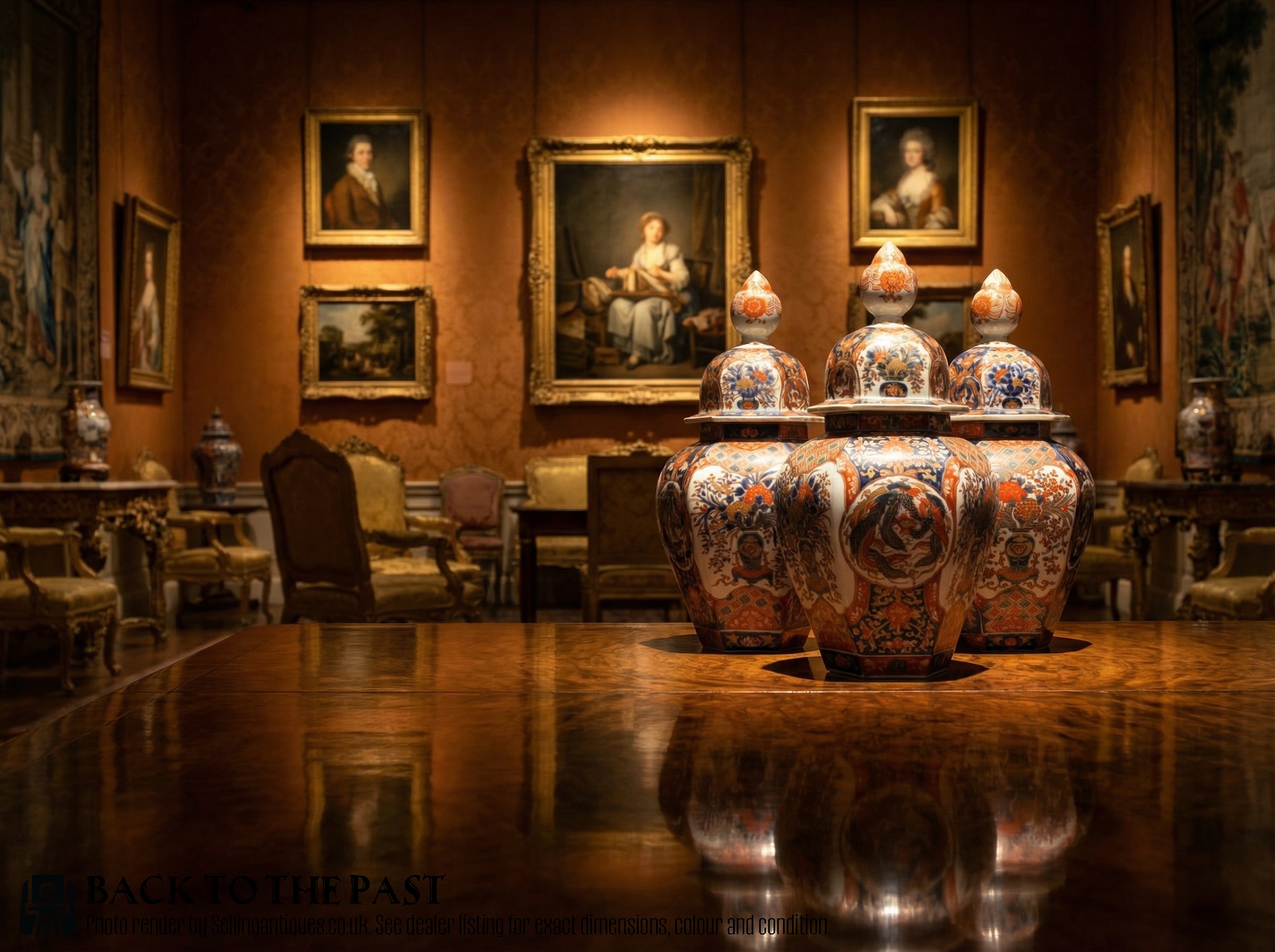
Japanese Imari Porcelain Jars
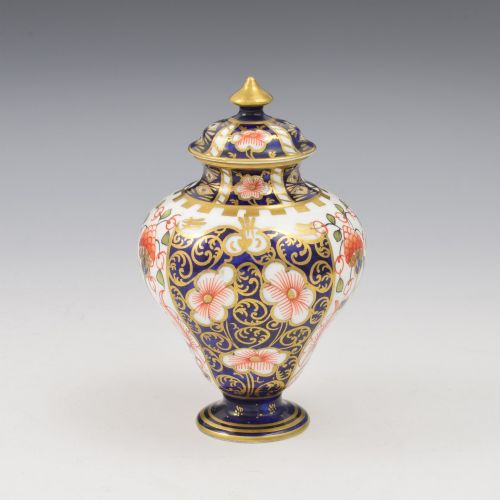
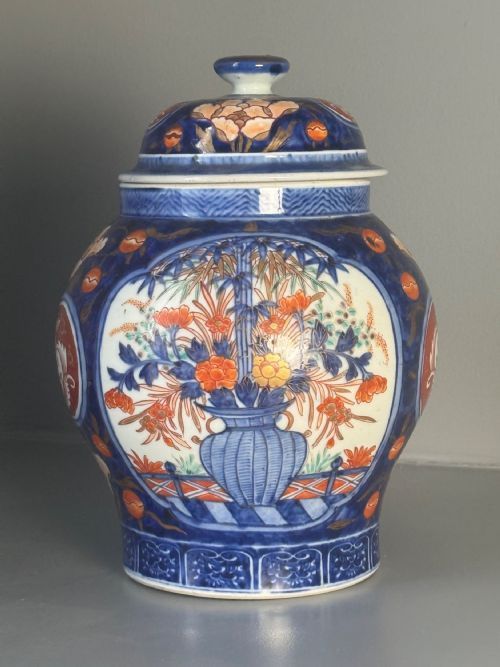
When you search for japanese imari porcelain jars, you encounter robust vessels intended for display, often featuring lids or covers designed to match the body.
The selections span distinct eras, including pieces from the Edo period and the Meiji period, alongside later interpretations from the nineteenth and early twentieth centuries.
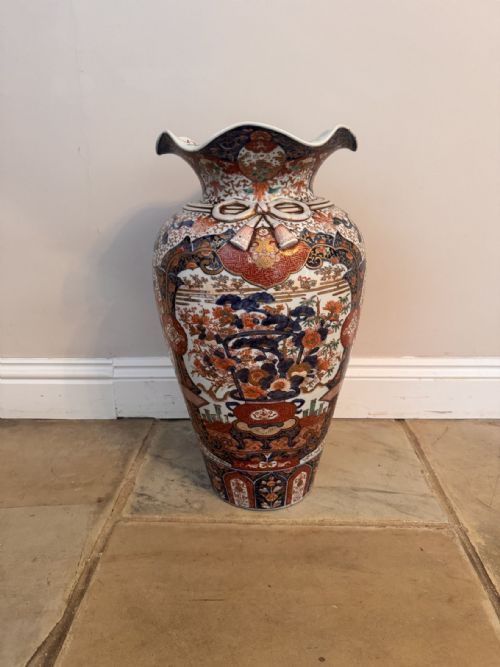
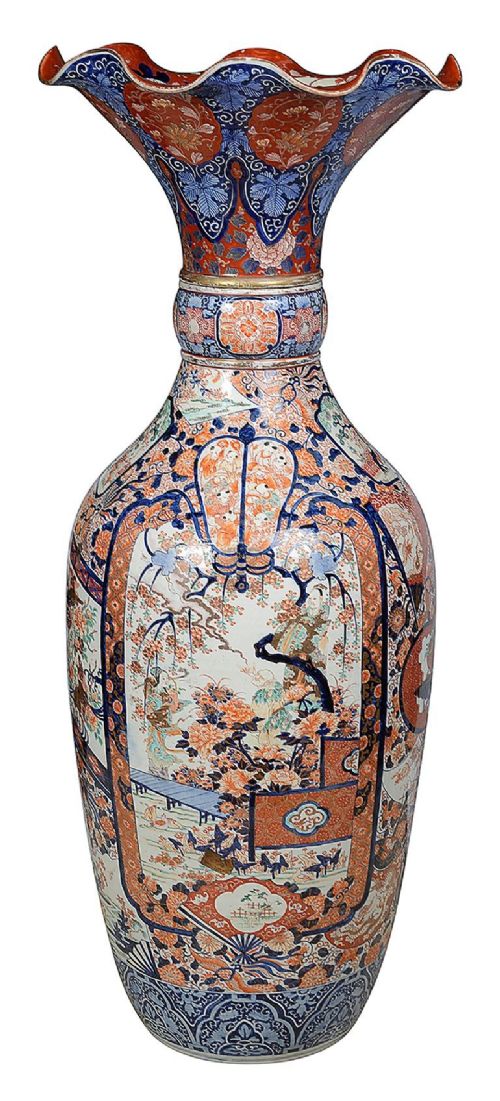
Forms vary from ginger jars and double gourds to substantial floor vases and lidded urns, reflecting traditional Japanese export styles.
Materials and Technique
The foundational body consists of white porcelain, shaped into jars, vases, and biscuit barrels using traditional potting methods.
Decoration relies on underglaze blue combined with iron red enamel, frequently augmented by gold leaf or gilding to highlight intricate surface patterns.
Several jars come with matching lids that have stayed together through centuries of domestic shuffling.
Judging Quality
Quality rests upon the crispness of the hand-painted motifs and the precision of the glaze work across the porcelain surface.
The richness of the enamel colours and the careful application of gold leaf or gilding distinguish finer examples from standard production pieces.
Fukagawa Mark·Royal Crown Derby·Samson
The Japanese Imari Porcelain Jars Glossary
- Imari
- A style of Japanese porcelain featuring a characteristic palette of underglaze blue, iron red, and gilt, originating from the town of Arita.
- Ginger Jar
- A decorative container with a rounded body and a flat or domed cover, historically used for spices or preserved ginger.
- Meiji Period
- An era in Japanese history spanning from 1868 to 1912, noted for prolific export ceramics.
- Edo Period
- The period in Japanese history lasting from 1603 to 1867, encompassing early production of these wares.
- Gilding
- The application of gold leaf or gold paint to ceramic surfaces for ornamental effect.
Japanese Imari Porcelain Jars: Frequently Asked Questions
What are japanese imari porcelain jars?
These are ceramic vessels created in Japan and Europe featuring distinct blue, red, and gilt decoration.
They take forms such as lidded ginger jars, double gourd vases, and large floor standing pieces.
How were japanese imari porcelain jars used?
Historically, these jars served as decorative display items in grand interiors and occasionally held dry goods or spices.
Today, collectors use them as standalone focal points or pair them as garnitures on mantelpieces.
How do I date japanese imari porcelain jars?
Dating relies on stylistic shifts between the Edo and Meiji periods, alongside nineteenth and twentieth-century European revival pieces.
Examining the potting technique, glaze characteristics, and any makers' marks helps narrow the era of production.
How do I care for japanese imari porcelain jars?
Protect these pieces by placing them on stable surfaces away from heavy traffic areas where they might be knocked.
Dust gently with a soft, dry cloth and avoid using liquid cleaners on the enamel and gilt surfaces.