

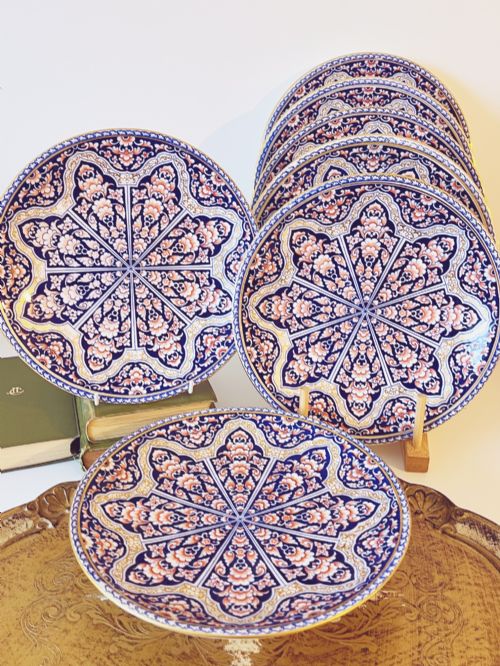

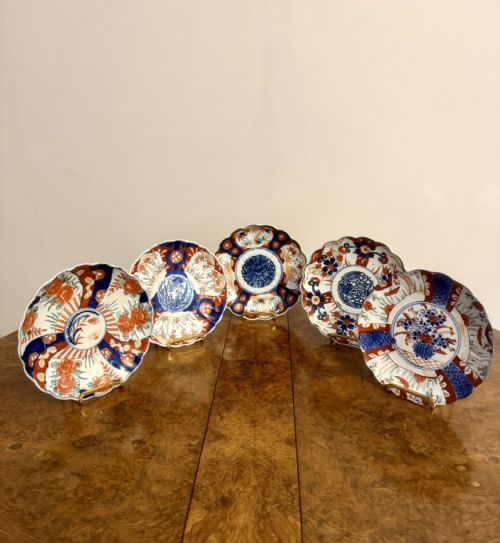
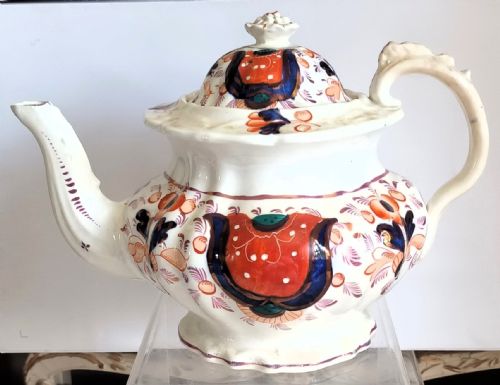


Imari Decorative Porcelain Set
These imari decorative porcelain set pieces bring together bold cobalt and rich enamel palettes that transform an ordinary tabletop.
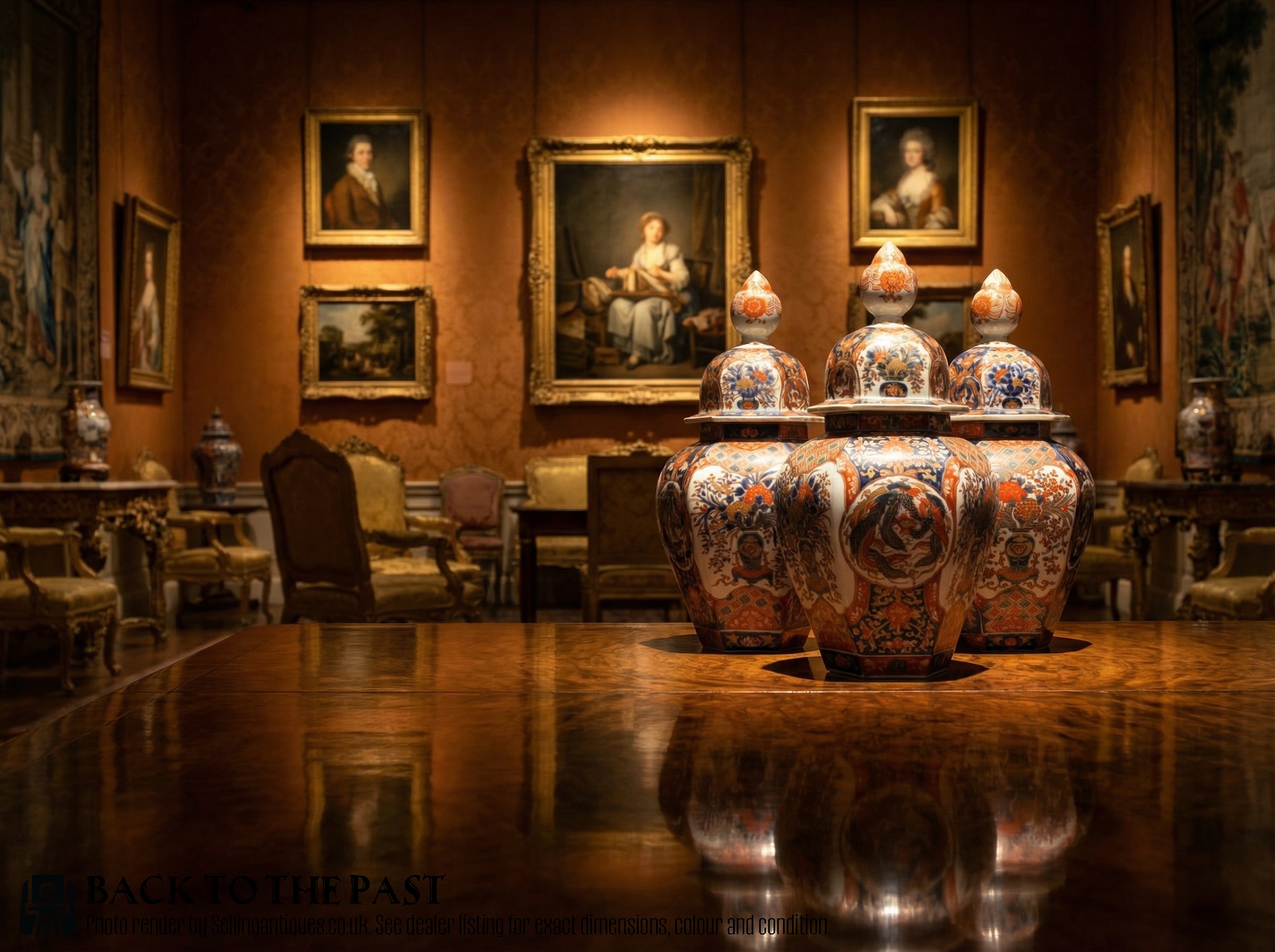
Imari Decorative Porcelain Set
An imari decorative porcelain set encompasses matching groups of plates, shaped dishes, dessert services, and lidded vases spanning from the eighteenth century to around nineteen hundred. When you explore this selection, you encounter Japanese imari pieces alongside British interpretations from factories like Royal Crown Derby and Davenport, plus Chinese export examples.
The domestic British examples take the form of dessert services and trios featuring oriental patterns, while the Japanese imports include shaped vases, garnitures, and matching plate collections. These sets range from modest groupings of four dishes up to larger collections of seventeen dessert plates.
Buyers seeking an imari decorative porcelain set typically focus on matching table services or cohesive mantel garnitures. The assortment on this page reflects traditional forms produced during the Meiji period, the Victorian era, and the eighteenth century.
How they were made
Makers shaped these items from porcelain, bone china, and earthenware before applying underglaze cobalt blue and hand-painted overglaze enamels. Artisans frequently integrated gold leaf highlights to enrich the decorative surface.
Fired in kilns, the porcelain bodies received protective glazes, sometimes incorporating lustre glazes to alter the surface sheen. The resulting items combine durable ceramic structures with intricate painted motifs.
Imari Decorative Porcelain Set Retail Price Guide 2026
Typical asking prices for imari decorative porcelain set among the pieces listed under this phrase on Sellingantiques today, from the lower quarter to the upper quarter. They describe what is for sale here now, not the wider market.
Materials across these listings include porcelain, bone china, earthenware, enamel, gold leaf, and cobalt glaze.
What varies in quality
The standard of a set rests upon the precision of the hand-painted brushwork and the preservation of the enamel and gold leaf details across every component. Complete matching groups demonstrate greater uniformity in shape and pattern execution than assembled groupings.
Earlier eighteenth-century and nineteenth-century examples often exhibit finer clay bodies and more complex pigment layering, whilst later pieces rely on different potting thicknesses and glaze compositions.
Royal Crown Derby·Davenport
The Imari Decorative Porcelain Set Glossary
- Imari
- A style of ceramic decoration originating in Japan, characterised by a distinctive palette of cobalt blue, iron red, and gold. This aesthetic heavily influenced European potteries during the eighteenth and nineteenth centuries.
- Garniture
- A set of matching vases or ornamental vessels designed to be displayed together on a mantelpiece or sideboard. These groupings typically comprise three or five pieces of graduated heights.
- Comport
- A raised dish or bowl used for serving fruit or sweetmeats as part of a dessert service. Comports occupy a central position in matching table arrangements.
- Trio
- A matched set of three ceramic items comprising a teacup, a saucer, and a matching tea plate. Davenport and other British makers produced these for domestic tea drinking.
- Cobalt
- A deep blue mineral pigment used for underglaze painting on ceramics. Cobalt withstands high kiln temperatures without losing its colour intensity.
Imari Decorative Porcelain Set: Frequently Asked Questions
What is an imari decorative porcelain set?
An imari decorative porcelain set comprises matched vessels, plates, or tea wares sharing the characteristic blue, red, and gold palette associated with imari decoration.
These collections range from Japanese export plates and vases to British porcelain dessert services influenced by oriental designs.
How were these sets used?
Many of these pieces served practical functions at the dining table, holding desserts or tea for household guests.
Larger vases and garnitures were intended purely for display on mantelpieces and cabinets within formal rooms.
How do I care for antique porcelain?
These items require gentle hand washing in lukewarm water with mild soap, avoiding dishwashers and harsh abrasive materials.
Display surfaces should be stable to prevent accidental knocks against the hand-painted enamel and gold leaf decorations.
How can I tell the period?
Dating relies on factory date marks, potting techniques, and stylistic traits associated with periods like the Meiji era or the Victorian period.
Examining the base of the porcelain often reveals maker stamps or firing characteristics unique to specific decades.