


Meiji Period Imari Jar
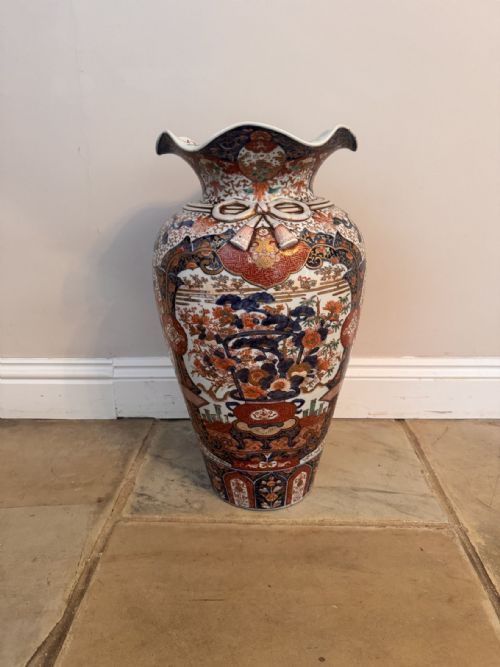
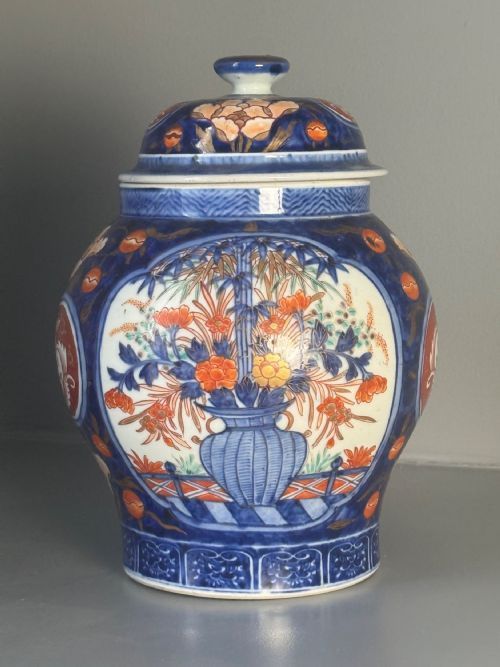
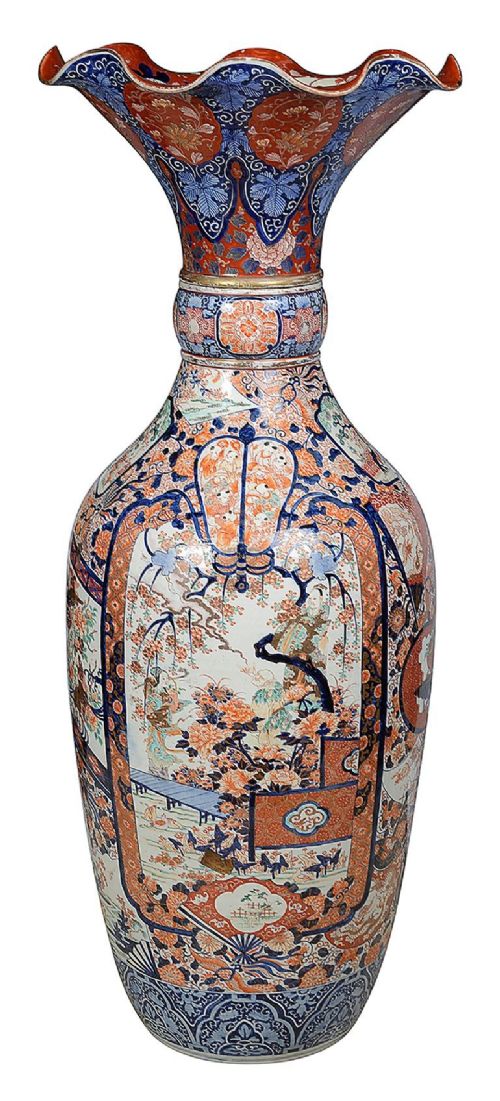
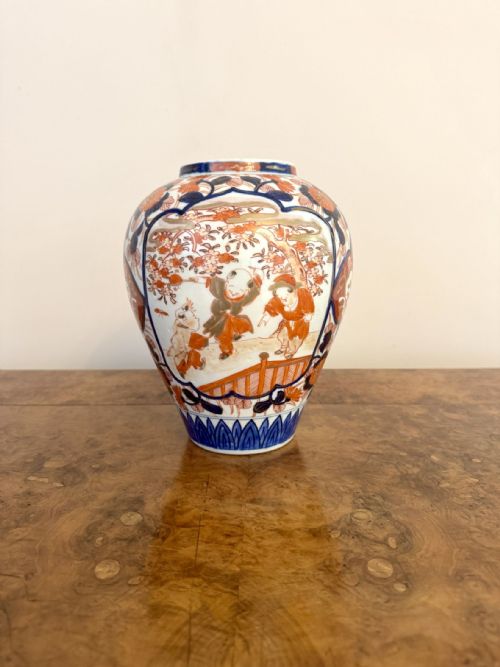
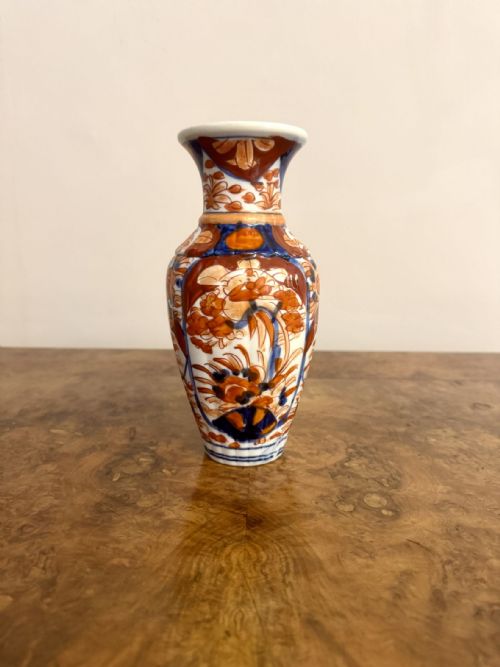
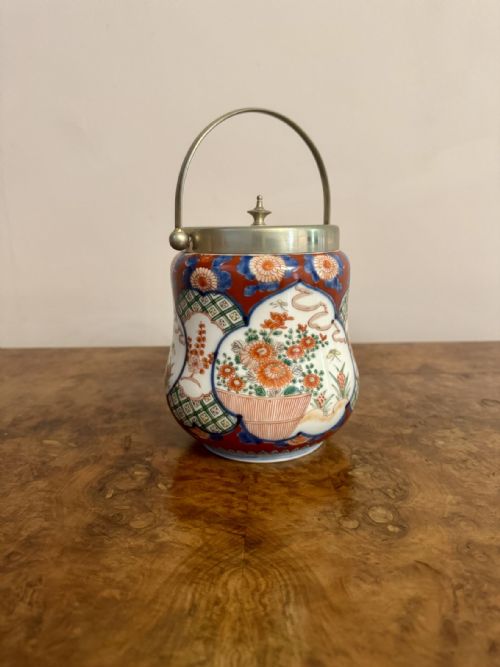
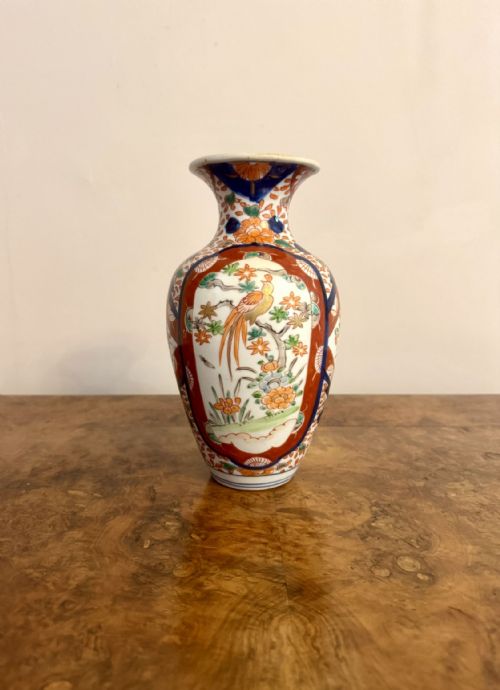
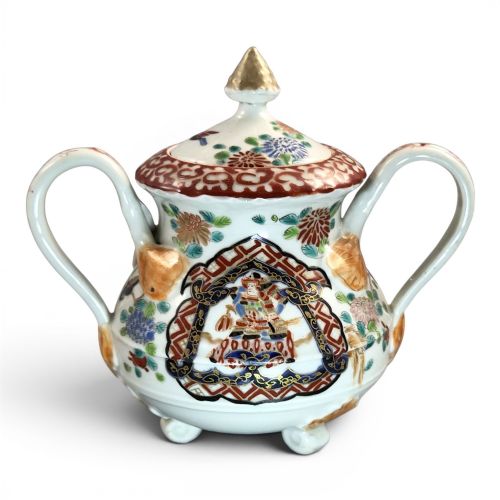
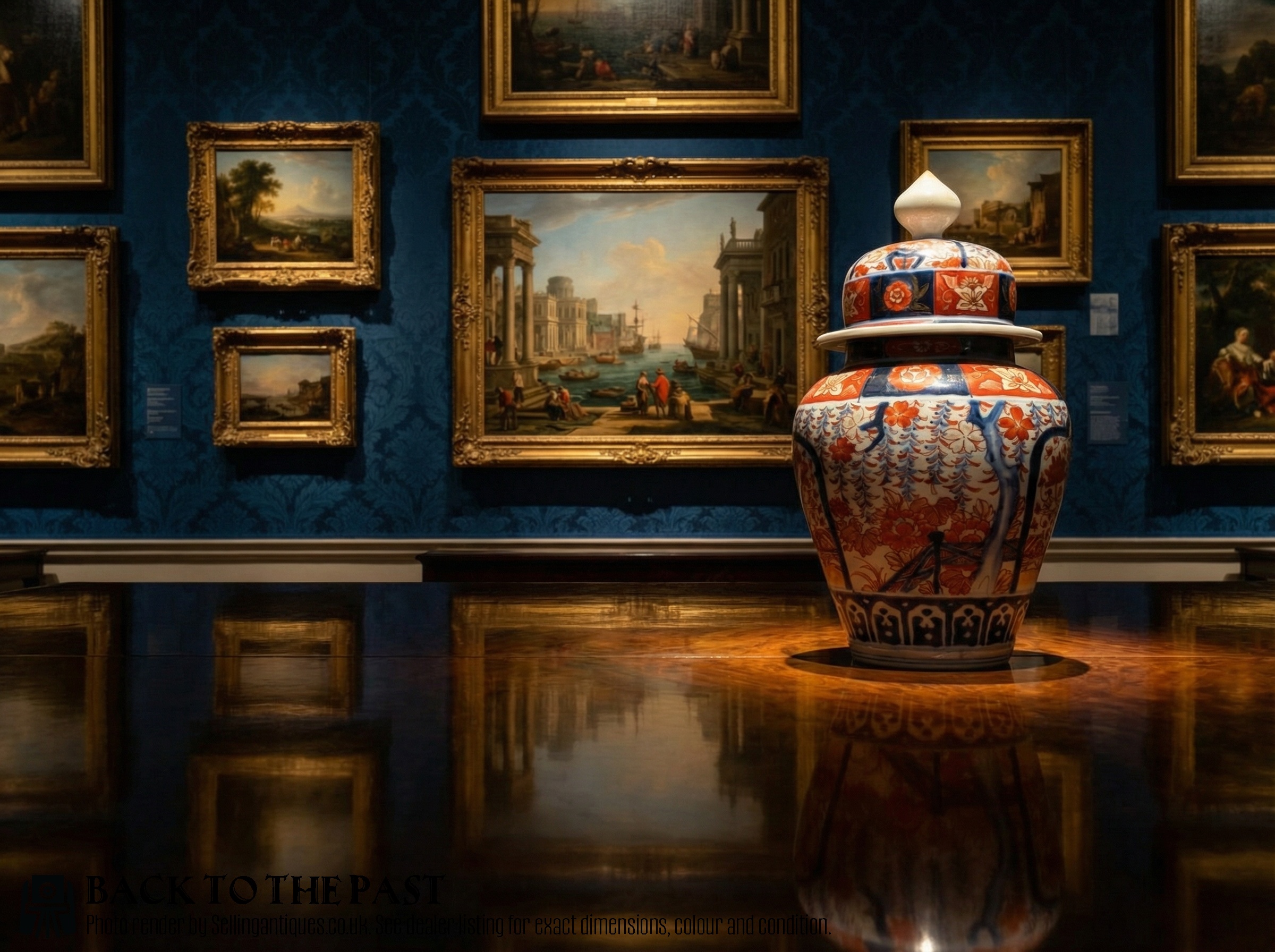
These meiji period imari jar examples are vibrant Japanese porcelain vessels decorated with underglaze blue and iron red enamel, offering striking display presence for any room.
Understanding meiji period imari jar
A meiji period imari jar stands as a quintessential product of Japanese ceramic artistry, produced during the late nineteenth century. These covered vessels range from ginger jars and sugar bowls to larger lidded vases and jardinières, reflecting the diverse domestic and export output of the era.
Most pieces encountered on this page date from the nineteenth century, specifically around eighteen eighty to nineteen hundred. Collectors seek these items for their rich palettes and traditional motifs such as samurai and floral arrangements.
Materials and methods
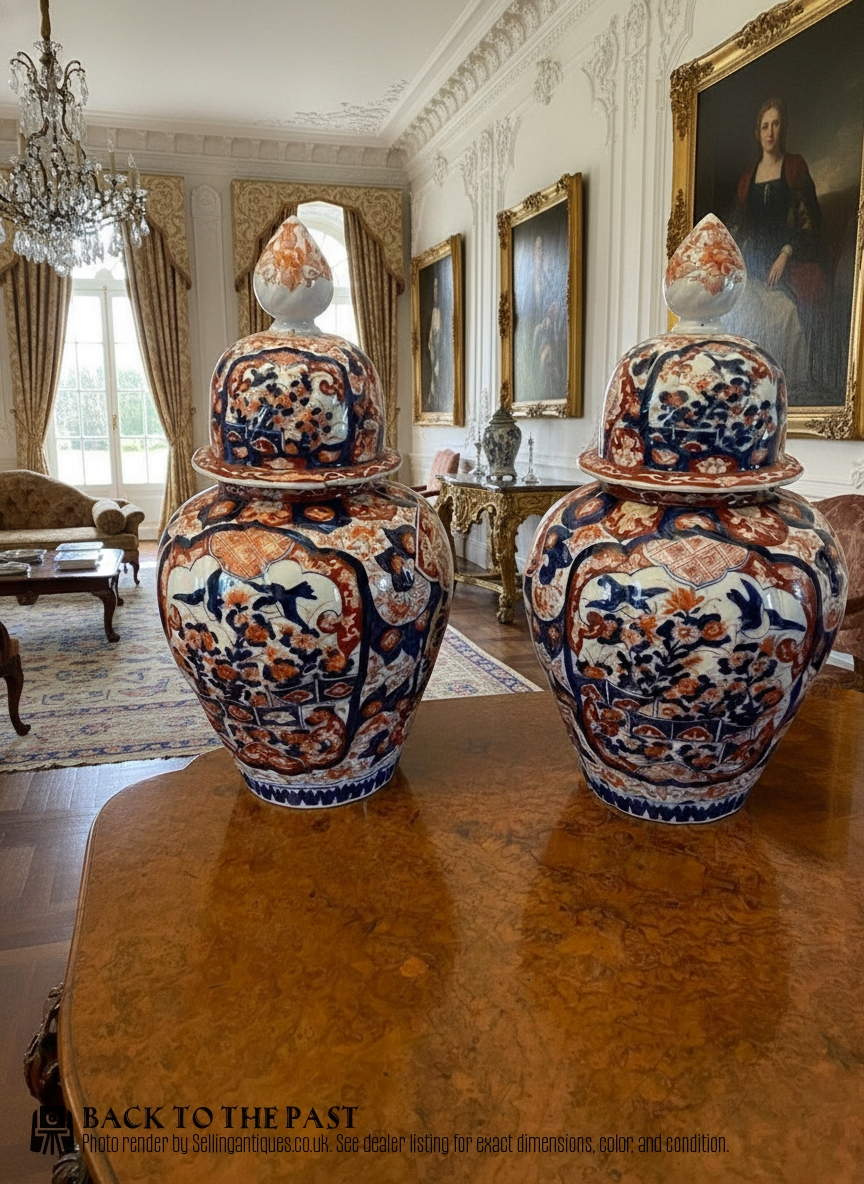
Every meiji period imari jar utilises white porcelain as its primary ceramic body. Artisans shaped this material on the potter's wheel before applying initial underglaze blue pigments.
Enamel colours, predominantly iron red alongside other pigments, were painted over the glaze in intricate patterns. Workshops frequently incorporated gold leaf to highlight specific decorative sections of the design.
Retail Price Guide 2026
Typical UK retail prices for meiji period imari jar, calculated from the Sellingantiques database of over a million retail prices indexed since 2003. This retail price guide relies exclusively on Sellingantiques data; no external sources or auction records are used, so the figures do not describe the wider market.
Listings for this phrase exclusively feature nineteenth century dates, spanning from circa eighteen seventy up to nineteen hundred.
Assessing quality
Quality in a meiji period imari jar rests upon the precision of the hand-painted brushwork and the complexity of the palette. Finer examples display crisp underglaze blue lines combined with deeply saturated iron red and judicious touches of gold leaf.
The sculptural execution of details, such as a shishi finial on a lid, separates standard production from superior pieces. Additionally, the clarity of the porcelain body and the absence of firing blemishes dictate the upper tiers of the range.
Fukagawa Mark
The Meiji Period Imari Jar Glossary
- Imari
- A traditional style of Japanese porcelain named after the port from which the wares were shipped. It is characterised by a palette of underglaze blue, iron red, and added gold.
- Shishi
- A mythical guardian lion or dog often modelled as a finial on jar lids. These figures add a sculptural element to the vessel.
- Ginger jar
- A ceramic vessel with a wide body and domed cover, originally used for storing spices. In the Meiji period, many served purely decorative functions.
- Underglaze blue
- Pigment applied to the ceramic body before glazing and firing, creating a durable blue design beneath the glassy surface.
Frequently Asked Questions
What were meiji period imari jars used for?
These vessels served various functional and decorative roles in households during the late nineteenth century. Many acted as storage containers for dry goods or ginger, while others functioned purely as ornamental display items.
The addition of fitted covers helped protect the contents inside. Over time, their striking appearance made them central decorative pieces in both Japanese and Western interiors.
How do I identify a Meiji period piece?
Identification relies on examining the characteristics of the porcelain body, the specific pigment combinations, and any associated marks. Pieces from this era often feature a vibrant palette of underglaze blue and iron red enamel.
Stylistic cues also point toward the late nineteenth century output of Japanese kilns. Comparing forms against documented examples helps confirm the period.
Are all imari jars covered?
Many examples retain their original lids, forming complete vessels such as ginger jars or lidded vases. However, some items from the period were manufactured as open jardinières without covers.
When a lid is present, it often echoes the primary decorative motifs of the body. Finials on these lids can range from simple knobs to modelled guardian figures.
How should I display these jars?
Displaying these ceramics requires a stable surface away from high-traffic areas to ensure their safety. Their bold colours work well as focal points on mantels, sideboards, or within cabinet displays.
Keeping them out of direct sunlight helps protect the enamels and gold leaf details over time. Simple dusting with a soft cloth maintains their surface condition.