





Antique Temple Jar
An antique temple jar commands attention in a room, offering striking proportions and hand-painted detail that anchor any surface it occupies.

Antique Temple Jar
The antique temple jar search phrase brings together substantial ceramic vessels and covered jars originally produced for decorative or utilitarian storage. Pieces on this page span several centuries, with prominent representation from the 17th Century, 18th Century, 19th Century, and early 20th Century.
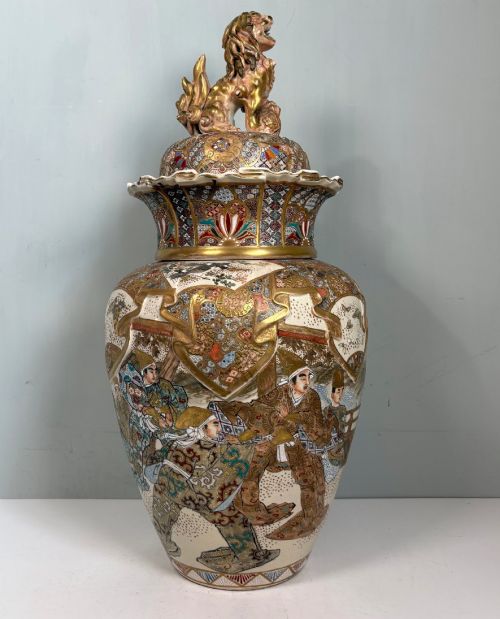
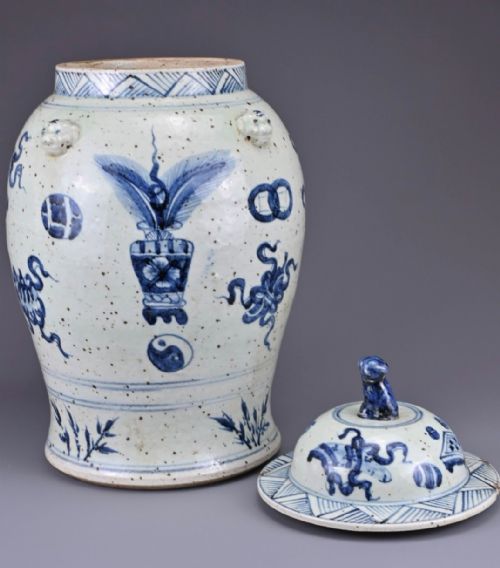
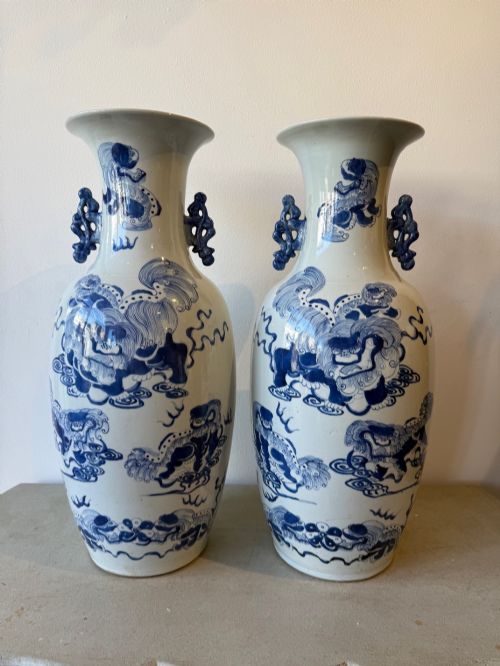
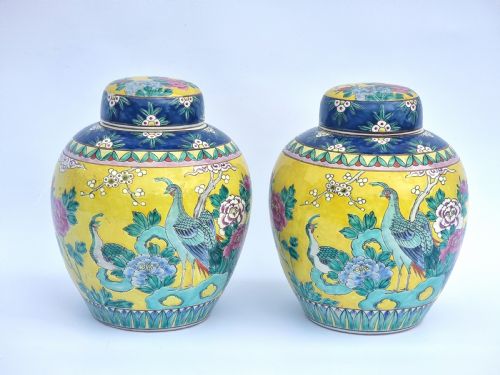
Buyers encounter distinct regional traditions within these listings, notably Japanese examples from the Edo period, Meiji period, and Arita kilns, alongside Chinese Qing Dynasty productions. Forms range from baluster vases and ovid lidded jars to ginger jars and monumental floor pieces.
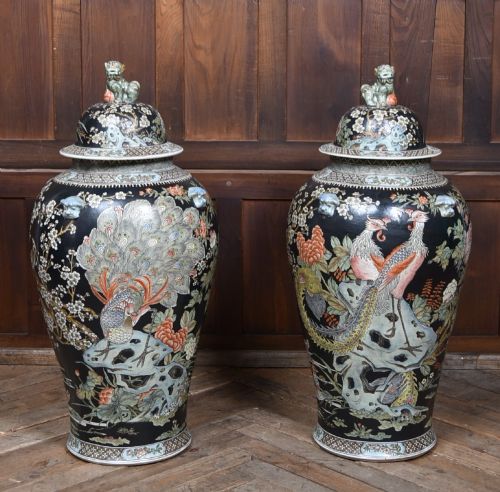
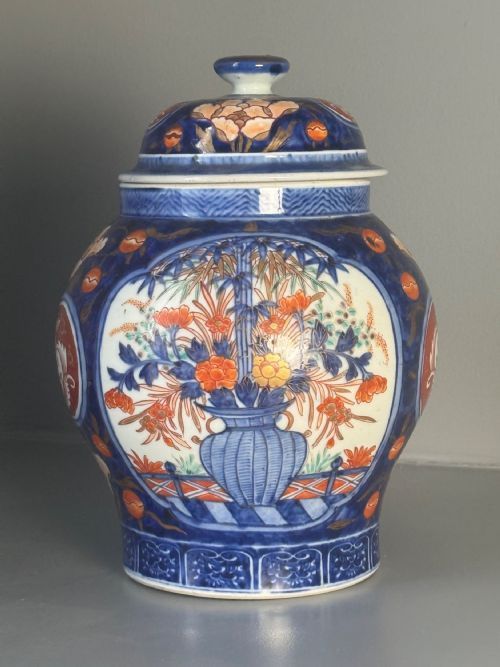
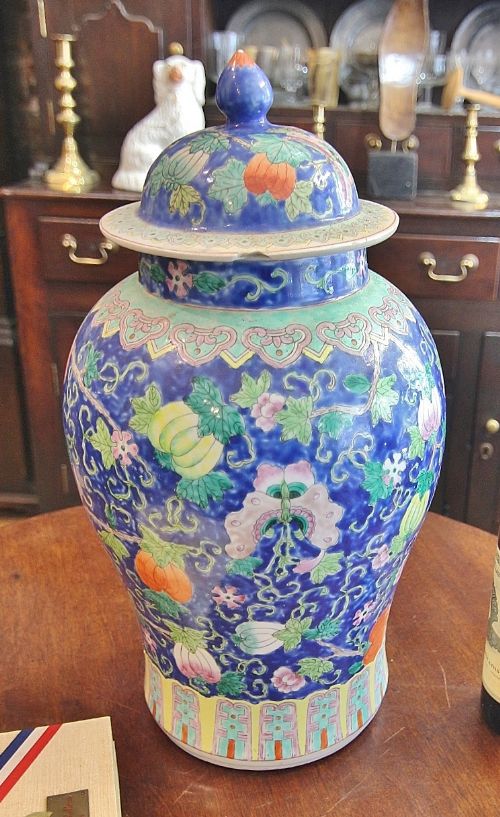
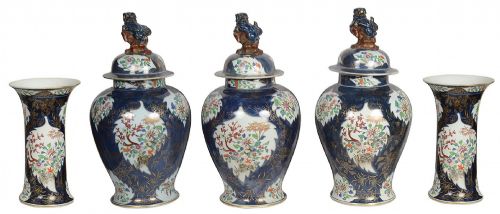
Many items incorporate matching covers, while others appear as pairs or part of a larger garniture set. Surfaces showcase traditional motifs executed in blue and white, Imari palettes, Famille rose, Satsuma, and cloisonne enamel.
Materials and construction methods
Potters shaped these vessels primarily in porcelain and earthenware, applying complex glaze formulations and hand-painted pigments before firing. Many incorporate cobalt blue underglaze, polychrome enamels, and accents of gold leaf or gilding.
Selected works feature detailed cloisonne techniques using brass wire to create cellular compartments filled with enamel paste. Ironstone and pottery also appear, demonstrating varied ceramic traditions across Asian and European workshops.
Listings include porcelain, earthenware, and brass elements decorated with gold leaf, enamel, and traditional glaze.
Assessing craftsmanship and finish
Quality reveals itself in the precision of the hand-painted brushwork, the depth and clarity of the glaze, and the symmetry of the ceramic body. Superior examples maintain crisp pigment control and harmonious colour saturation across large surfaces.
The presence of an original, undamaged matching cover influences the integrity of a piece. Finer works display meticulous detailing in supplemental gilding, enamel layering, and overall decorative composition.
Yamashu·Carlton Ware·Masons Ironstone·Samson
The Antique Temple Jar Glossary
- Imari
- A style of Japanese porcelain featuring a distinct palette of underglaze blue, iron red, and gold. This decorative approach originated in Arita and gained substantial popularity in European export markets.
- Famille rose
- A Chinese porcelain palette dominated by opaque pink or rose enamel colours. Introduced during the Qing Dynasty, this style allowed for nuanced shading in floral and figural scenes.
- Cloisonne
- A metalwork technique where thin wire is soldered to a base to form cells, which are then filled with enamel paste and fired. Finished surfaces receive extensive polishing to create smooth decorative panels.
- Garniture
- A set of matching vases or jars designed to be displayed together on a mantelpiece or shelf. These sets typically include a combination of covered and open vessels in graduated sizes.
- Baluster
- A vase shape characterised by a rounded body that tapers toward the base and flares at the neck. This architectural profile provides stability for larger decorative vessels.
Antique Temple Jar: Frequently Asked Questions
How do you style a temple jar?
Temple jars work well placed on large pieces of furniture such as sideboards, console tables, or mantels. Pairs and garniture sets create symmetry when balanced on either side of a fireplace or architectural feature.
Single monumental jars stand effectively on the floor or on sturdy low stands, allowing their painted surface details to be viewed at close range.
How do I identify Chinese versus Japanese jars?
Chinese pieces often feature cobalt blue and white designs from the Qing Dynasty, or pastel enamels in the Famille rose palette. Common motifs include dragons, foliage, and narrative scenes.
Japanese examples frequently utilise the Imari palette of iron red, blue, and gold, or the dense brocade patterns characteristic of Satsuma and Kutani wares.
What does lidded jar mean?
A lidded jar includes its original matching ceramic cover, which completes the vertical silhouette of the vessel. Keeping the cover intact preserves the intended artistic proportion of baluster and ginger jar forms.
Many surviving pieces retain tight-fitting lids decorated with matching border patterns and finials.