


Antique Imari Jar
An antique imari jar brings the rich, traditional palette of iron-red, cobalt blue, and gilt into a room through centuries of ceramic artistry.

Antique Imari Jar
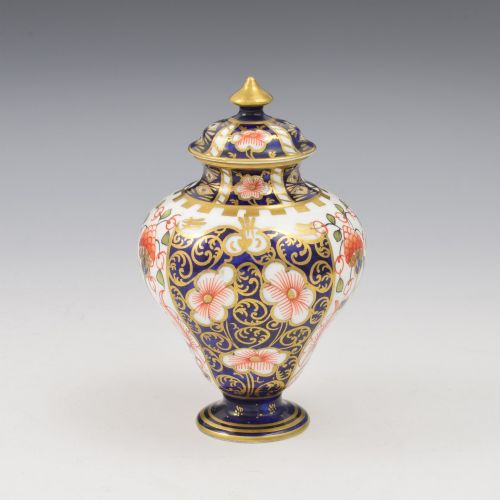
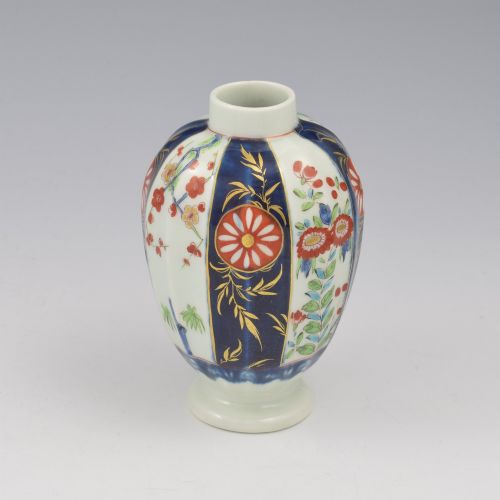
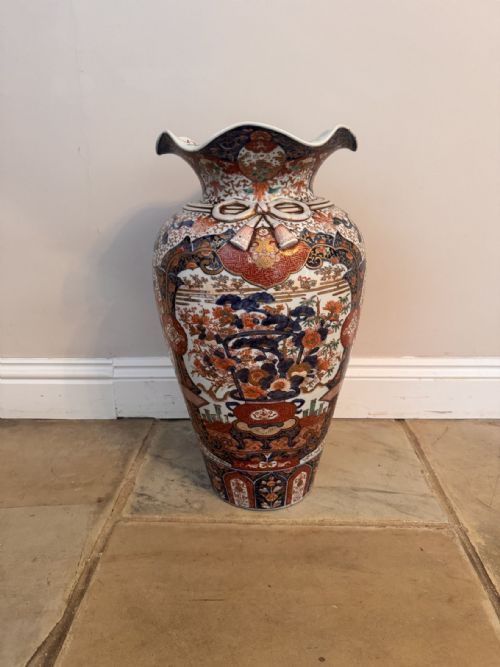
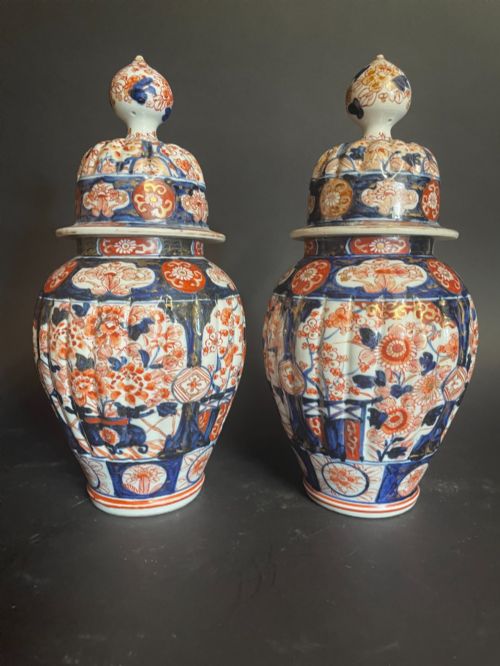
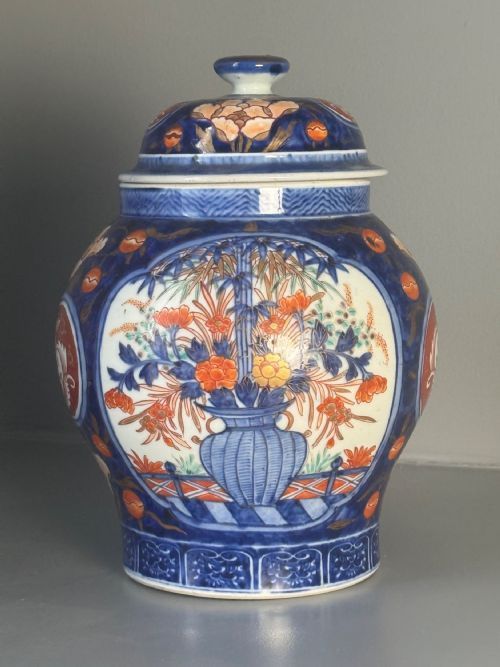
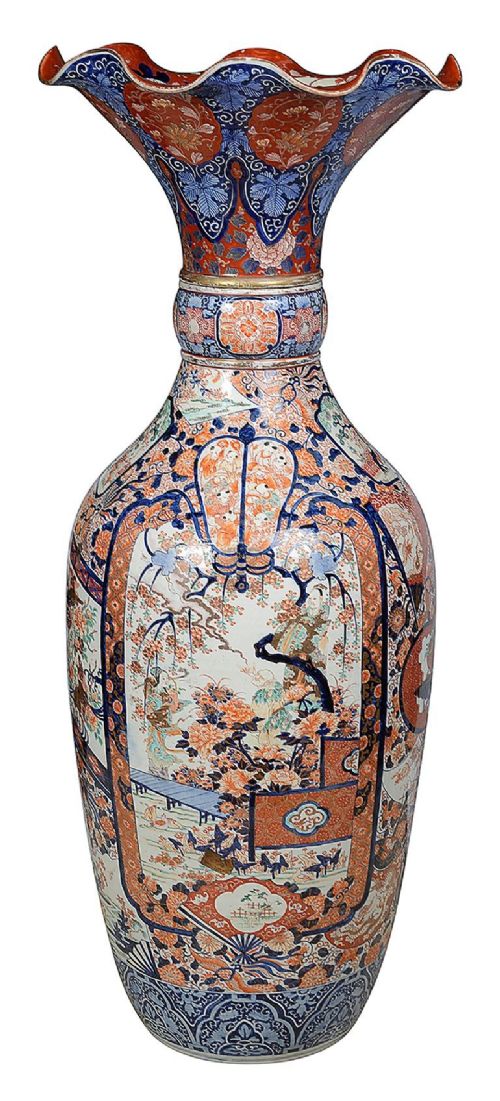
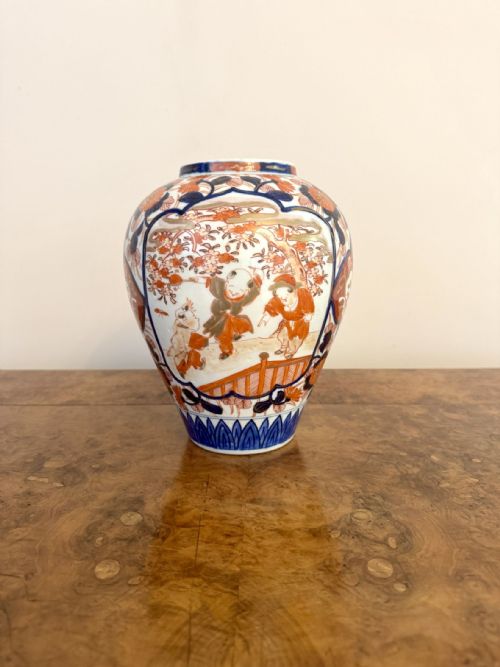
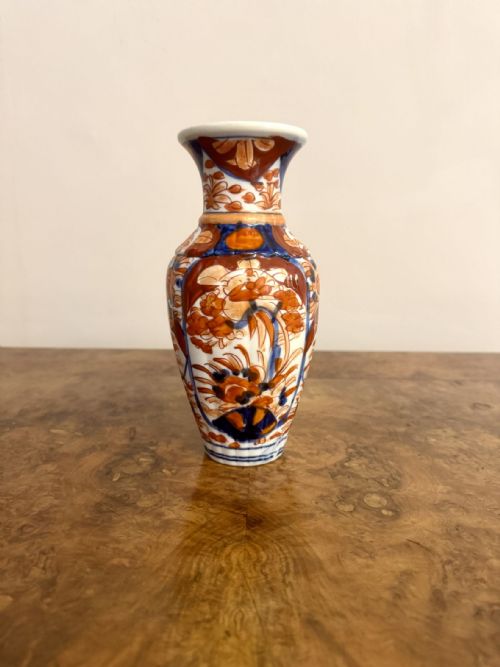
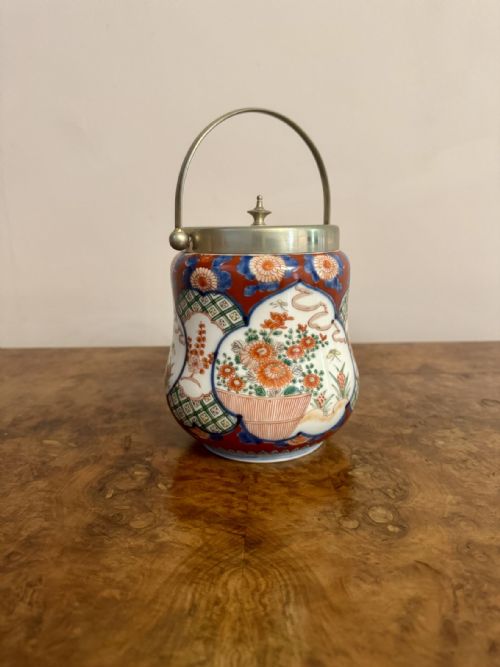
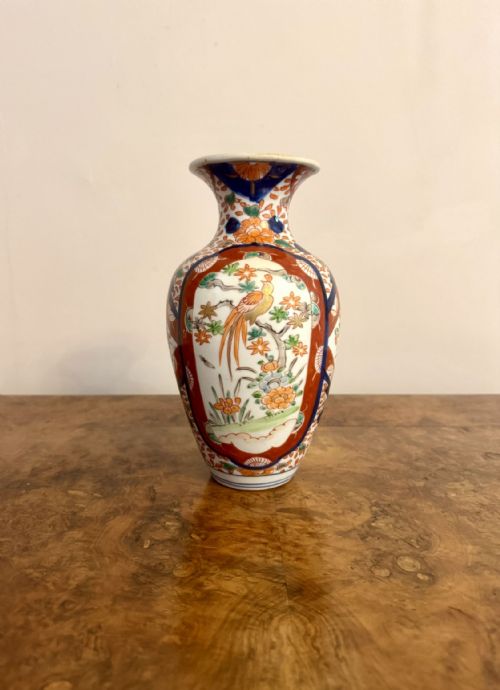
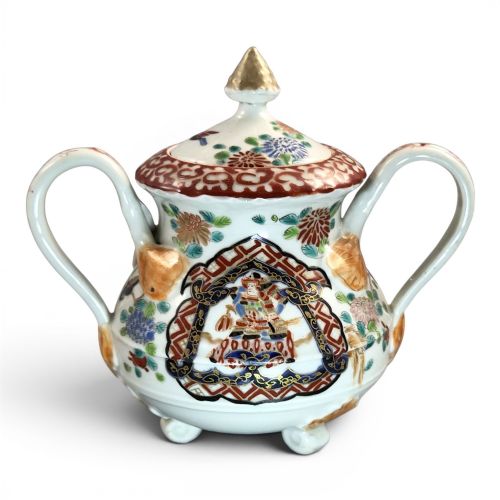
An antique imari jar encompasses a range of ceramic vessels spanning the seventeenth century through to the Edwardian period, drawing heavily on Japanese and English traditions. Buyers examining this category encounter various forms, from lidded ginger jars and biscuit barrels to large floor-standing and baluster vases decorated in the distinct imari palette.
The pieces originating from Japan frequently date from the Meiji and Edo periods, featuring traditional motifs and forms produced in kilns such as those in Arita. European interpretations, including items from English makers using ironstone and porcelain, sit alongside these Asian imports to form a diverse selection of covered jars and vases.
How they were made
Makers utilised high-fired ceramic and porcelain bodies, shaping them into octagonal, fluted, or double-gourd silhouettes before applying underglaze blue and overglaze enamel colours. Gilding and gold leaf often highlight the intricate surface patterns, requiring multiple firings in the kiln to set both the glaze and the metallic details.
Ironstone provided a sturdy alternative base for certain European adaptations, while Japanese potters relied on refined porcelain clay to achieve the smooth surfaces necessary for detailed hand-painted designs.
What varies in quality
The precision and density of the hand-painted brushwork separate standard production pieces from the finest examples, with superior items displaying crisp cobalt lines and meticulously applied enamel. The preservation of the original gilt and enamel details over centuries dictates the visual strength of the vessel.
Proportion and scale also define the hierarchy of these jars, where imposing pairs and large lidded baluster forms command greater presence than smaller utility vessels.
Royal Crown Derby·Masons Ironstone·Samson
The Antique Imari Jar Glossary
- Imari palette
- A decorative scheme defined by the use of underglaze blue, iron-red, and supplementary gilt highlights. This combination originated in Japan before influencing European ceramic production.
- Baluster vase
- A vessel featuring a rounded body that tapers towards the base and swells near the lower centre. This shape provides a stable foundation for complex surface decoration.
- Ginger jar
- A covered ceramic container traditionally used for storing spices. In decorative contexts, it denotes a wide-shouldered jar with a domed lid.
- Ironstone
- A heavy, durable type of earthenware developed in the nineteenth century. It offered a resilient alternative to imported porcelain.
- Gilt
- A thin layer of gold applied to the surface of the ceramic. It catches the light and outlines the primary painted motifs.
Antique Imari Jar: Frequently Asked Questions
How do I date an antique imari jar?
Dating relies on examining the ceramic body, glaze characteristics, and stylistic traits associated with periods like the Meiji era or the eighteenth century. Makers' marks, where present, help pinpoint specific origins and production decades.
Secondary clues include the weight of the porcelain, the depth of the iron-red pigments, and whether the piece shows signs of long-term handling or traditional wear.
Are all imari jars from Japan?
Many originate from Japanese kilns in Arita and date from the Edo and Meiji periods, reflecting classic Asian export styles. However, European potteries in England and France produced their own interpretations using the same distinctive palette.
These European pieces often utilise ironstone or soft-paste porcelain while closely following the decorative layout of the Japanese originals.
How should I display a lidded jar?
These vessels work well as focal points on sideboards, mantels, or within dedicated display cabinets where their colours can be appreciated in natural light. Large floor-standing examples suit open hallway spaces or corners.
Because many include original covers, placing them away from high-traffic areas prevents accidental displacement of the lid.
What is the difference between a jar and a vase?
Jars typically feature wider shoulders and include a matching removable cover intended for containment, whereas vases generally present an open top designed for floral display. In practice, many antique listings use the terms interchangeably for covered vessels.
Examine the rim and lid fit to understand the original intended function of the piece.