
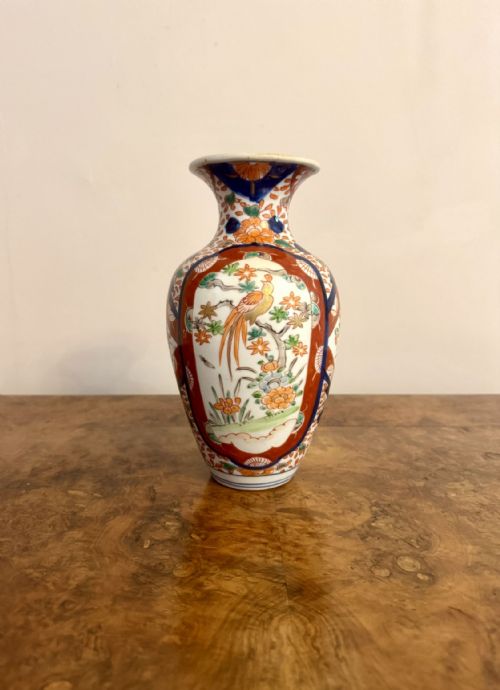


Hand Painted Imari Jar
A hand painted imari jar brings vibrant iron-red, cobalt blue and gold into a room through traditional ceramic artistry.
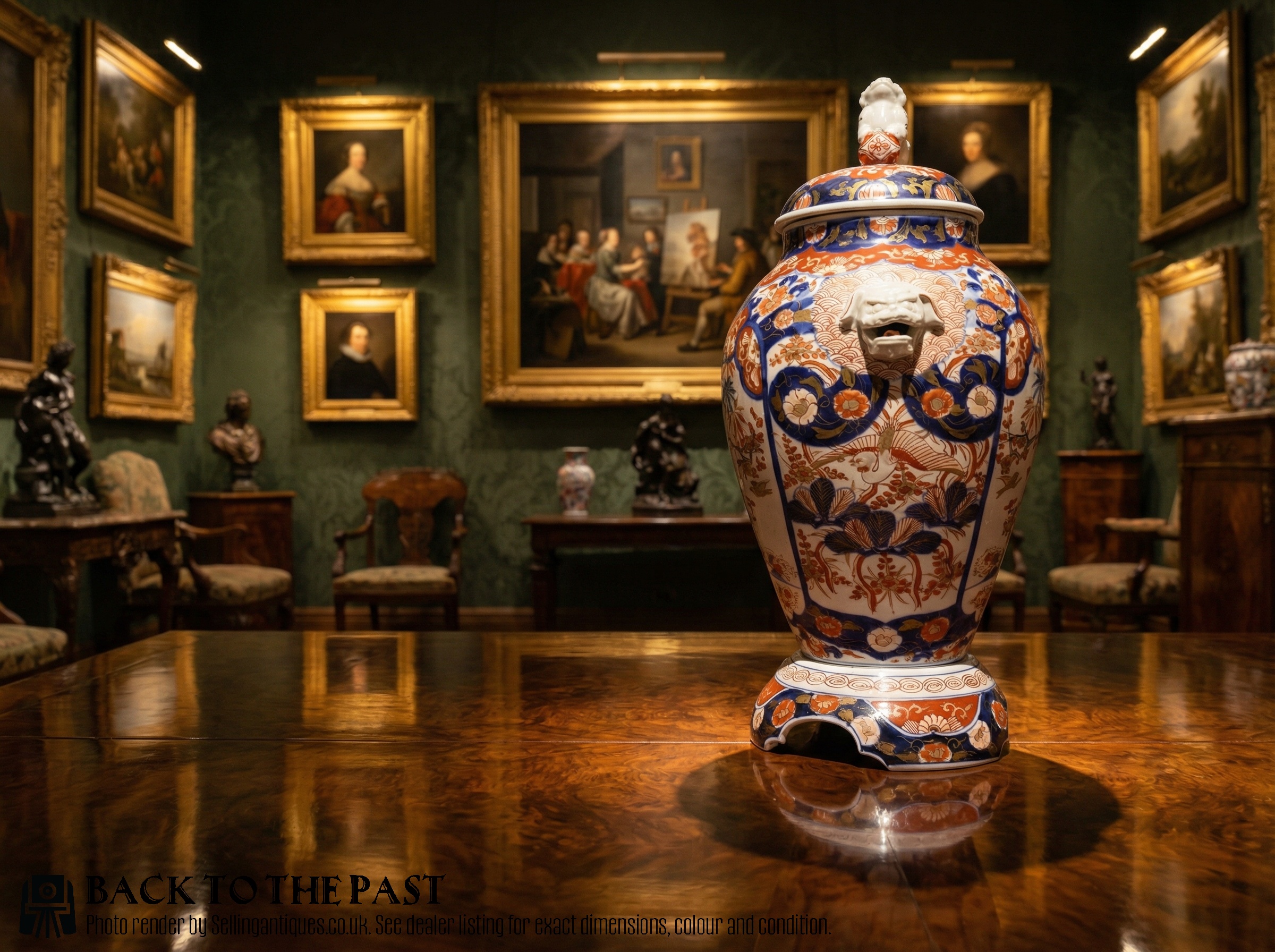
Hand Painted Imari Jar
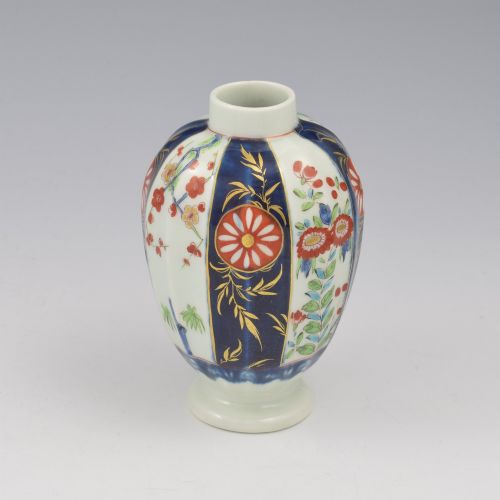
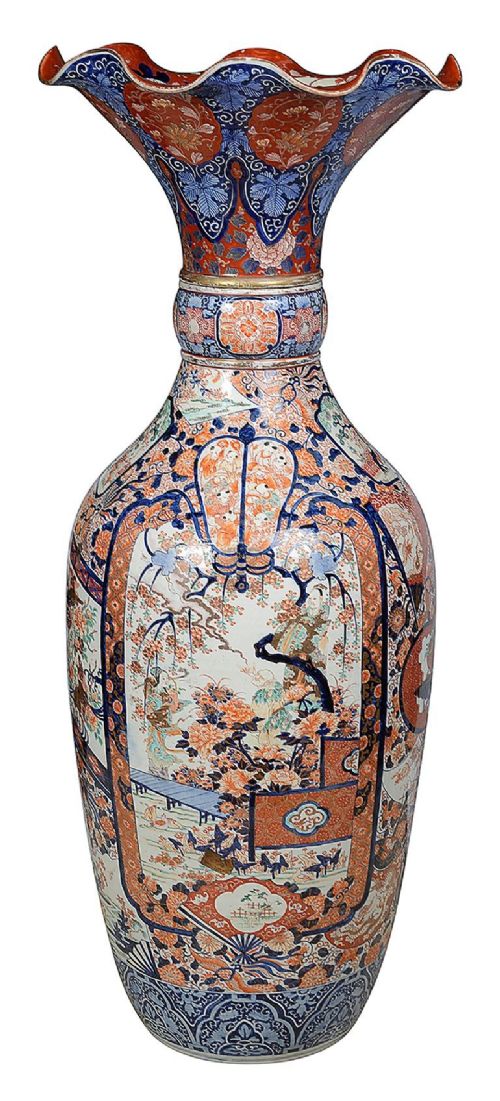
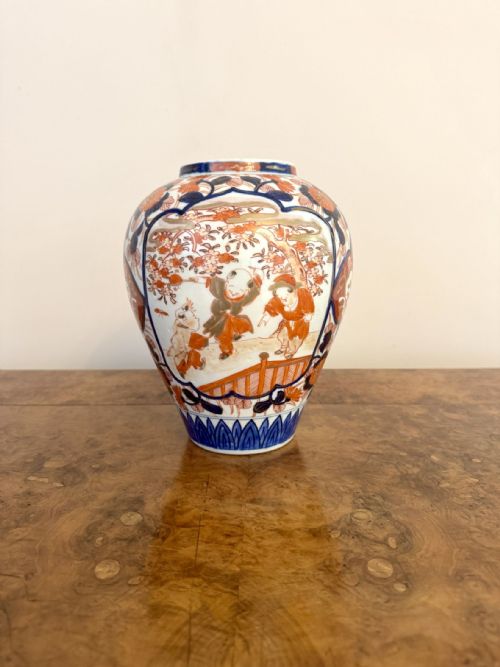
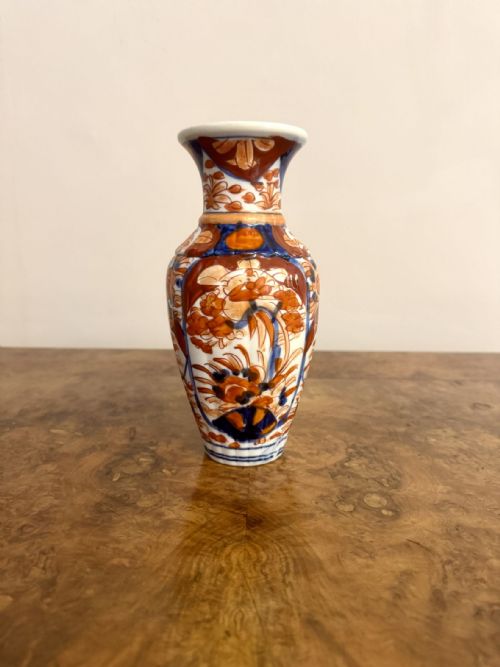
A hand painted imari jar is a ceramic vessel decorated in the distinctive palette associated with Japanese export wares and their English interpretations. These objects range from ginger jars and lidded vases to tea canisters and sugar bowls.
The pieces on this page appear across several periods, including the eighteenth century, nineteenth century, and Edwardian eras. Japanese examples frequently date from the Meiji period, while English porcelain alternatives reflect Georgian and Victorian tastes.
Forms vary from standard ginger jars to double gourd vases, hexagonal shapes, and lidded koro. Many retain their original covers, while others function as decorative display pieces or lamps.
How they were made
Makers shaped these items using porcelain, soft-paste porcelain, bone china, or general ceramic bodies. Potters formed them on wheels or in moulds before firing the clay to create a solid base.
Decorators applied cobalt blue underglaze pigments alongside enamel colours and gold leaf or gilt details. Subsequent firings fixed the vibrant palette and metallic highlights onto the glaze surface.
Ginger jars secretly double as wonderful hiding spots for spare keys and emergency chocolate.
What varies in quality
The fineness of the hand painting dictates the visual impact of each jar, with precise brushwork separating standard production items from superior examples. Complex motifs involving dense panels of foliage and figures demand greater skill from the decorator.
The richness and preservation of the enamel colours and gold leaf contribute significantly to the overall presence of the piece. Crisp potting, particularly on large floor vases and lidded jars, indicates higher craftsmanship.
Royal Crown Derby
The Hand Painted Imari Jar Glossary
- Imari
- A style of ceramic decoration originating in Japan, characterised by a palette of underglaze blue, iron-red, and gilt highlights. European factories later adopted this distinctive aesthetic.
- Ginger Jar
- A decorative ceramic vessel with a rounded body and a matching lid, originally used for storing spices. Many surviving examples serve purely decorative functions.
- Meiji Period
- A Japanese historical era lasting from 1868 to 1912, associated with substantial export porcelain production. Pieces from this time often feature intricate hand painted patterns.
- Soft-paste Porcelain
- A type of ceramic body composed of clay and glass-like frit, fired at lower temperatures than hard-paste porcelain. Eighteenth-century English factories utilised this material.
- Koro
- A traditional Japanese incense burner typically fitted with a pierced lid. These lidded vessels appear in various sizes among export ceramics.
Hand Painted Imari Jar: Frequently Asked Questions
What is an imari jar?
An imari jar is a ceramic vessel featuring hand painted designs executed primarily in cobalt blue, iron-red, and gold. The style originated in Japan and influenced European potteries.
These pieces function as decorative jars, lidded vases, and ginger jars within domestic interiors.
How do I date an imari jar?
Dating relies on examining the ceramic body, glaze characteristics, and stylistic conventions associated with different periods. Japanese pieces often align with the Meiji period or late nineteenth century.
English interpretations reflect eighteenth-century Georgian or nineteenth-century Victorian manufacturing methods.
Were these jars used for ginger?
Ginger jars served as bulk storage containers for spices, ginger, and preserves shipped from East Asia. Over time, Western households adopted them purely as ornamental objects.
Many surviving jars retain their original matching lids for display on mantelpieces and cabinets.
How do I clean an antique imari jar?
Dusting with a soft, dry cloth preserves the fragile enamel colours and gold leaf decorations. Avoid chemical cleaners or immersion in water, which can damage the aged glaze.
Gentle maintenance protects the hand painted surfaces of older ceramic pieces.