

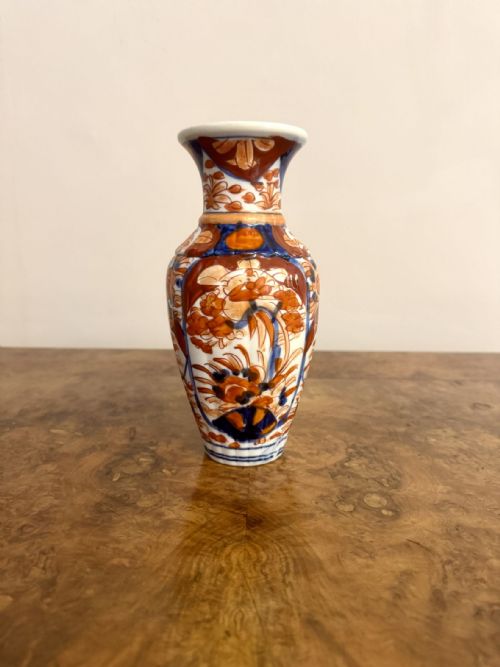
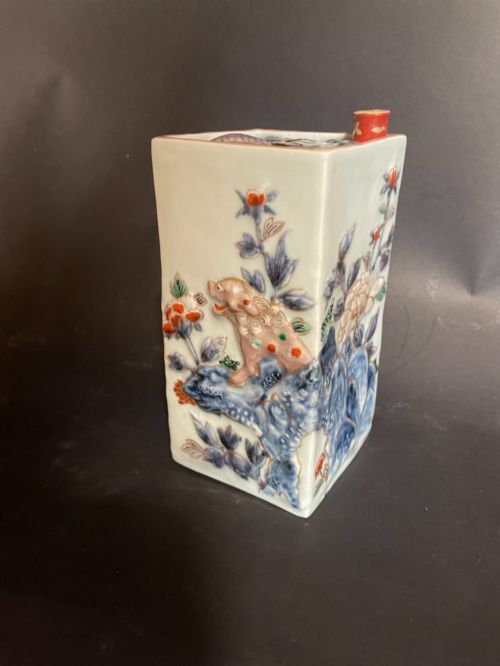
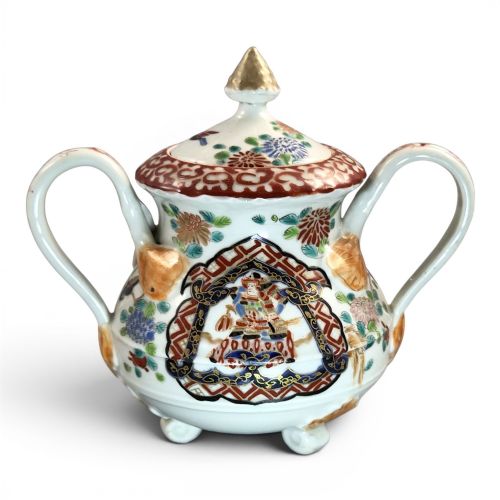


Imari Porcelain Vessel
An imari porcelain vessel brings centuries of vibrant hand-painted iron-red, cobalt blue, and gilt tradition straight from Japanese and European kilns into your home.
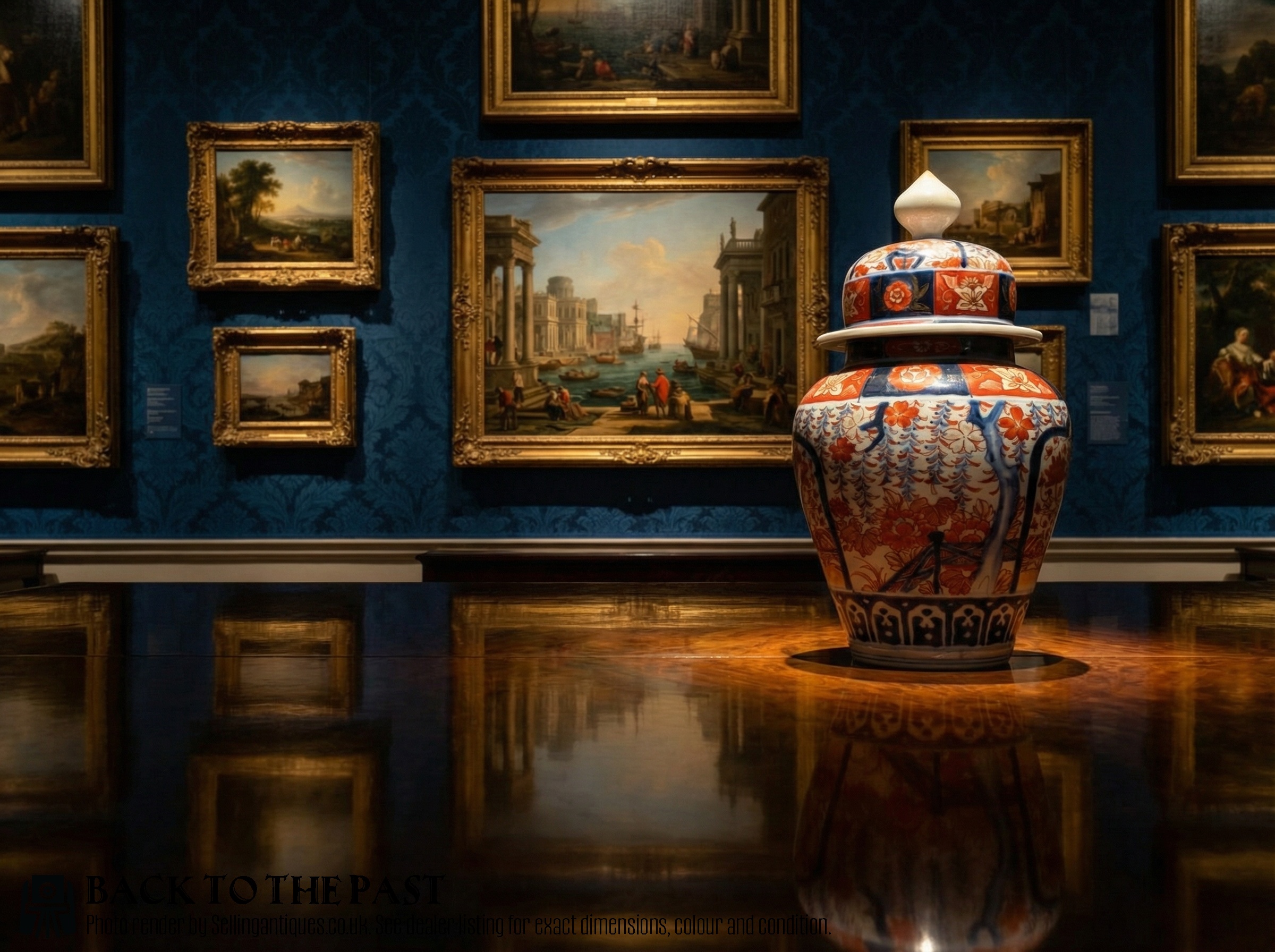
Imari Porcelain Vessel
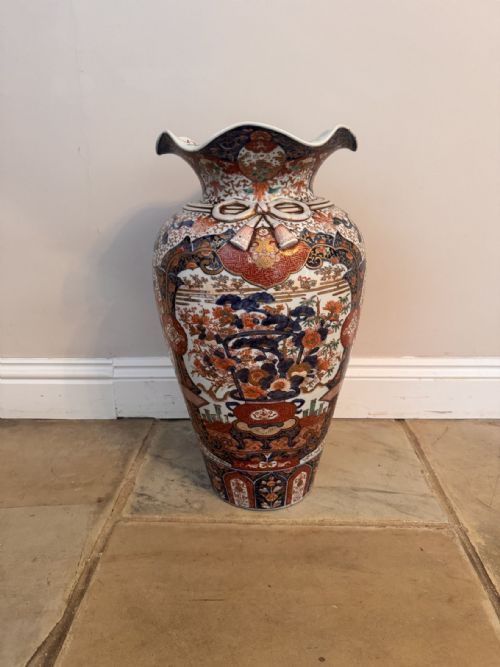
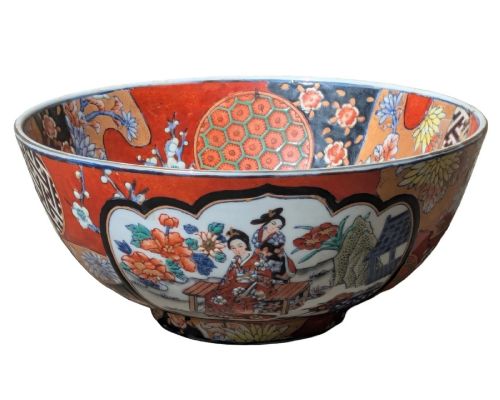
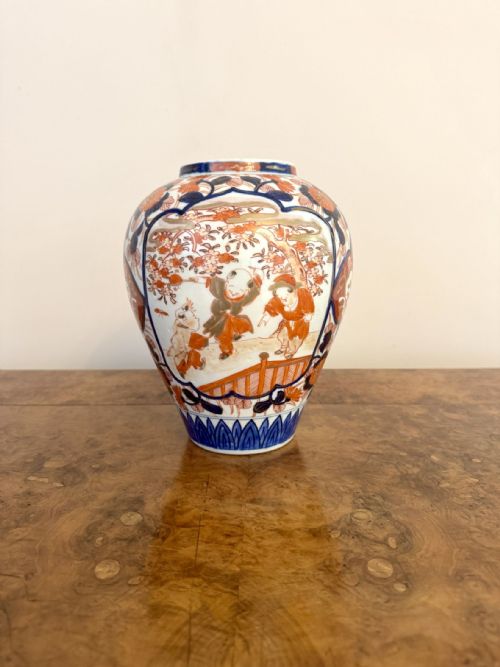
When you search for an imari porcelain vessel, you encounter a diverse array of decorative and utilitarian forms that span multiple centuries and cultural interpretations. These pieces range from substantial floor-standing vases and large jardinières down to intimate sugar bowls, teapots, and lidded koros.
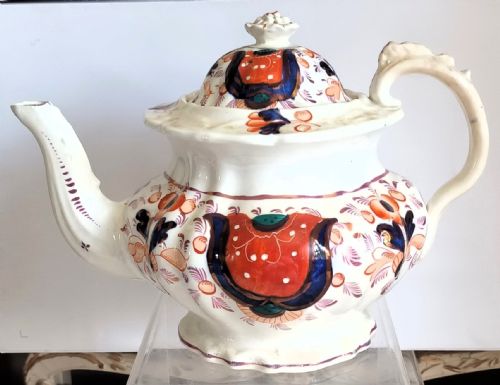
The objects listed on this page are predominantly Japanese in origin, drawing heavily from the Meiji period and the year 1900, alongside earlier Edo examples and 18th-century pieces. You also find British adaptations from makers inspired by the distinct aesthetics of Japanese exports.
The physical forms vary widely, encompassing boat-shaped dishes, hexagonal vessels, bottle vases, and covered ginger jars. Each format served a specific function in domestic display or daily service, whether holding incense, flowers, or fine liquids.
How they were made
The creation of these vessels relies on high-fired porcelain or bone china bodies coated in translucent glaze to provide a smooth, vitreous canvas. Artisans then applied intricate designs using underglaze cobalt blue and overglaze iron-red enamel.
The application of gold leaf and rich gilding highlights specific motifs within the pattern, adding a luminous quality that catches the ambient light. Metal mounts and fitted covers appear on specific items, particularly larger koros and jardinieres.
Listings include Japanese export wares from the Meiji and Edo periods alongside 19th-century British bone china interpretations.
What varies in quality
The distinction between standard output and the finest examples lies in the precision and density of the hand-painted brushwork across the surface. Superior vessels display crisp delineation in the enamel work and generous application of genuine gold leaf that retains its bright lustre.
Structural complexity also dictates worth, as seen in moulded ribbing, unusual hexagonal or boat shapes, and finely potted walls that balance weight with delicate form. The clarity of the underlying porcelain body and the stability of the glaze further separate ordinary production from exceptional pieces.
Royal Crown Derby·Fukagawa·Spode·Samson
The Imari Porcelain Vessel Glossary
- Imari
- A style of ceramic decoration originating in Japan and defined by a palette of cobalt blue, iron-red, and gilt. European potteries later adopted this distinct visual language.
- Koro
- A traditional Japanese incense burner fitted with a pierced cover. These vessels often feature three or more feet and decorative handles.
- Meiji Period
- A historical Japanese era spanning from 1868 to 1912, noted for prolific export ceramics of high decorative ambition. Many pieces on this page originate from these decades.
- Tokuri
- A traditional Japanese flask or bottle typically used for serving sake. They feature narrow necks designed to retain liquid temperatures.
- Arita
- The Japanese town and surrounding region in Hizen province where production of Japanese porcelain historically centered. It remains synonymous with foundational imari wares.
Imari Porcelain Vessel: Frequently Asked Questions
How do I tell Japanese imari from British imari?
Japanese examples usually employ indigenous porcelain bodies and traditional hand-painted motifs rooted in Edo and Meiji aesthetics. The glaze texture and iron-red tones often carry distinct regional characteristics.
British interpretations, such as those from Derby or Spode, typically utilise bone china or refined earthenware substrates. Their painted patterns translate Japanese motifs through a distinctly 19th-century European lens.
What was a koro used for?
A koro functioned primarily as an incense burner in traditional interiors, diffusing aromatic scents through its pierced lid. These lidded vessels were placed in reception rooms or domestic shrines.
Over time, many of these burners transitioned into purely decorative cabinet pieces. Their intricate covers and handles made them focal points of visual display rather than functional utensils.
Are all imari pieces blue and red?
The core palette relies heavily on underglaze cobalt blue and overglaze iron-red, frequently accented with gold leaf. This triad forms the visual signature of the tradition across centuries.
However, secondary colours such as green, yellow, and aubergine occasionally appear in specific patterns. Gold leaf application also varies in density from sparse highlights to heavy overall gilding.