







Japanese Decorative Porcelain
Japanese decorative porcelain encompasses centuries of skilled hand painting, bringing vivid Satsuma and Imari chargers, vases and bowls directly into your home.
Japanese Decorative Porcelain
When you search for Japanese decorative porcelain, you encounter a varied selection of plates, chargers, vases, bowls and lamps spanning the nineteenth and early twentieth centuries. These objects range from blue and white Arita wares to elaborate garnitures and table lamps.
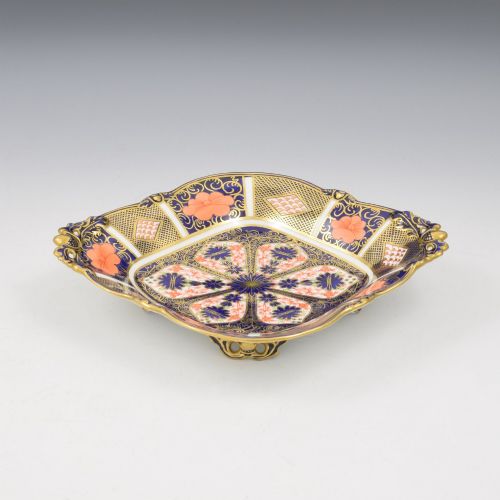
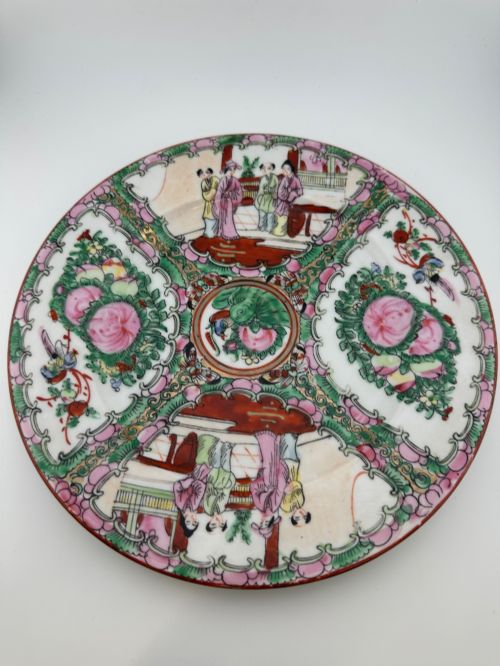
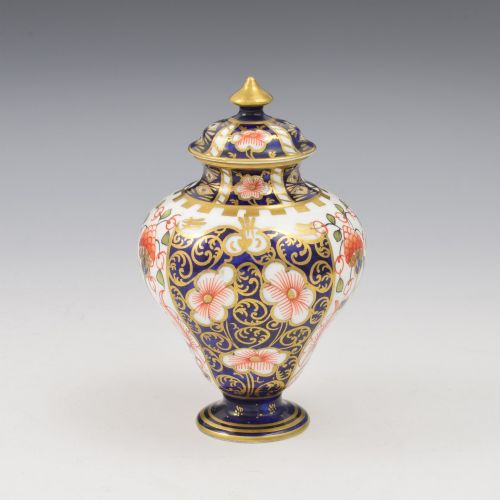
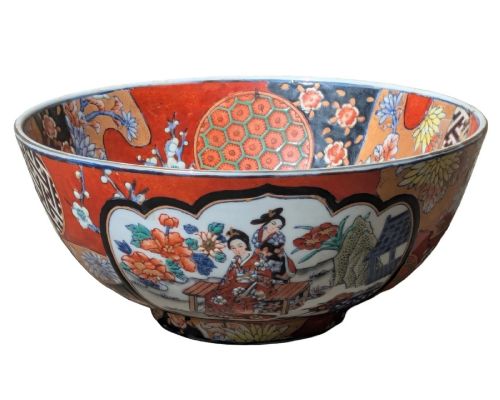
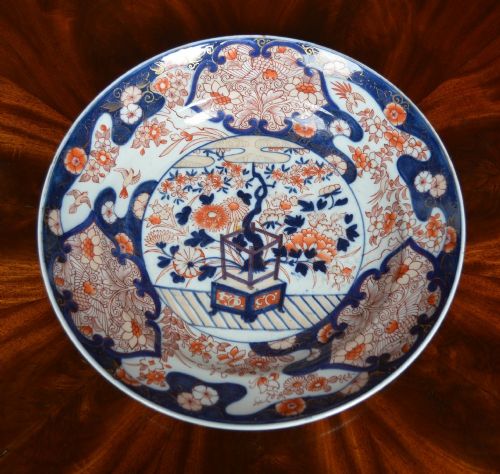
The version you are most likely to meet on this page is the Japanese Imari charger or bowl, often dating from the late nineteenth century or around nineteen hundred. These pieces typically display traditional floral and bird motifs on sturdy ceramic bodies.
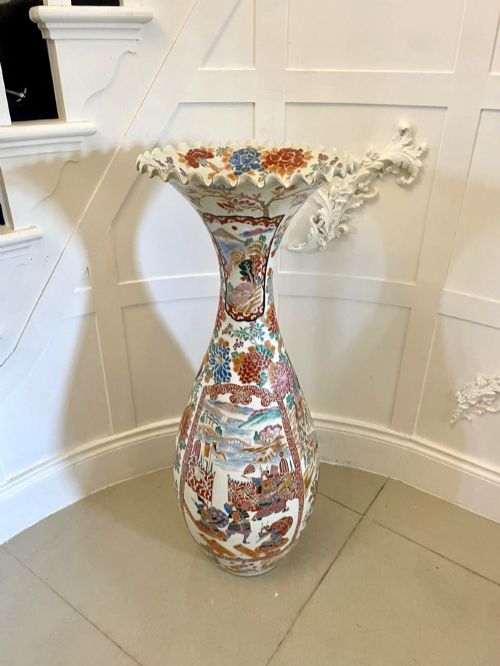
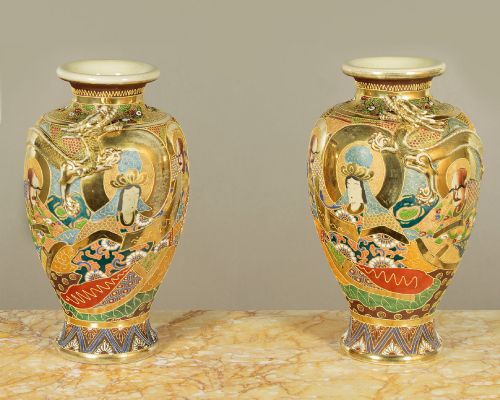
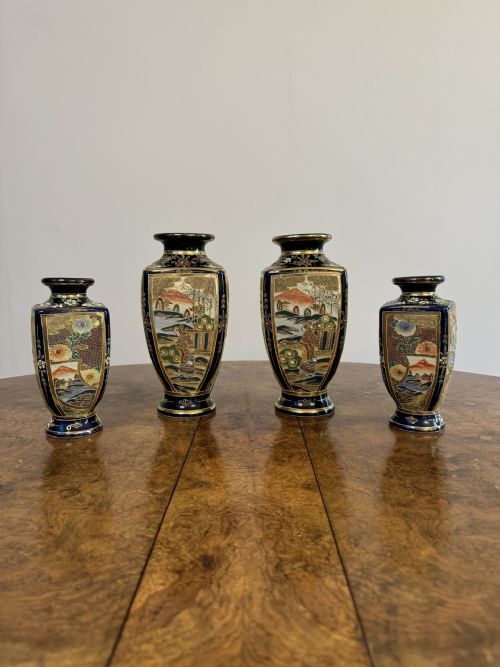
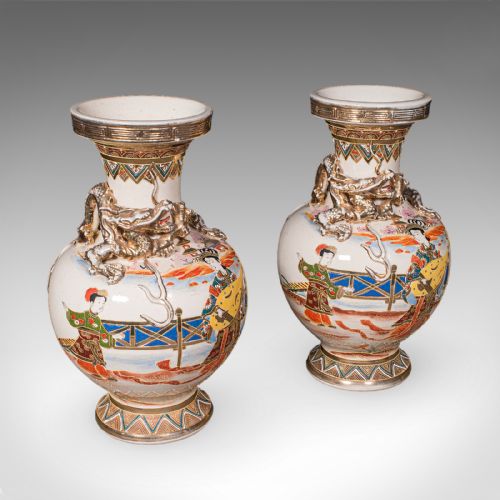
Satsuma wares also appear frequently, spanning the Meiji, Taisho and Showa periods. Collectors often find these earthenware vessels decorated with intricate gilt and enamel work depicting figures, peacocks, wisteria and peonies.
Materials and production techniques
Potters shaped these objects using porcelain, ceramic and earthenware, applying glazes before firing the clay in kilns. Many pieces received structural support or decorative framing from wood elements, particularly in larger floor vases and lamp conversions.
Makers applied intricate surface ornamentation utilising enamel, gold leaf and gilt work. Artisans painted detailed floral, bird and figural designs by hand, sometimes building up raised moriage decoration to create texture across the ceramic surface.
Materials documented across the inventory include gold leaf, enamel, wood, ceramic and standard glaze.
Assessing quality and craftsmanship
The standard of painting separates standard production from finer studio output. Superior pieces display precise brushwork, balanced compositions and clean glaze application without pooling or cloudiness.
The richness and application of gold leaf and enamel also determine quality. Finer examples utilise heavier gilding and detailed hand-mixed enamels that retain crisp outlines and vibrant colour tones across the entire surface of the charger or vase.
Koshida·Manpei Kobe·Kozan
The Japanese Decorative Porcelain Glossary
- Imari
- A style of Japanese porcelain named after the port city from which it was shipped to Europe. These items traditionally employ a palette of underglaze blue, iron red, and gilt highlights.
- Satsuma
- A type of Japanese earthenware featuring a crackle-glaze ivory body, typically decorated with polychrome enamels and gold. It originated in Satsuma Province and gained immense popularity during the Meiji period.
- Charger
- A large decorative plate intended for display rather than dining. They often form the centrepiece of a room when mounted on stands or hung on walls.
- Moriage
- A decorative ceramic technique involving the application of slip in raised dots or lines to create a textured, three-dimensional pattern. It frequently appears on Satsuma wares alongside floral and avian subjects.
- Garniture
- A set of matching vases or jars designed to be displayed together on a mantelpiece or sideboard. These sets usually comprise three to five coordinating vessels.
Japanese Decorative Porcelain: Frequently Asked Questions
How do I clean Japanese porcelain?
Dust these items gently with a dry, soft brush to protect delicate gilt and enamel work. Avoid harsh cleaning agents and immersion in water.
Keep pieces away from direct sunlight to prevent fading on the painted enamel and gold leaf surfaces.
Are these pieces safe for food?
Antiques from the nineteenth and early twentieth centuries serve primarily as decorative objects rather than tableware. Their glazes and enamel decorations are unsuited to modern dining.
Display chargers and bowls on stands or utilise them purely for visual enjoyment in your living spaces.
How do I date a piece?
Examine the base for artist signatures, kiln marks and stylistic clues that point towards the Meiji, Taisho or Showa periods. The weight and type of ceramic body also offer clues to the era of manufacture.
Compare the enamel palette and painting style with documented examples from the same workshop or region to narrow down the decade.
What is the difference between Imari and Satsuma?
Imari pieces are made of hard-paste porcelain and typically feature blue and red designs with gold. They possess a ringing tone when tapped and a smooth, vitreous glaze.
Satsuma wares consist of earthenware with a characteristic network of fine crackles in the creamy glaze, heavily decorated with coloured enamels and gilt.