
Lidded Porcelain Jar
When you search for a lidded porcelain jar, you enter a diverse field of covered vessels spanning European factories and Asian kilns from the eighteenth century to the mid-twentieth century.
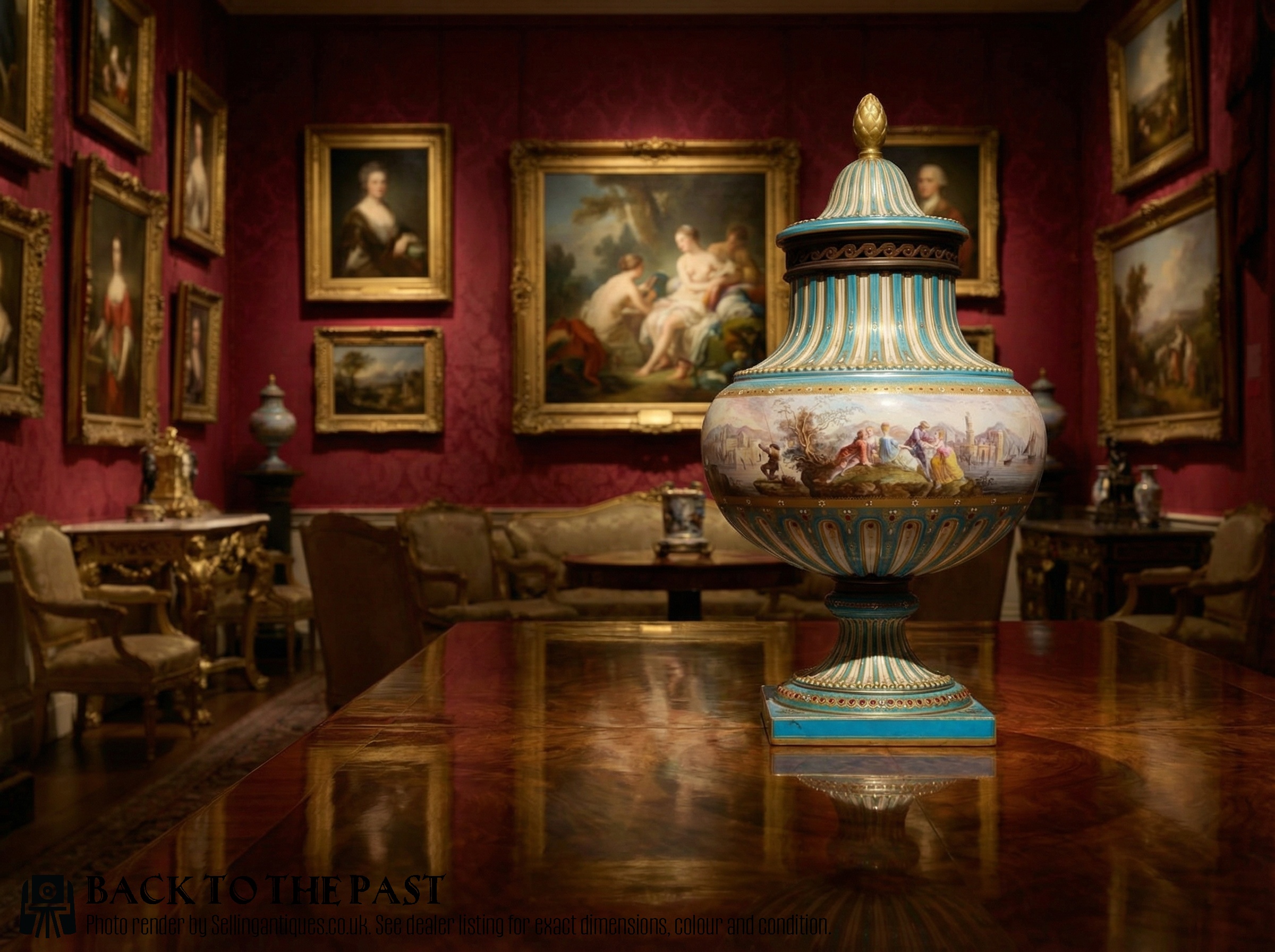
Lidded Porcelain Jar
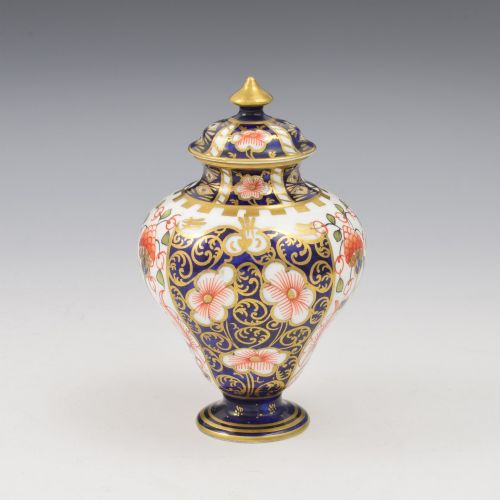
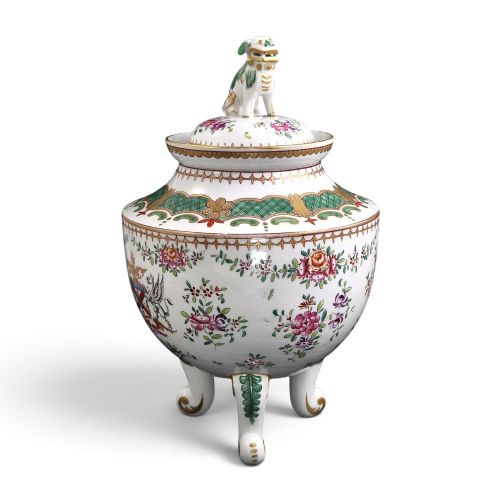
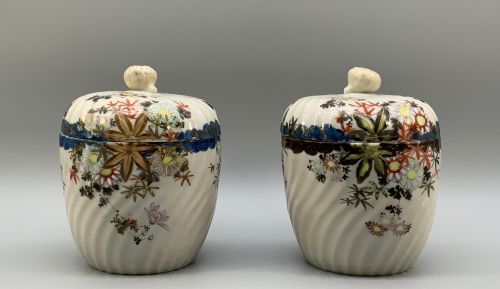
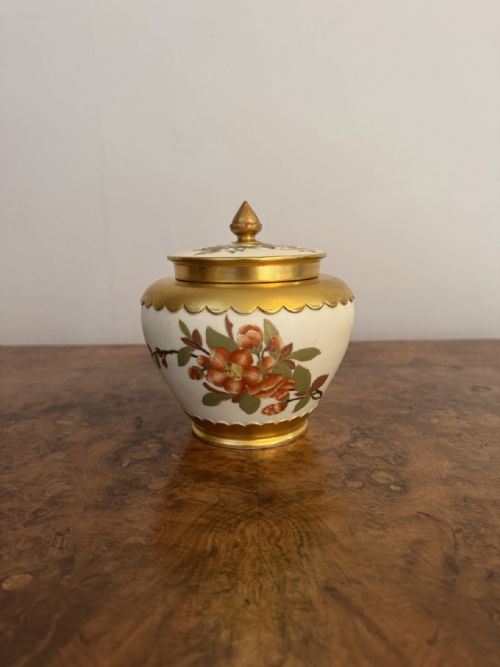
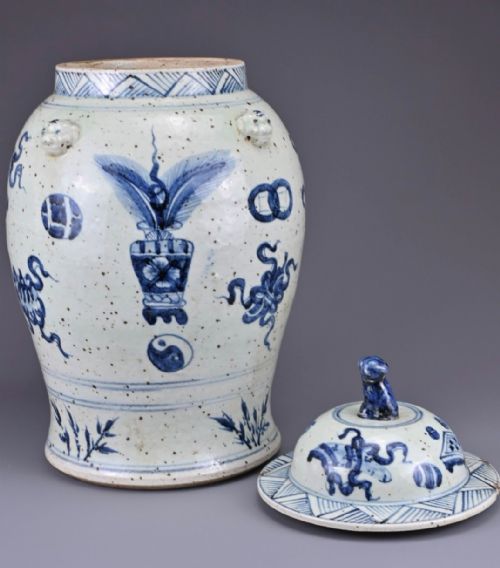
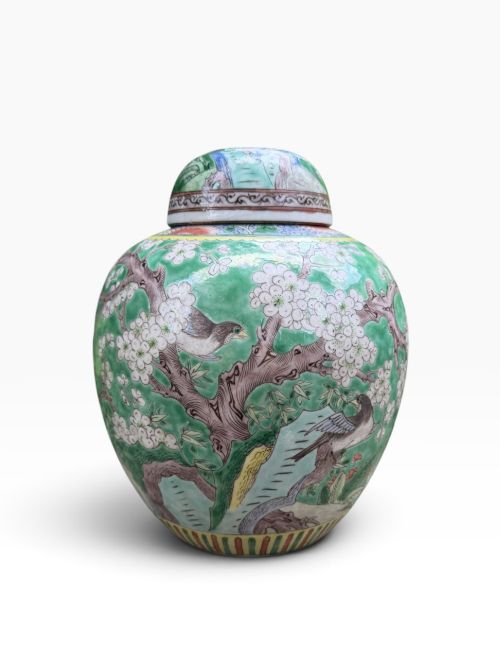
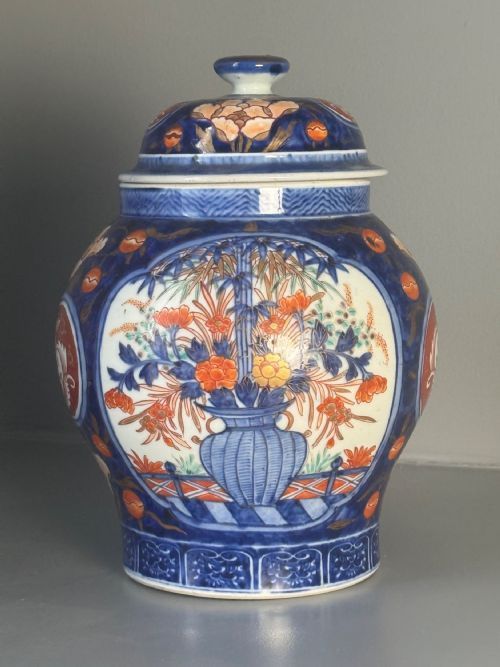
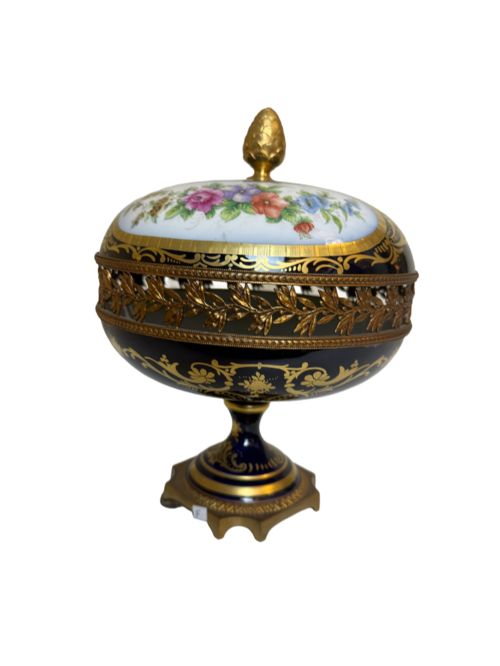
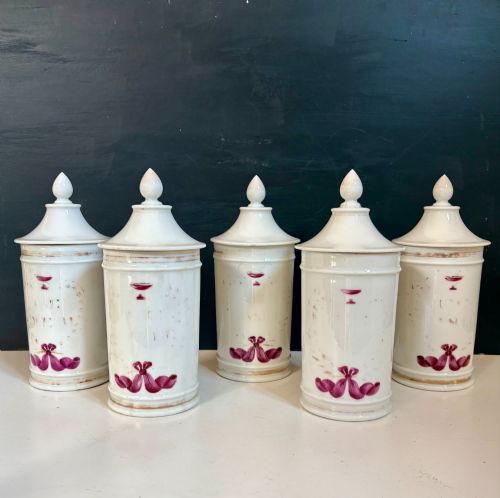
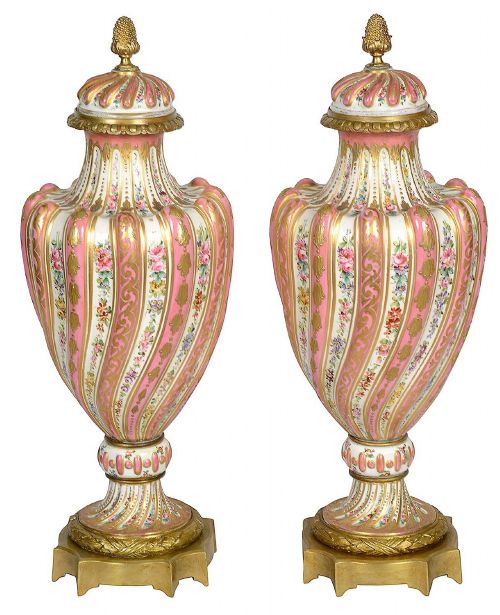
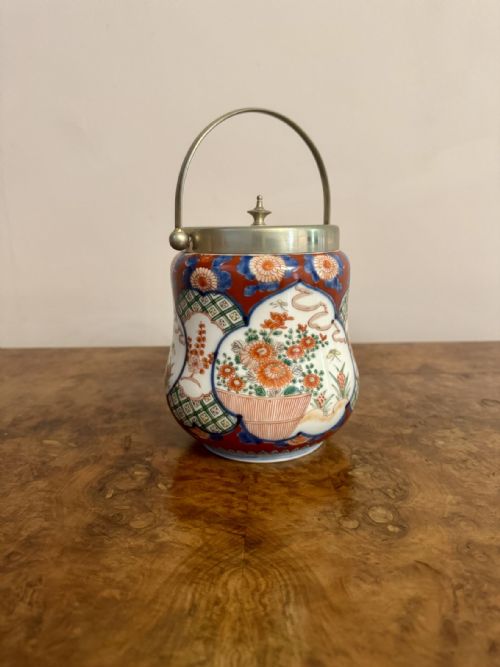
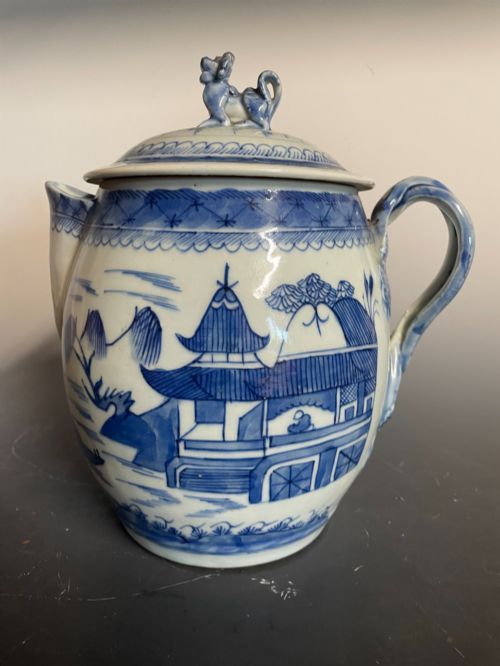
A lidded porcelain jar covers a wide range of vessel forms designed to hold dry goods, potpourri, ginger, or small decorative items. You will frequently encounter ginger jars, potpourri pots, and lidded vases originating from English factories, European houses, and Japanese or Chinese kilns.
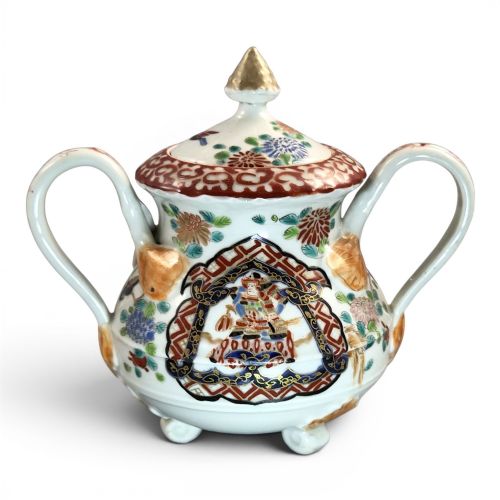
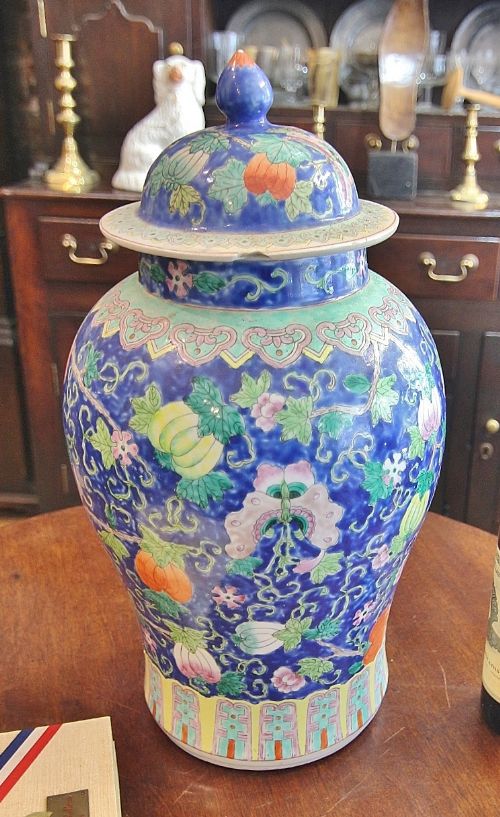
The materials and styles span traditional blue and white underglaze decoration, vibrant Japanese Imari palettes, ornate Victorian designs, and streamlined Art Deco forms. Pieces range from small trinket boxes and sugar bowls to monumental baluster vases produced across the nineteenth and twentieth centuries.
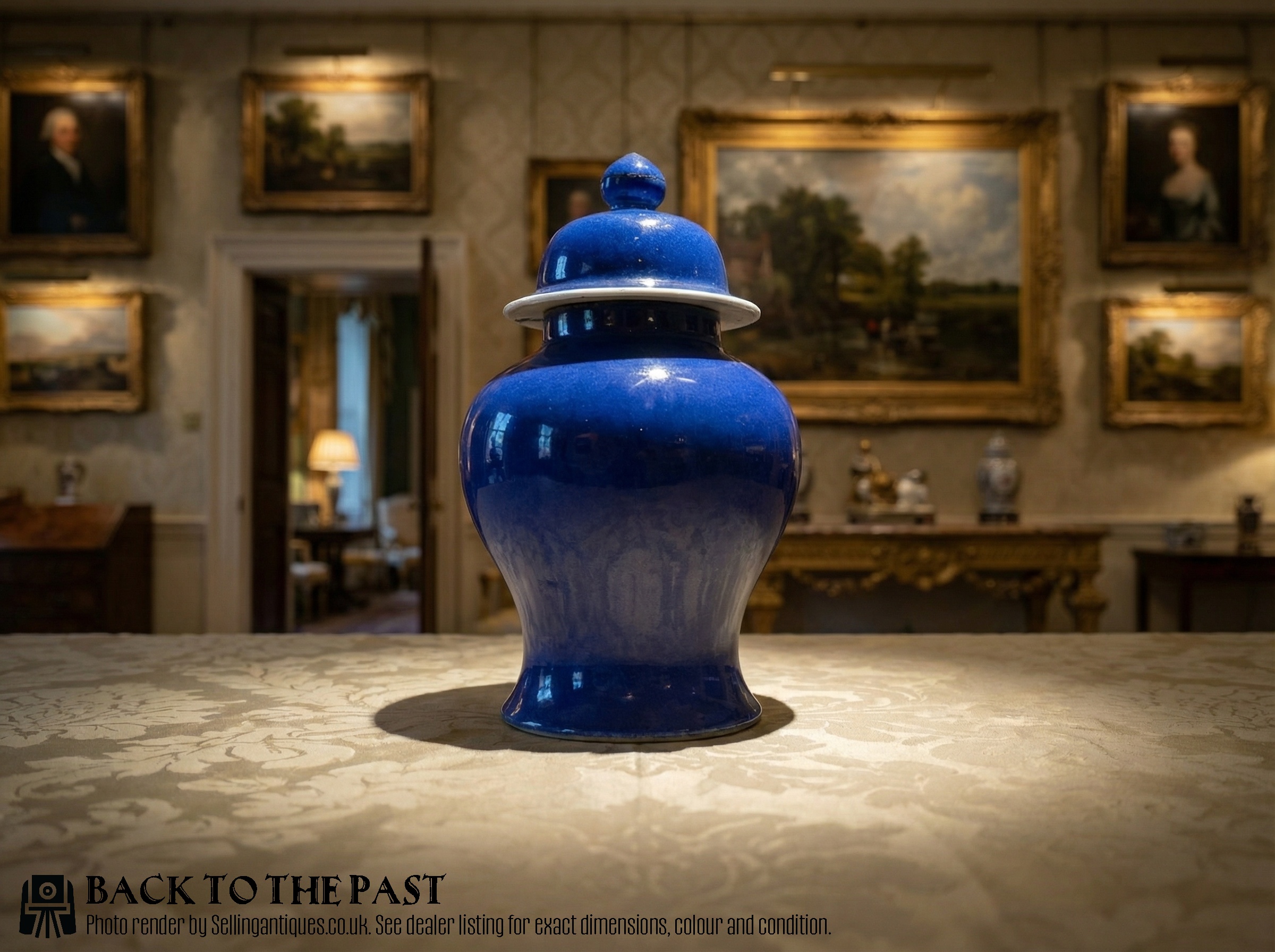
How they were made
The primary material is porcelain or ceramic, shaped on a wheel or in a mould before receiving hand-painted designs or transfer printing. Glaze is then applied and fired to seal the surface, often supplemented with gold leaf, gilding, or enamel overglaze details.
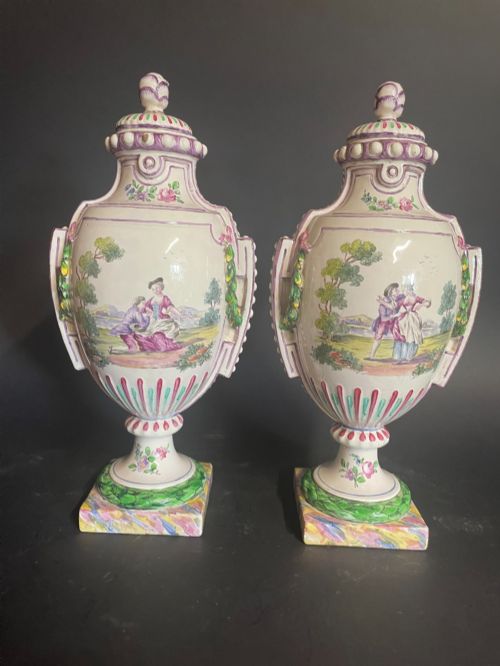
Many European and Asian pieces incorporate specialised potting techniques, from tin-glazed earthenware and faience to delicate bone china bodies. Makers frequently added metal mounts, silver plate, or intricate pierced covers to complete the composition.
Lidded Porcelain Jar Retail Price Guide 2026
Typical asking prices for lidded porcelain jar among the pieces listed under this phrase on Sellingantiques today, from the lower quarter to the upper quarter. They describe what is for sale here now, not the wider market.
Bathing belles and samurai warriors share the shelves on these lidded jars.
What varies in quality
Quality rests in the crispness of the hand-painted brushwork and the precision of the potting, where finer pieces display balanced proportions and cleanly fitted lids. The depth of the glaze, the richness of the enamel colours, and the application of gold leaf distinguish standard production from exceptional works.
The reputation of the maker or factory plays a significant role, with established houses maintaining strict standards of ceramic purity and artistic execution. Condition also guides evaluation, particularly the survival of original matching covers and the preservation of delicate overglaze decoration.
Royal Crown Derby·Samson Paris·Royal Worcester·Fukagawa·Coalport·Minton·Spode
The Lidded Porcelain Jar Glossary
- Imari
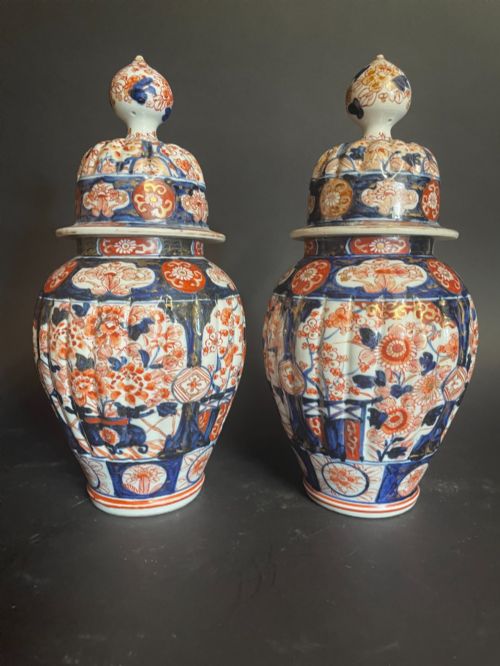
- A style of Japanese porcelain decorated in underglaze blue, iron red, and gold, named after the port of export. This palette became widely imitated across European kilns.
- Potpourri
- A jar or vase featuring a pierced lid designed to diffuse scent from dried flowers and spices placed inside. These vessels often received elaborate hand-painted floral motifs.
- Ginger jar
- A wide-shouldered container originally used for shipping and storing spices in China. Later decorative versions feature domed lids and blue and white or polychrome designs.
- Baluster
- A vase shape with a rounded lower body that tapers towards a narrow neck and a flared rim. This silhouette provides a stable base for a fitted lid.
- Faience
- Tin-glazed earthenware produced in France and other European countries, often decorated with colourful painted scenes. It mimics the appearance of fine porcelain using a softer ceramic body.
Lidded Porcelain Jar: Frequently Asked Questions
What were lidded porcelain jars used for?
These covered vessels served both functional and decorative purposes in domestic interiors, holding items such as ginger, spices, sugar, and dry potpourri. Many functioned primarily as ornamental garniture pieces displayed on mantelpieces and side tables.
Larger baluster jars and ginger jars often doubled as storage containers before evolving into purely decorative objects. Smaller pots and trinket boxes kept personal valuables secure on dressing tables.
How do I date a lidded porcelain jar?
Dating relies on examining the factory marks, glaze characteristics, and artistic style visible on the piece. Nineteenth-century examples often feature distinct Victorian transfer prints or hand-painted imitations of Asian designs.
Changes in ceramic bodies, such as the shift towards ironstone or refined bone china, also help narrow down the period of production. Comparing the decorative palette to known factory eras provides further chronological context.
Are Japanese Imari jars old?
Many Japanese Imari lidded jars found on the market date from the late nineteenth century, reflecting robust trade and export periods. Earlier examples from the seventeenth century exist but are considerably scarcer.
European factories also produced Imari-style wares throughout the nineteenth century, imitating the distinctive blue, red, and gold palette. Examining the paste and glaze helps distinguish Japanese production from European interpretations.
How do I care for antique porcelain?
Antique porcelain requires gentle handling and cleaning with mild, non-abrasive soap and lukewarm water when necessary. Avoid immersing pieces with overglaze gold leaf or delicate enamel work for extended periods.
Keep lidded jars away from direct sunlight and sudden temperature changes to protect the glaze and prevent stress on the ceramic body. Ensure that lids are lifted separately from the base to prevent accidental drops.