
Covered Porcelain Jar
When you search for a covered porcelain jar, you enter a world of hand-painted vessels made to hold tea, spices, or pot-pourri.
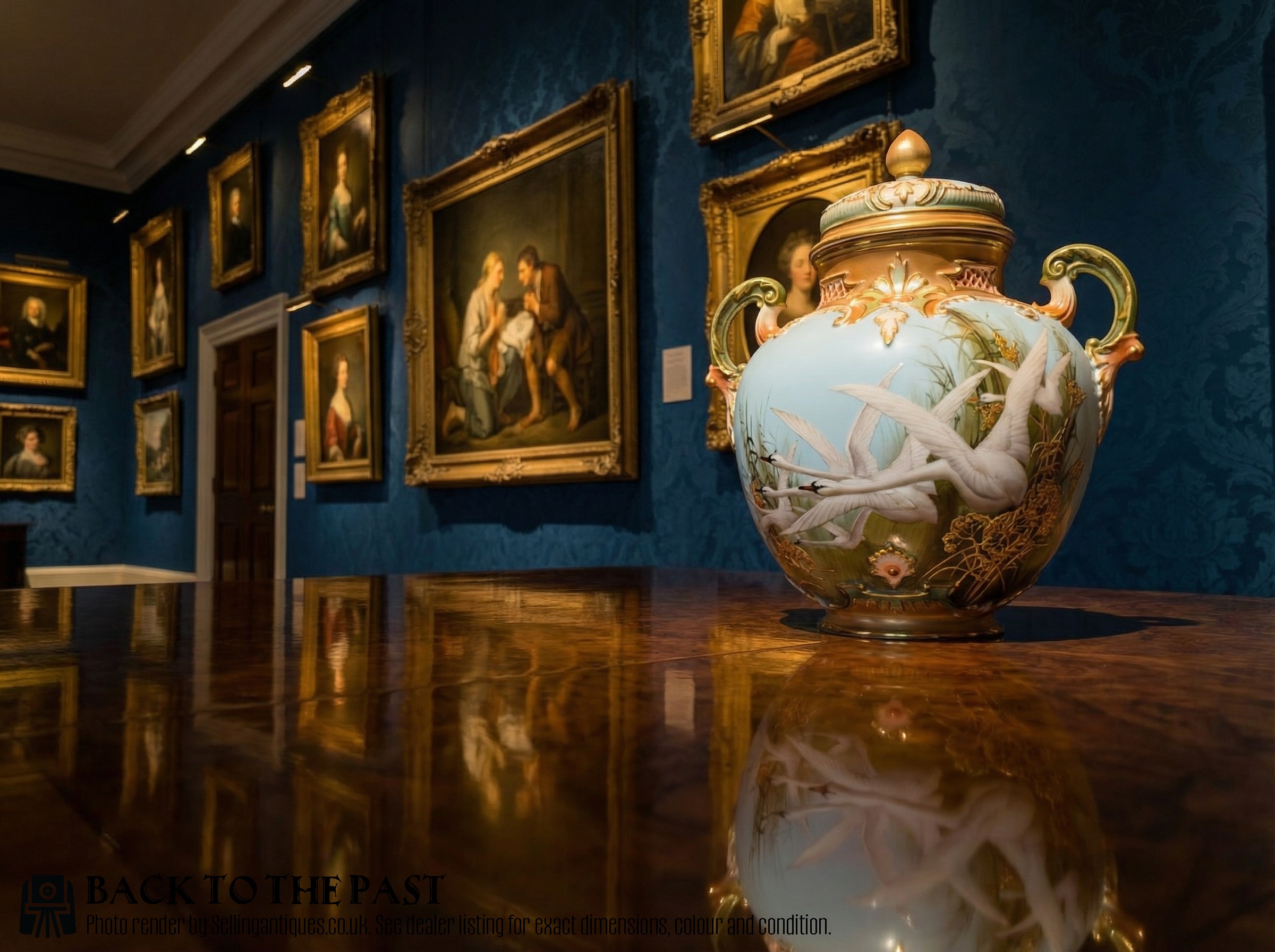
Covered Porcelain Jar
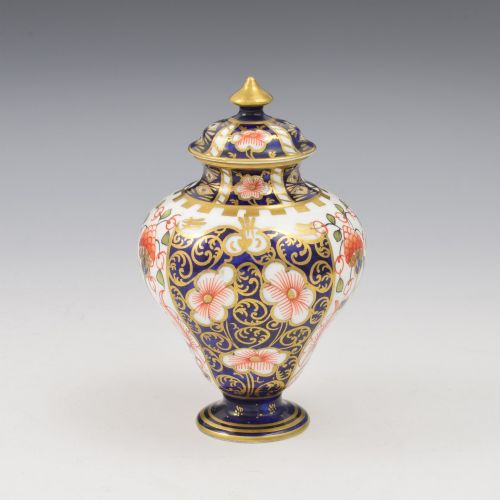
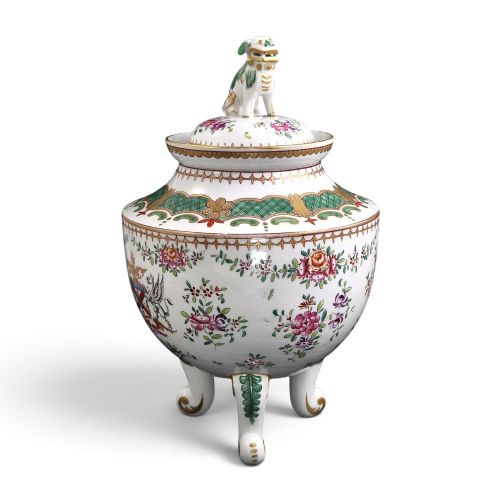
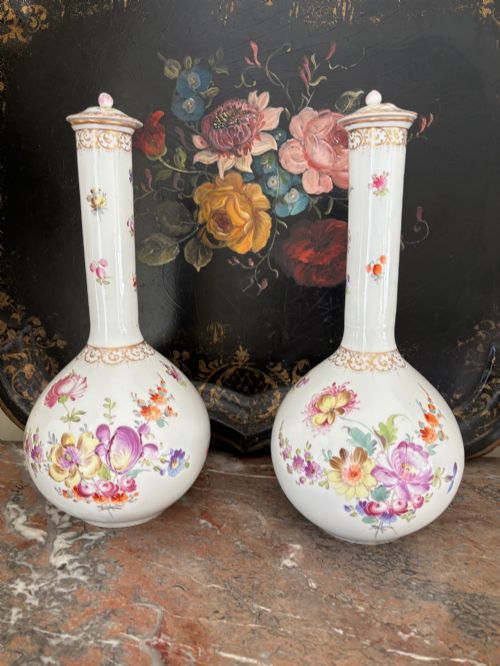
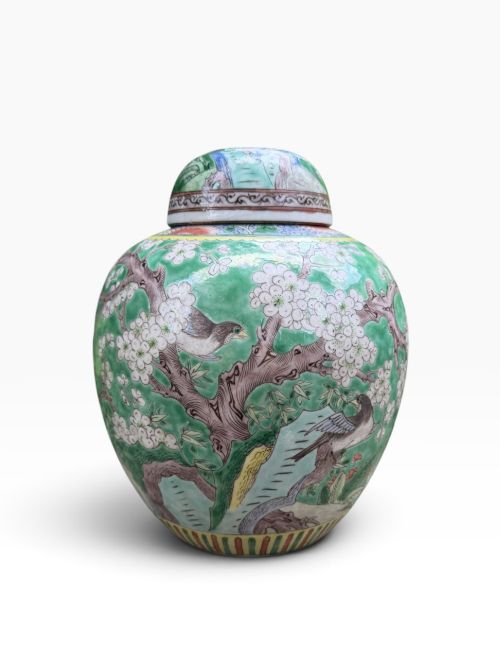
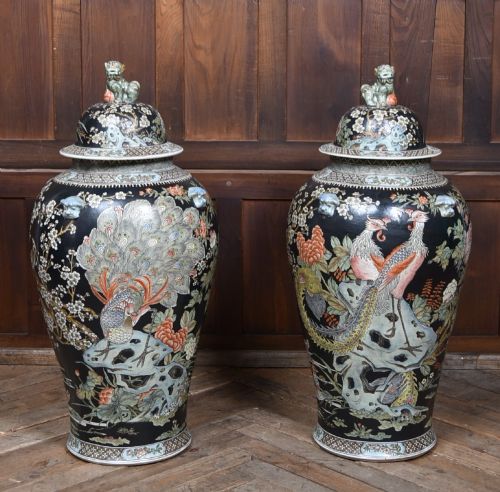
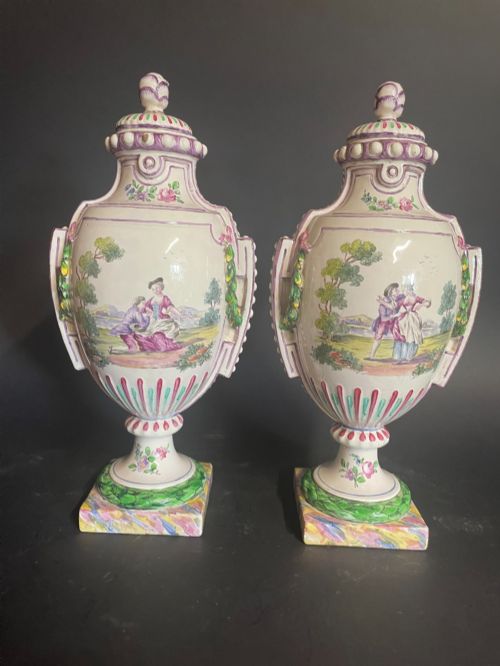
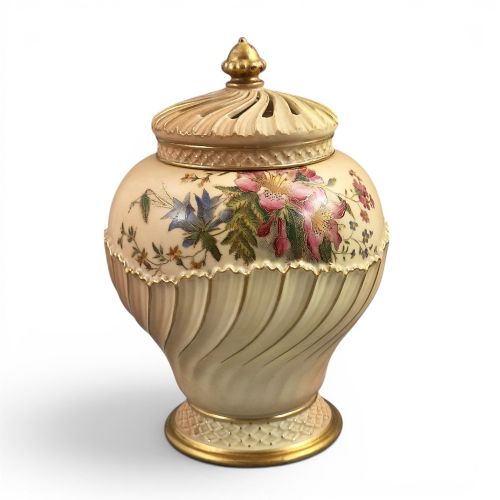
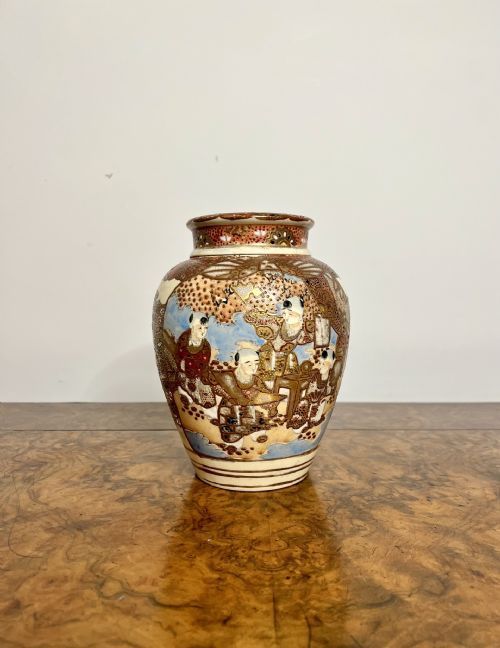
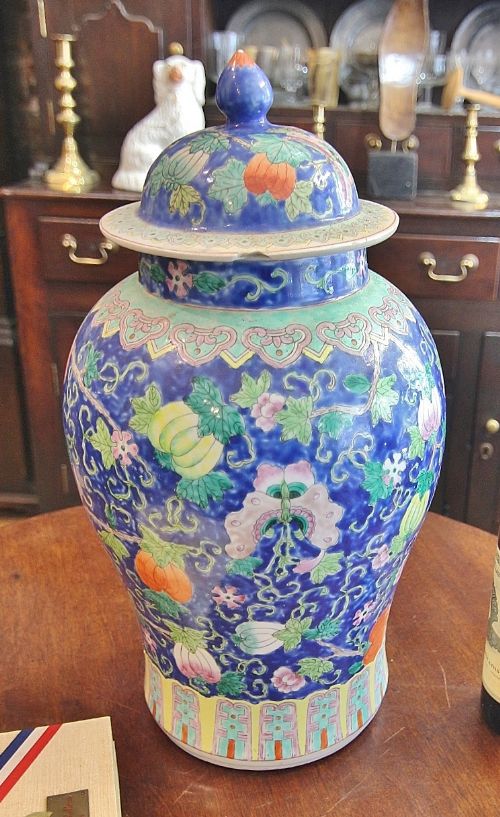
A covered porcelain jar combines a hollow ceramic body with a matching fitted lid, serving both decorative and practical purposes in domestic interiors. When buyers search for a covered porcelain jar, they encounter forms ranging from ginger jars and pot-pourri vessels to large palace vases.
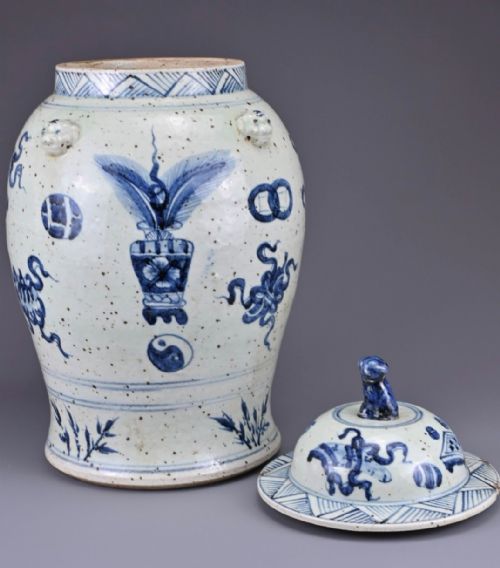
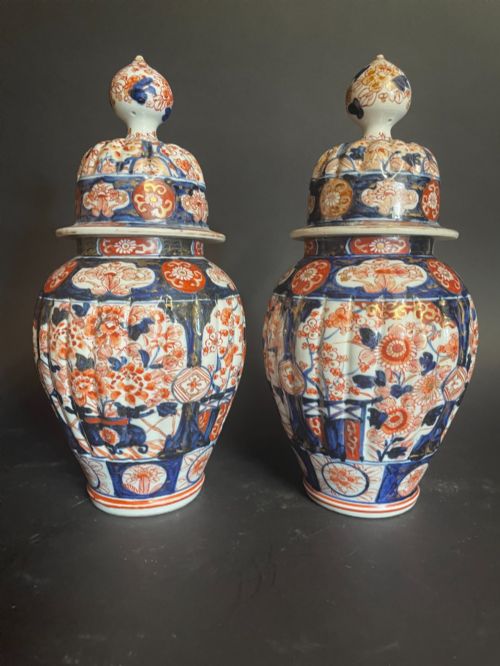
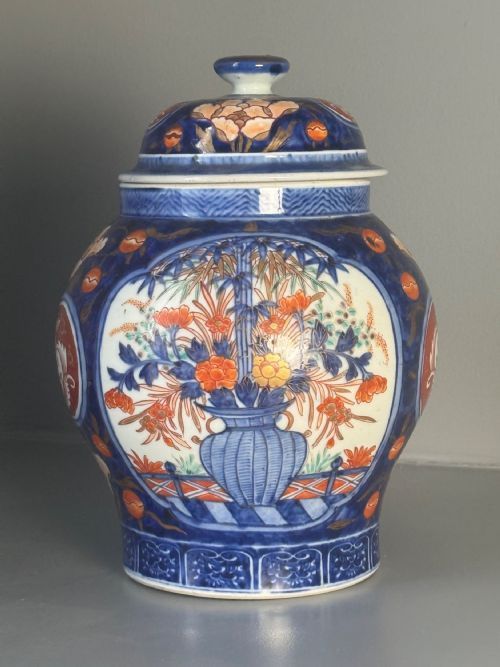
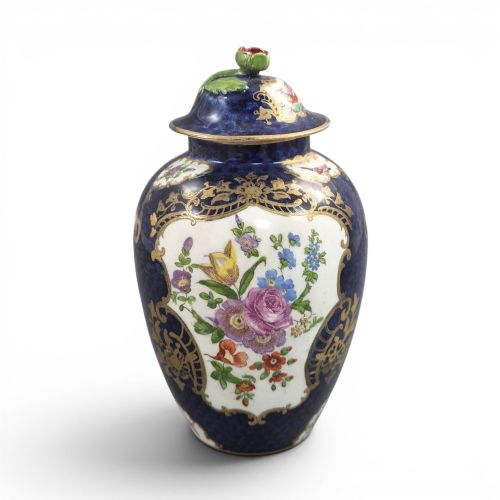
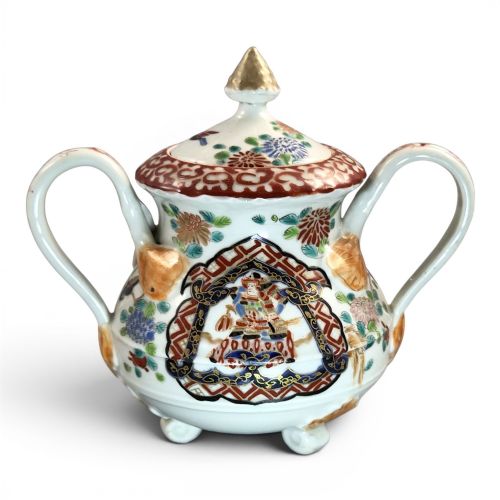
The pieces on this page originate from nineteenth and early twentieth-century European factories and East Asian kilns. Chinese blue and white ginger jars and Japanese Imari lidded vessels appear most frequently alongside English and French ceramic pieces.
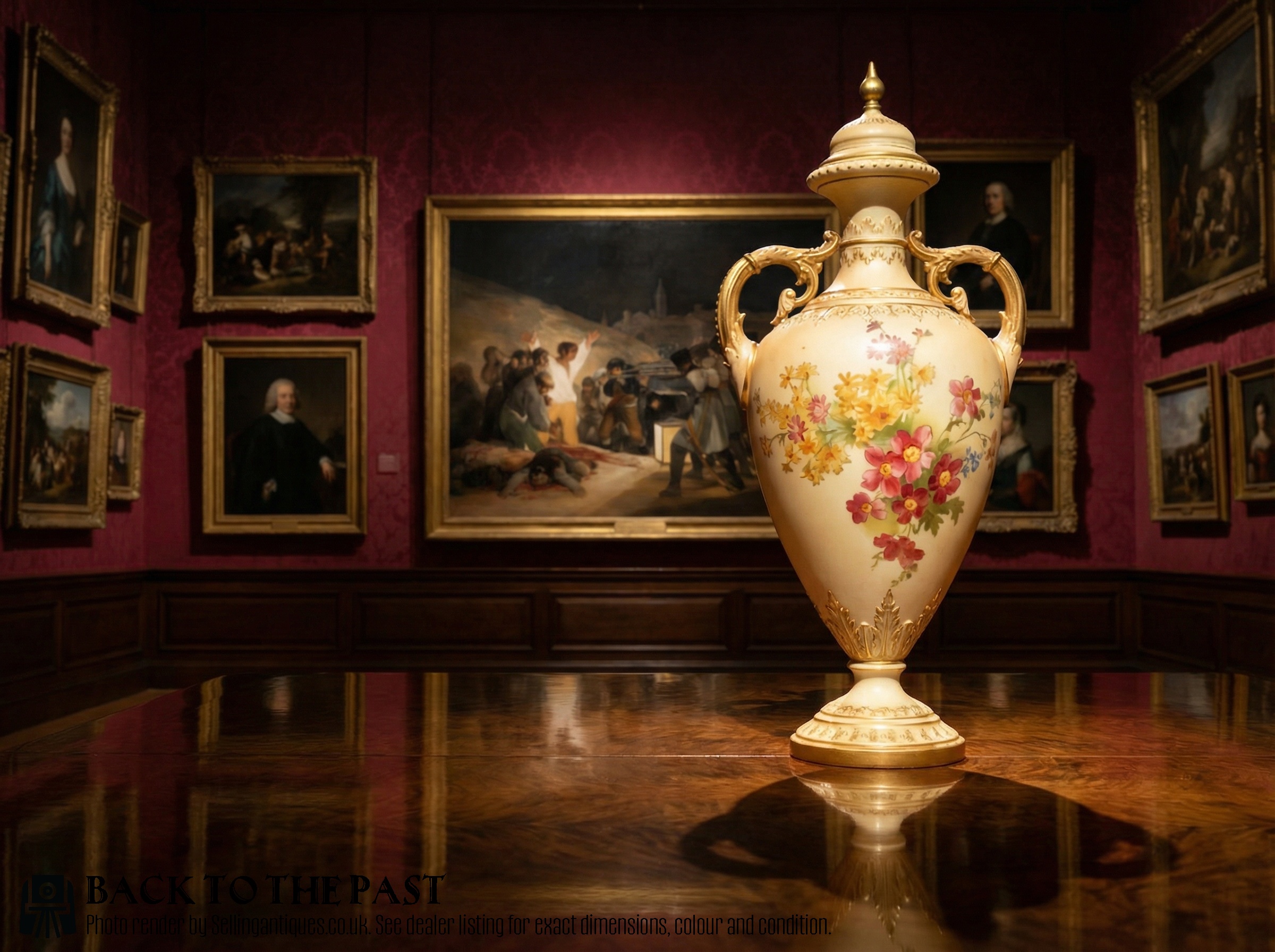
How they were made
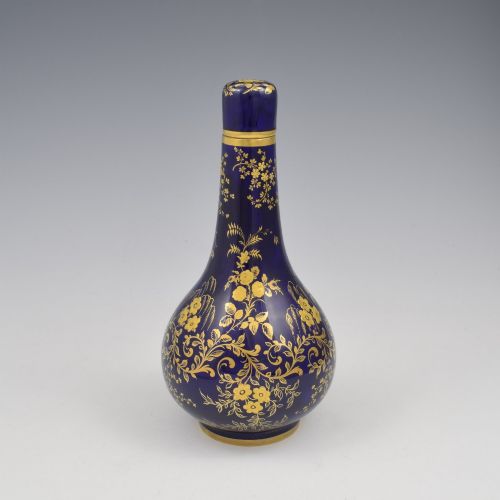
Potters shaped these vessels using ceramic materials such as porcelain, earthenware, and ironstone, often applying a smooth glaze before firing in kilns. Artisans then painted surface details by hand using enamel colours, sometimes adding gold leaf or gilding to highlights.
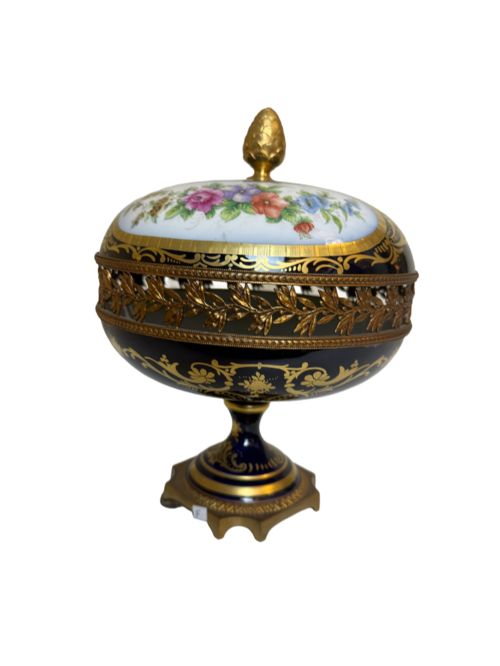
Many European and Asian workshops utilised distinct decorative techniques, including blue and white underglaze painting, transfer printing, and polychrome enamel work. Metal mounts in ormolu or gilt bronze occasionally complete the construction of French and English lidded urns.
Covered Porcelain Jar Retail Price Guide 2026
Typical asking prices for covered porcelain jar among the pieces listed under this phrase on Sellingantiques today, from the lower quarter to the upper quarter. They describe what is for sale here now, not the wider market.
Listings include nineteenth-century Chinese ginger jars, Japanese Imari pieces, and European porcelain from English and French factories.
What varies in quality
The standard of a covered porcelain jar depends heavily on the precision of the hand-painted decoration and the crispness of the porcelain body. Finer examples display meticulous brushwork, vibrant enamel pigments, and well-balanced proportions between the jar and its cover.
Kiln control during firing also dictates quality, with superior pieces showing even glazes free from warping or surface blemishes. Furthermore, the presence of clear factory marks or recognised artist signatures elevates the standing of a ceramic piece.
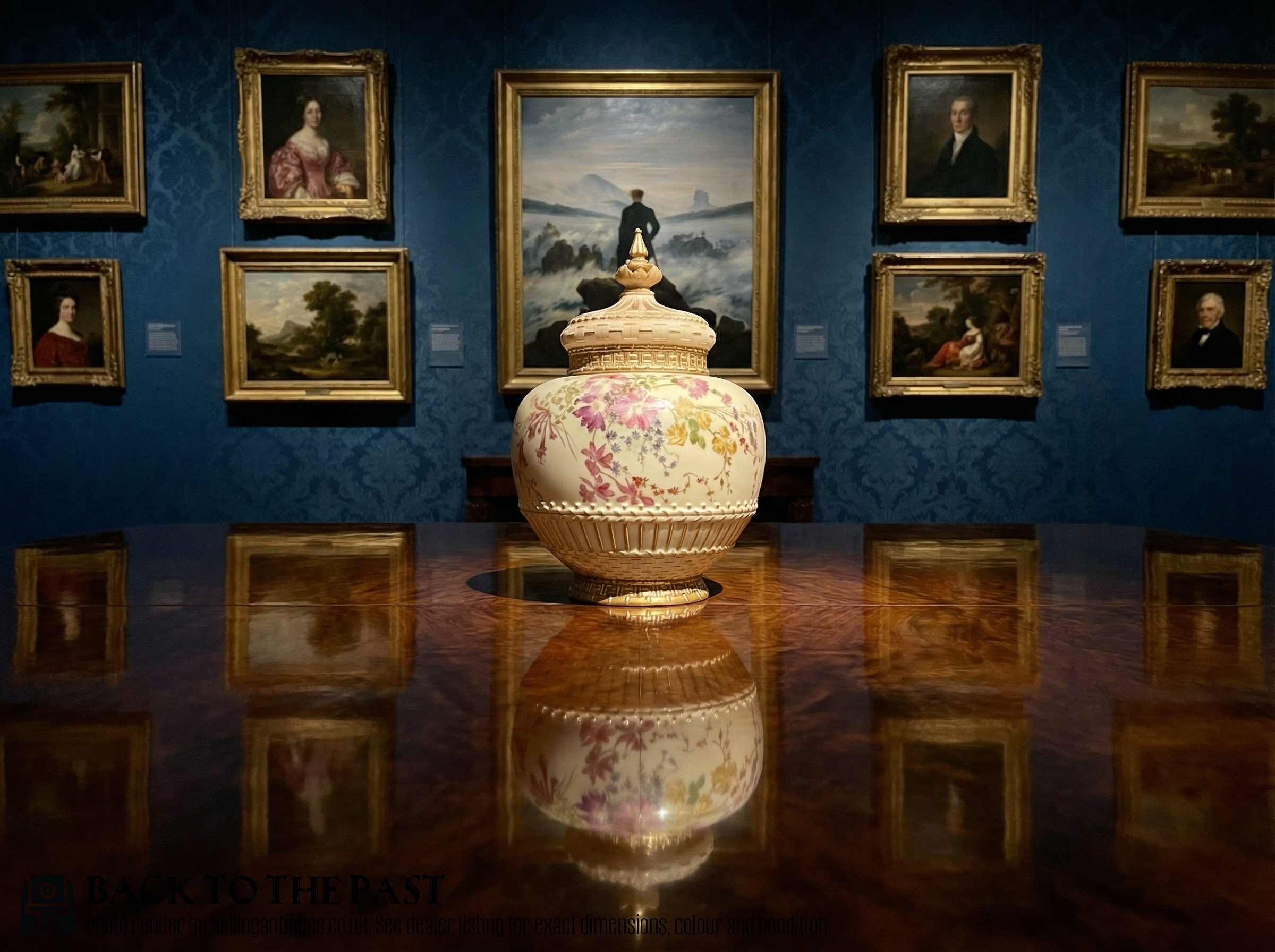
Royal Crown Derby·Samson Paris·Sitzendorf·Royal Worcester·Coalport·Samuel Alcock·Spode
The Covered Porcelain Jar Glossary
- Ginger jar
- A ceramic vessel characterised by a broad shoulder and a rounded body, originally designed for storing spices and preserved ginger. Most examples feature a short neck and a domed lid.
- Imari
- A style of Japanese export porcelain decorated in underglaze blue, iron red, and gold. This palette creates a rich, patterned surface popular in European interiors from the seventeenth century onward.
- Pot-pourri
- A ceramic jar or bowl with a pierced lid designed to diffuse scent from dried flowers and spices. These vessels often incorporate elaborate handles or gilt-bronze mounts.
- Baluster
- A vase or jar shape featuring a rounded lower body that tapers towards a narrow neck, resembling an architectural baluster. This form provides stability and visual balance.
- Enamel
- A vitresous composition fused to the ceramic surface during a secondary low-temperature firing. Enamels provide the bright opaque colours found on many decorated jars.
Covered Porcelain Jar: Frequently Asked Questions
What were covered porcelain jars used for originally?
These vessels served practical storage roles in homes and mercantile trade, holding valuable commodities like tea, ginger, and dried spices. Lidded jars also functioned as decorative ornaments on mantelpieces and side tables.
Over time, smaller pierced versions became popular specifically for holding scented dried flowers as household air fresheners.
Are Chinese ginger jars always blue and white?
While blue and white underglaze decoration remains common on Chinese ginger jars from the nineteenth century, makers also utilised polychrome enamels and powder blue grounds. Some examples feature famille rose or canton rose palettes with intricate figure scenes.
The form itself matters more to the classification than the specific colour scheme.
How should I care for an antique porcelain jar?
Keep porcelain jars away from direct sunlight to prevent any painted enamel colours or gilding from fading over time. Dust the surface gently with a soft, dry cloth rather than using liquid cleaning agents.
Ensure the lid is handled separately from the base whenever you move the vessel to prevent chipping the rim.