
Worcester Painted Fruit
Worcester painted fruit brings together fine porcelain and detailed botanical artistry, prized by collectors for its rich palette and enduring traditional English craftsmanship.
Worcester Painted Fruit
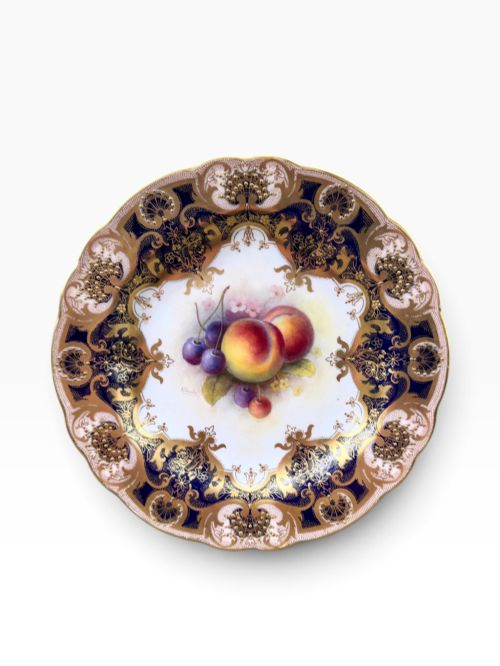
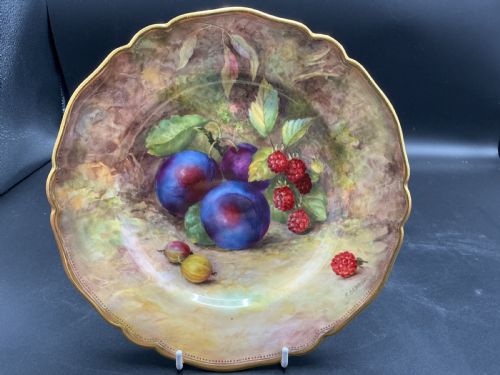
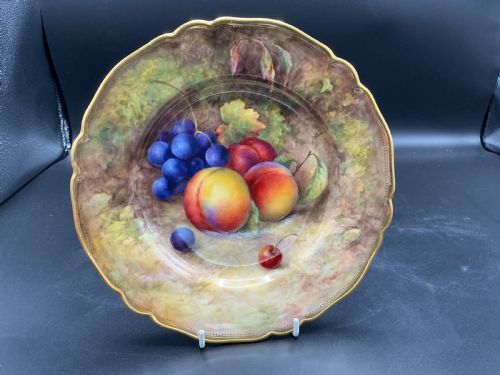
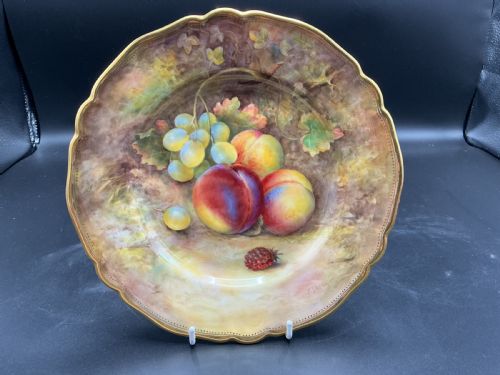
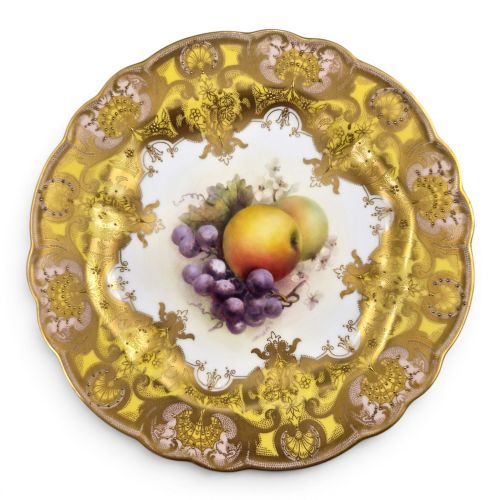
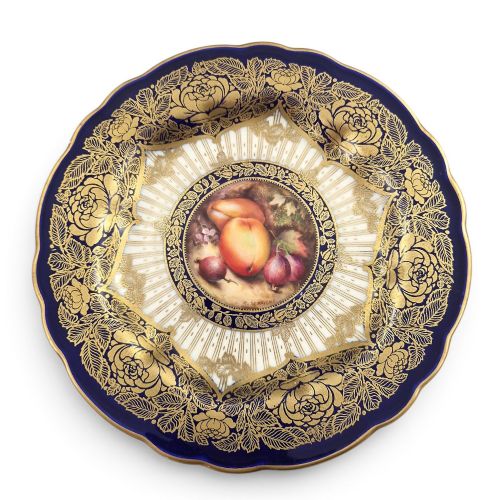
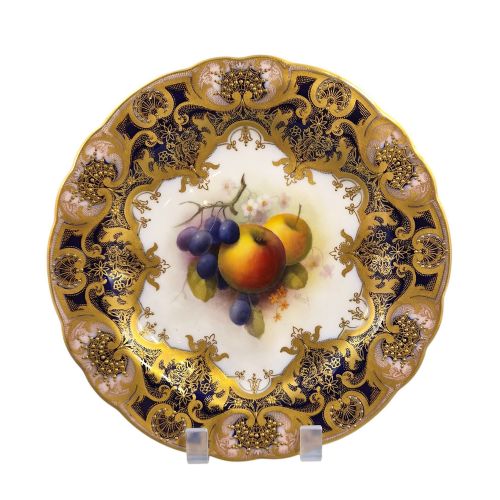
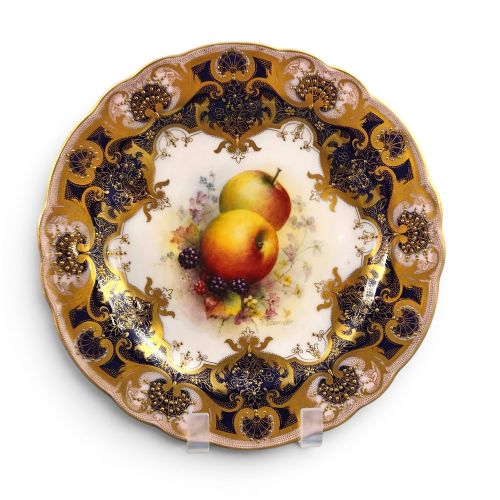
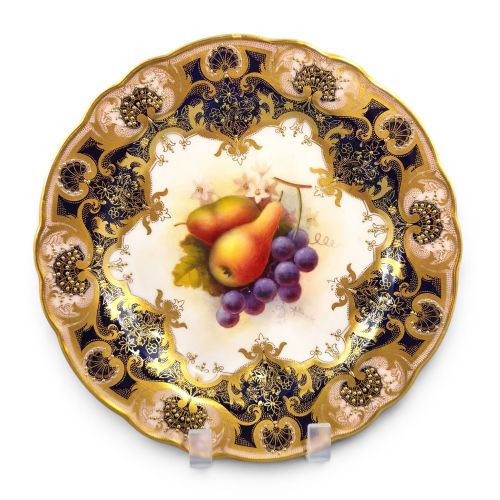
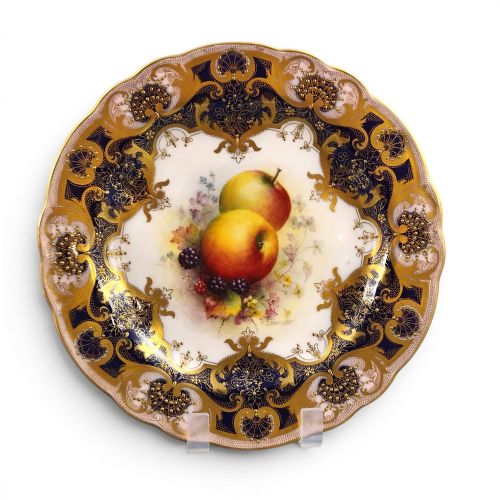
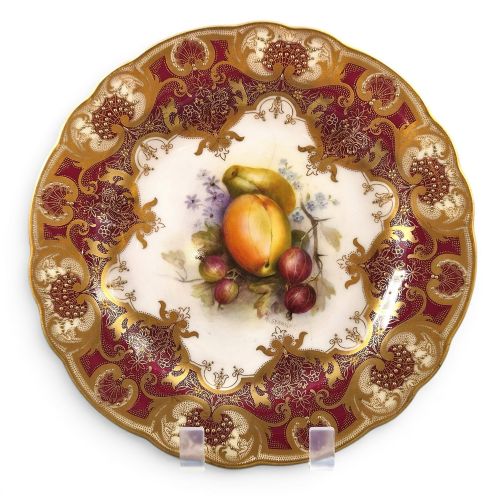
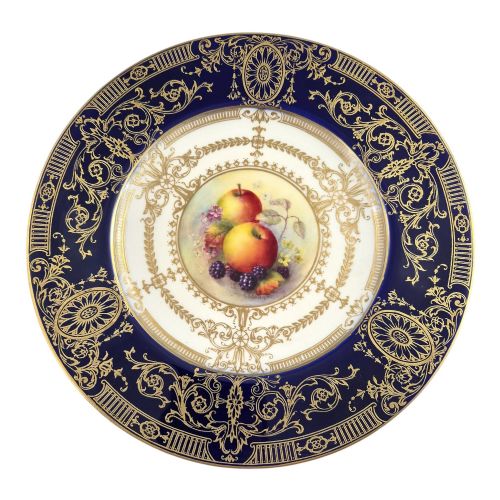
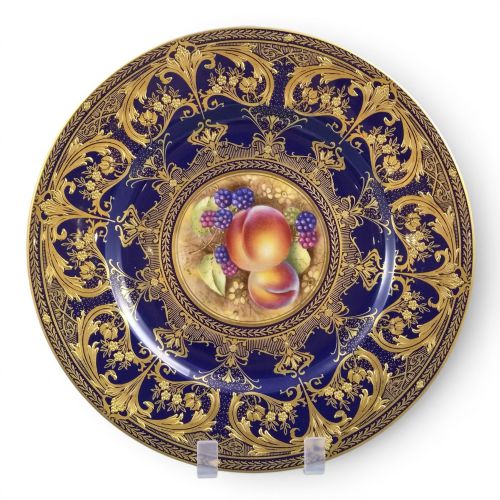
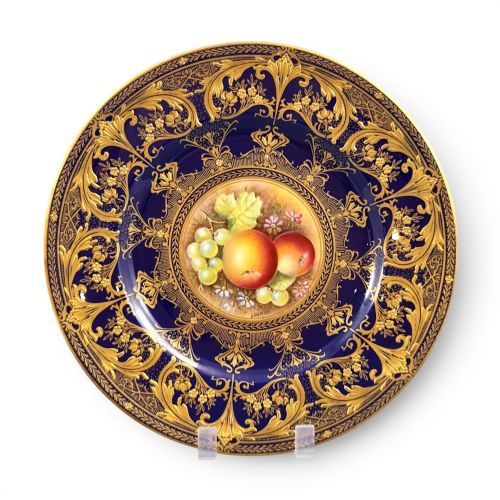
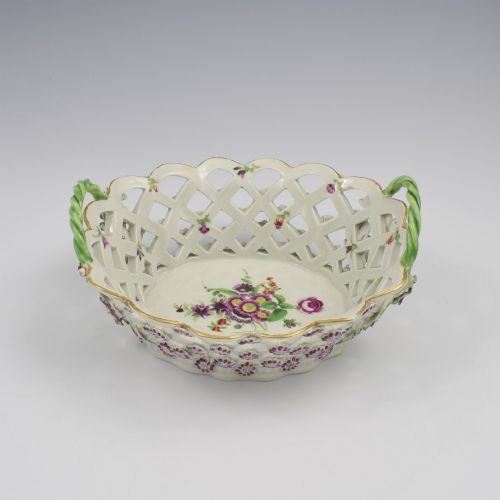
When searching for worcester painted fruit, collectors encounter a diverse array of decorative ceramic forms spanning multiple eras of British manufacturing. Cabinet plates and dessert dishes form the majority of available examples, alongside smaller numbers of vases, ginger jars, pot pourri vessels and tea sets.
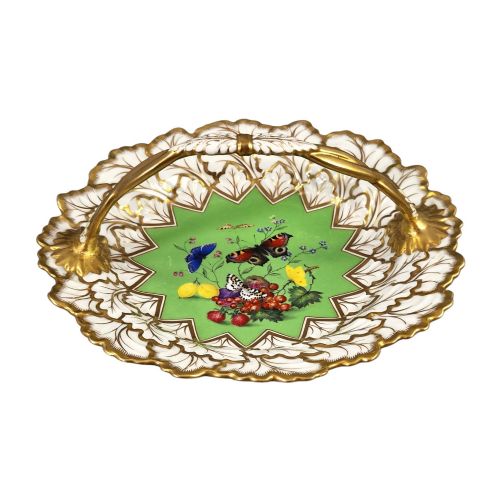
The objects originate from various periods including the 18th century Dr Wall era, Regency pieces by Flight, Barr & Barr, and extensive 20th century production. Most frequently, buyers meet Edwardian and mid-century Royal Worcester cabinet plates featuring rich hand-painted fruit compositions signed by individual artists.
How they were made
The pieces rely on porcelain, bone china and soft-paste porcelain bodies shaped into plates, bowls and vessels. Skilled artisans then applied enamel paint by hand to render realistic studies of fruit against shaded backgrounds.
Makers incorporated heavy gilding, gold leaf and gilt accents to frame the painted centres, often pairing the decoration with moulded rims such as rope edges or star edges.
Listings span multiple eras from 18th Century Dr Wall pieces to 1960s production, uniting porcelain, bone china, and gold leaf.
What varies in quality
The distinction between ordinary and exceptional examples rests primarily on the skill of the painter and the complexity of the gilt work. Pieces bearing signatures from renowned studio artists command greater attention due to the minute detail and depth in the fruit illustration.
Form and scale also dictate distinction, where larger cabinet plates, lidded vases and matched sets demonstrate a higher ambition in production than standard utilitarian tablewares.
Royal Worcester·Flight Barr And Barr·Chamberlain Worcester
The Worcester Painted Fruit Glossary
- Cabinet plate
- A decorative ceramic plate designed for display in a cabinet rather than for everyday dining. These items usually feature intricate painted scenes and elaborate gilding.
- Soft-paste porcelain
- An artificial porcelain composition fired at lower temperatures than hard-paste, common in early English factories. It exhibits a warm tone and distinct glaze pooling.
- Gilding
- The application of gold leaf or powdered gold to ceramic surfaces. This technique highlights rims, handles and borders to frame central motifs.
- Pot pourri
- A lidded vessel perforated to release the scent of dried flowers and spices placed within. Examples are frequently decorated with hand-painted fruit panels.
- Rope edge
- A moulded ceramic rim texture resembling twisted cord. This border style appears frequently on 20th century plates and serving dishes.
Worcester Painted Fruit: Frequently Asked Questions
What periods do these pieces come from?
The selection encompasses 18th-century pieces from the Dr Wall period, Regency items by Flight, Barr & Barr, and extensive 20th-century production.
Twentieth-century examples, particularly from the Edwardian era onwards, represent the bulk of what appears in standard collections.
Are all pieces signed by artists?
Many cabinet plates and decorative vessels carry signatures or initials from specific painters such as Richard Sebright, Harry Ayrton or Albert Shuck.
Unsigned examples also exist, though artist-signed works are heavily sought after by specialists.
How should I display cabinet plates?
Cabinet plates were originally intended for exhibition within enclosed display furniture or formal drawing rooms.
Today, collectors utilise specialist wall mounts or sturdy plate stands to showcase the painted fruit details securely.
What is a pot pourri vase?
A pot pourri vase is a lidded container designed to hold aromatic dried plant materials, featuring pierced openings in the lid or body.
These decorative vessels often showcase elaborate painted fruit panels combined with gilt handles and covers.