



Gold Rimmed Vase
A gold rimmed vase brings warmth and structure to a room, offering a distinct edge of metallic brilliance across porcelain and glass forms.
Gold Rimmed Vase
A gold rimmed vase encompasses a diverse selection of decorative vessels defined by gilded edges, spanning periods from the Georgian era through to the mid-twentieth century. The selection ranges from Victorian porcelain and Edwardian glass to Meiji period lacquer and mid-century Worcester ginger jars.
Buyers frequently encounter pieces originating from traditional English workshops alongside continental glass from Bohemia and French porcelain. Forms vary from simple spill vases and ginger jars to elaborate pairs with gilt bronze mounts.
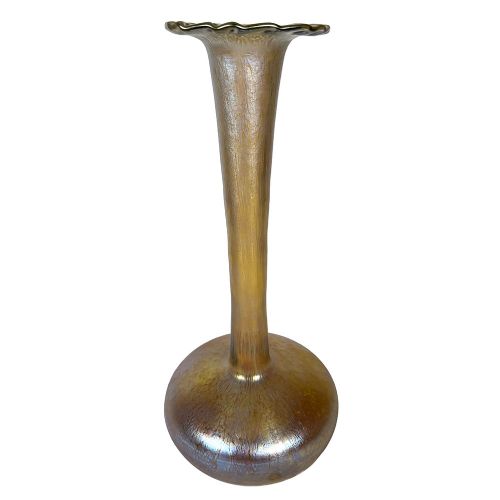
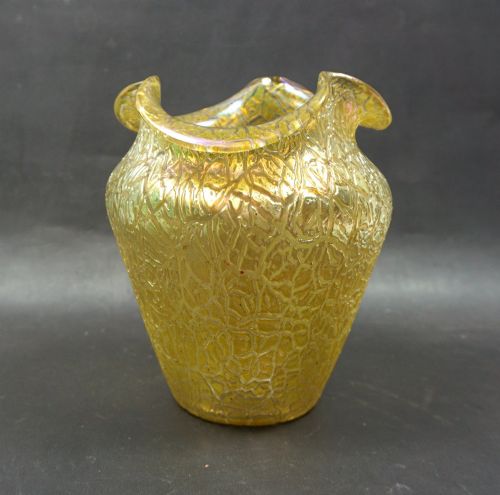
The style shifts significantly across the decades represented on this page. Pieces move from ornate nineteenth-century hand-painted botanicals and highland cattle scenes to sleek Art Nouveau iridescence and Art Deco glass forms.
How they were made
Makers utilised high-fired porcelain, moulded glass, and turned wood as foundational bodies for these vessels. Gilding and gold leaf were applied manually to the rims and borders, often cured with heat to bond the precious metal permanently to the ceramic or glass substrate.
Techniques varied widely between traditions, combining glass blowing with aventurine inclusions, hand-painted enamel decoration over glazed porcelain, and delicate lacquer layered across black painted wood. Ormolu and gilt bronze mounts were cast separately and fitted mechanically to secure the structural glass or porcelain bodies.
Gold Rimmed Vase Retail Price Guide 2026
Typical asking prices for gold rimmed vase among the pieces listed under this phrase on Sellingantiques today, from the lower quarter to the upper quarter. They describe what is for sale here now, not the wider market.
Highland cattle stare out quietly from tiny ceramic spill vases, watching rooms change around them for over a century.
What varies in quality
Quality rests in the precision of the hand-applied gilding and the execution of the underlying material. Superior porcelain demonstrates crisp moulding and refined translucency, whereas lesser examples show thicker, heavier casts with uneven glaze pooling.
The sophistication of the painted decoration dictates the upper tier of the range. Detailed hand-painted botanical or figurative scenes by named artists exhibit far greater control and depth than standard factory transfer printing.
Royal Worcester·Loetz·Baccarat·Jean Francois Robert
The Gold Rimmed Vase Glossary
- Gilding
- The application of gold leaf or gold dust to a surface to create a metallic border or decorative accent. This technique defines the primary visual characteristic connecting these diverse vessels.
- Aventurine
- Glass containing sparkling metallic inclusions, typically copper or goldstone, suspended within the transparent matrix. It creates a shimmering depth popular in early twentieth-century glassmaking.
- Ormolu
- Gilded brass or bronze mounts applied to furniture, porcelain, and glassware for decorative and structural enhancement. The technique requires precise metal casting and mercury gilding historically.
- Spill vase
- A tall, narrow vessel designed specifically to hold taper matches used for lighting candles and fires. These objects became staple household items during the Georgian and Victorian periods.
- Lacca Povera
- An eighteenth and nineteenth-century decorative technique involving the application of paper cutouts pasted onto wood and sealed with multiple layers of varnish. It simulates expensive lacquerwork through simpler European methods.
Gold Rimmed Vase: Frequently Asked Questions
How do I clean a gold rimmed vase?
Wash the vessel gently by hand using lukewarm water and a mild detergent. Avoid abrasive sponges or harsh chemicals that can wear away the delicate gold leaf on the rim.
Dry the piece immediately with a soft, lint-free cloth to prevent water spots from forming on the glass, porcelain, or metal mounts.
Can I put fresh flowers in these vases?
Many of these vessels function well for fresh floral arrangements, provided the interior is watertight. Historic porcelain and glass should be filled and emptied with care to protect the outer decoration.
For delicate nineteenth-century pieces or lacquered wood items, consider using a separate glass liner or display them dry to preserve the fragile finish.
How do I identify the period of a piece?
Examine the base marks, the weight of the material, and the stylistic motifs present on the body. Victorian and Georgian pieces often feature heavier porcelain bodies and hand-painted details, while Art Nouveau and Art Deco items show distinct organic or geometric lines.
Maker marks and artist signatures offer the most direct path to dating, corresponding to established factory production years.
What is the difference between porcelain and glass versions?
Porcelain versions rely on fired ceramic clay bodies that offer opaque surfaces ideal for painted portraits and detailed fruit scenes. Glass versions, including iridescent and aventurine pieces, play directly with light and transparency.
Both styles utilise gold leaf or gilding on the upper rims, but the manufacturing process requires entirely different kilns and cooling techniques.