


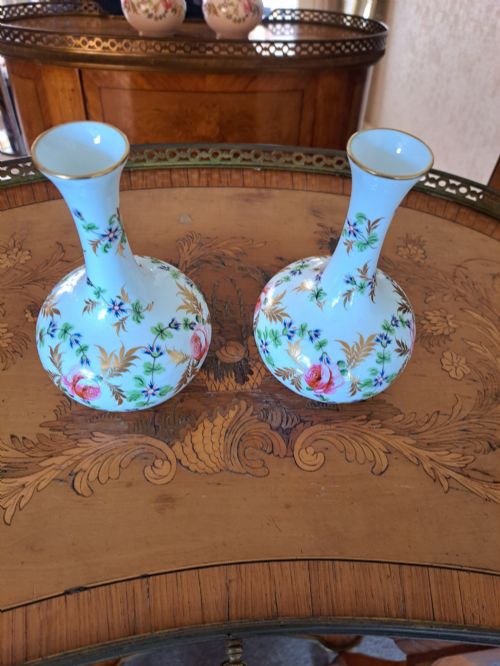
Antique English Porcelain Vase
These antique English porcelain vase examples bring refined Edwardian and Art Deco craft to a room, offering both decorative presence and historic interest.
What they are
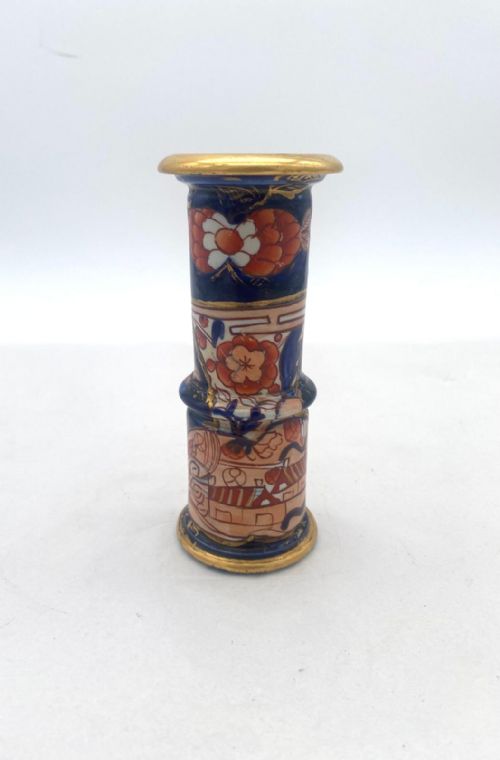
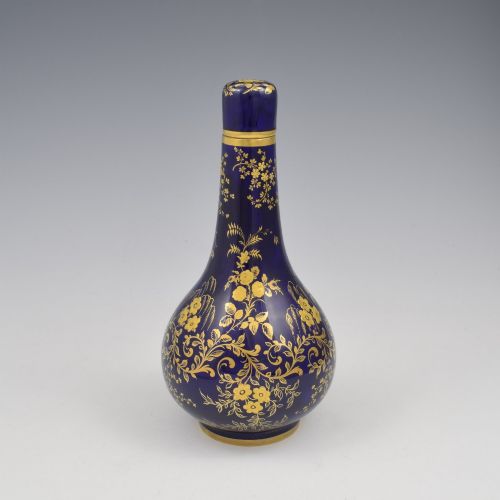
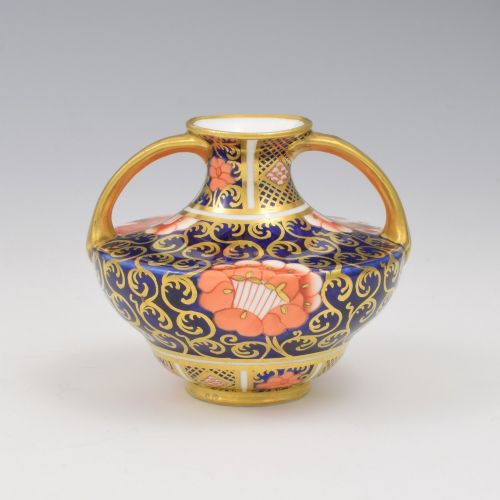
An antique English porcelain vase represents the ceramic traditions produced across the Edwardian and Art Deco eras. Collectors searching for an antique English porcelain vase encounter forms ranging from standard vases to pot pourri sets and decorative jars.
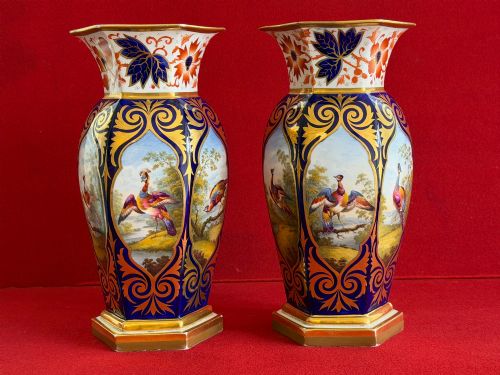
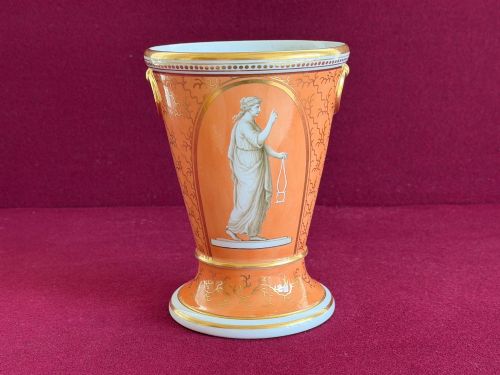
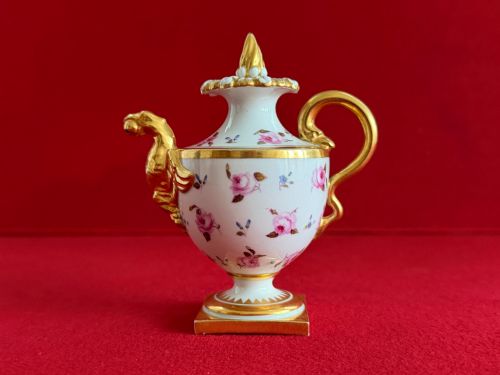
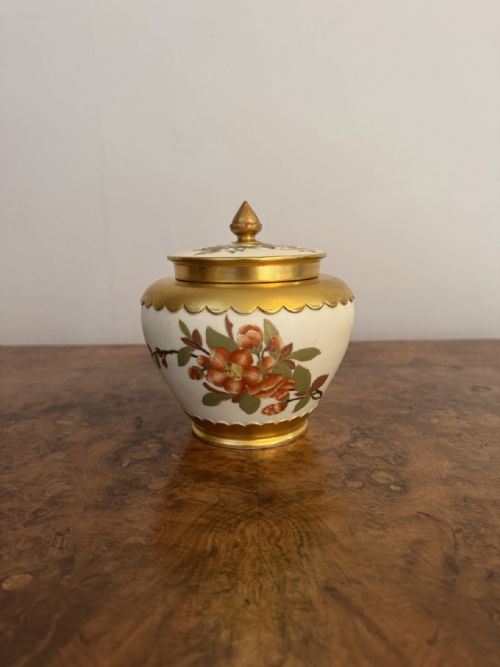
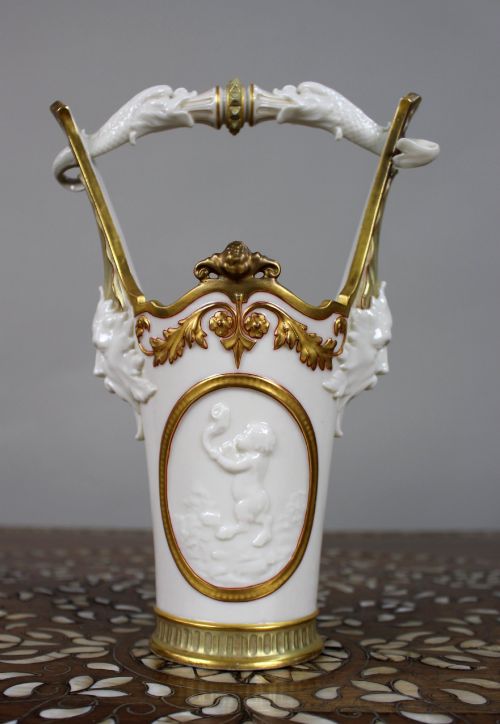
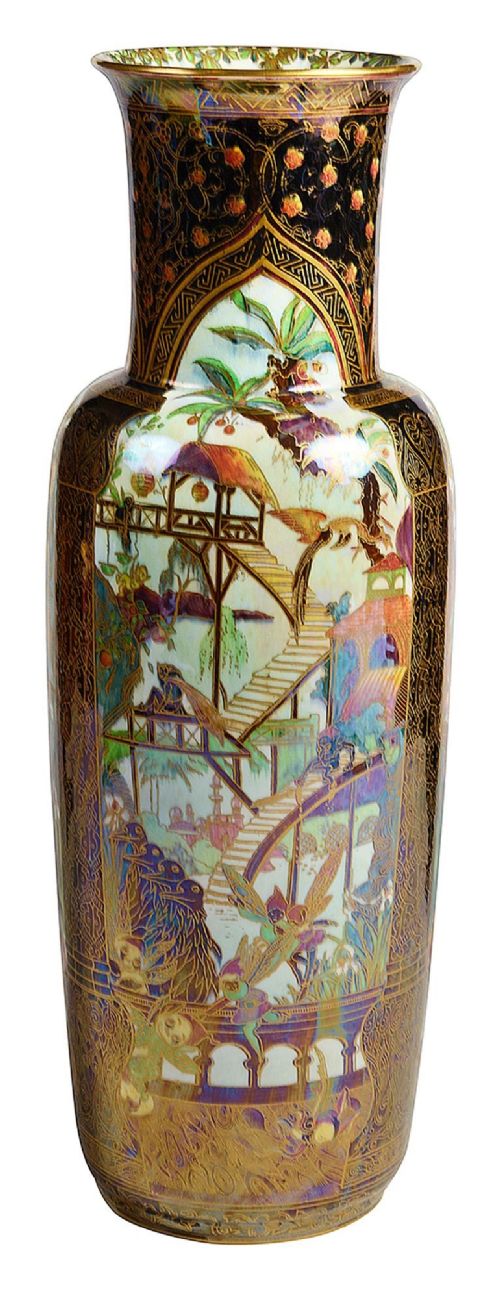
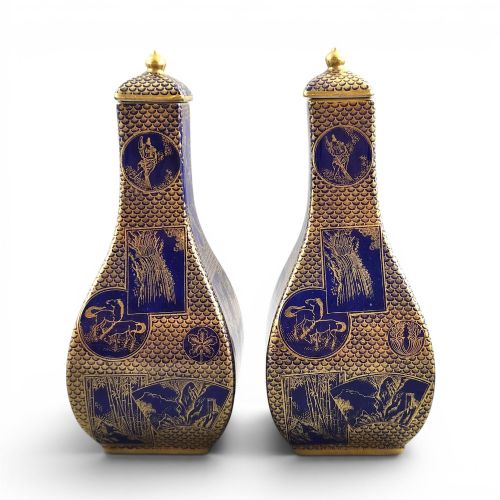
The selection on this page demonstrates pieces originating from notable makers around nineteen hundred and nineteen twenty. These items typically display hand-painted scenes or lustre glazes characteristic of their respective periods.
How they were made
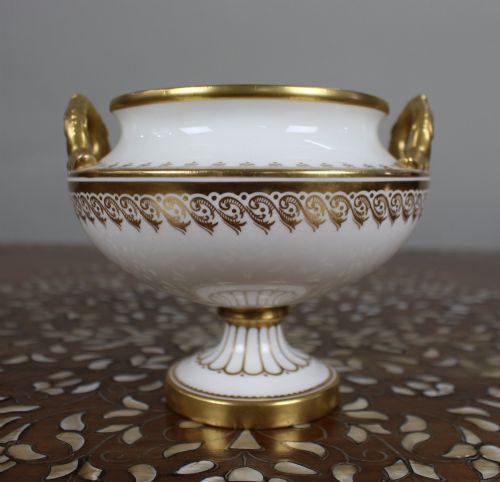
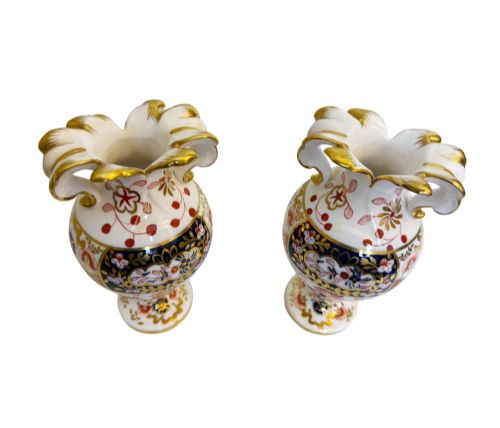
Potters shaped fine porcelain bodies before applying enamel colours and intricate gilding techniques. Gold leaf and gold details were carefully added to accentuate the rims, handles, and painted panels.
Specialised artisans painted detailed motifs directly onto the porcelain surface, often depicting birds or fantasy scenes. Firing processes fixed the enamel and gilt securely to the ceramic base.
Current listings feature porcelain works from nineteen hundred and nineteen twenty, representing Edwardian and Art Deco styles.
What varies in quality
Quality separates through the precision of the hand-painted artistry and the complexity of the glaze effects. Signed artistic work by recognised painters commands greater attention than standard factory decoration.
The preservation of the gold leaf and enamel surface dictates the overall refinement of the piece. Superior examples maintain crisp, unrubbed gilding and vibrant, stable colours across the entire porcelain body.
Wedgewood·Royal Worcester·Jas Stinton
The Antique English Porcelain Vase Glossary
- Porcelain
- A hard, fine-grained ceramic material fired at high temperatures to achieve a vitrified, translucent body. It forms the essential base for these decorative items.
- Gilding
- The application of gold leaf or gilt paint to ceramic surfaces for ornamentation. This technique highlights rims and structural details.
- Enamel
- Vitreous coloured glass fused to the porcelain surface during firing. It provides the permanent pigments used in detailed painted scenes.
- Pot Pourri
- A vessel designed with a pierced cover to release the scent of dried flowers and spices held within. These pieces often feature matching side jars.
Frequently Asked Questions
How do I date an antique porcelain vase?
Dating relies on maker marks, ceramic bodies, and stylistic clues typical of periods like nineteen hundred or nineteen twenty.
Examining the base marks alongside the painting technique helps confirm the era of manufacture.
Are these vases meant for holding water?
Many decorative items from the Edwardian and Art Deco periods function primarily as ornamental display pieces.
Using them for dried arrangements protects the antique porcelain and internal gilding from moisture damage.
How should I clean antique porcelain?
Dusting gently with a soft, dry brush prevents the accumulation of particles without risking the delicate enamel.
Avoid abrasive cleaners and moisture to protect vulnerable gold leaf and hand-painted surfaces.
What is the difference between Edwardian and Art Deco vases?
Edwardian pieces often feature naturalistic painted scenes and ornate gilt framing reminiscent of earlier traditions.
Art Deco items lean towards stylised motifs, geometric forms, and lustre glazes developed in the nineteen twenties.