
Cream Ceramic Urn
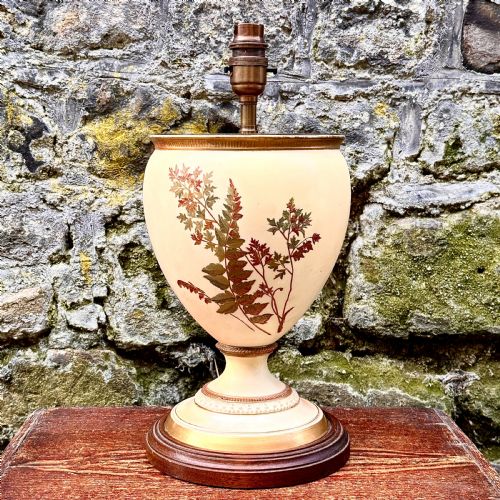
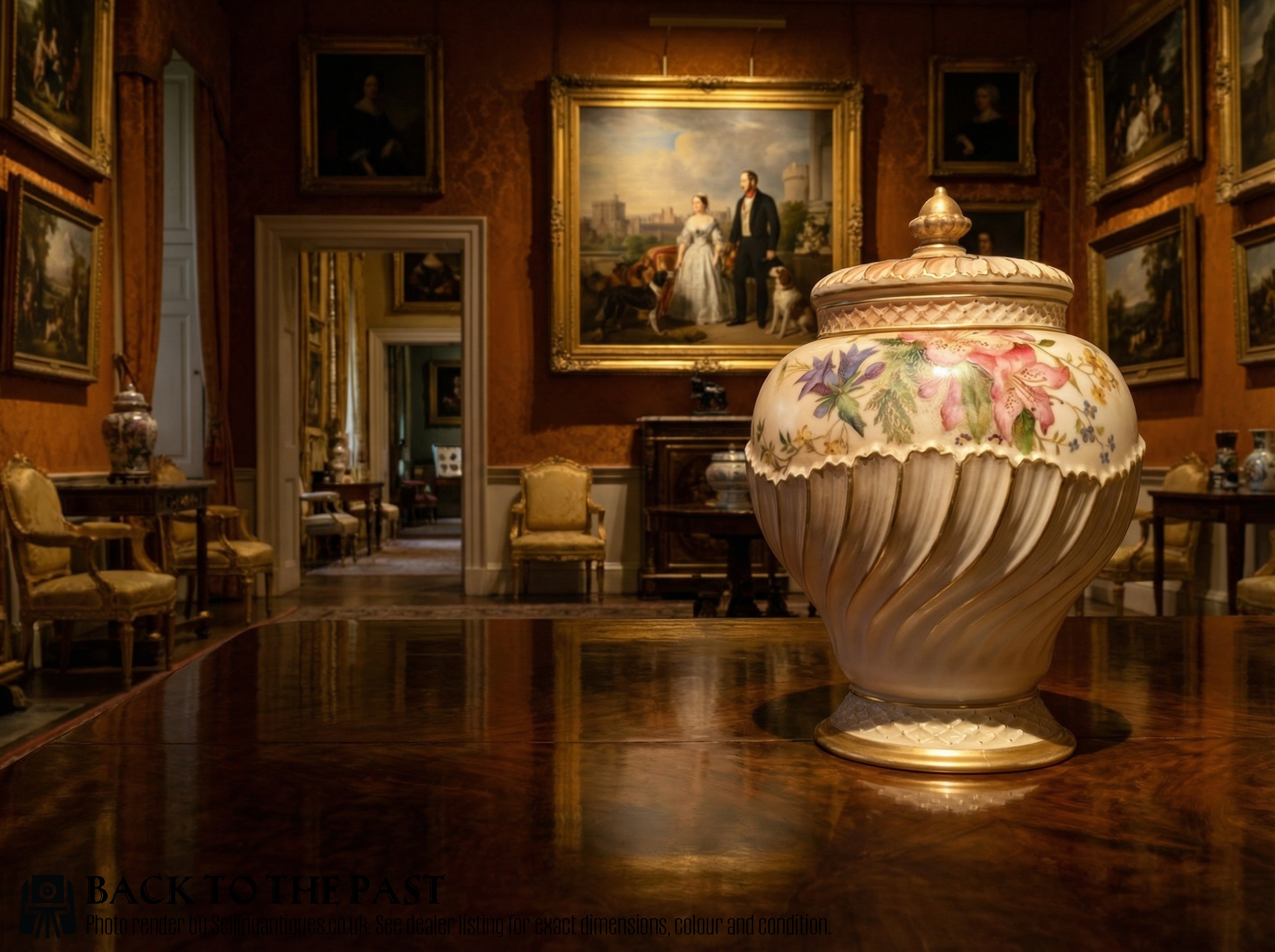
A cream ceramic urn brings tactile warmth and refined shape to a room, drawing the eye with muted tones and detailed surface work.

Cream Ceramic Urn
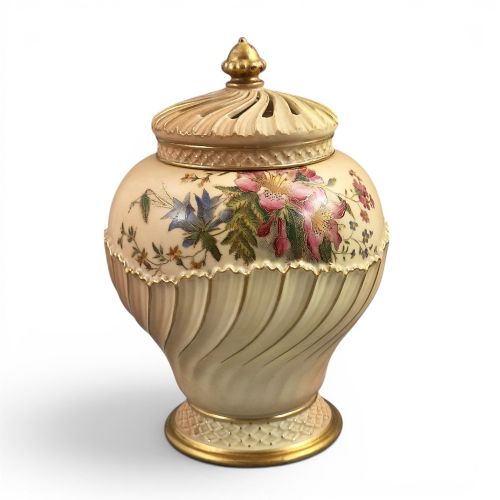
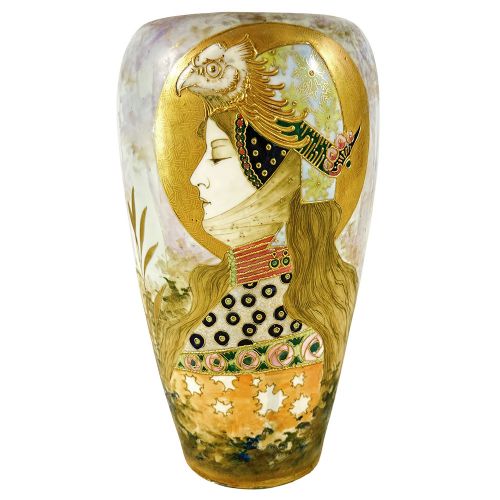
When searching for a cream ceramic urn, a buyer encounters a diverse range of vessels designed primarily for decorative impact rather than functional storage. These pieces bridge the gap between classic antiquity and late nineteenth or early twentieth-century artistry.
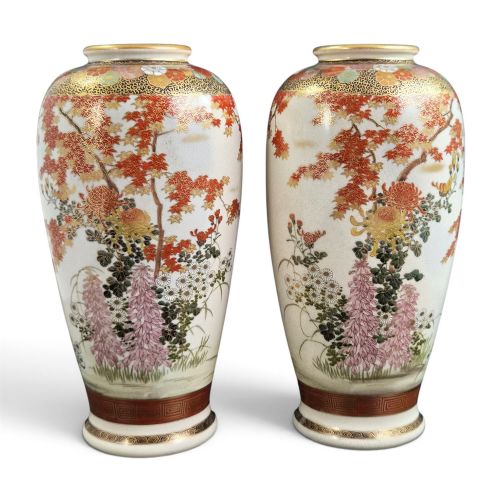
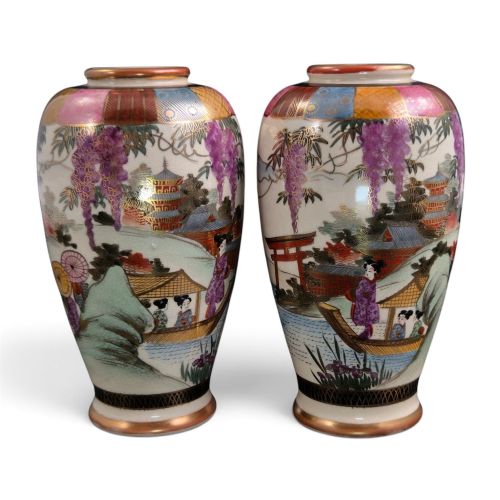
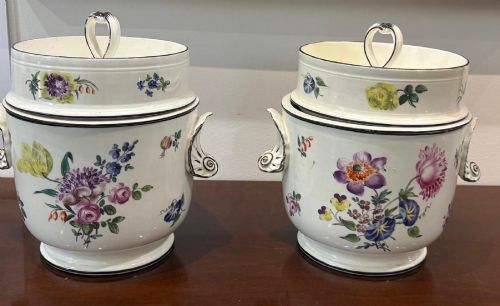
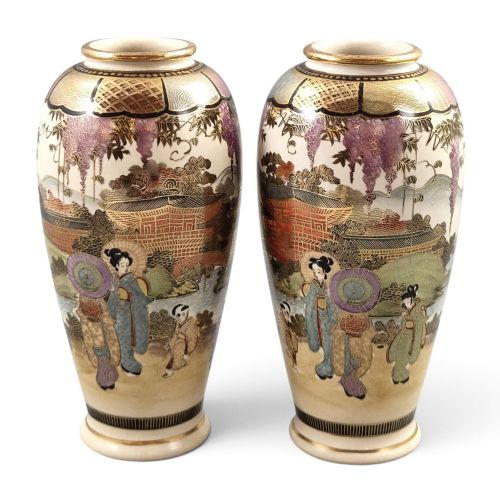
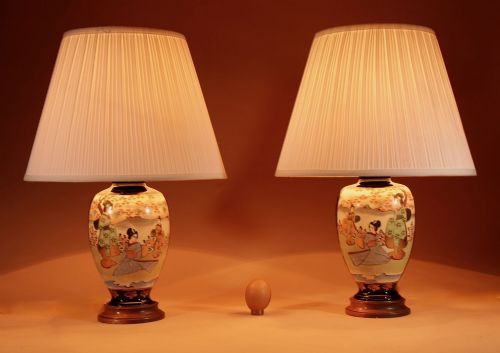
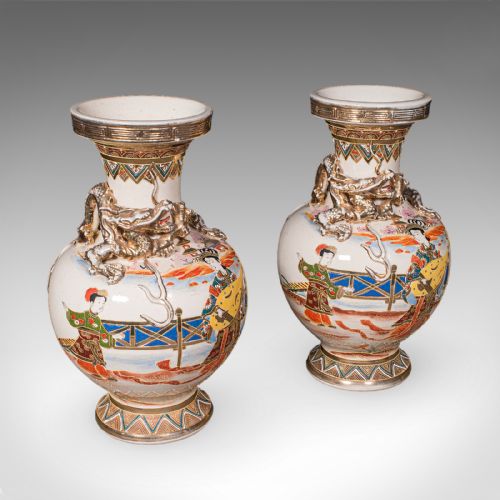
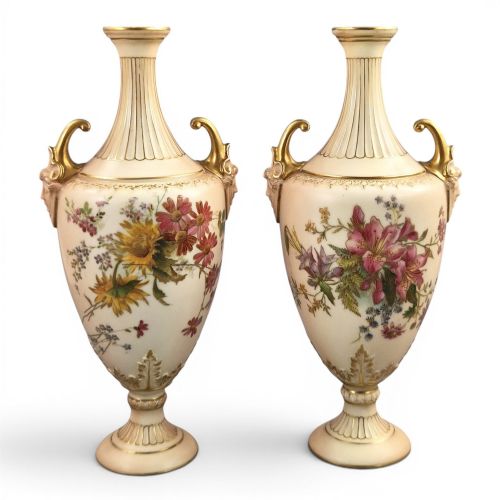
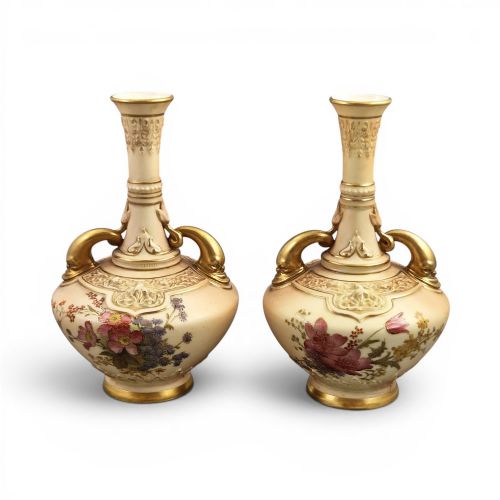
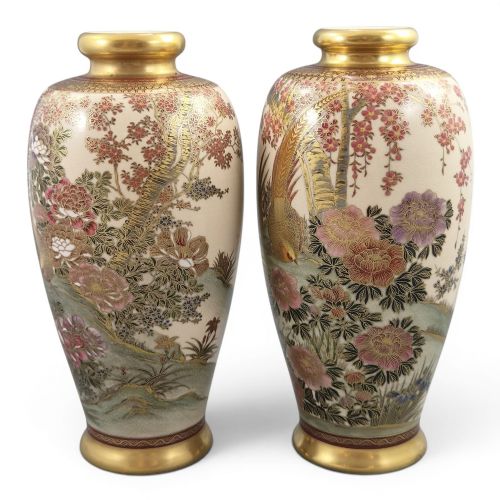
The selection on this page leans heavily toward Japanese Satsuma wares from the Meiji and Taisho periods, alongside English creamware, French crackle ware, and pieces from factories such as Royal Worcester and Royal Vienna.
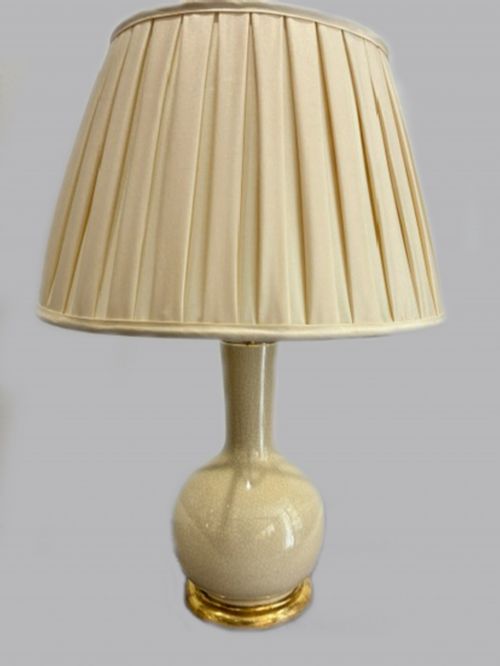
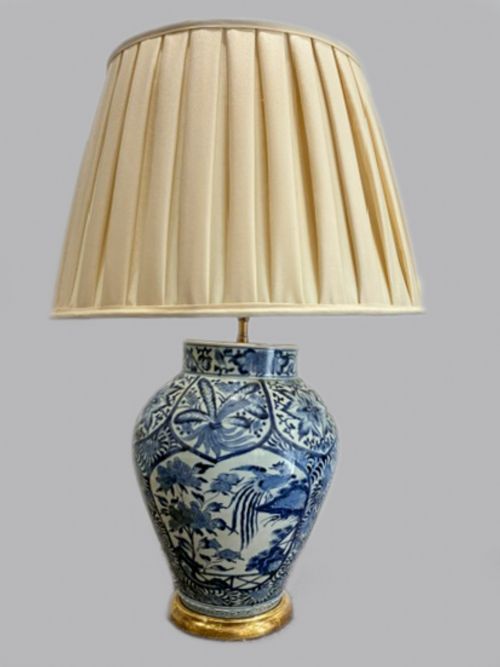
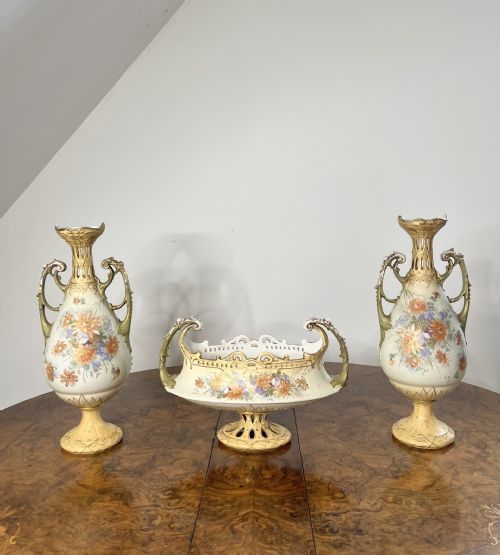
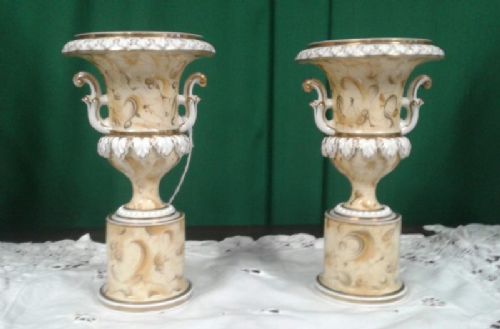
Forms vary from monumental jardinieres and campana shapes to delicate miniature vases, garniture sets, and table lamps converted from earlier vessels.
How they were made
Makers utilised earthenware, porcelain, and terracotta bodies, often applying an enamel or crackle glaze to achieve the characteristic cream or blush ivory background. Surface decoration frequently incorporates hand-painted floral or figural scenes.
Gilding and gold leaf accents are applied to highlight rims, handles, and detailed borders, adding depth to the ceramic surface. Kiln techniques dictated the final crackle effect or the smooth finish of the glaze.
Cream Ceramic Urn Retail Price Guide 2026
Typical asking prices for cream ceramic urn among the pieces listed under this phrase on Sellingantiques today, from the lower quarter to the upper quarter. They describe what is for sale here now, not the wider market.
Listings feature items spanning from the seventeenth century through to the Art Deco period of the 1930s.
What varies in quality
Quality rests upon the precision of the hand-painted brushwork and the refinement of the ceramic body. Pieces executed by named workshops or signed by master artists display superior control over detail and composition.
The application of gilding and enamel work distinguishes standard production items from exhibition-quality pieces. Balance in form and crispness in moulded or thrown details further define the upper tier of the range.
Maruni Kobe·Shozan·Royal Worcester·Royal Vienna·Reissner Stellmacher and Kessel·Ridgeways·Manpei·Kinkōzan·Tunnicliffe·Robert T Lallement·Chosei·Seiko en Chokei·Yamashu·Hakusan·Tagawa·Hododa·Tashiro
The Cream Ceramic Urn Glossary
- Satsuma
- A type of Japanese pottery with a crackled earthenware glaze, typically decorated with polychrome enamels and gold. It originated in Satsuma Province and became popular for export during the Meiji period.
- Creamware
- A fine earthenware developed in eighteenth-century England, noted for its pale straw or cream-coloured glaze. It provides a smooth canvas for painted decoration.
- Gilding
- The application of gold leaf or gold powder to a surface. It is used to accent ceramics and frames.
- Campana
- A bell-shaped urn or vase form popular in classical antiquity and revived in later periods for garden and interior display.
- Garniture
- A set of matching vases or jars, typically numbering three or five, designed for mantelpiece display.
Cream Ceramic Urn: Frequently Asked Questions
How do I style a cream ceramic urn at home?
Place a medium-sized urn on a wooden sideboard or mantelpiece to let the pale ceramic tones stand out against darker backgrounds. They work well empty as sculptural objects or holding dried stems.
For larger jardinieres or campana urns, position them on low tables or plant stands where their proportions can be viewed from above. Keep surrounding decor minimal to let the vessel form become the focal point.
Were these urns originally used for plants?
Many larger ceramic urns and jardiniere forms were designed specifically to house potted indoor plants or cut flowers in nineteenth-century interiors. Others served purely as decorative garniture items on mantelpieces.
Smaller vases and lidded jars were meant for display or holding pot-pourri rather than live botany. Check the interior for drainage holes or moisture staining to understand its past usage.
How do I distinguish Satsuma ware from other ceramics?
Satsuma ceramics feature a distinct ivory or cream-coloured earthenware body covered in a fine, microscopic network of crackled glaze. The surface is then typically painted with detailed figures or landscapes using enamel colours and heavy gold leaf.
In contrast, English creamware has a smoother, uniform glaze without the characteristic crackle pattern of Japanese export wares. Looking closely at the paste beneath the glaze reveals the difference between earthenware and porcelain bodies.