


Gilded Porcelain Jar
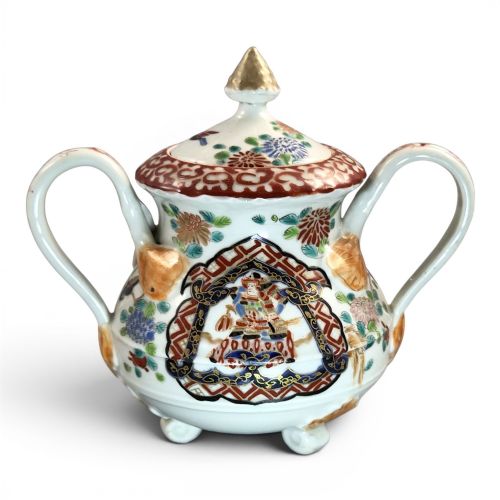
A gilded porcelain jar brings warmth and refined detail to a room, offering rich ceramic form paired with luminous metallic highlights.
What these pieces are
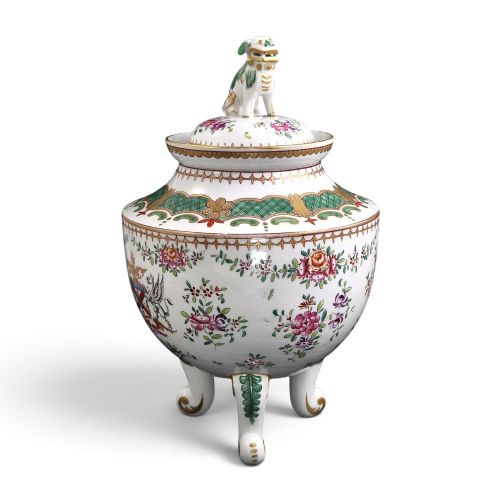
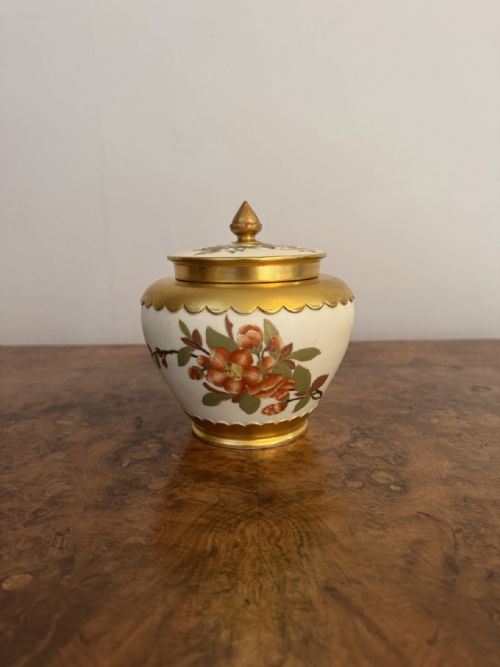
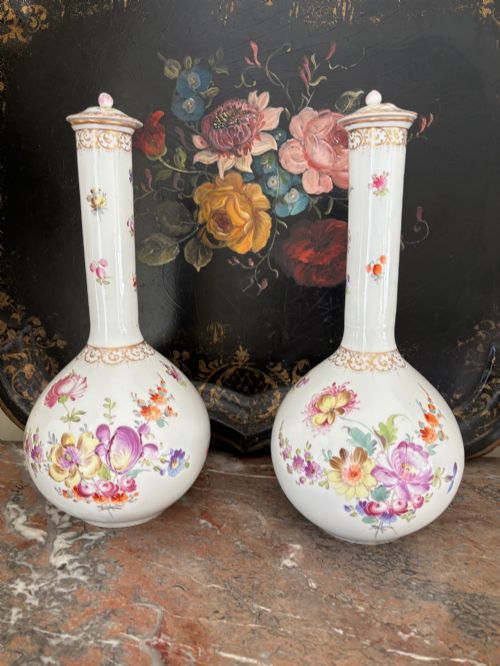
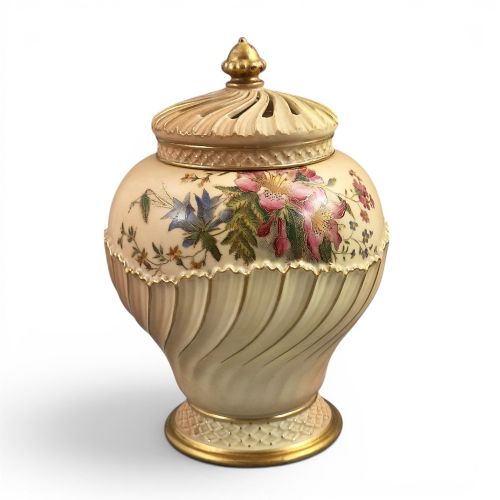
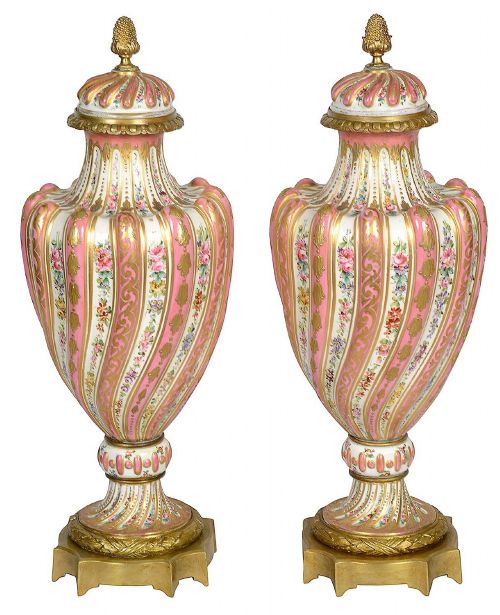
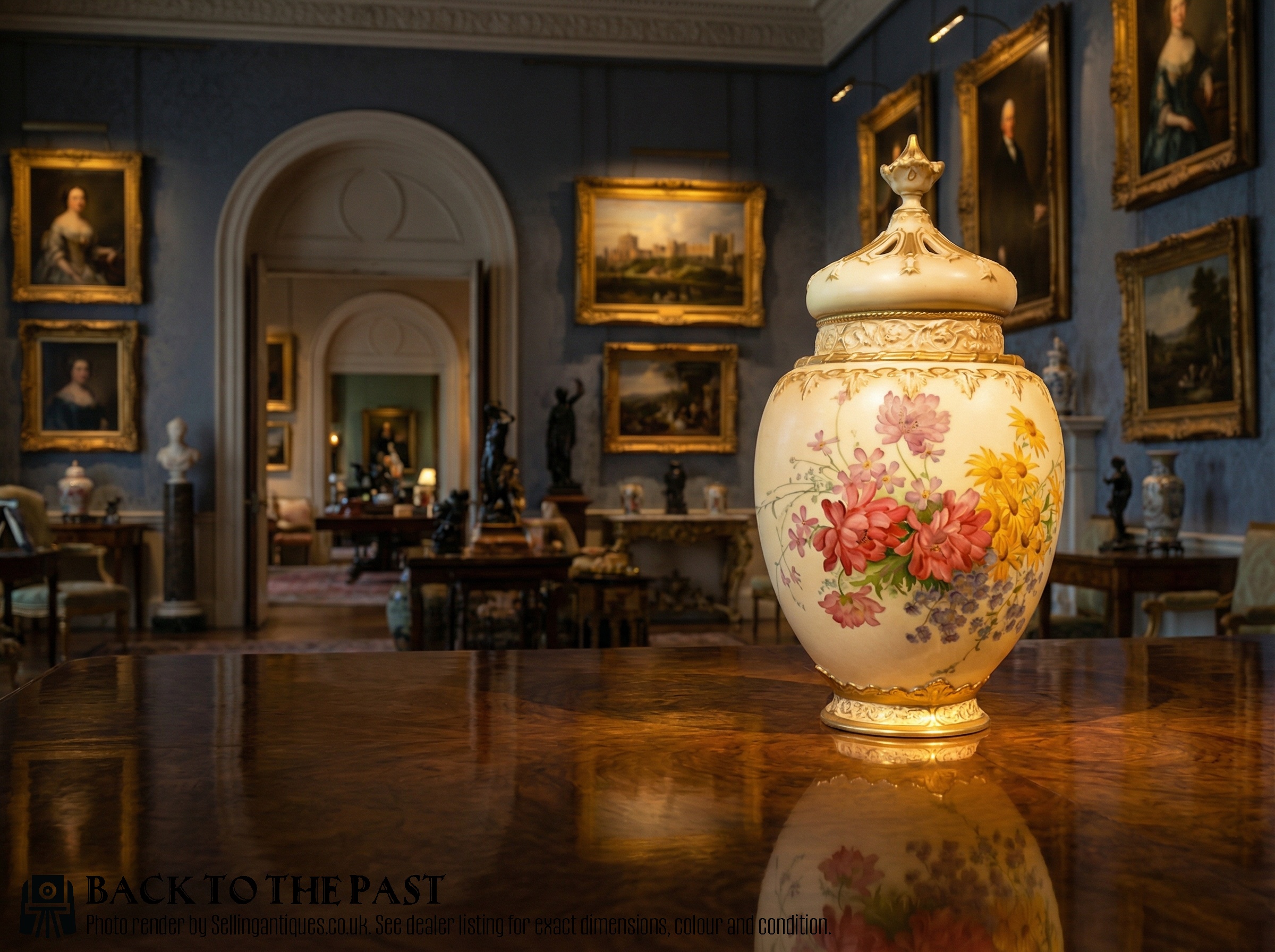
When you search for a gilded porcelain jar, you encounter covered vessels designed for display, fragrance or storage across several centuries. The selection spans the nineteenth century through to the mid twentieth century, drawing from English porcelain houses and international traditions.
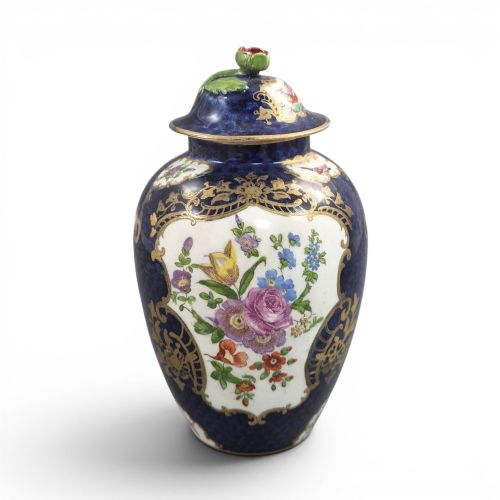
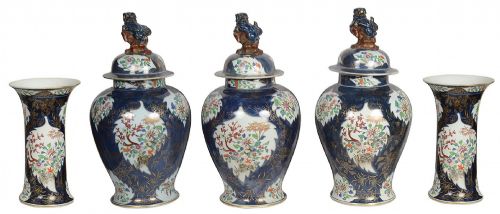
You frequently meet lidded forms such as pot pourri jars, ginger jars and covered vases featuring intricate surface decoration. These pieces bridge decorative utility and fine ceramic artistry, serving as focal points on mantelpieces and side tables.
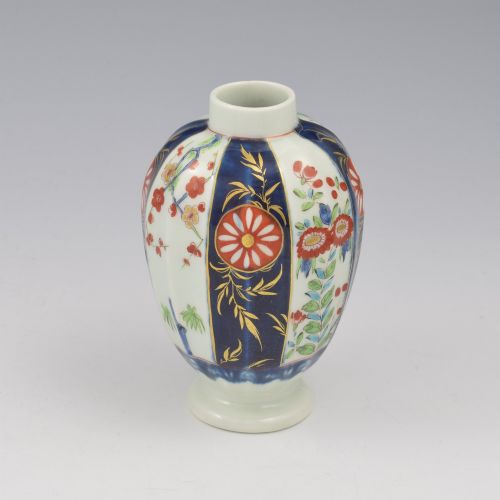
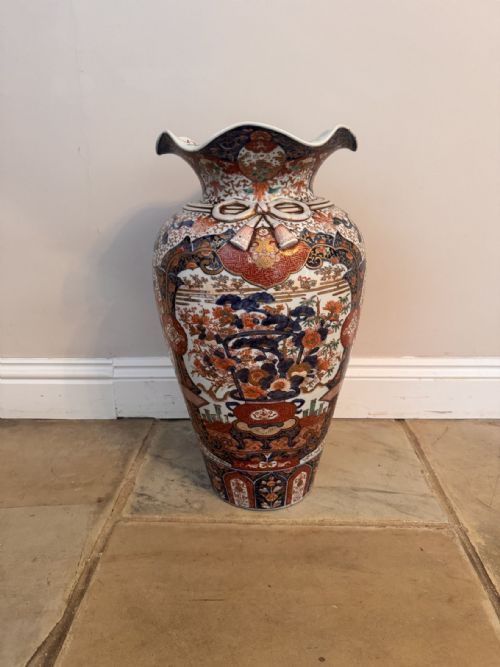
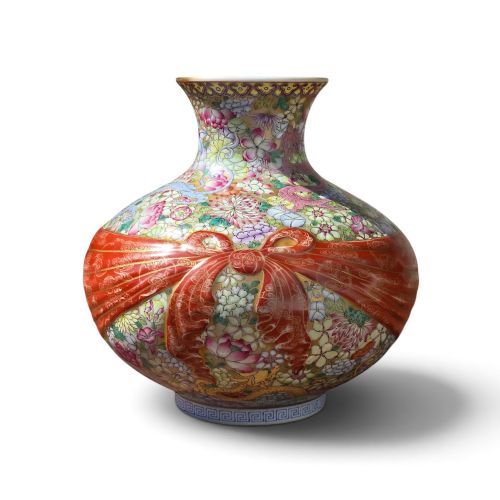
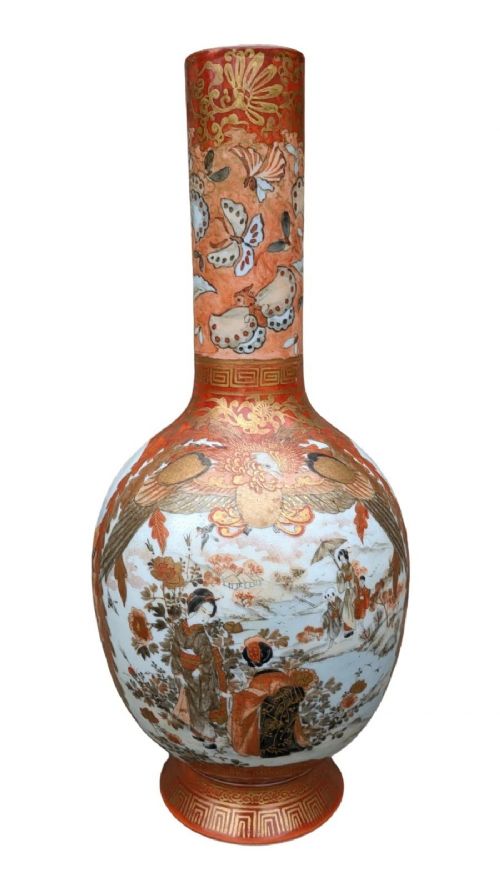
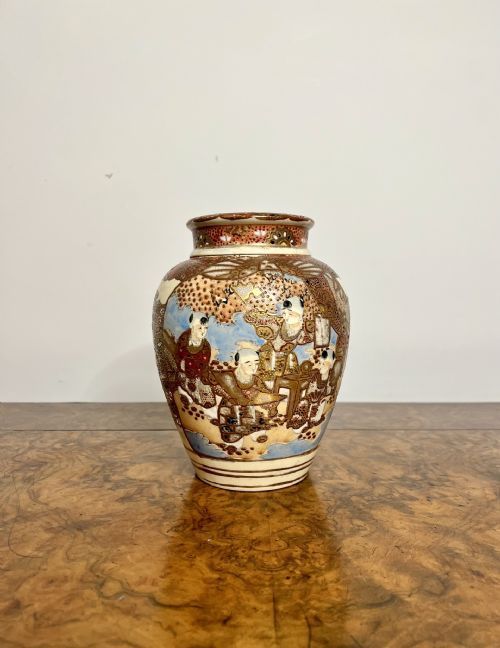
The range includes Victorian and Edwardian British production alongside Japanese Kutani wares and European interpretations of Chinoiserie. Each piece demonstrates the enduring appeal of combining painted ceramic surfaces with generous application of gold leaf or gilt.
How they were made
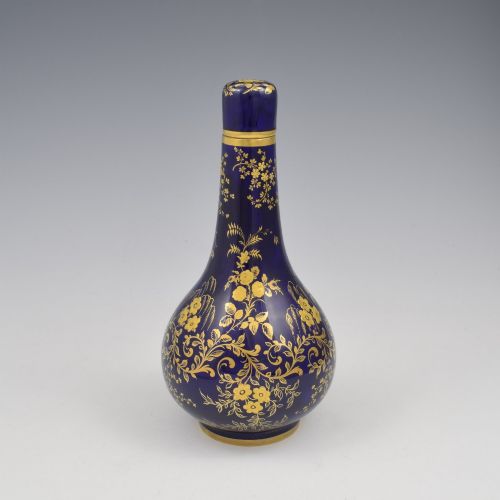
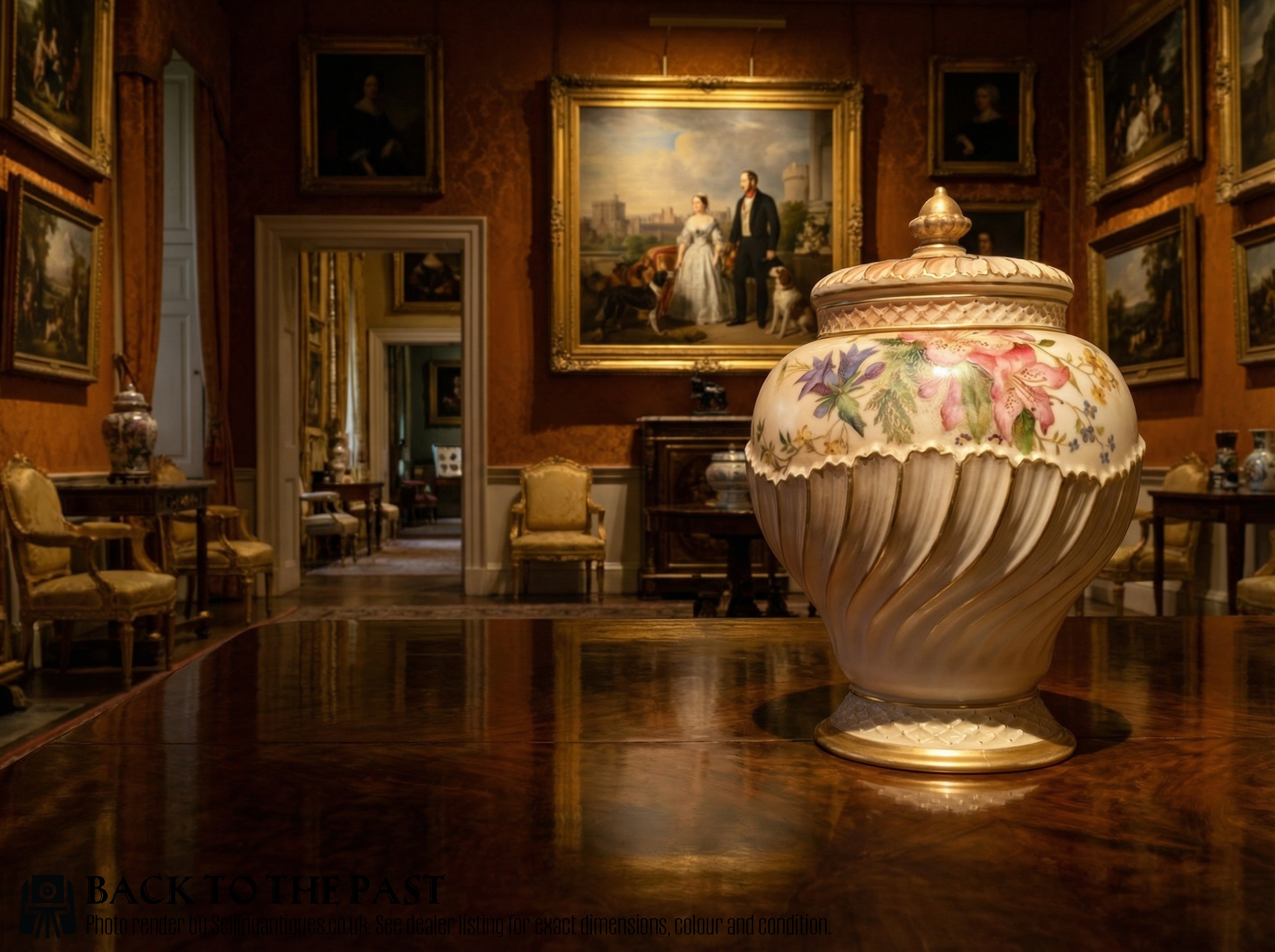
Makers utilise hard paste porcelain and standard porcelain bodies as the foundation for these vessels, shaping them into ovoid jars, urns and covered vases. Artisans apply detailed enamel painting by hand before adding rich layers of gold leaf and gilding to accentuate handles, rims and pictorial panels.
Firing techniques achieve durable ceramic bodies capable of supporting heavy surface ornamentation, including blush ivory grounds and raised enamel work. The union of fine ceramic glaze with burnished gold creates a tactile contrast that defines the physical presence of each jar.
Retail Price Guide 2026
Typical UK retail prices for gilded porcelain jar, calculated from the Sellingantiques database of over a million retail prices indexed since 2003. This retail price guide relies exclusively on Sellingantiques data; no external sources or auction records are used, so the figures do not describe the wider market.
Some pot pourri jars hide tiny perforated crowns designed to let sweet scents escape silently into Victorian drawing rooms.
What varies in quality
The distinction between standard production and the finest work lies in the execution of the hand painting and the precision of the gilding. Superior examples feature meticulously detailed floral or figurative compositions combined with deeply burnished gold leaf that retains its brilliant lustre.
Structural harmony between the jar body and its cover also dictates overall quality, alongside the sophistication of the ceramic body itself. Pieces displaying crisp moulding, unblemished enamel work and secure handles represent the pinnacle of the maker's art.
Royal Worcester·Samson Paris·John Smith
The Gilded Porcelain Jar Glossary
- Gilding
- The application of gold leaf or gold dust to the surface of porcelain to create decorative metallic highlights. This technique enhances the visual weight and elegance of the vessel.
- Blush ivory
- A matte cream coloured ceramic ground developed by potteries to mimic the soft texture of ivory. It provides a subtle backdrop for painted floral motifs.
- Pot pourri
- A mixture of dried plant materials scented with essential oils, traditionally housed in pierced ceramic jars to perfume a room. The vessels feature perforated covers designed to release the fragrance.
- Hard paste porcelain
- A durable ceramic composition fired at very high temperatures using kaolin and petuntse. It creates a dense, vitrified body that resists chipping and holds intricate detail.
Frequently Asked Questions
What is a gilded porcelain jar used for?
These covered vessels traditionally served to hold aromatic dried herbs and flower petals, releasing fragrance through pierced lids into domestic interiors. Over time, many function purely as decorative display pieces on mantelpieces or side tables.
Their substantial forms and ornate surfaces make them natural centrepieces for a room. Collectors appreciate both their historical utility and their visual presence.
How do I identify a Victorian piece?
Victorian examples often feature heavy gilding combined with intricate Chinoiserie motifs or armorial designs reflecting nineteenth century tastes. The weight of the porcelain and the style of hand painted enamels offer strong clues to this period.
Examination of the base and any factory marks helps confirm the era of production. Makers during this time experimented widely with revived historical styles.
What is blush ivory porcelain?
Blush ivory refers to a soft, matte cream ceramic ground that mimics the appearance of natural elephant ivory. Potteries developed this finish to provide a warm background for delicate painted floral decoration.
This technique appears frequently on Edwardian and turn of the century pieces. It creates a gentle contrast against bright gilt highlights.
How should I clean my jar?
Dust the surface gently with a soft, dry cloth to remove everyday particles without disturbing the delicate gold leaf. Avoid harsh chemical cleaners or abrasive materials that might scratch the enamel or wear away the gilding.
Water immersion is generally discouraged, particularly for pieces with hand painted details. Careful handling preserves the integrity of the antique ceramic body.