

Hand Painted Ceramic Vessel
These hand painted ceramic vessel selections bring together centuries of global artistry, offering intricate polychrome glazes and sculptural forms that elevate any display.
Hand Painted Ceramic Vessel
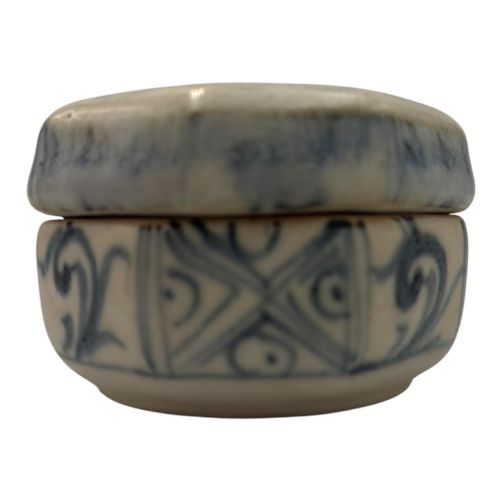
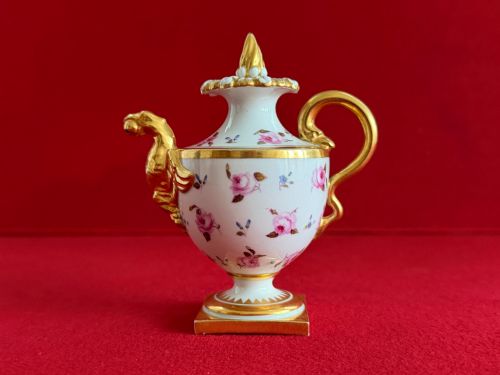
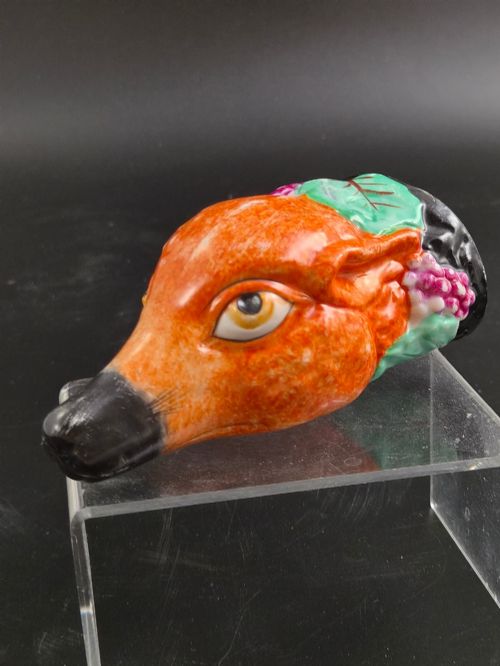
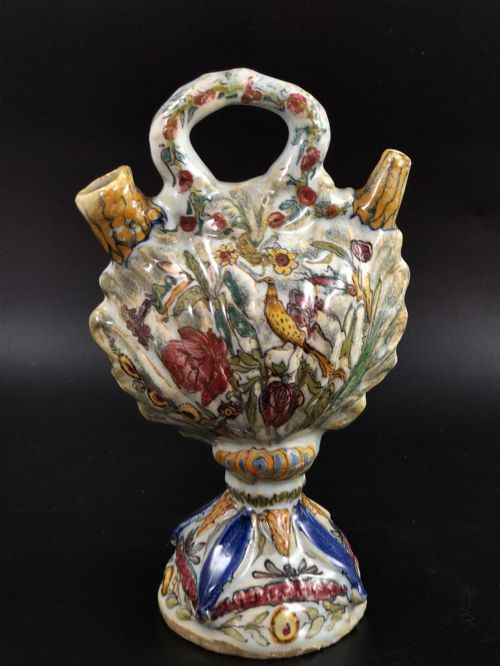
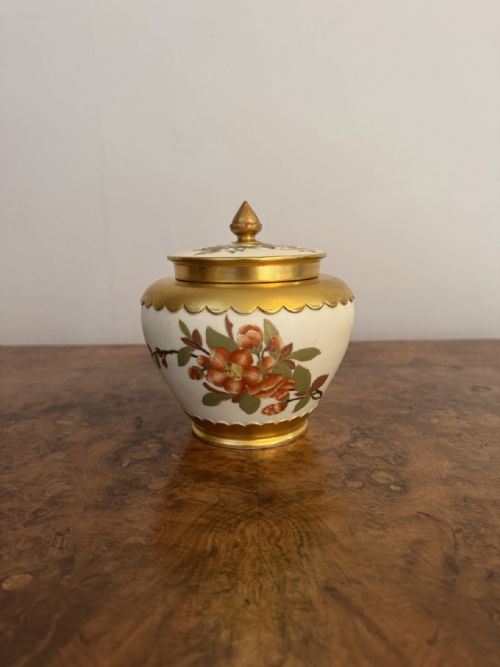
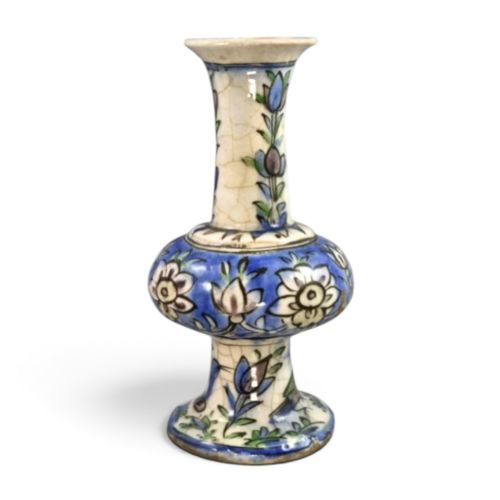
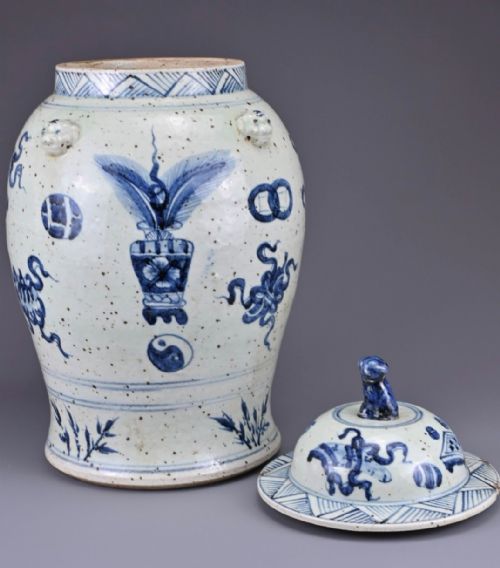
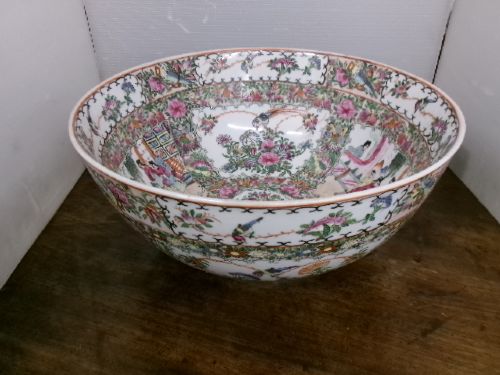
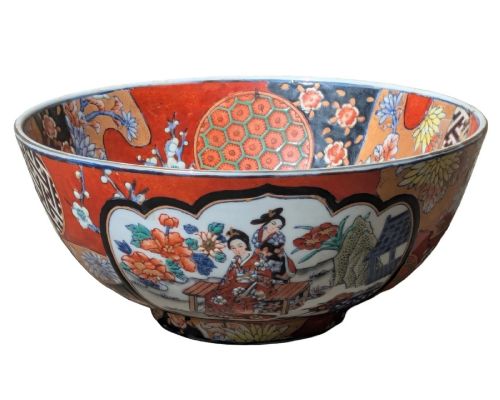
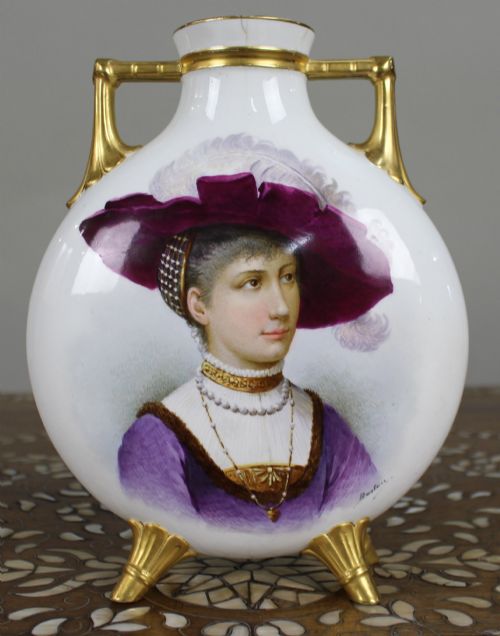
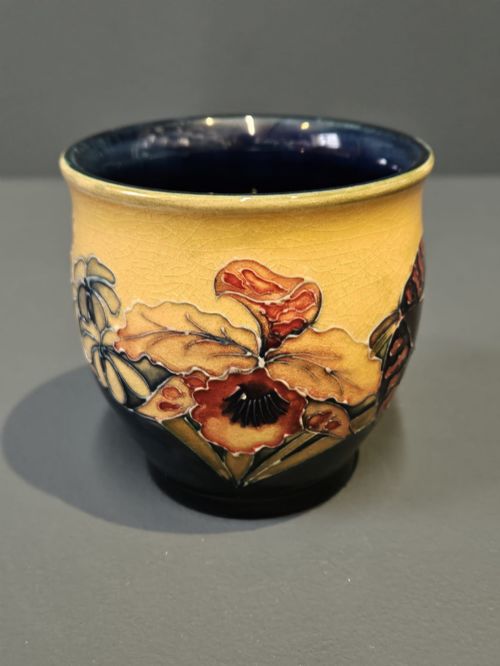
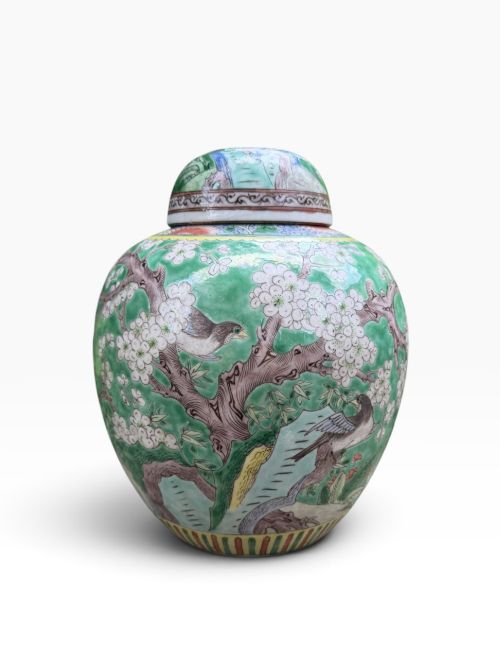
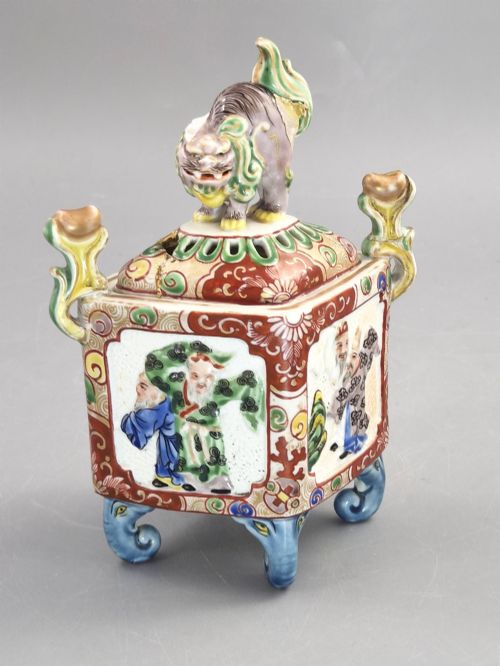
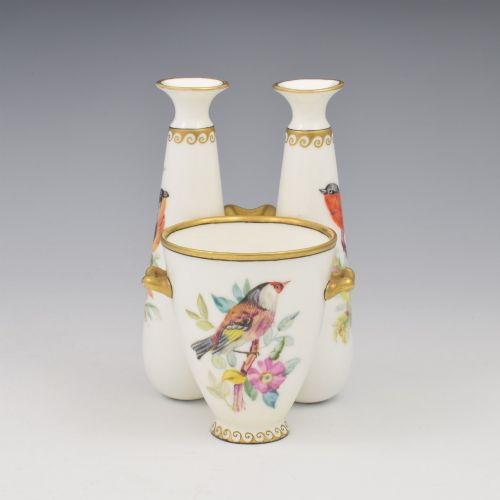
A hand painted ceramic vessel encompasses everything from Chinese porcelain jars and Japanese Satsuma incense burners to European majolica pharmacy jugs and Victorian Royal Worcester potpourri pots. When exploring this selection, buyers encounter an array of utilitarian and decorative forms, including vases, bowls, covered boxes, urns, and pilgrim flasks.
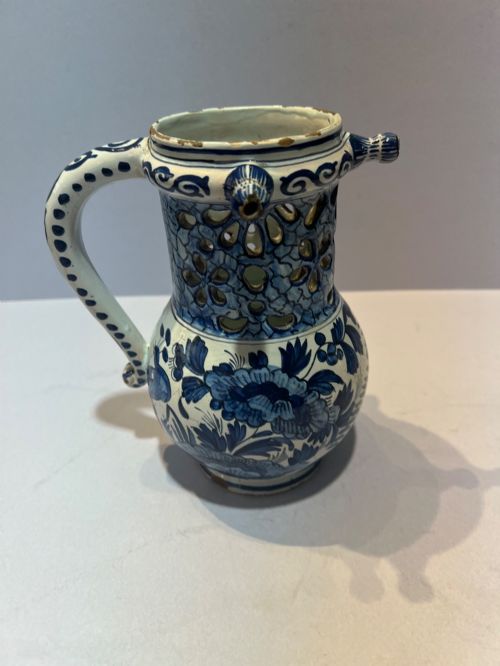
The objects span multiple centuries and global traditions, reaching from Lê Dynasty covered boxes and 18th-century Dutch Delft puzzle jugs to Meiji period Kutani wares and Art Deco porcelain. On this page, pieces from the nineteenth century predominate, alongside significant groupings from Japanese Imari kilns and Chinese Qing or Republican dynasties.
Collectors seek these works for their direct link to traditional ceramic artistry, where individual brushwork, glaze chemistry, and regional stylistic developments intersect. Each piece serves as a physical record of the kiln master's hand, whether finished in dense polychrome enamels or subtle blue and white underglaze.
Evaluating Quality and Execution
The standard of a hand painted ceramic vessel rests primarily on the precision and confidence of the brushwork, where fluid, masterly lines distinguish superior output from mechanical replication. Compositional balance across complex forms, such as multi-figure Satsuma koro or intricate Famille Rose jars, reveals the true capability of the decorator.
Material refinement also dictates value, observed in the purity of the porcelain paste, the evenness of the glaze, and the successful integration of gilding or gold leaf. Pieces bearing signatures from established workshops or noted artists demonstrate a higher tier of studio production.
Hand Painted Ceramic Vessel Retail Price Guide 2026
Typical asking prices for hand painted ceramic vessel among the pieces listed under this phrase on Sellingantiques today, from the lower quarter to the upper quarter. They describe what is for sale here now, not the wider market.
Listings feature ceramic vessels spanning the 17th to the 20th century, executed in porcelain, earthenware, and tin glaze.
Flight Barr And Barr·Royal Worcester·Doulton Lambeth·Helena Wolfsohn·Kinkozan
The Hand Painted Ceramic Vessel Glossary
- Imari
- A style of Japanese porcelain decorated in underglaze blue and overglaze red, gold, and other colours. The tradition originated in Arita and became immensely popular for export.
- Koro
- A traditional Japanese incense burner typically supported on three feet and fitted with a pierced cover. These ceramic vessels often incorporate guardian lion finials.
- Faience
- European tin-glazed earthenware produced across various regions including France, England, and the Netherlands. It mimics the appearance of imported Chinese porcelain.
- Famille Rose
- A Chinese porcelain palette characterised by opaque pink or rose enamels introduced during the Qing dynasty. The style depicts naturalistic scenes of birds, flowers, and figures.
Hand Painted Ceramic Vessel: Frequently Asked Questions
How do I identify Japanese Satsuma ware?
Satsuma wares are characterised by a fine, ivory-coloured earthenware body covered with a crackled transparent glaze. They typically feature intricate polychrome and gilt decoration depicting figures, landscapes, or floral motifs.
Many pieces bear artist signatures or workshop marks on the base, reflecting production from Meiji period kilns in Japan.
What is the difference between porcelain and earthenware?
Porcelain is a high-fired, vitreous ceramic made from kaolin and petuntse, resulting in a dense, non-porous body that often rings when struck. Earthenware uses common clay fired at lower temperatures, producing a porous body that requires a glaze to hold liquids.
Historic European and Asian makers utilised both mediums depending on the intended utilitarian or decorative function.
How were antique ceramic jars utilised?
Many large jars and covered vessels served practical storage roles in domestic or mercantile settings, containing dry goods, ginger, or medicinal herbs. Others functioned as decorative ornaments within period interiors, displayed on mantelpieces or architectural ledges.
Specialised forms like ginger jars and tea caddies were integral to the preservation of valuable commodities traded globally.