
White Ceramic Vase
White ceramic vase examples range from nineteenth-century porcelain urns to earthenware jars, offering collectors painted designs and moulded forms spanning several centuries.
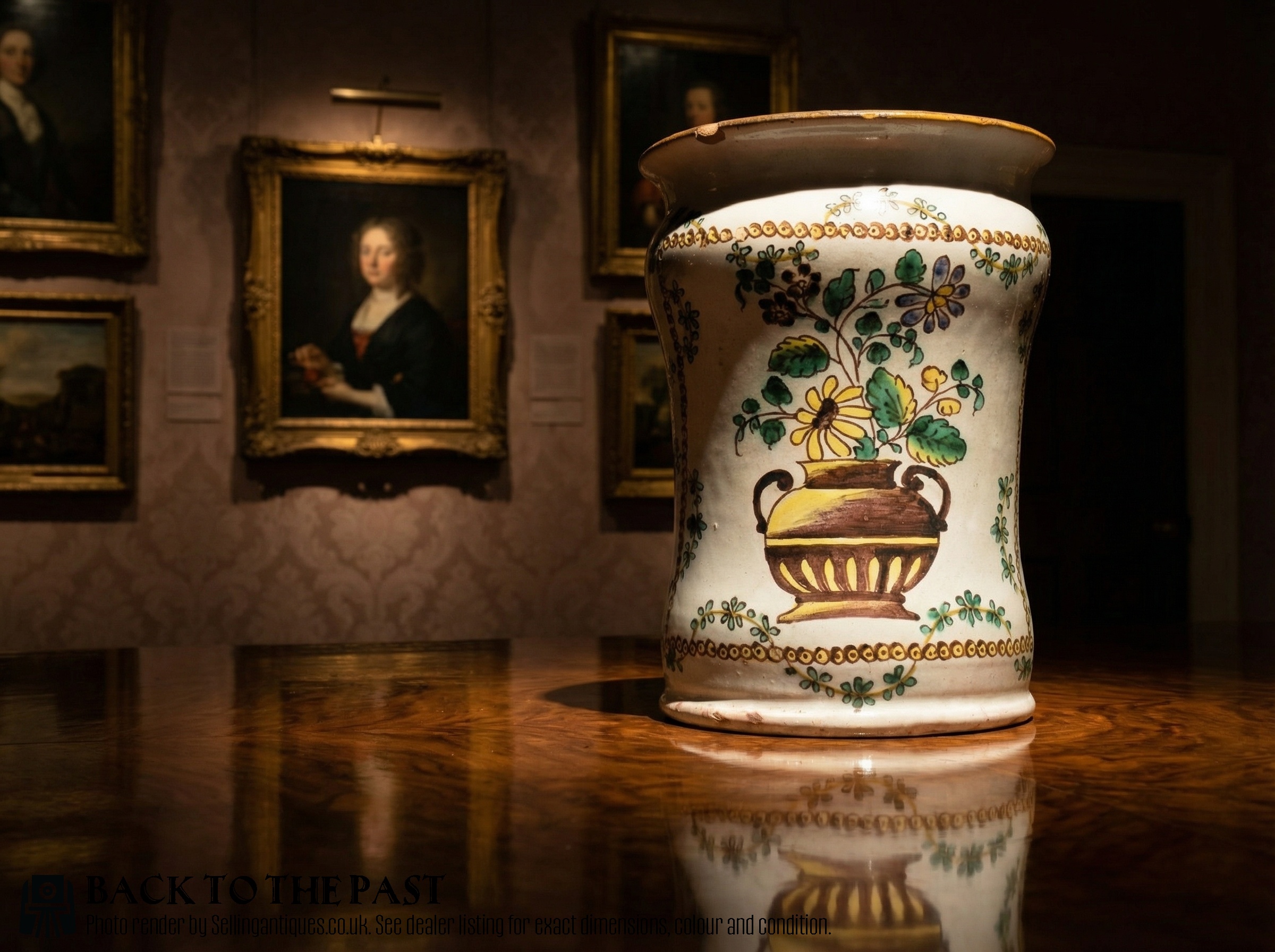
White Ceramic Vase
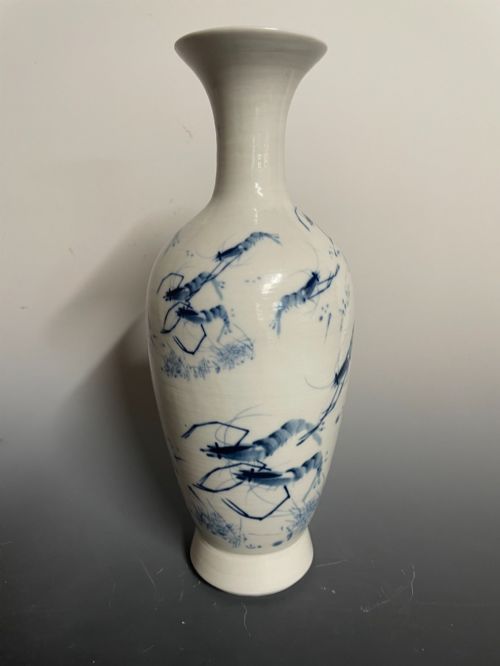
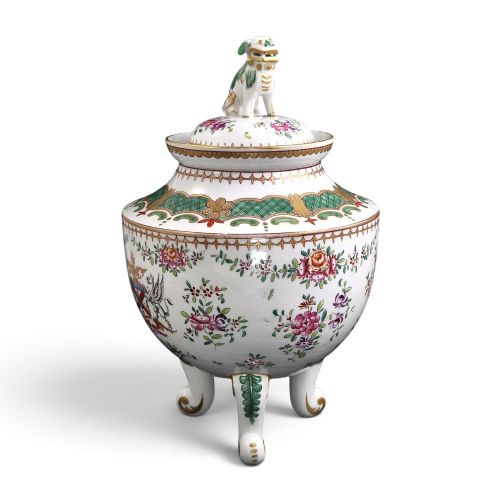
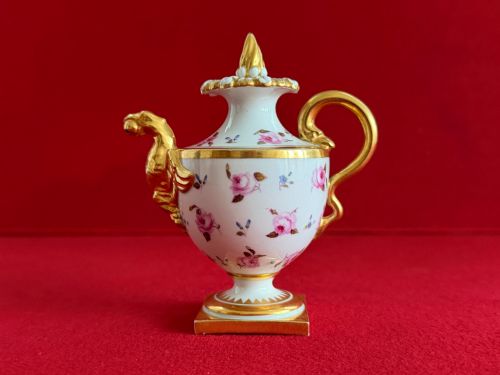
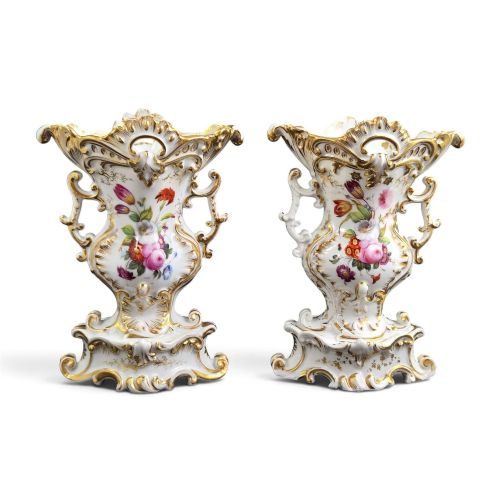
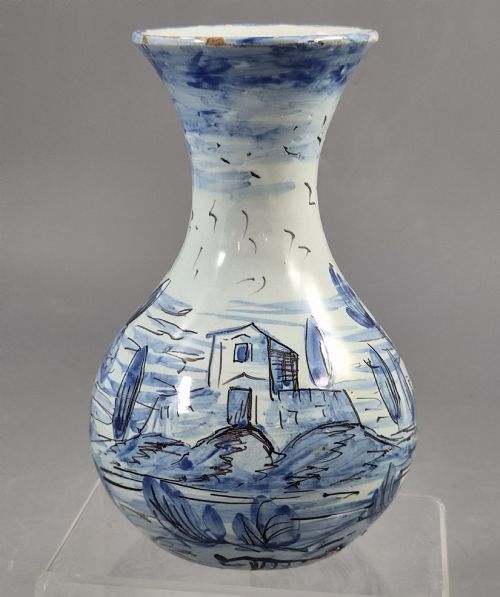
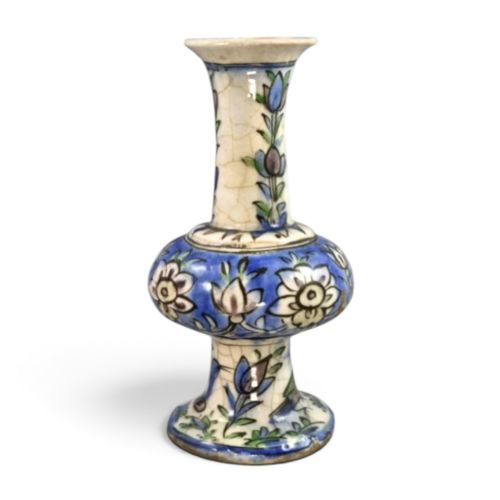
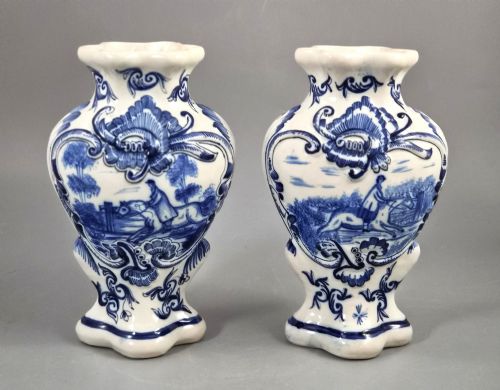
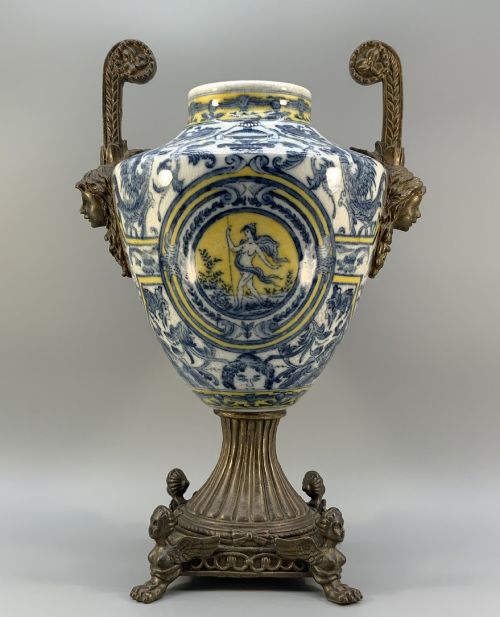
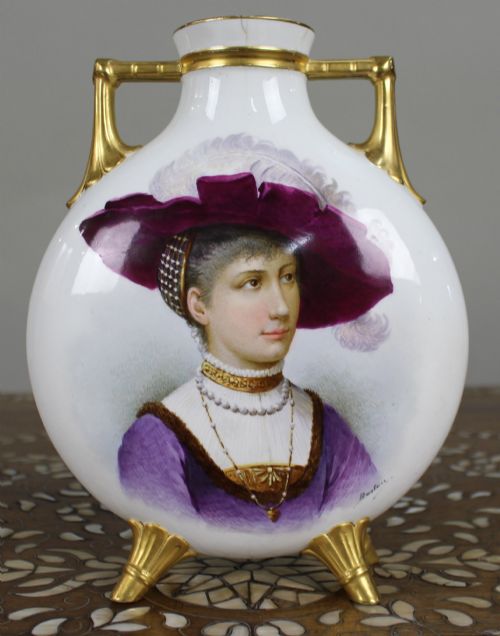
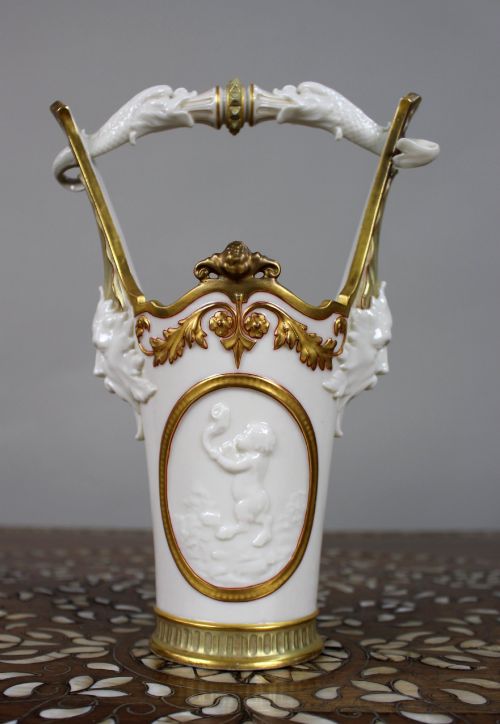
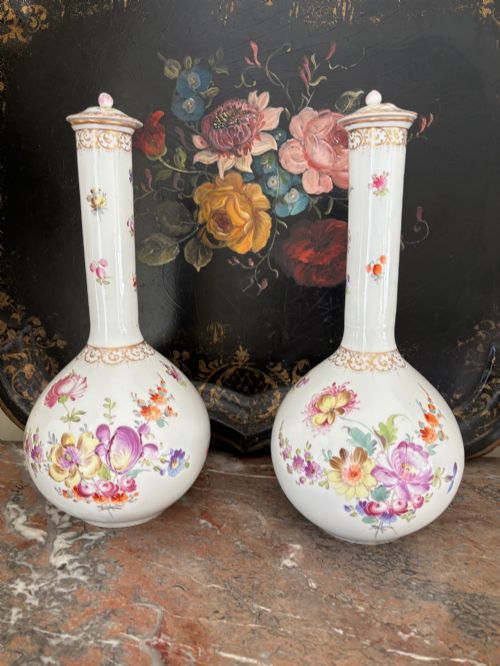
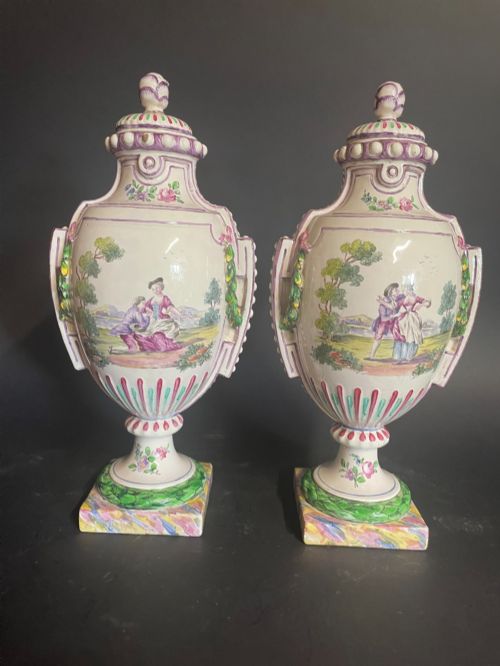
When searching for a white ceramic vase, collectors encounter pieces spanning the eighteenth century through to the early twentieth century, originating from English, European and Asian workshops. The selection includes porcelain urns, earthenware bottle vases, spill vases and moon flasks created for decorative display or functional use.
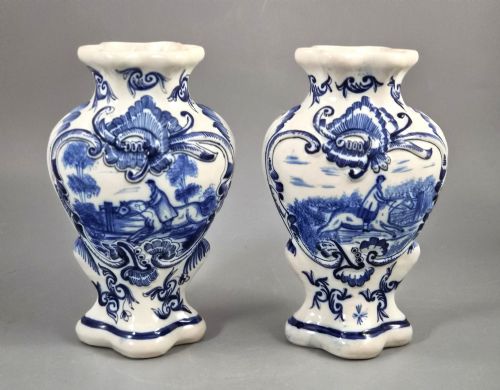
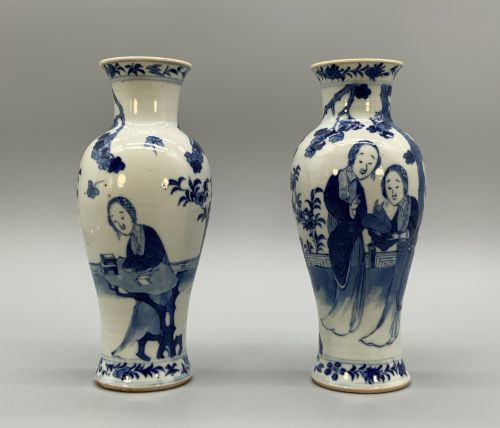
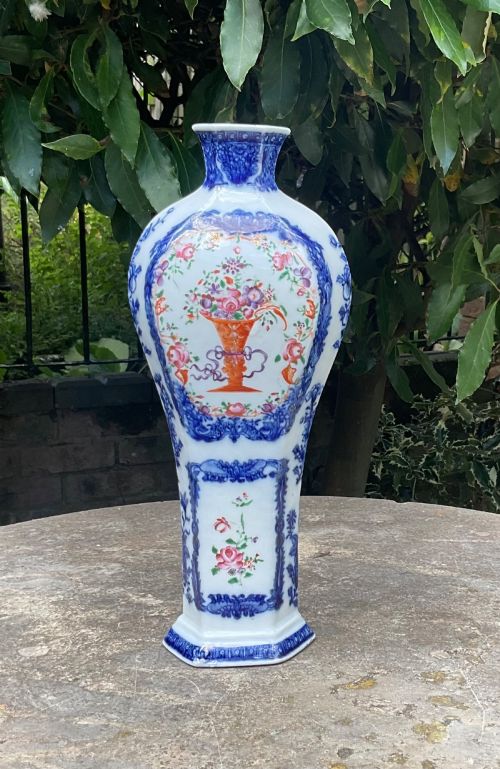
The objects on this page frequently demonstrate regional styles such as Chinoiserie, Delftware, French Rococo Revival and Victorian revivalism. English porcelain makers like Worcester sit alongside French faience manufactories and Chinese export porcelain dating from the Qing dynasty.
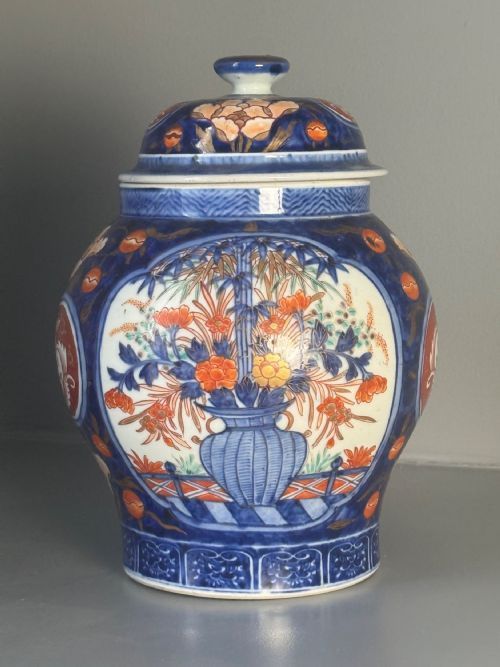
Vessels take diverse forms, from bulbous lidded jars and double gourd shapes to slender garlic-mouth vases and table lamps converted from earlier ceramic bodies. Many feature hand-painted floral, figural or ornithological decoration executed in underglaze blue, enamel or polychrome glazes.
How these ceramic pieces were made
Potters shaped these vessels using earthenware, ironstone, faience and porcelain bodies, applying tin glazes or transparent lead glazes to create smooth white surfaces. Enamel colours, gold leaf and cobalt underglaze pigments were then hand-painted onto the ceramic before firing.
Factory production often involved multi-stage processes combining thrown or moulded clay bases with detailed hand-painting by named artists, occasionally complemented by cast bronze mounts or metal hardware added during the nineteenth century.
White Ceramic Vase Retail Price Guide 2026
Typical asking prices for white ceramic vase among the pieces listed under this phrase on Sellingantiques today, from the lower quarter to the upper quarter. They describe what is for sale here now, not the wider market.
Listings feature porcelain, earthenware, and tin-glazed ceramics spanning the eighteenth and nineteenth centuries, including works from English, French, Italian, and Asian makers.
What determines quality in these ceramics
Quality reveals itself in the precision of the throwing and moulding, the clarity of the white glaze, and the dexterity of the hand-painted brushwork. Superior pieces display crisp detailing in floral or figural motifs without blurring or pooling in the glaze.
The reputation of the maker, whether an English porcelain factory such as Worcester or a Continental faience workshop, also influences the standing of a vessel, alongside the preservation of original covers and mounts.
Flight Barr And Barr·Jacob Petit·Cantagalli·Fourmaintraux Courquin·Royal Worcester·Sitzendorf·Sceaux·Moorcroft McIntyre·Samson Of Paris·Hicks And Meigh·William Adams And Sons·Spode·Lambeth Pottery
The White Ceramic Vase Glossary
- Faience
- Tin-glazed earthenware produced in France and other European countries, typically featuring opaque white glazes painted with coloured enamels.
- Maiolica
- Italian tin-glazed earthenware decorated with colourful pigments, often produced in revival styles during the nineteenth century.
- Porcelain
- A hard, fine-grained ceramic fired at high temperatures, valued for its translucency and bright white body.
- Spill vase
- A narrow cylindrical vessel designed to hold taper spills used for lighting candles and fires.
- Moon flask
- A flattened spherical vase with a circular body, short neck and two loop handles, often derived from Chinese ceramic forms.
White Ceramic Vase: Frequently Asked Questions
What is a white ceramic vase used for?
These vessels were created primarily for interior display, holding floral arrangements, or serving as decorative mantel ornaments. Many examples also functioned as spill holders or were later adapted into table lamps.
Over time, collectors have prized them for their sculptural forms and painted surface decoration, placing them in drawing rooms and cabinets as decorative focal points.
How do I identify the period of a ceramic vase?
Dating relies on examining the ceramic body, glaze characteristics, and painting style alongside any factory marks or artist signatures stamped on the base. Stylistic cues such as Regency shapes or Qing dynasty motifs provide further chronological context.
Comparative study of similar pieces from known manufactories helps narrow down the decade of production when specific date marks are absent.
What is the difference between earthenware and porcelain?
Earthenware is a porous, opaque ceramic fired at lower temperatures, often finished with an opaque tin glaze to achieve a white surface. Porcelain is a vitrified, non-porous material fired at much higher temperatures, known for its natural white colour and ring when struck.
Porcelain generally offers greater refinement and thinness of wall, whereas earthenware pieces tend to have heavier bodies.
How should I care for antique ceramic vases?
Antique ceramics require gentle handling, keeping them away from direct sunlight and sudden temperature fluctuations that might stress the glaze. Dusting with a soft, dry cloth is usually sufficient for regular maintenance.
Water should not be poured directly into antique vessels if there are hairline cracks or historical repairs that could be compromised by moisture.