


Antique Dutch Pottery
Antique dutch pottery brings centuries of skilled ceramic artistry into modern rooms through tin-glazed chargers, vases, and tiles.
Antique Dutch Pottery
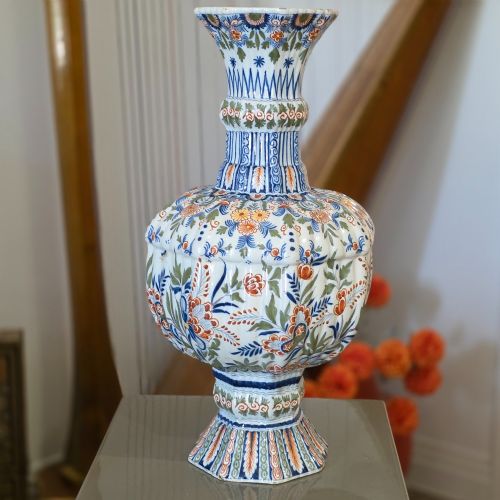
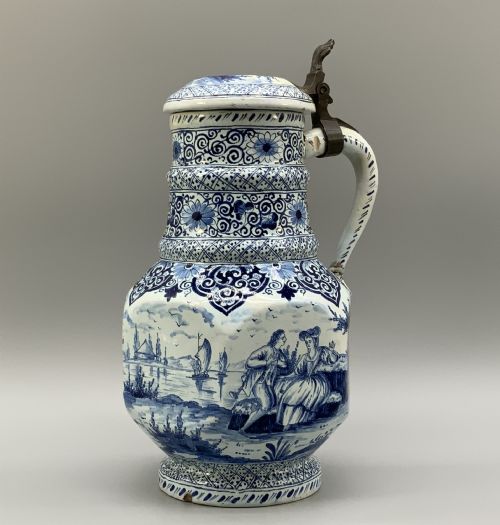
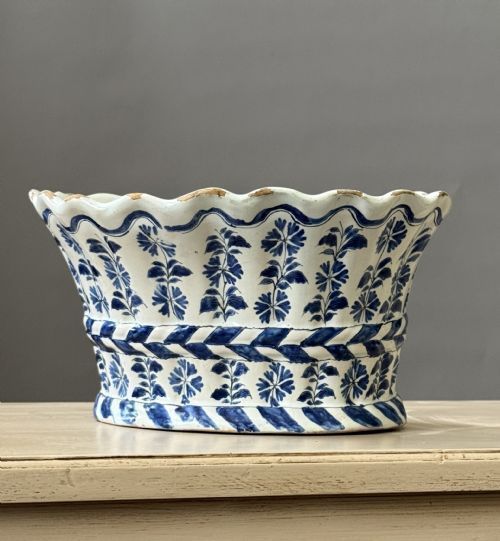
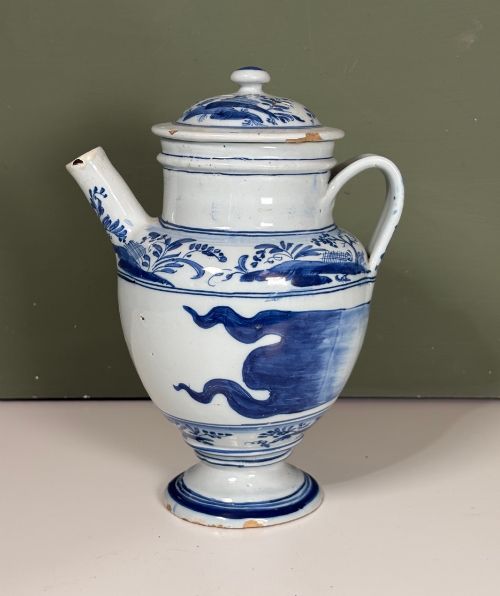
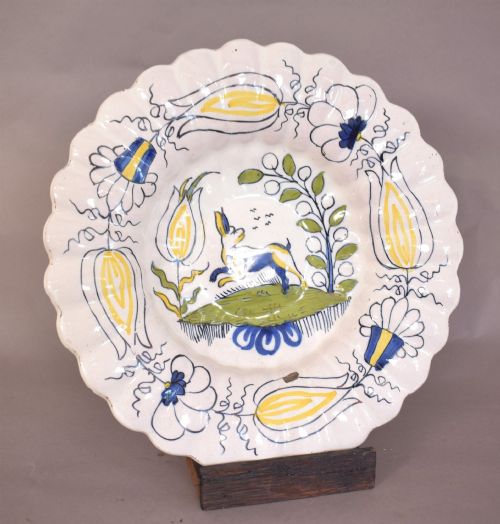
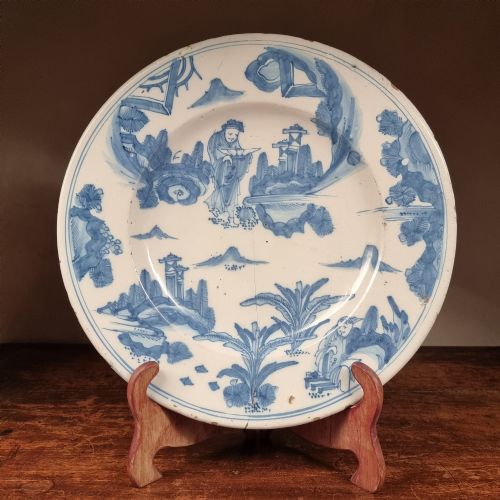
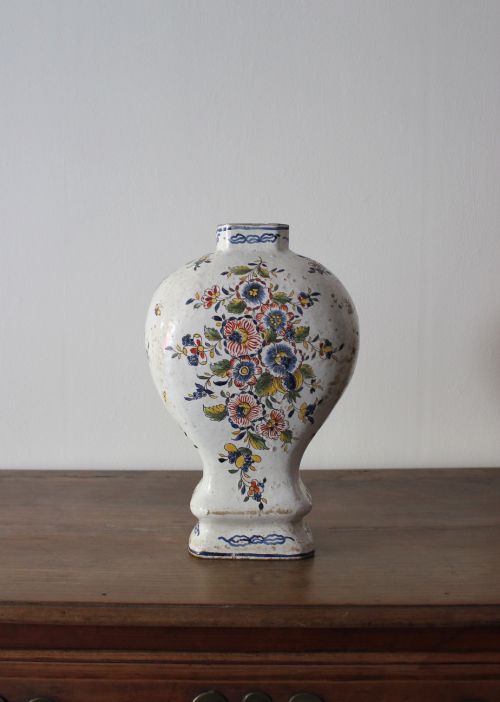
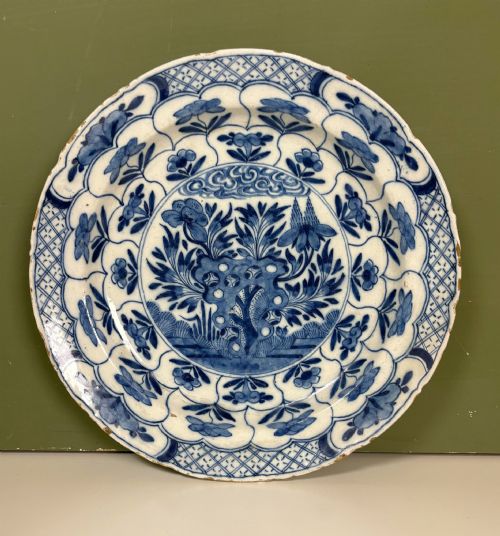
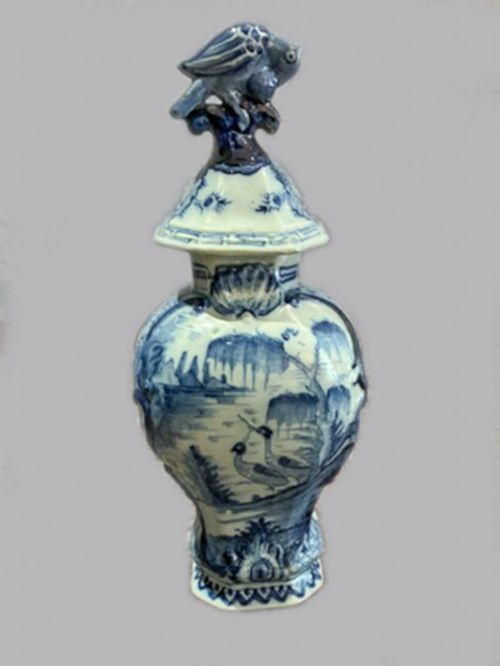
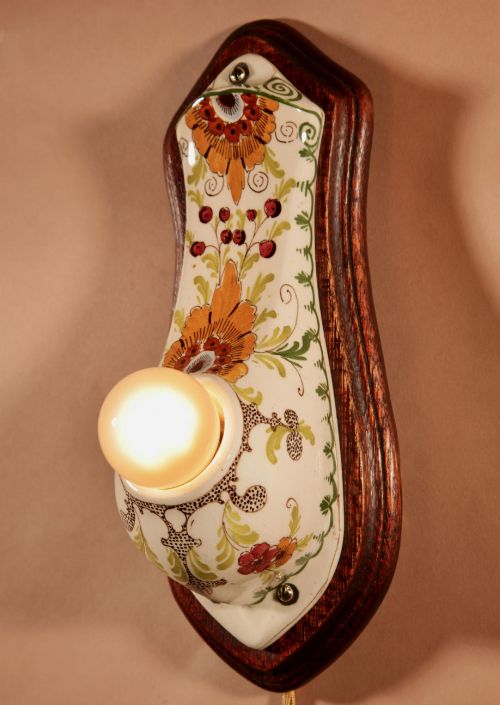
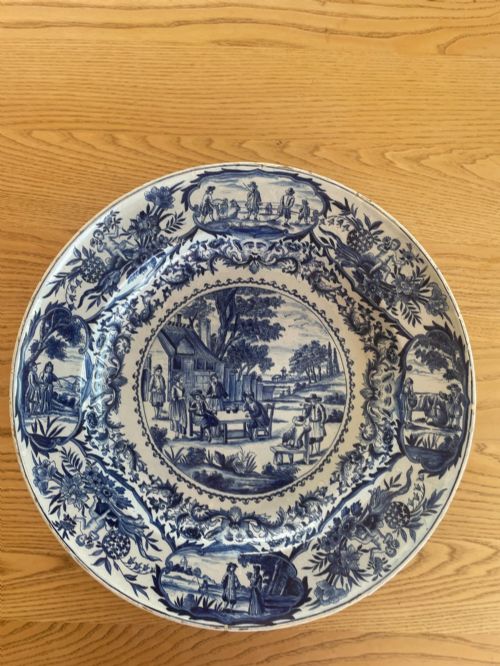
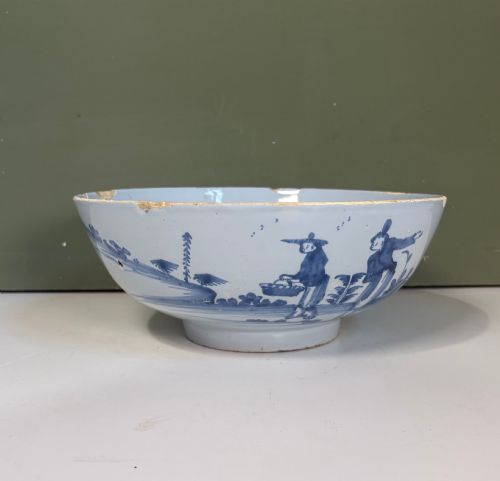
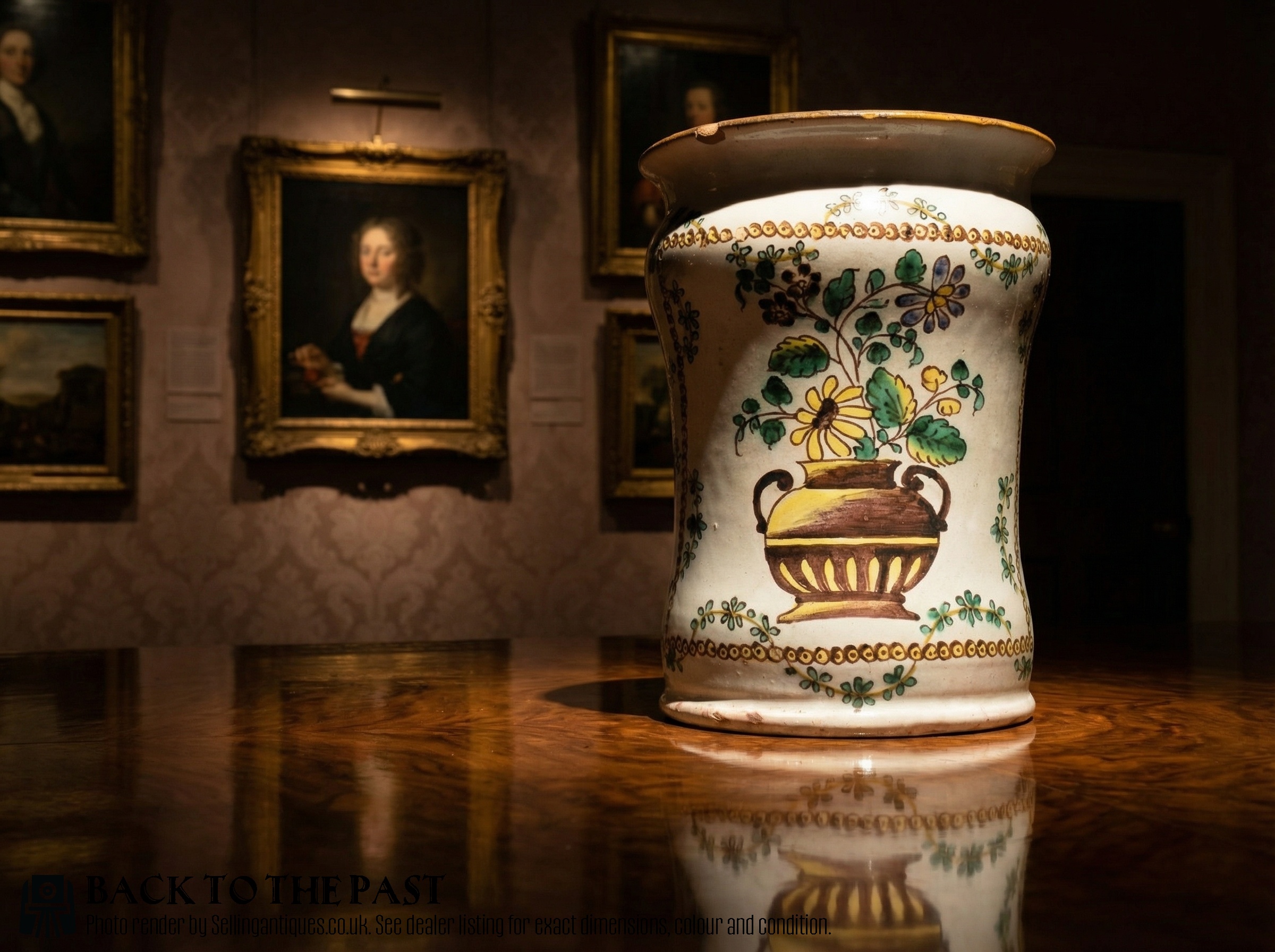
When browsing antique dutch pottery, collectors encounter a diverse array of utilitarian and ornamental forms spanning several centuries. The selection typically includes seventeenth, eighteenth, and nineteenth-century chargers, dishes, apothecary jars, vases, and figural ornaments such as cows and Toby jugs. Earlier items lean towards functional tableware and display pieces, while later examples frequently comprise converted lamps and decorative vessels.
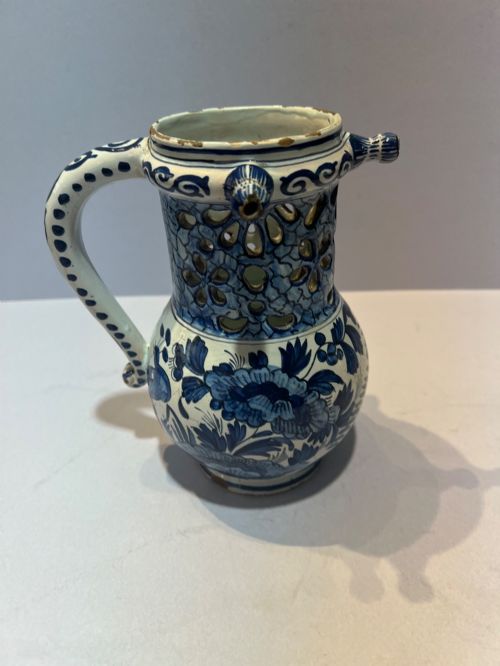
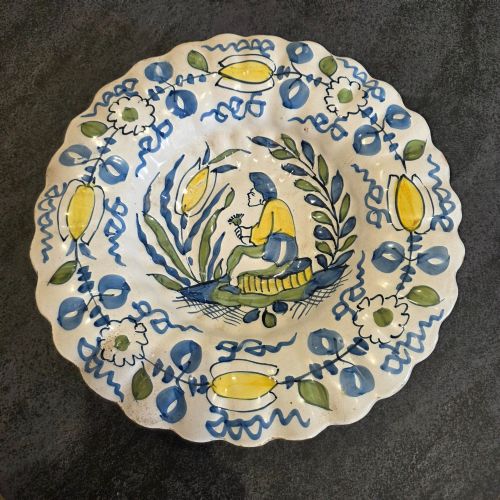
Blue and white colour schemes dominate the offerings, alongside vibrant polychrome floral and figural decorations. Forms range from large wall chargers and lidded baluster jars to specialised items like puzzle jugs, posset pots, and bough pots. The aesthetic draws heavily on Dutch Delftware traditions, reflecting both domestic scenes and oriental influences.
How they were made
Makers shaped earthenware bodies before applying an opaque tin glaze that provided a smooth, white surface for hand-painted ornamentation. Artisans utilised cobalt pigment and metallic oxides to draw intricate blue and white or polychrome designs directly onto the unfired glaze.
The coated ceramic pieces were subsequently fired in kilns, a process that fused the pigments with the tin glaze to produce a glossy finish. Many vessels, such as chargers and jars, received a clear protective overglaze to enhance durability and sheen.
Listings feature tin-glazed earthenware and ceramic forms spanning the seventeenth, eighteenth, and nineteenth centuries.
What varies in quality
The standard of antique dutch pottery is judged by the crispness and complexity of the hand-painted brushwork on the surface. Finer specimens display confident, detailed brush strokes in the floral or figural motifs, whereas lesser examples exhibit hurried or heavy-handed execution.
Preservation of the tin glaze and the integrity of the earthenware body significantly influence the standing of a piece. Items retaining their original lids, vibrant pigment saturation, and minimal glaze flaking represent the upper tier of the survivals.
The Antique Dutch Pottery Glossary
- Delftware
- Tin-glazed earthenware produced in the Netherlands, particularly associated with the town of Delft. It is celebrated for its distinctive white glaze and blue or polychrome painted decoration.
- Tin-Glazed Earthenware
- Pottery coated with a lead glaze made opaque by the addition of tin oxide. This technique provides a white canvas suitable for detailed hand-painted designs.
- Charger
- A large decorative plate intended for display on a wall or dresser rather than for dining use. These pieces often feature elaborate painted scenes or floral patterns.
- Polychrome
- Decoration employing multiple colours rather than a single hue. In these ceramics, it typically involves a palette of reds, greens, yellows, and blues.
- Puzzle Jug
- A traditional drinking vessel with a pierced neck and deceptive spouts that challenge the user to drink without spilling. They often include amusing rhyming inscriptions or elaborate hollow handles.
Antique Dutch Pottery: Frequently Asked Questions
How should I clean my pottery?
Dust these ceramic pieces gently with a dry, soft cloth to remove everyday particles. Avoid using water, detergents, or chemical cleaners, as the porous earthenware and historic tin glaze are sensitive to moisture and harsh substances.
Display vessels away from direct sunlight and areas prone to sudden temperature fluctuations. Proper placement protects the fragile glaze from crazing and preserves the delicate painted pigments over time.
Were these items used daily?
Many forms began as functional household items, including apothecary jars for medicines, jugs for liquids, and plates for serving food. Over generations, numerous utilitarian vessels transitioned into decorative display items due to their artistic merit.
Larger chargers and ornamental plates were primarily made for aesthetic display on walls and dressers. Everyday use gradually diminished for fragile tin-glazed pieces as more durable ceramics entered the market in later centuries.
How do I identify seventeenth-century pieces?
Early pieces from this period often display heavier earthenware bodies and robust tin glazes with distinct Dutch Baroque influences. The hand-painted motifs frequently incorporate deep cobalt blues and earthy polychrome tones reflective of early workshops.
Examining the foot ring, glaze pooling, and wear patterns helps differentiate seventeenth-century examples from later nineteenth-century revivals. Subtle irregularities in the ceramic body and hand-formed shapes provide further clues to authentic early production.
Why are some items converted to lamps?
Vases and jars from the eighteenth and nineteenth centuries were frequently adapted into table lamps to suit changing domestic lighting needs in modern interiors. This conversion allowed Victorian and later homeowners to repurpose decorative ceramics for practical household use.
Collectors evaluate these converted pieces by the discretion of the adaptation and the preservation of the original body. Professional rewiring and non-destructive mounting ensure the historic ceramic remains unharmed while serving a functional purpose.