



18th Century Faience
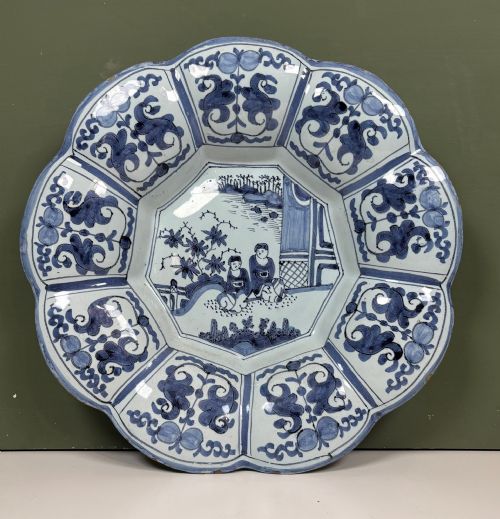
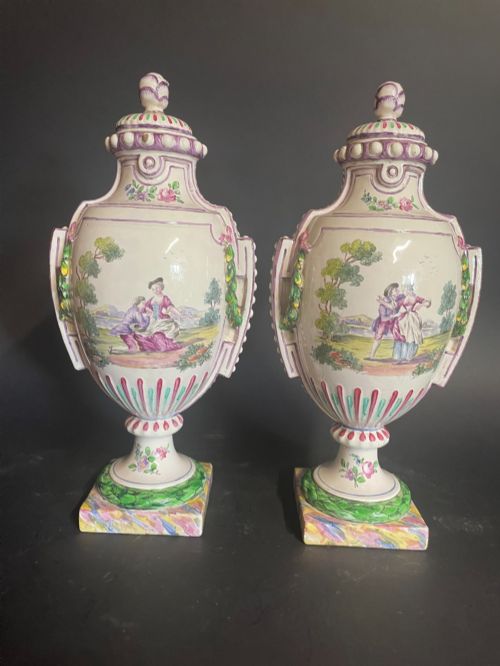
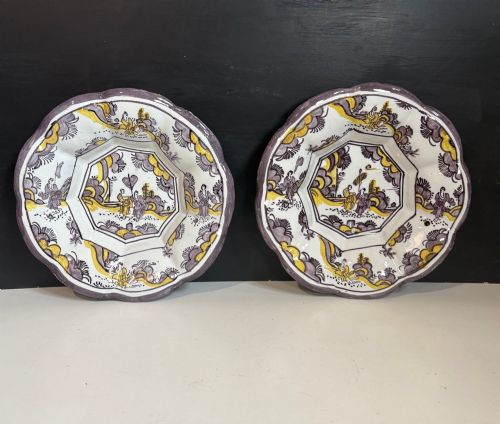
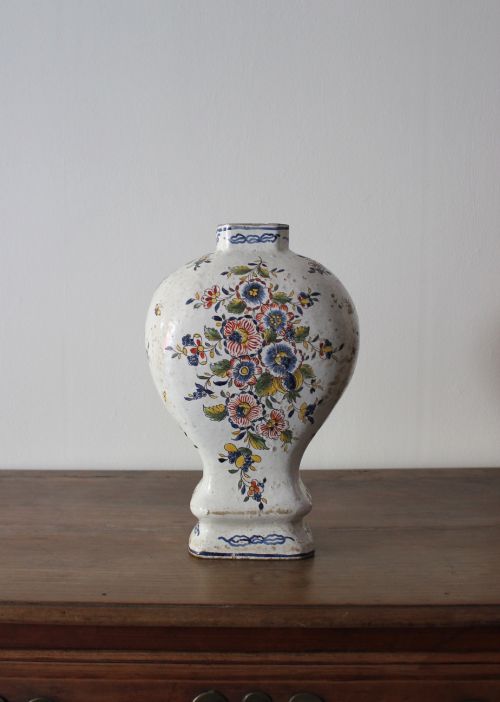
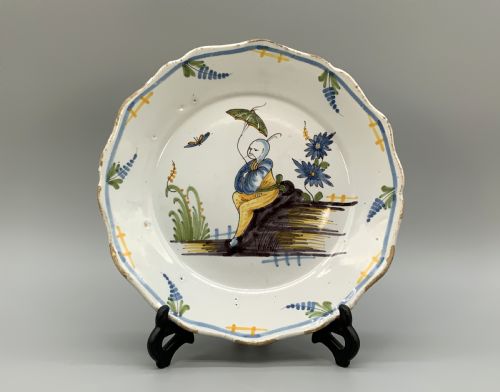
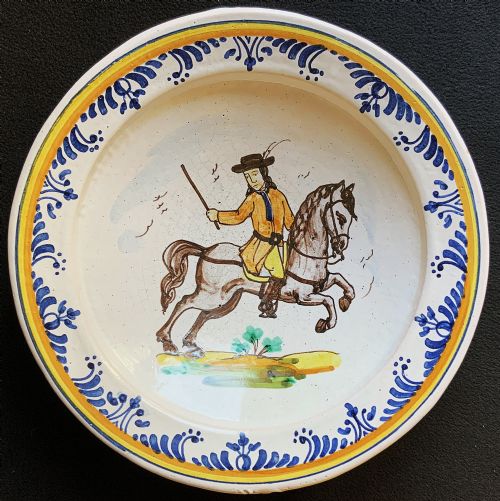
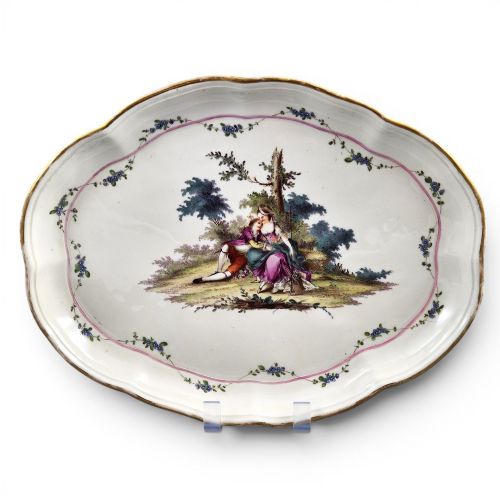
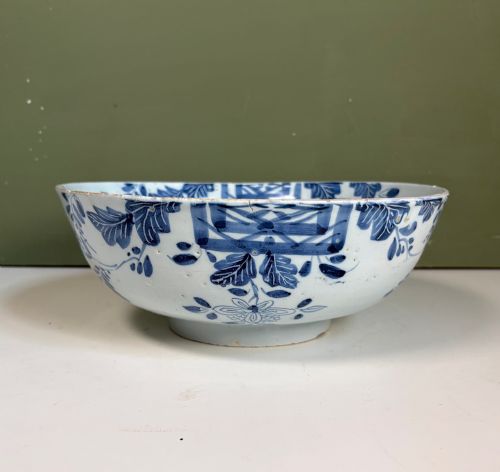
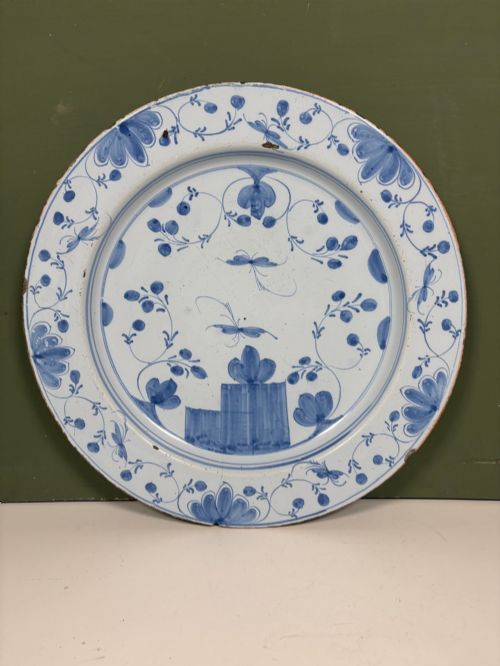
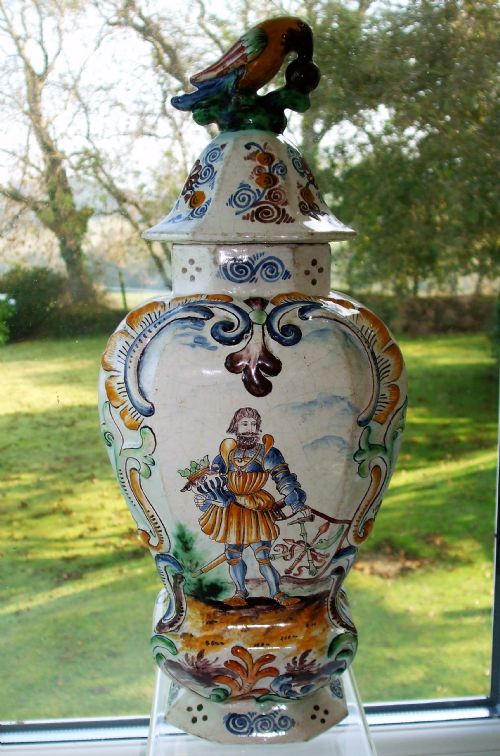
These pieces of 18th century faience bring tin-glazed earthenware chargers, drug jars, and chargers into a room with their painted blue and white or polychrome surfaces.
18th Century Faience
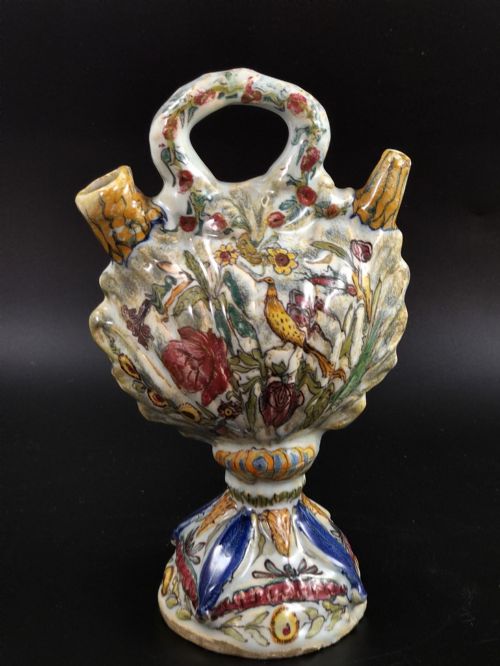
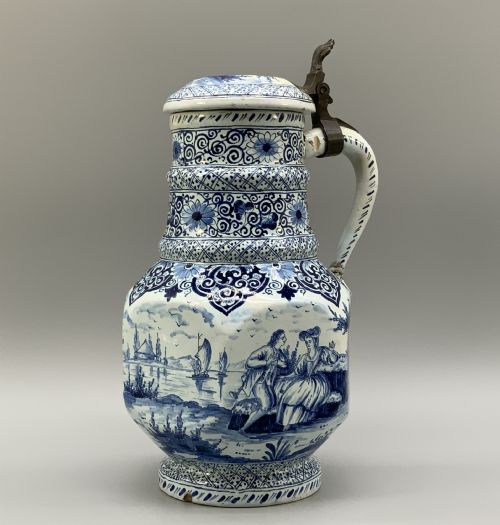
When you search for 18th century faience, you encounter tin-glazed earthenware vessels and dishes created across European workshops. The forms span chargers, apothecary jars, vases, and devotional plaques originating from Dutch, French, Italian, and Spanish centres.
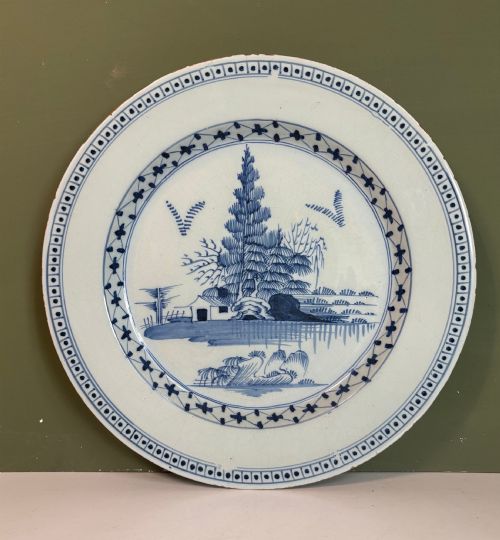
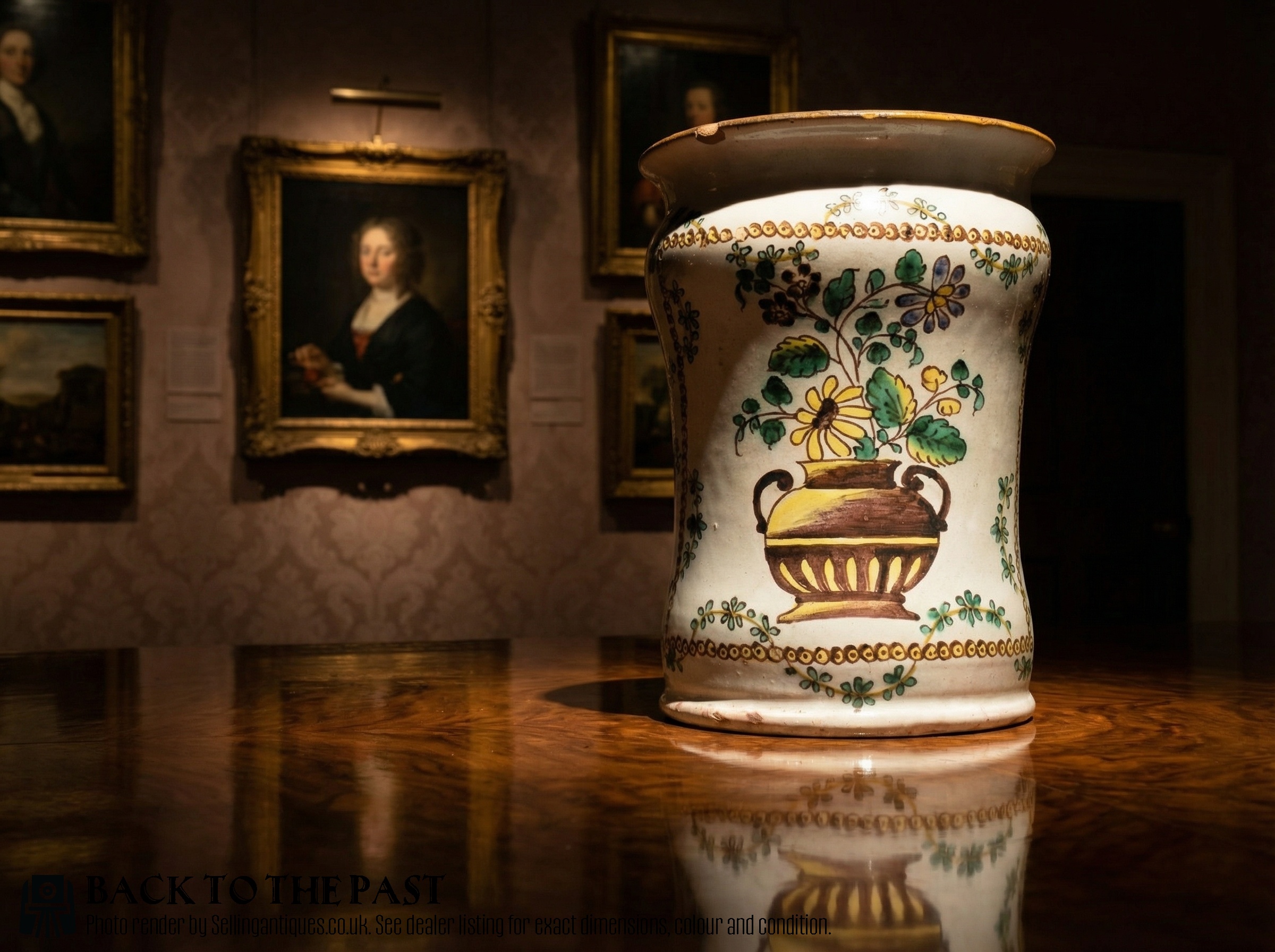
The version you are most likely to meet on this page is the Dutch Delft charger or dish, alongside Italian majolica pharmacy jars and French regional faience. These items serve as decorative wall plates, table vessels, or storage jars for apothecary ingredients.
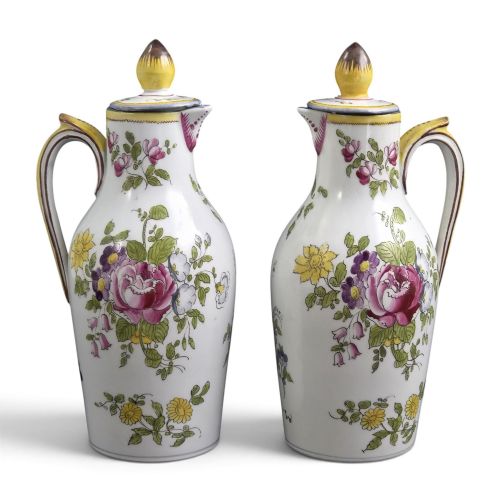
Makers shaped these ceramic bodies into plates, jugs, urns, and albarelos, applying opaque tin glazes that provided a smooth white ground for cobalt blue or multi-coloured pigment painting.
How they were made
Potters shaped earthenware clay into plates, jars, and figures, then fired the body before applying an opaque tin glaze. This tin-glazed surface dried to a chalky white finish ready to receive pigments directly onto the unfired glaze.
Painters brushed cobalt pigment, manganese, and polychrome mineral colours onto the surface, absorbing the metal oxides into the glaze during a second kiln firing. This technique allowed fluid brushwork for floral motifs, Chinoiserie scenes, and religious iconography.
18th Century Faience Retail Price Guide 2026
Typical asking prices for 18th century faience among the pieces listed under this phrase on Sellingantiques today, from the lower quarter to the upper quarter. They describe what is for sale here now, not the wider market.
Apothecaries trusted these painted drug jars to hold sticky syrups and dried roots while smiling at the fanciful mask spouts.
What varies in quality
The clarity and detail of the hand-painted decoration separate simpler utility vessels from ambitious cabinet pieces. Finer works display controlled cobalt pigment brushwork, expressive figural scenes, and well-balanced polychrome palettes.
The smoothness of the tin glaze and the proportion of the ceramic form influence the visual success of each item. Pieces with minimal glaze pooling and crisp contours reflect superior workshop execution.
Joseph Gaspard Robert
The 18th Century Faience Glossary
- Faience
- Tin-glazed earthenware produced in European countries outside of Italy, typically featuring painted decoration over an opaque white glaze.
- Tin Glaze
- A lead glaze rendered opaque and white by the addition of tin oxide, providing the characteristic background for painted pottery.
- Charger
- A large decorative plate intended for display on a wall or sideboard rather than daily dining use.
- Albarello
- A cylindrical earthenware jar used by apothecaries and pharmacists for storing dry drugs and ointments.
- Polychrome
- Decoration employing multiple distinct colours, commonly utilising copper green, antimony yellow, and manganese purple alongside cobalt blue.
18th Century Faience: Frequently Asked Questions
What is 18th century faience?
It is tin-glazed earthenware produced across European kilns during the seventeen-hundreds. Potters coated earthenware bodies with a white tin glaze before painting them with blue or polychrome pigments.
These items include large wall chargers, pharmacy jars, and tableware created in Dutch, French, Italian, and Spanish workshops.
How were pharmacy jars used?
Apothecaries utilised cylindrical albarelos and spouted wet drug jugs to store dried herbs, liquids, and medicinal compounds. The painted labels identified the specific contents kept inside.
Craftsmen inscribed Latin or vernacular names directly onto the tin-glazed surface so pharmacists could locate remedies quickly.
How do I display a charger?
Chargers were designed with perforated foot rings or rim holes for hanging on walls, or for standing on sideboards and tables. Placing them on plate stands or secure wall brackets protects their edges.
Keep these ceramic pieces away from direct sources of heat and moisture to preserve the tin glaze and pigment.
How do I tell Dutch Delft from French faience?
Dutch Delft leans heavily towards blue and white or geometric floral patterns, often influenced by imported Chinese porcelain. French regional workshops in Marseille, Nevers, and Sceaux frequently utilised manganese, yellow, and green polychrome palettes.
Examining the glaze tone, brushwork style, and potting weight helps distinguish between regional European traditions.