


Antique Delft Jars
Antique delft jars are tin-glazed earthenware vessels bringing hand-painted cobalt blue and polychrome scenes straight into your interior.
Antique Delft Jars
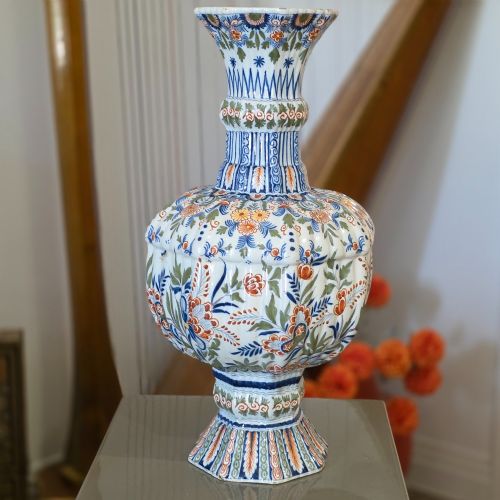
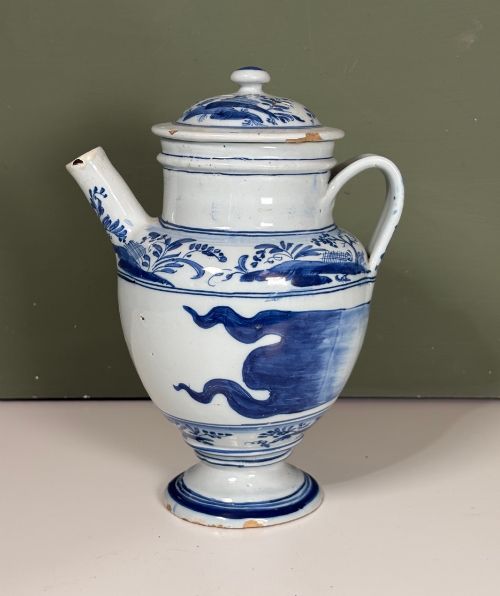
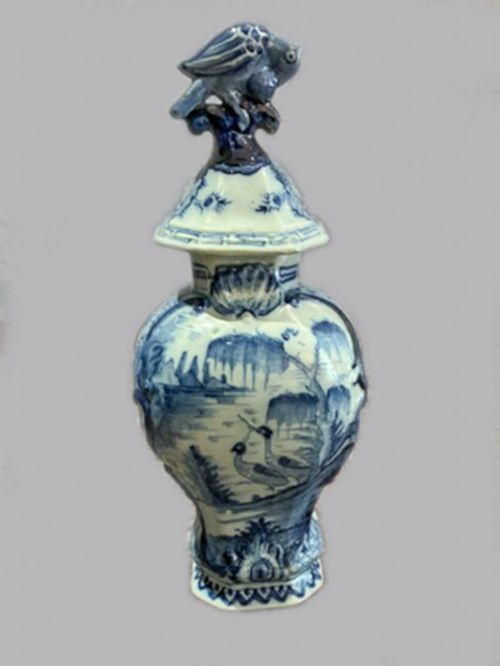
When you search for antique delft jars, you encounter vessels shaped as apothecary jars, tobacco jars, baluster vases, and lidded urns spanning several centuries. The most common forms on this page originate from the eighteenth century, often finished with covers and painted in classic blue and white.
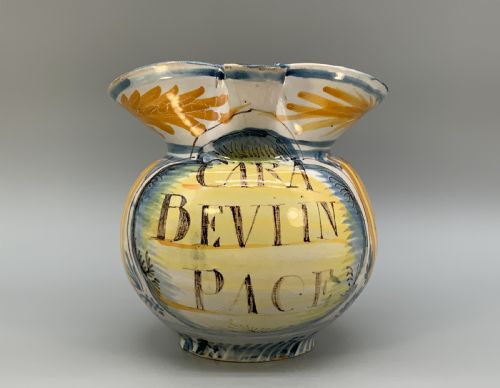
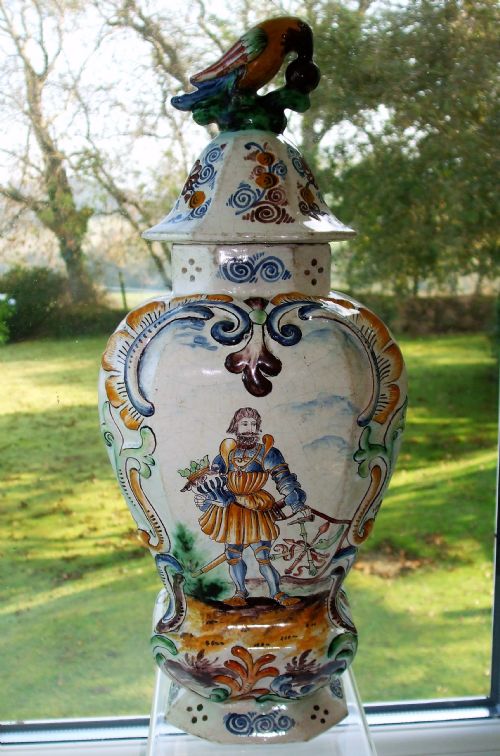
Makers fashioned these pieces for storage and display, ranging from pharmacy drug jars to large decorative palace vases. Dutch delftware dominates the selection, alongside Italian faience and majolica examples incorporating manganese and yellow pigments.
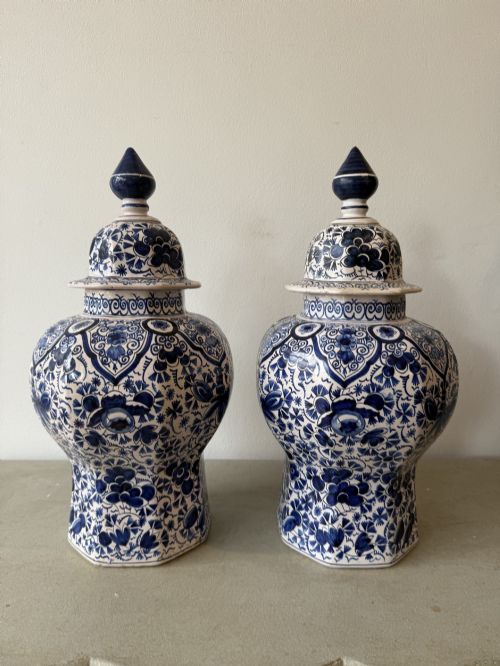
Styles stretch from Dutch baroque and chinoiserie bird motifs to Georgian interpretations. You find matching pairs as well as individual monumental jars standing substantial heights.
How they were made
Potters shaped earthenware bodies on the wheel or in moulds before coating them in a tin glaze that provided an opaque white surface for painting. Artisans then applied cobalt pigment and other mineral colours directly onto the absorbent unfired glaze.
Some sophisticated pieces received additional protective clear glazes before secondary firing to fix the palette. Certain jars incorporate brass mounts or lids alongside hardwood components.
The listings show pieces spanning from the seventeenth century through the nineteenth century, executed in tin-glazed earthenware, ceramic, brass, and hardwood.
What varies in quality
Quality rests upon the crispness of the hand-painted brushwork and the complexity of the design, such as detailed chinoiserie figures, birds, and floral arrangements. Pieces featuring vibrant polychrome palettes or deep manganese and yellow tones stand apart from simpler monochrome output.
Survival of matching covers and lids greatly elevates a jar, as does large scale and good structural preservation of the tin-glazed earthenware body over centuries of handling.
The Antique Delft Jars Glossary
- Tin-Glazed Earthenware
- Pottery covered with a lead glaze made opaque by the addition of tin oxide. This creates the white background essential for traditional delft painting.
- Albarello
- A cylindrical pharmacy jar designed for holding dry drugs and ointments. Apothecary shops utilised these functional vessels extensively across Europe.
- Chinoiserie
- European artistic style reflecting Chinese decorative motifs. Artisans painted imaginary oriental landscapes and figures onto earthenware.
- Baluster Vase
- A vase with a rounded body that tapers toward the base and swells near the middle. This form appears frequently in matching pairs.
- Polychrome
- Decoration employing several colours rather than just single blue pigment. Italian faience examples often display manganese and yellow alongside other hues.
Antique Delft Jars: Frequently Asked Questions
What were antique delft jars used for?
Apothecary jars and pharmacy jugs stored dry drugs, herbs, and medical ointments in seventeenth and eighteenth-century dispensaries. Tobacco jars held smoking mixtures safely protected behind heavy lids.
Larger baluster vases and lidded urns served purely decorative purposes in period interiors. Owners displayed them on mantelpieces and furniture to demonstrate taste and status.
How do I identify seventeenth century delft?
Seventeenth century pieces often display characteristic Dutch baroque influence combined with early chinoiserie motifs like birds and flowers. Examination of the earthenware body and tin glaze reveals older manufacturing methods.
Comparing stylistic details against known archival pieces helps confirm the period. Experts look at the specific depth of the cobalt pigment and brushwork execution.
Are delft jars fragile to live with?
These tin-glazed earthenware vessels require sensible placement away from high-traffic household edges and vibration risks. Normal room conditions suit them well without special climate controls.
Routine dusting with a dry cloth keeps the glaze safe. Avoid harsh liquid cleaners that could penetrate historical surfaces or old glaze imperfections.
What is the difference between delft and faience?
Delft specifically refers to tin-glazed earthenware made in the Netherlands, particularly in the town of Delft. The term carries strong associations with blue and white Dutch styles.
Faience is the broader European term for tin-glazed pottery, encompassing Italian majolica and other continental workshops. Italian pieces frequently utilise warmer manganese and yellow tones.