

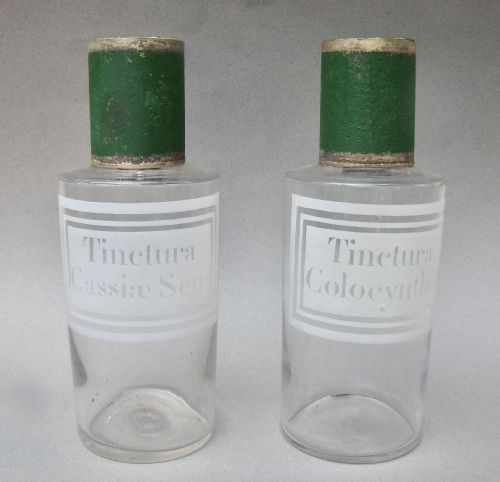
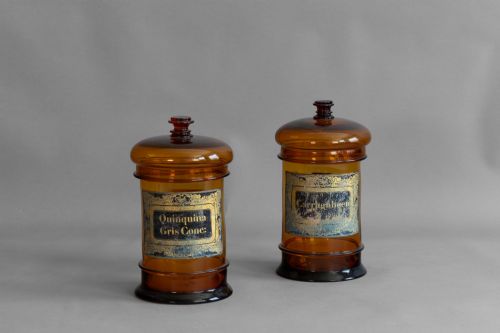


Antique Apothecary Jar Pair
An antique apothecary jar pair brings centuries of dispensary craft into a room, offering matching vessels of glass or ceramic that once held dry drugs and liquid tinctures.
Antique Apothecary Jar Pair
An antique apothecary jar pair links two matching containers made for medicinal storage, frequently encountered as tall ceramic albarelli or glass vessels from British, French, Italian, and Dutch workshops. These matched pairs range from seventeenth-century Italian majolica and eighteenth-century tin-glazed earthenware to nineteenth-century amber, etched, and cut glass forms designed for display on pharmacy shelves.
Buyers seeking this phrase encounter both traditional lidded storage jars and adapted table lamps, alongside related tincture bottles and decorative vases sharing the same medical heritage. The materials span earthenware, ceramic, and metal mountings, showing how functional apothecary storage evolved into decorative domestic objects over successive centuries.
Materials and manufacture
Potters shaped earthenware and tin-glazed ceramic bodies on the wheel, applying opaque white glazes that provided a smooth canvas for painted Italian and Dutch baroque motifs. Artisans then fired these pieces at high temperatures to fuse the pigments into the glaze, creating durable surfaces suited to storing dry drugs and herbal remedies.
Glassmakers worked with amber, etched, and cut glass to produce transparent and translucent apothecary vessels, often utilising mould-blowing and hand-finishing techniques. Craftsmen added brass and painted metal elements on later nineteenth-century examples, combining utilitarian glass chemistry with decorative domestic styles.
Antique Apothecary Jar Pair Retail Price Guide 2026
Typical asking prices for apothecary jar pair among the pieces listed under this phrase on Sellingantiques today, from the lower quarter to the upper quarter. They describe what is for sale here now, not the wider market.
Current listings feature pieces spanning the seventeenth, eighteenth, and nineteenth centuries, utilising earthenware, tin glaze, ceramic, glass, and brass.
Distinguishing quality across pairs
The precision of the painted decoration on tin-glazed earthenware and majolica dictates the distinction between standard production and superior work. Finely detailed polychrome brushwork and crisp cobalt blue Italian or Dutch designs show the hand of a skilled decorator rather than repetitive factory output.
In glass examples, the clarity of the material and the sharpness of the wheel-cut or etched patterns separate ordinary utility bottles from exhibition pieces. Matched pairs with intact original lids and balanced proportions command greater interest among collectors of pharmacy antiques.
The Antique Apothecary Jar Pair Glossary
- Albarello
- A cylindrical earthenware jar used by apothecaries to hold dry drugs and ointments, originating in the Middle East and widely adopted in Italian and Dutch pharmacies.
- Tin Glaze
- A ceramic glaze containing tin oxide that turns white and opaque upon firing, providing an absorbent surface for painted cobalt and polychrome decoration.
- Majolica
- Italian tin-glazed earthenware decorated with colourful pigments on an opaque white background, often featuring ornate Renaissance or baroque motifs.
- Tincture Bottle
- A narrow-necked glass vessel designed to store liquid medicines and alcoholic extracts in a dispensary or apothecary shop.
- Delft
- Dutch tin-glazed earthenware produced in imitation of Chinese porcelain, known for characteristic blue and white designs during the seventeenth and eighteenth centuries.
Antique Apothecary Jar Pair: Frequently Asked Questions
What did apothecary jars hold?
Apothecaries used these jars to store dried herbs, roots, powders, and mineral compounds needed for compounding medical prescriptions. Liquid preparations like tinctures and syrups typically went into narrower glass bottles.
Over time, many of these containers transitioned from working dispensary shelves into polite domestic interiors as decorative storage pieces.
How do I date an apothecary jar pair?
Dating relies on material composition, glaze characteristics, and the shape of the vessel. Seventeenth and eighteenth-century examples are usually tin-glazed earthenware or majolica, while nineteenth-century pairs tend to be clear, amber, or cut glass.
Matching stylistic markers such as Italian baroque painting or Victorian cut glass patterns helps narrow the period of manufacture.
Are these jars safe for food storage?
Historical glazes on early ceramic apothecary jars can contain lead or other heavy metals that leach into contents. These pieces are intended for decorative display and collection rather than modern culinary use.
Glass apothecary pairs generally present fewer material risks, but historical cleaning residues still suggest keeping them for ornamental purposes.
How should I clean antique glass jars?
Dusting with a dry, soft cloth preserves the delicate etched and cut surfaces of nineteenth-century glass vessels. Avoid harsh chemical cleaners that can damage aged glass or remove traces of original surface wear.
For ceramic pairs, gentle wiping with a barely damp cloth prevents moisture from penetrating old, unglazed earthenware bases.