


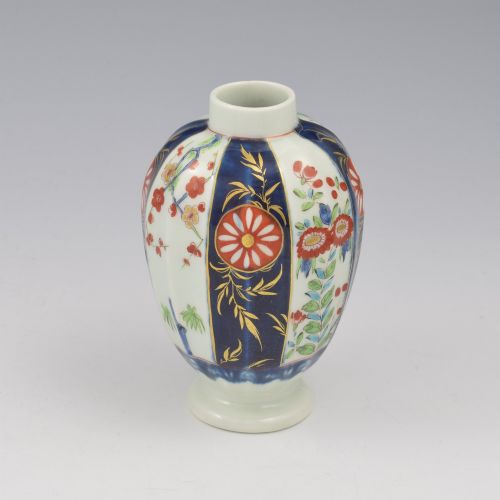

18th Century Blue Ceramic
These 18th century blue ceramic pieces offer a direct tangible link to the domestic rituals and kiln techniques of the Georgian era.
18th Century Blue Ceramic
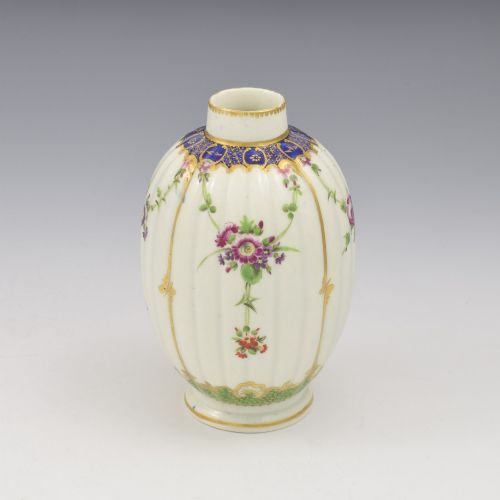
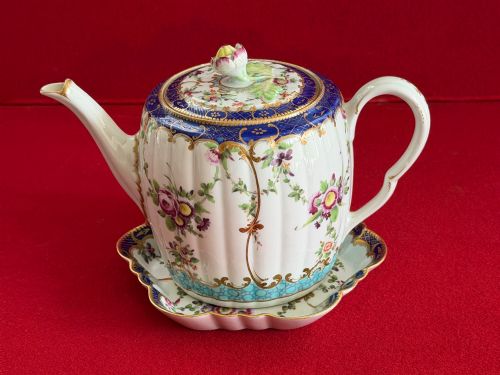
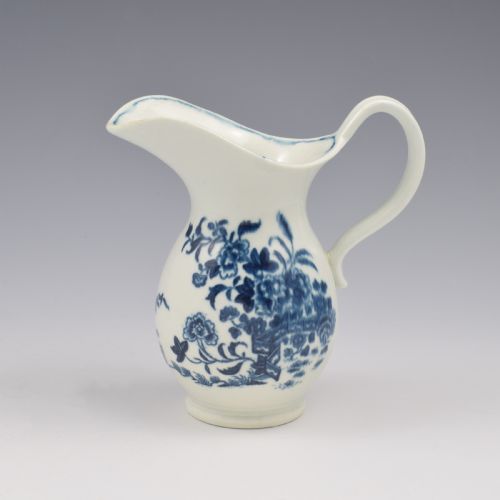
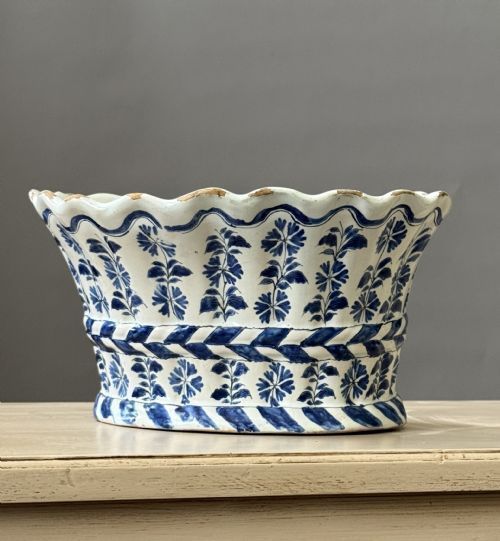
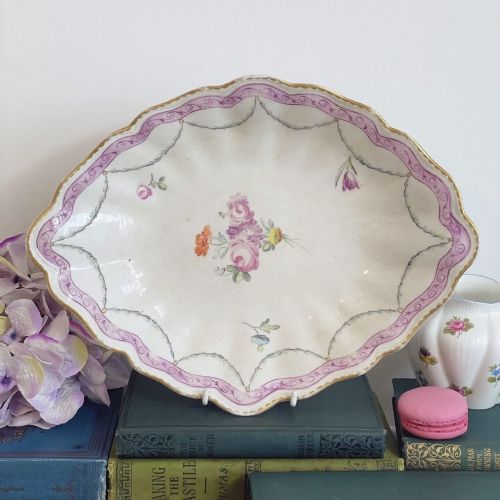
When searching for 18th century blue ceramic, collectors encounter a diverse array of domestic and decorative wares produced across European and Asian kilns. The selection spans utilitarian vessels, tea services, and large display pieces created during the 1700s and Georgian periods. British porcelain factories, Dutch earthenware potteries, and Chinese export kilns dominate the physical material available on this page.
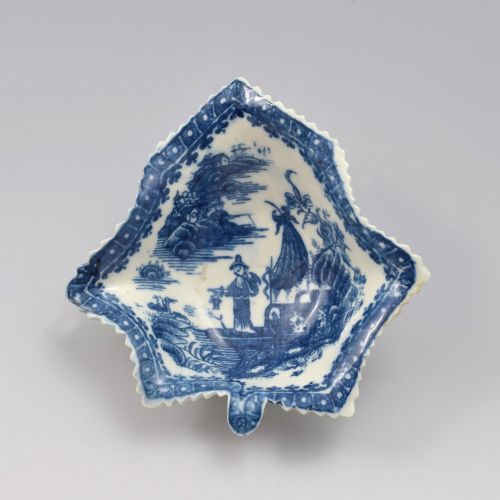
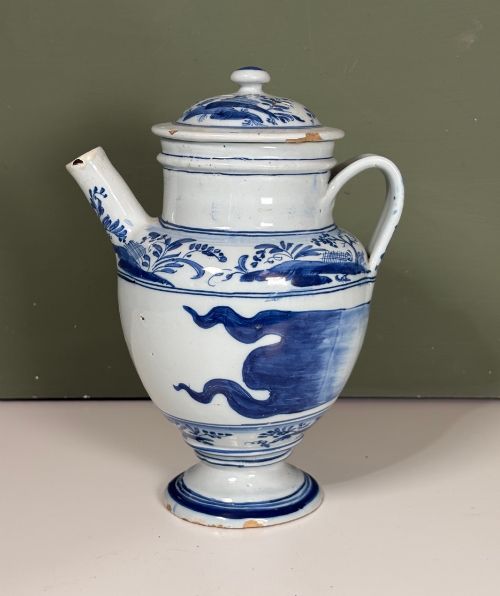
The domestic forms include teapots, jugs, sauce tureens, and chargers, alongside specialist items like apothecary jars and puzzle jugs. Blue and white decoration is particularly prevalent, executed either through underglaze cobalt or intricate handpainting. Buyers will find that English porcelain factories frequently adapted Asian motifs to suit contemporary European tastes.
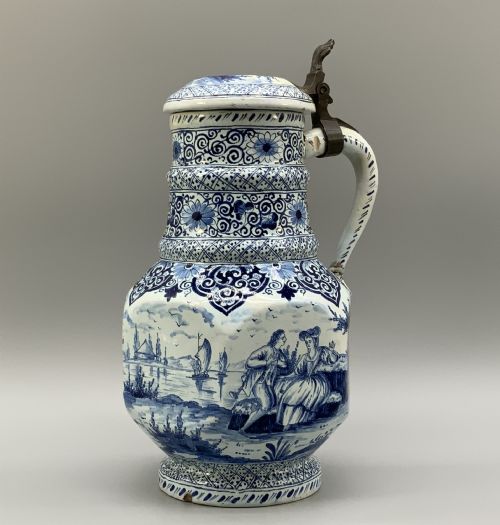
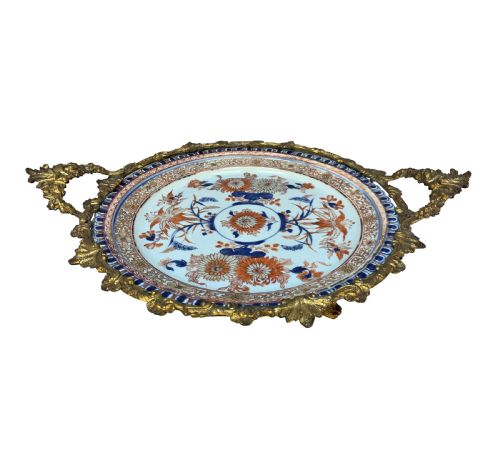
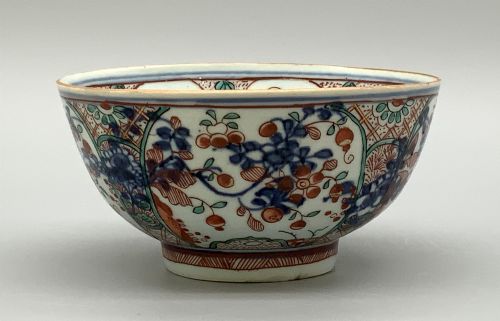
Continental output is strongly represented by tin-glazed earthenware from Dutch centres and soft-paste porcelain from French workshops. Chinese export and Imari wares also feature prominently, reflecting global trade routes of the eighteenth century. Each piece carries the distinct stylistic markers of its specific origin, whether the robust tin glaze of Delft or the refined body of Worcester.
Materials and methods of production
Potters of the eighteenth century utilised soft-paste porcelain, hard-paste porcelain, and tin-glazed earthenware to form their vessels. Soft-paste bodies, common in early English and French factories, required careful firing alongside frit mixtures to achieve a vitreous surface. Tin-glazed earthenware relied on an opaque white glaze containing tin oxide, providing a bright ground for cobalt blue painting.
Decoration was predominantly applied by hand using cobalt oxide pigments beneath or over the glaze before a high-temperature firing. Chinese export pieces often incorporated underglaze blue painting combined with rich overglaze iron red and gold leaf accents. Glazes varied from the soft, pooled surfaces of early brush pots to the crisp, white tin glazes of large chargers.
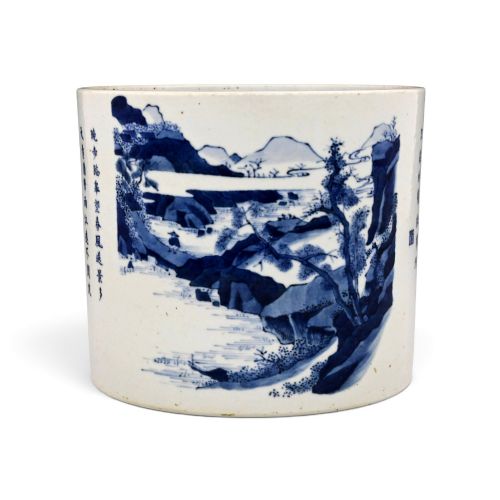
Object forms include decorative chargers, apothecary jars, puzzle jugs, and brush pots suited for scholars.
Assessing quality and execution
Quality in these ceramics rests upon the crispness of the painted cobalt decoration and the stability of the fired body. Superior pieces display fluid, confident brushwork without running or blurring of the blue pigment under the glaze. Throwing marks and the weight of the ceramic body also indicate the skill of the potter at the wheel.
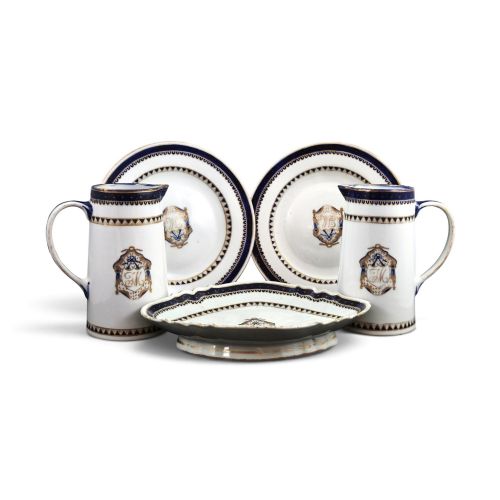
The finish of the glaze significantly impacts the visual appeal of the object. High-tier examples maintain an even, glossy surface free from major kiln debris or excessive warping during firing. Armorial details and intricate patterns demand a higher level of artisan precision, separating standard production wares from elite commissions.
Dr Wall Worcester·Caughley·Derby·Wedgwood·Bow·Sèvres
The 18th Century Blue Ceramic Glossary
- Tin-Glazed Earthenware
- Pottery covered with a glaze made opaque by the addition of tin oxide. This technique provides a white background ideal for painting in blue.
- Soft-Paste Porcelain
- An artificial porcelain composition fired at lower temperatures than hard-paste porcelain. It was widely used by 18th-century European factories before natural deposits were discovered locally.
- Underglaze
- Pigment applied to the ceramic body before the glaze is applied and fired. This method protects the design beneath a durable glass layer.
- Charger
- A large ornamental plate typically hung on a wall or displayed on a dresser rather than used for dining. 18th-century examples often feature bold cobalt painting.
- Imari
- A style of Japanese porcelain decorated in underglaze blue, iron red, and gold. Chinese and European kilns frequently copied these distinct patterns during the period.
18th Century Blue Ceramic: Frequently Asked Questions
How do I identify a Dr Wall Worcester piece?
First Period Worcester porcelain often exhibits a fine, soapy paste and neat blue and white transfer printing or handpainting. Look for crescent marks or workman's symbols underneath the glaze.
Peculiarities of the body and characteristic forms such as tea canisters and sauce boats help confirm the attribution to the 18th-century factory.
What is the difference between Delft and porcelain?
Delft is a tin-glazed earthenware possessing a porous, chalky body covered in an opaque white glaze. Porcelain is a vitrified, hard or soft body that rings when struck and does not absorb moisture.
Earthenware pieces like chargers tend to be heavier and thicker than their translucent porcelain counterparts.
Were puzzle jugs used for drinking?
Puzzle jugs served as drinking vessels designed to test the skill of the imbiber through a maze of perforated spouts. Guests had to cover certain holes with their fingers to draw liquid without spilling.
These ceramic novelties were popular in taverns and domestic gatherings throughout the 18th century.
How should I care for 18th century ceramics?
Wash these pieces strictly by hand using lukewarm water and mild soap, avoiding abrasive sponges or modern dishwashers. Sudden temperature changes can cause old glazes to craze or crack.
Display them away from direct sunlight to preserve any delicate overglaze enamel or gold leaf details.